

We may earn a commission when you buy through links on this page, at no extra cost to you. Learn more.
Sagrantino wine is a bold Italian red made from the Sagrantino grape in and around Montefalco, Umbria. It is known for very high tannin, deep color and dark fruit flavors. According to the Montefalco consortium, the dry version is made entirely from this grape and is built to mature in the cellar and the bottle before it shows its full character.
This guide explains where sagrantino wine comes from, why it tastes so structured, and how to serve, pair and buy it. If you are new to Italian reds, it helps to know that this wine is closer to a long-aging statement bottle than an everyday glass.
What Is Sagrantino Wine?
Sagrantino wine is a red wine produced from the Sagrantino grape, a variety native to Umbria in central Italy. The grape has an unclear origin, and the first written record of it dates to the late 16th century, when it was used as a communion wine. Its name may come from words linked to feasts or sacred use, though the exact root is uncertain.
Today the grape is best known for two styles. The dry version, labeled Montefalco Sagrantino Secco, makes up most of production. The sweet version, Montefalco Sagrantino Passito, is the older, traditional style. Both come from 100 percent Sagrantino, which is unusual for an Italian red, since many regional wines blend several varieties together.
If you know Sangiovese-based reds, sagrantino wine will feel like a different category. It is darker, more tannic and more concentrated. Think of it as a wine for slow meals and long evenings rather than quick weeknight drinking.
Where Sagrantino Is Grown: Montefalco and Umbria
Almost all of the world’s Sagrantino is grown in Umbria, where the village of Montefalco gives the wine its name. The denomination covers a defined area that also includes nearby communes in the Province of Perugia. Production is still fairly small, which helps explain why the wine is less familiar to American shoppers than many Tuscan reds.
Vineyard area has grown over the past two decades. Sources report that planting expanded from about 351 hectares in 2000 to about 994 hectares by 2010, spread across roughly 50 producers. The grape ripens late, usually in late October in Umbria, so it needs a long, warm season to reach full maturity.
The grape is spreading beyond Italy as well. Smaller plantings exist in parts of Australia, California, Washington and Texas, where growers trial varieties that handle heat and dry conditions. These bottles are useful for comparison, but the Italian wines remain the classic reference point for the style.
Flavor Profile and Tannin Structure
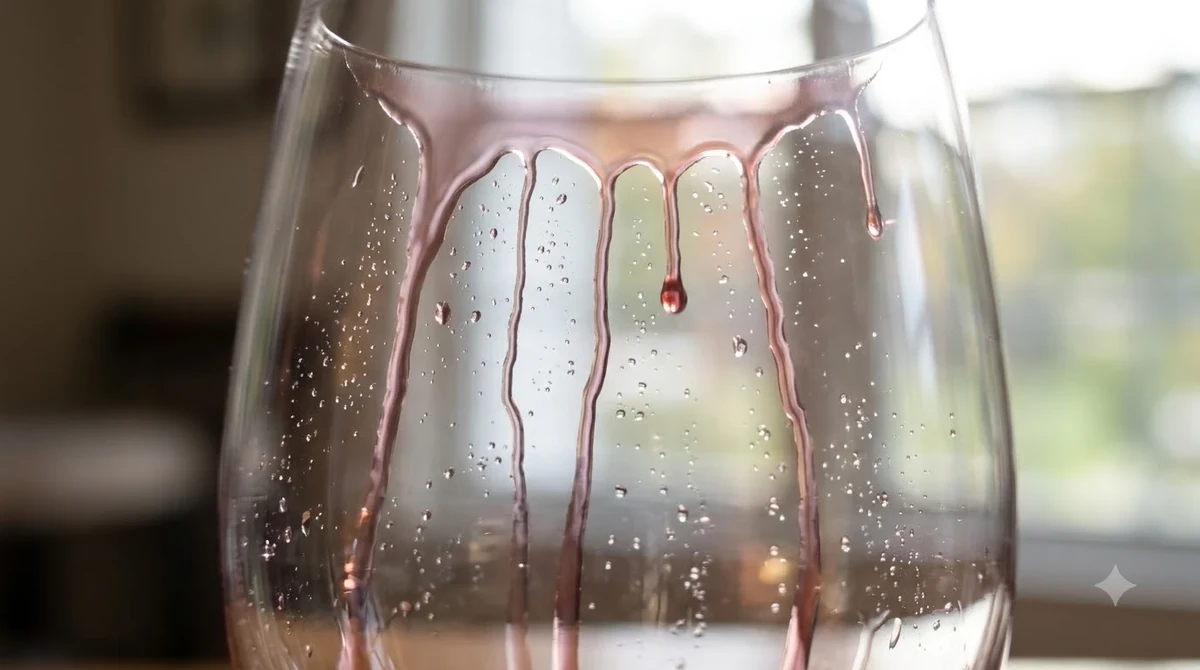
Sagrantino is famous for its tannin. Its tannin level is among the highest of any grape variety, and the wine contains more tannin than Aglianico or Tannat. Reference sources note that it can have roughly twice the tannin of a typical Cabernet Sauvignon or Nebbiolo wine, which is why first sips can feel dry and grippy. For a background overview of the grape, the Sagrantino grape entry on Wikipedia summarizes its origins and viticulture.
The color is deep and inky, often with an almost black center. On the nose, you can expect dark red fruit, plum, cinnamon and earthy notes. The palate is dense and full-bodied, and the tannins are firm enough to dry your mouth if the wine is young.
Young sagrantino wine is often harsh rather than pleasant. The tannins soften with time, and the fruit and spice become more integrated. Winemakers have also worked on techniques to moderate tannin, and some newer bottles are more approachable on release, but the structure remains the defining trait.
| Trait | Dry Sagrantino (Secco) | Sweet Sagrantino (Passito) |
|---|---|---|
| Sweetness | Dry | Sweet, yet still fairly dry on the finish |
| Tannin | Very high and firm | High, with concentrated flavor |
| Typical flavors | Dark fruit, plum, cinnamon, earth | Raisin, dried fruit, dense dark notes |
| Required aging | At least 37 months, 12 in oak | At least 37 months, no oak required |
| Serving temperature | 18 °C according to the consortium | 12 °C according to the consortium |
Sagrantino Passito and Dessert Styles
The passito style is the older tradition of the Sagrantino grape. Bunches are selected and dried on racks for at least two months, which concentrates the sugar and flavor. The must then ferments in contact with the skins, so the wine stays sweet but keeps intense flavor and a strong tannin backbone.
Because of that drying step, passito wines are rare and labor-intensive. They are often served in small pours after a meal, or with dense desserts and aged cheeses. The sweetness is balanced by the grip of the tannins, so the wine does not feel syrupy in the way some dessert wines do.
If you see a sagrantino passito on a shelf, read the label for the word Passito and the DOCG designation. The style is very different from the dry secco, so do not assume one tastes like the other.
Food Pairings and How to Serve Sagrantino
Sagrantino needs rich, fatty or savory food to balance its tannin. The Montefalco consortium’s Sagrantino DOCG page suggests pairing the dry style with aged cheeses, grilled meats, braised dishes and noble game. Those foods soften the tannins and give the wine something to work against.
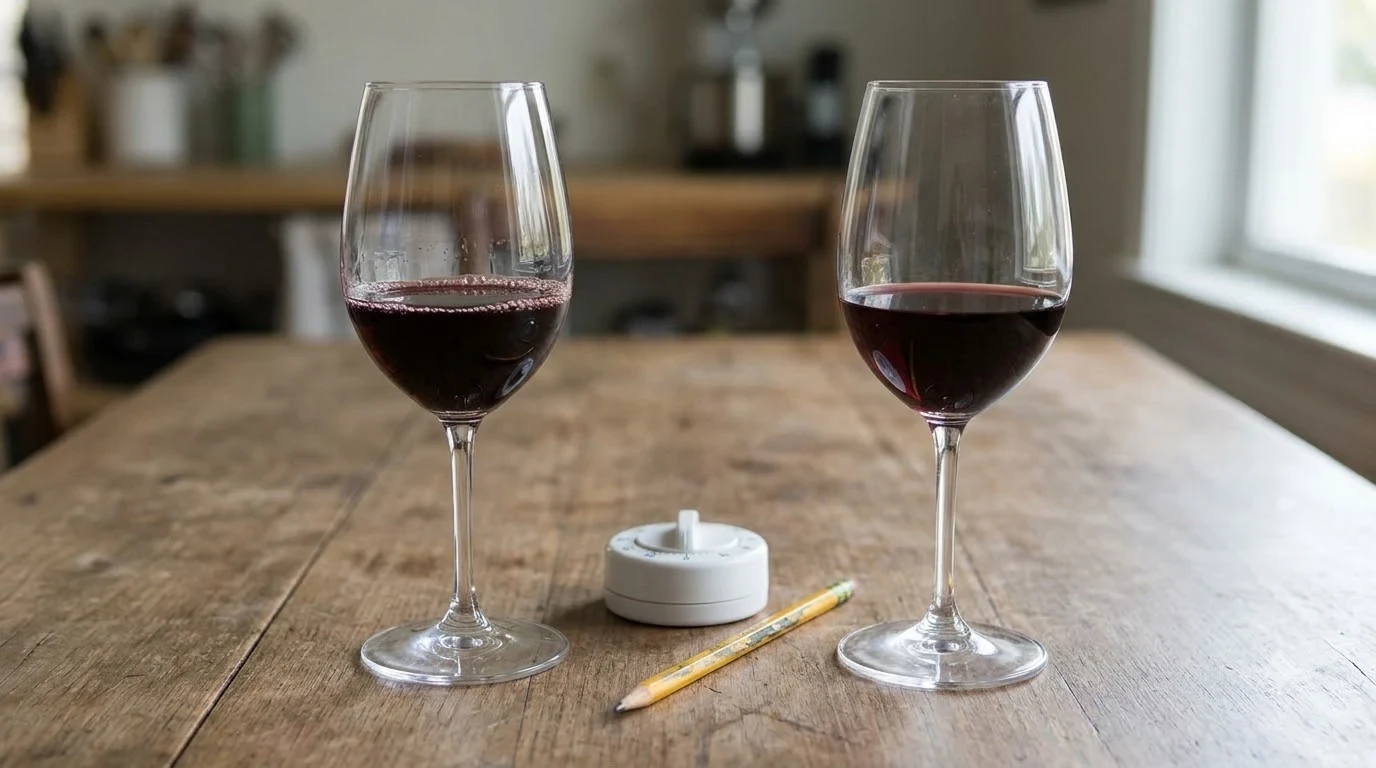
Serve the dry style at about 18 °C, which is cooler than many people expect for red wine. Pour it into a generous glass about an hour before you drink it, or decant it if the bottle is young. Decanting gives the tannins and aromas room to open, and it also separates any sediment in older bottles. For the passito, serve it cooler, at about 12 °C, in small glasses.
Good matches include roast lamb, beef short ribs, wild boar stew and hard aged cheeses such as Pecorino. For dessert, dark chocolate and dry biscotti work well with the passito. Avoid very spicy dishes, which can make the tannins feel harsher.
Cellaring and Buying Sagrantino in the US
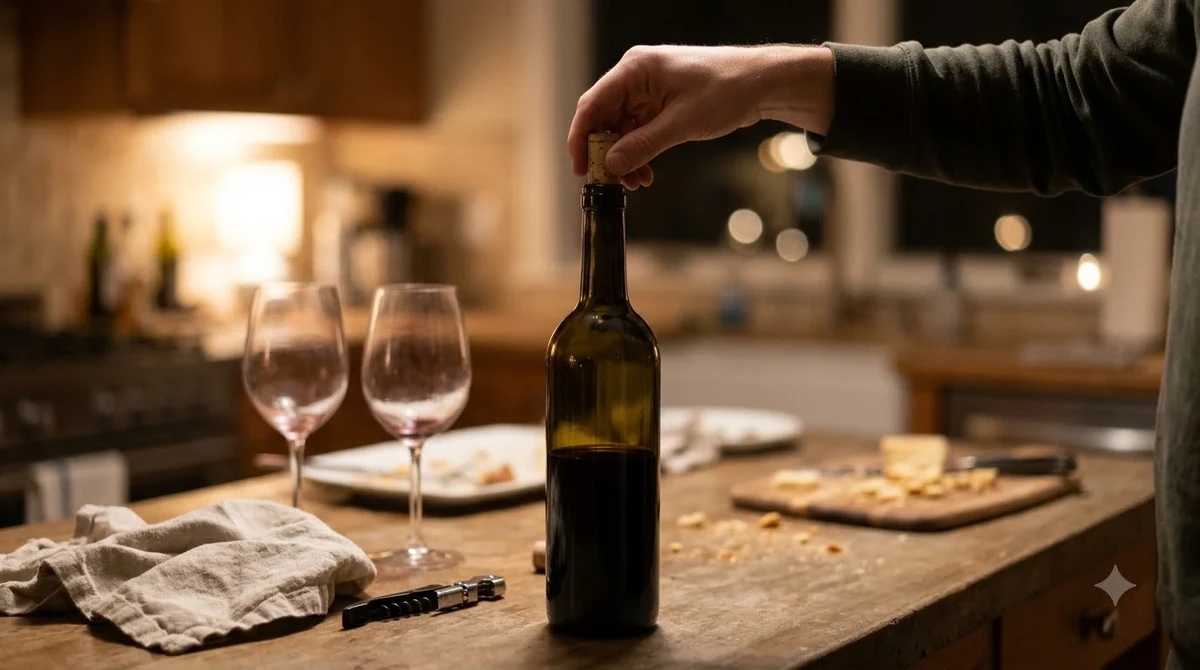
Cellaring is central to this wine. The dry style is required to age for at least 37 months, with a minimum of 12 months in oak barrels, before release. That long maturation is why a bottle is often more enjoyable after several more years in your own cellar, not just on arrival.
Store bottles on their side in a cool, dark place with steady temperature and humidity. Check with the seller about the vintage and whether the wine has already had bottle age. If you buy a young bottle, plan to wait, and use a decanter when you finally open it.
When shopping in the US, look for the full name Montefalco Sagrantino and a DOCG designation on the label. Compare it with other Italian reds you know, such as the chianti grape profile, to see how the structure differs. If you are exploring the country’s varied wine styles, the Wine by Type hub is a useful starting point.
Frequently Asked Questions
Is sagrantino wine dry or sweet?
Most sagrantino wine is dry, labeled Montefalco Sagrantino Secco. A smaller traditional style, Montefalco Sagrantino Passito, is sweet but still firm and tannic. Check the label to confirm which style you are buying.
Why is sagrantino so tannic?
The grape has thick skins and one of the highest tannin levels of any variety. Long aging in oak and in bottle softens these tannins over time. Young bottles can taste very firm, so patience usually pays off.
What food goes best with sagrantino wine?
Rich, savory dishes work best, including grilled meats, braised beef, game and aged cheeses. These foods balance the tannins. Lighter fish or delicate salads usually taste harsh alongside this wine.
Should I decant sagrantino before serving?
Decanting is a good idea, especially for young bottles, because it lets the wine open up and softens the first impression. Older bottles may throw sediment, so decanting also helps separate it. Serve the dry style at about 18 °C.
Sagrantino wine rewards curiosity and patience. Start with a dry bottle, serve it with rich food and give it time to settle. Once you know its structure, you can compare it with other bold reds and find the style that suits your table.
More in Wine Types & Grapes
 Zinfandel Sugar Content: Dry Red vs. White Zinfandel GramsUpdated Nov 21, 2026
 Best Zinfandel Substitute Options for Sipping and CookingUpdated Nov 21, 2026
 Zweigelt Food Pairing: Best Dishes, Cheeses, and Serving TipsUpdated Nov 21, 2026
 Zinfandel Tannins Explained: How Structure Shapes Every BottleUpdated Nov 21, 2026
 Zinfandel Sweetness Level: Dry Red vs. Sweet White Zin ExplainedUpdated Nov 21, 2026
 Xinomavro Food Pairing: Best Dishes, Styles, and Serving TipsUpdated Nov 21, 2026