

We may earn a commission when you buy through links on this page, at no extra cost to you. Learn more.
The montana wine festival most closely tied to Montana’s statewide wine community is the Montana Wine, Beer & Spirits Festival, held at White Raven Vineyard in Columbia Falls. The event brings together wineries, cideries, breweries, and distilleries for tastings, food, music, and outdoor activities. It is one of several wine-focused events in the state, so the right festival depends on whether you want Montana-made beverages, a traditional wine tasting, or a broader food and community celebration.
Montana offers a different kind of wine experience from the better-known wine destinations of California and Oregon. Its growing wine industry works with cold-hardy grape varieties, locally grown fruit, and winemaking techniques adapted to challenging weather. Festivals provide an opportunity to discover these products alongside established regional producers and other Montana beverage makers. Understanding the event locations, the state’s distinctive grape varieties, and the differences between wine festivals can help you plan a more rewarding visit.
Which Montana Wine Festival Should You Attend?
Montana does not have just one event called the Montana Wine Festival. The statewide wine community’s best-known gathering is the Montana Wine, Beer & Spirits Festival at White Raven Vineyard, while Helena and Sidney also have separately organized wine-focused events.
The Montana Grape and Wine Association organizes the Montana Wine, Beer & Spirits Festival as a celebration of products made across the state. Its published event listing gives August 1, 2026, as the festival date, with the gathering scheduled between 2 p.m. and 8 p.m. at White Raven Vineyard, 196 Elk Park Road, Columbia Falls. The date has passed, and the association’s displayed listing does not yet establish a future 2027 date. Visitors planning a later trip should use the association’s official festival calendar to verify the next announcement rather than assuming the previous Saturday schedule will repeat.
Two other Montana events help illustrate the state’s broader wine calendar. Helena’s Festival of Wines was listed for November 7, 2026, at the Helena Civic Center Ballroom, with an evening schedule from 7 p.m. until 10 p.m. Sidney also hosted its 33rd Annual Wine & Food Festival on November 7, 2026, at the Richland County Event Center. That event included local food vendors, entertainment, and an online art auction. Both dates have passed, but they demonstrate that Montana’s wine events are organized by different communities and may have distinct purposes.
When choosing an event, consider the kind of experience you want. White Raven’s gathering combines wine with cider, beer, and spirits, making it suitable for groups with different beverage preferences. A traditional Festival of Wines format puts more emphasis on sampling wine, comparing producers, and learning about different styles. A community wine and food fundraiser can offer a different balance of local hospitality, entertainment, and food.
What to Expect at the White Raven Vineyard Festival
The White Raven event combines a vineyard setting with a broad selection of Montana-made drinks and outdoor entertainment. Its published program includes beverage tastings, food trucks, lawn games, and live music, creating a more varied experience than a conventional indoor wine tasting.
White Raven Vineyard is located in Columbia Falls in northwestern Montana. The location gives the gathering a genuine vineyard backdrop, with the Flathead Valley and the surrounding mountain country forming an appealing setting for a summer afternoon. The vineyard is also listed among the Montana Grape and Wine Association’s participating vineyard locations, connecting the festival to the state’s actual grape-growing community rather than simply using a scenic event venue.
The combination of producers is important. A visitor may encounter locally made grape wines alongside fruit wines, cider, beer, and distilled spirits. These categories represent different approaches to Montana agriculture and beverage production. Grape wine demonstrates the possibilities of cold-hardy varieties, while cider and fruit-based beverages give producers opportunities to work with additional crops. Distilleries and breweries add still more variety to the tasting experience.
Food trucks and outdoor activities make the event accessible to people who are not exclusively interested in wine. Visitors can take breaks between tastings, eat something substantial, enjoy the lawn games, and listen to music. The published schedule also includes a dedicated live-music period during the afternoon. This format encourages people to treat the festival as a social occasion rather than rushing from one tasting station to another.
The venue itself is also worth considering when planning your visit. A vineyard festival differs from an event in a hotel ballroom because the setting connects the drinks with the agricultural landscape behind them. However, an event at a vineyard does not automatically mean every participating wine was made from grapes grown at that specific property. Producers can source grapes, fruit, or other ingredients from different locations, so asking where the ingredients originated is a useful part of the experience.
Where to Find Montana Wine Country
Montana’s vineyards and wineries are spread across several communities rather than concentrated in one continuous wine region. Western Montana offers a particularly useful starting point, with wineries and vineyards around Columbia Falls, Bigfork, Polson, Missoula, and the surrounding Flathead Valley.
The White Raven Vineyard event provides a convenient introduction to the northwestern part of the state. Other listed producers and wine businesses in the area include Woods Bay Wine in Bigfork, D. Berardinis Winery in Polson, Hidden Legend Winery in Victor, and Ten Spoon Winery in Missoula. Watchdog Winery in Dixon and Waters Edge Winery & Bistro in Kalispell provide additional names to investigate when arranging a western Montana wine itinerary. These businesses represent different approaches to local beverage production, tasting-room hospitality, and regional sourcing.
The Montana Grape and Wine Association’s vineyard directory also provides an indication of how widely grape growing is distributed. Its listings include Flathead Lake Vineyard and Nevin’s Westslope Vineyard in the Polson area, Shooting Star Vineyard near Eureka, Crawlspace Vineyards in Frenchtown, and Ten Spoon Vineyard in Missoula. The directory also identifies vineyards in Thompson Falls, Stevensville, Laurel, and Miles City. This spread makes Montana wine country more of a collection of agricultural locations than a single compact touring corridor.
Travelers should distinguish between a winery tasting room and an agricultural vineyard visit. Some producers have visitor-facing facilities, while a vineyard may primarily function as a growing site. The association specifically states that visits to its listed vineyards and orchards are by prior arrangement. Contacting growers before making a detour is therefore essential. A public listing of an address is not an assurance that visitors can arrive without an appointment.
Western Montana’s wine character is influenced by low humidity, warm daytime conditions, cool nights, and higher elevations. According to the regional tourism organization Glacier Country, some winemakers use grapes imported from Washington, Oregon, and California alongside locally grown fruit and honey. This creates a distinctive local wine scene in which the location of the winery and the origin of the agricultural ingredients are two separate considerations.
Why Cold-Hardy Grapes Shape Montana Wine
Montana’s short growing season and harsh winter temperatures make grape selection one of the most important decisions for local growers. Cold-hardy hybrid varieties allow vineyards to operate in conditions that would make many traditional European wine grapes difficult to cultivate successfully.
Montana State University’s Western Agricultural Research Center reports 53 vineyards and more than 25,000 grapevines planted in the state. The center studies varieties and vineyard practices that can improve fruit quality, productivity, and wine flavor under Montana’s specific conditions. Its research considers pruning, canopy management, vine nutrition, and irrigation because these factors affect the sugar and acidity levels that determine the eventual quality of the grapes.
Many traditional European wine grapes belong to the species Vitis vinifera. MSU explains that these varieties can be hardy only to approximately -5°F, making them vulnerable to Montana’s severe winter temperatures. Cold-hardy French-American hybrids address the problem through crosses involving traditional wine grapes and native American species such as riverbank grape, summer grape, and sand grape. The resulting plants can offer improved winter tolerance and resistance to certain vineyard diseases.
Several varieties appear frequently in Montana’s growing and research programs. Marquette, Frontenac, Petite Pearl, and Marechal Foch are among the popular red wine grapes. St. Pepin and Prairie Star are important white wine varieties. Other names worth recognizing include Frontenac Gris, La Crescent, Louise Swenson, Itasca, St. Croix, and Sabrevois. Not every grape performs equally well in every location, so a variety that succeeds near Flathead Lake may not produce the same results in another part of the state.
MSU’s research trials demonstrate how vineyard management and growing conditions influence crop size and fruit chemistry. The following figures come from the center’s 2018 trials of three cold-hardy red wine varieties planted in its research vineyard. They are experimental results, not guaranteed yields for every commercial Montana vineyard.
| Grape variety | Harvest date | Yield per plant | Yield per acre | Brix | TA |
|---|---|---|---|---|---|
| Frontenac | October 3 | 19.3 lb | 12,645 lb | 18.0 | 3.6 |
| Marquette | October 3 | 12.1 lb | 7,939 lb | 22.5 | 2.6 |
| Petite Pearl | October 3 | 11.2 lb | 7,368 lb | 17.0 | 2.4 |
Brix is a measurement associated with the sugar concentration of grape juice, while total acidity is an important indicator of the acid content. The results show why producers cannot evaluate a grape variety by yield alone. A high crop may require careful management to maintain the desired balance of sugar, acidity, and fruit development. Harvest timing, vine vigor, and the number of clusters left on each plant can all influence the resulting wine.
For readers interested in the technical side of Montana wine production, the MSU Western Agricultural Research Center’s grape-trial results offer additional information about red, white, and table grape performance. The research provides useful context for understanding why Montana wines may differ from bottles produced in warmer American growing regions.
What Montana Wines and Fruit Wines Taste Like
Montana wine is not limited to familiar varieties such as Cabernet Sauvignon and Chardonnay. Visitors may encounter cold-climate grape wines, hybrid varieties, and fruit-based products made with ingredients associated with the state’s agricultural landscape.
Among the white grape varieties, La Crescent is particularly interesting. WineAmerica describes it as a winter-hardy variety capable of surviving temperatures as low as -36°F under the conditions discussed in its state profile. It produces an aromatic, Germanic-style wine that can resemble Vignoles or Riesling. Its high sugar levels make it especially suitable for sweeter styles, although producers can also use it in blends. A visitor who enjoys aromatic whites should consider comparing a La Crescent bottling with a conventional Riesling to notice the differences in fruit character and structure.
Red wine drinkers can look for Marquette, Frontenac, and Petite Pearl. These grapes are significant in Montana’s cold-climate viticulture research and offer alternatives to the familiar red varieties grown in warmer regions. Marquette and Frontenac are particularly useful names to remember when approaching a tasting flight. Comparing them side by side allows visitors to identify differences in body, acidity, fruit character, and finish without assuming that every Montana red should resemble Cabernet Sauvignon.
Fruit wines are another important part of the state’s beverage identity. Huckleberries and Flathead cherries are closely associated with Montana, and producers use these fruits to make wines with flavors that differ from conventional grape-based bottles. A cherry wine, for example, is not simply a red grape wine with a cherry aroma. Its fruit source and production approach give it a different character and make it an interesting choice for people who enjoy exploring regional products.
There is also an important distinction between a Montana-made wine and a wine made exclusively from Montana-grown grapes. Some western Montana wineries source grapes from Washington, Oregon, or California, then combine them with local fruit or honey. The winery’s location, the place where the grapes grew, and the origin of any additional ingredients all contribute to the product’s identity. Asking producers about sourcing helps visitors make an informed comparison between locally grown grape wines and wines made locally with ingredients from other states.
Rather than searching for one expected Montana flavor, approach the tasting as a chance to compare different agricultural expressions. A flight might include a dry white, a sweeter La Crescent, a hybrid red, and a locally made huckleberry or cherry wine. That combination offers a broader picture of what Montana producers can make than focusing only on familiar international varieties.
How to Taste and Compare Wines at a Montana Festival
A structured tasting makes it easier to compare wines from several producers without confusing differences in sweetness, acidity, and tannin. Begin with lighter and drier wines, move through fuller reds, and finish with sweeter or fruit-based selections.
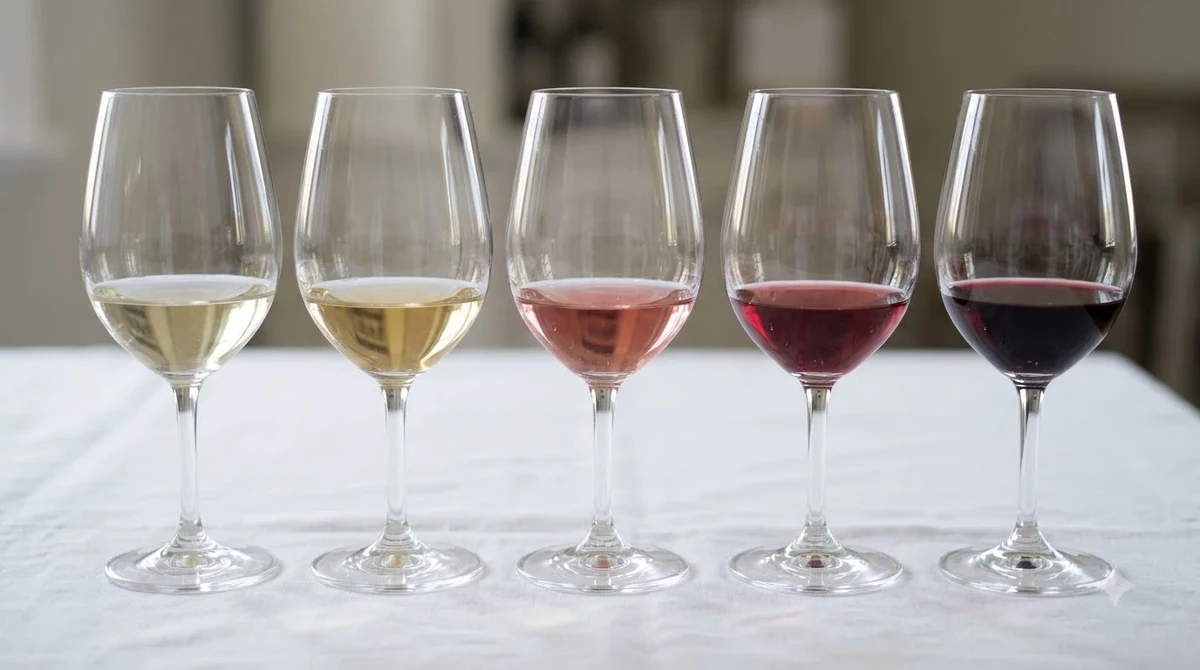
Start with sparkling wines and lighter whites, followed by fuller-bodied whites and rosé. Move on to lighter reds such as Pinot Noir before trying more structured red wines. If the festival offers Marquette, Frontenac, or other hybrid reds, compare their acidity and tannin with the characteristics of familiar varieties. Save sweet whites, dessert wines, and fruit wines until later so their sweetness does not dominate your palate during the earlier tastings.
A standard wine serving is approximately 5 ounces, and a 750 ml bottle contains roughly five standard glasses. Festival samples may be smaller, so avoid assuming that each tasting represents a full serving. Use the opportunity to compare several producers rather than taking large samples from only one or two stations. Drink water between tastings and make brief notes about the producer, grape, sweetness, acidity, and aromas.
Temperature also affects the way a wine smells and tastes. Sparkling wines generally show best around 40–50°F. Light whites and rosé are usually served around 45–50°F, while fuller-bodied whites benefit from approximately 50–55°F. Sweet whites work well between 43–50°F. Lighter reds are generally better at 55–60°F, and fuller reds at 60–65°F. A wine that is served too warm may seem overly alcoholic, while an excessively cold red can appear closed and less expressive.
When tasting a cold-climate white, pay particular attention to the balance between fruit and acidity. A grape can provide pronounced aromatic character while retaining enough acidity to give the finished wine freshness. With red wines, look at the relationship between fruit concentration, acidity, tannin, and texture. These details help you distinguish one hybrid grape from another without needing to memorize every variety name.
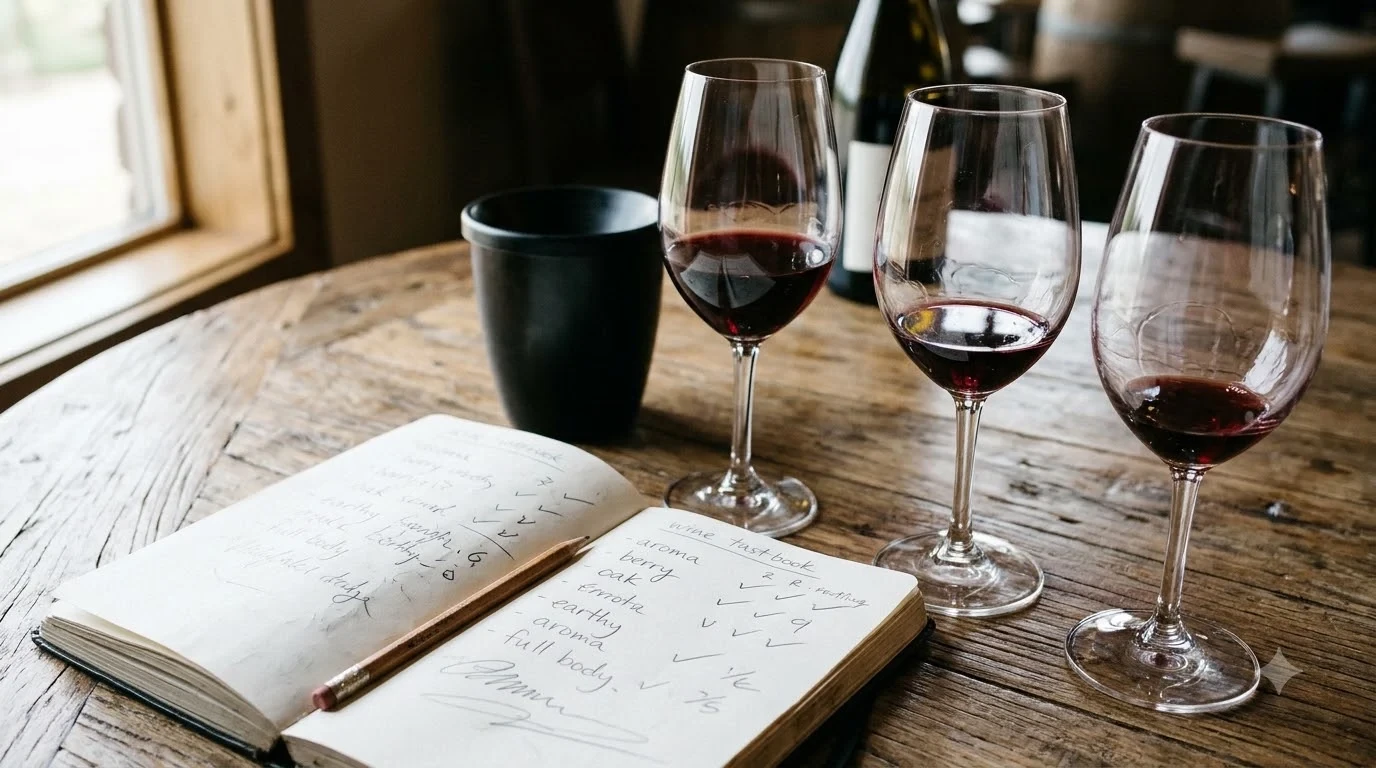
Use a simple tasting sequence: observe the color, smell the wine, take a small sip, and consider the finish. Ask whether the wine is dry or sweet, light or full-bodied, soft or sharply acidic. Then compare it with the next selection. This process is more useful than choosing a favorite only by its first impression, especially when several unfamiliar grape varieties are being poured.
How to Plan a Montana Wine Festival Visit
Good planning begins with identifying the exact event and its host community. A vineyard celebration in Columbia Falls requires a different itinerary from an evening wine event in Helena or a community festival in Sidney, so confirm the location, date, schedule, and transportation arrangements before booking the rest of your trip.
For the White Raven Vineyard event, use 196 Elk Park Road in Columbia Falls as the starting point for your travel research. Visitors interested in exploring northwestern Montana can also investigate nearby tasting opportunities in Bigfork, Polson, Kalispell, and the wider Flathead Valley. If the goal is to visit several vineyards, contact each grower in advance because some agricultural properties do not operate as regular public tasting rooms. Allow time for travel between communities instead of planning a tightly packed series of visits.
For a Helena event, make arrangements around the Helena Civic Center area rather than assuming it will be near a vineyard. The same principle applies to Sidney, where the Richland County Event Center is the listed venue for its community wine and food celebration. Check whether the event is primarily a tasting, a fundraiser, or a mixed entertainment program. These differences affect how much time to set aside and what kind of accommodation and transportation will be most convenient.
It is also useful to research the types of local products you are likely to encounter. Someone interested in traditional grape wines can prioritize wineries producing Marquette, Frontenac, St. Pepin, or La Crescent. Visitors who want a distinctly regional experience can look for huckleberry and Flathead cherry wines. For a more technical introduction to climate, appellations, and grape varieties, our Wine Regions resource provides a useful starting point.
Travelers comparing wine events across different states may also find it useful to review our Utah wine festival and Livermore wine festival guides. These comparisons help explain how an event built around multiple beverage categories can differ from one focused primarily on a particular wine-producing area. They also provide ideas for planning a longer wine-themed trip across different American destinations.
Food deserves a place in the planning process as well. High-acidity whites pair naturally with acidic foods because the wine needs enough freshness to stand alongside the dish. Dry white wines can work with grilled chicken, trout, vegetables, and salads, while fuller reds can accompany beef, bison, lamb, and other richer dishes. Salt and fat soften the perception of tannin, which helps explain why a structured red wine often works well alongside a fatty burger or a well-marbled steak.
Sweetness is another important consideration. A dessert wine should be at least as sweet as the dessert it accompanies, otherwise the wine may seem thin or overly acidic. Spicy food requires more care because alcohol and tannin can intensify the perception of chili heat. Highly tannic red wines also tend to clash with oily fish, so a fresh white or rosé is generally a better option for trout and similar dishes.
Tip: Ask the producer whether a bottle is made from Montana-grown grapes, Montana-grown fruit, or grapes sourced from another state. This single question can tell you a great deal about the wine’s agricultural origins and give you a clearer understanding of what makes that particular Montana producer different.
Frequently Asked Questions
These answers address additional details about Montana’s wine events, grape research, and wine-growing community that can help visitors prepare for a tasting or plan a more informed trip.
What does a ticket to the White Raven Vineyard festival include?
The association’s published festival listing describes an allocation of five tasting tickets redeemable for wine, cider, or beer samples, along with two tickets for mini cocktails. Additional tasting tickets were also listed as available at the event. Future ticket arrangements should be checked against the next official event announcement because allocations can change.
Which musician was scheduled for the White Raven festival?
The published program named Nick Spear as the live musician, with a scheduled performance period from 4 p.m. to 7 p.m. This was part of the event’s entertainment program rather than a separate ticketed concert. The artist lineup for a future festival has not been established by that listing.
How many wine grape cultivars are included in MSU’s main research selection?
The Western Agricultural Research Center identifies six principal wine grape cultivars in its research selection: Marquette, Frontenac, Petite Pearl, Frontenac Gris, La Crescent, and St. Pepin. Its additional research plantings include cultivars such as Crimson Pearl, Verona, and Baltica. The selection allows researchers to compare winter survival, seasonal development, fruit production, and grape quality.
Where does the La Crescent grape get its name?
La Crescent takes its name from a town along the Mississippi River in Minnesota. The variety is a cross between St. Pepin and Swenson 6-8-25. Its distinctive aromatic qualities and winter hardiness have helped make it an interesting option for northern wine-growing regions.
Does the Montana Grape and Wine Association support amateur growers?
Yes. The association describes its community as including commercial and amateur producers, grape growers, winemakers, sponsors, supporters, and enthusiasts. Its membership activities include workshops, webinars, online discussion forums, and quarterly meetings. It also provides access to market information and listings involving equipment, grapes, and agricultural land.
The Montana wine festival experience is about more than sampling familiar grape varieties. It introduces visitors to cold-hardy vineyard research, fruit-based wines, local producers, and the communities that sustain Montana’s growing beverage industry. Start with the next confirmed event announcement, explore the surrounding wineries responsibly, and take time to compare the distinctive wines and ingredients that make Montana an interesting American wine destination.
More in Wine Regions
 Willcox Wine Trail: Discover Arizona’s High-Elevation Wine CountryUpdated Nov 20, 2026
 Yakima Valley Wine Region: Find the Best Styles to TryUpdated Nov 20, 2026
 Vosne Romanee Wine Tasting: Identify Aromas and Choose Better PairingsUpdated Nov 20, 2026
 Yakima Valley Wine Festival: Find the Best Seasonal Wine EventsUpdated Nov 20, 2026
 Wales Vineyards: Discover Cool-Climate Wines and Where to VisitUpdated Nov 20, 2026
 Yountville Wine Festival: Discover Napa Wines and Local FoodUpdated Nov 20, 2026