

We may earn a commission when you buy through links on this page, at no extra cost to you. Learn more.
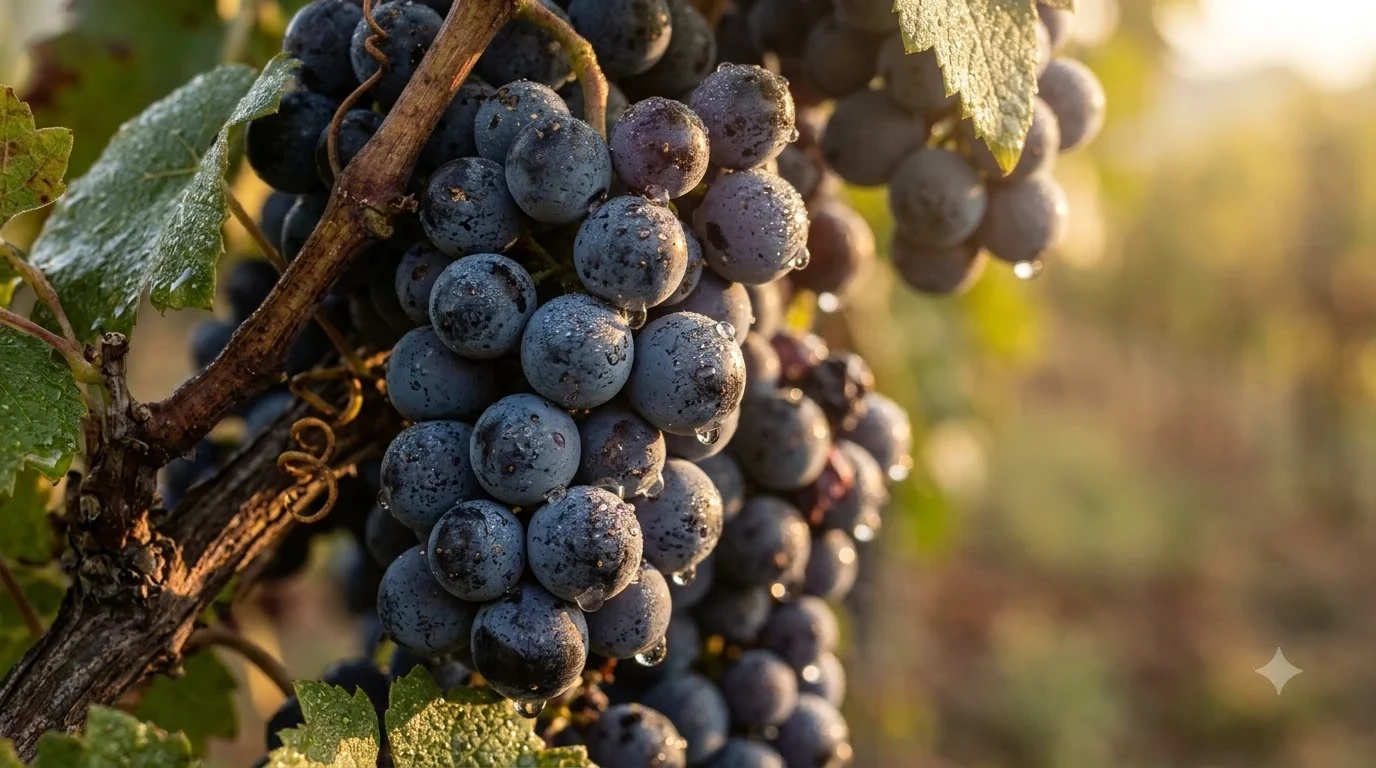
Montana wine is made from grapes and other fruits grown in a state with a mountainous, cold climate, and the cold-hardy whites and reds such as Pinot Gris, Chardonnay, Gewurztraminer, Merlot and Maréchal Foch are the varieties most often listed. According to the Wikipedia entry, the state has a small number of wineries, and it has no federally recognised American Viticultural Areas. Many Montana-labelled wines are made from other fruits or from grapes grown outside the state, so the label is the best guide to what is in the bottle.
Montana is better known for its mountains, rivers and open country than for vineyards, and that is exactly why its wine scene is interesting. This guide explains what the state’s wine production looks like, which grapes are most often listed, and how to choose a bottle that matches your taste and your meal.
Montana Wine at a Glance
Montana sits between roughly 42 and 49 degrees north latitude, a band that puts much of the state in a cold northern climate. The Wikipedia entry compares that latitude to the cold northern vineyards of France, but it is important to read that comparison as a broad geographic point rather than a promise of similar wines. Winters are long, the growing season is short, and vineyards depend on sites that can handle low temperatures.
Because the state’s climate is demanding, Montana’s wine output is small compared with the large American producing states. The Wikipedia article counts eight wineries, a figure that may have changed, and it notes that most of the state’s wine-related output comes from fruit other than grapes or from grapes grown in California, Oregon or Washington.
Quick Comparison of Montana’s Listed Grapes
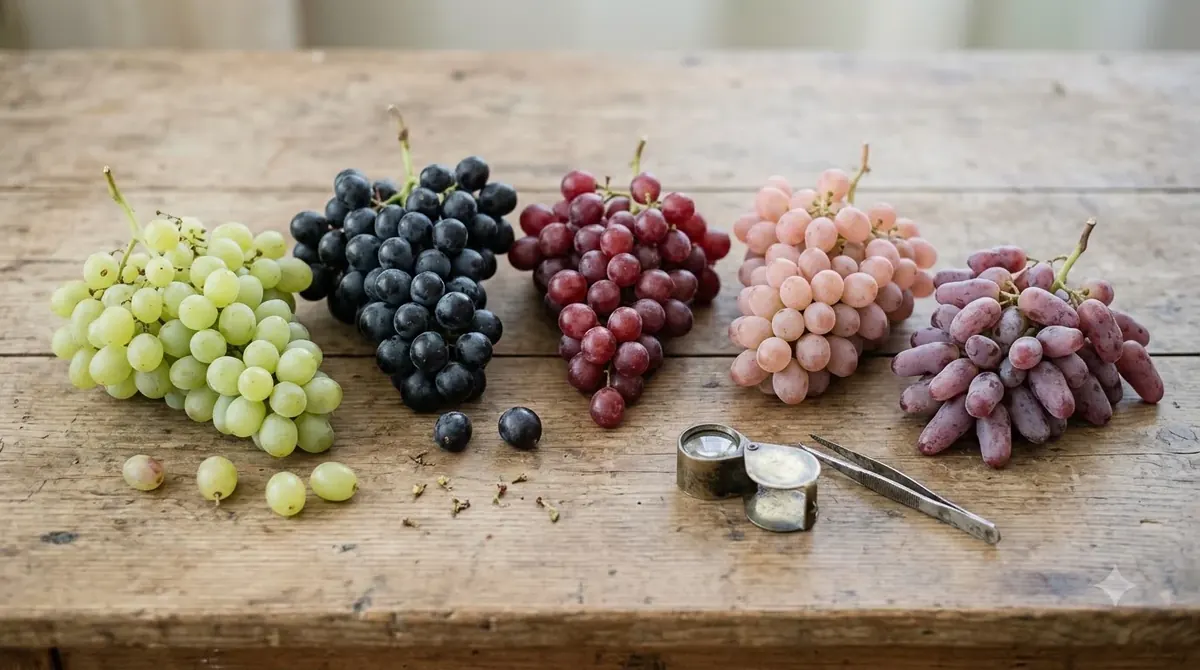
The table below summarises the grape varieties the Wikipedia entry lists for Montana. Use it as a guide to what you might see on a shelf or a tasting menu, then confirm the variety and origin on the label.
| Variety | Colour | General style | Good with |
|---|---|---|---|
| Pinot Gris | White | Light to medium body, fresh acidity | Light seafood, salads, soft cheeses |
| Chardonnay | White | Made in many styles, from crisp to richer | Roast poultry, creamy pasta |
| Gewurztraminer | White | Aromatic, often with floral and spice notes | Spicy dishes, pork, mild cheeses |
| Merlot | Red | Softer tannins, plum and cherry character | Roast meats, tomato-based dishes |
| Maréchal Foch | Red | A cold-hardy red, usually made dry and fruity | Burgers, grilled sausages, hearty stews |
Cold-Hardy Grapes and Why They Matter
Grapes that survive harsh winters are central to any northern wine region. Maréchal Foch is the clearest example in the Wikipedia list, and it belongs to a group of hybrid reds bred to cope with low temperatures. Its wines are usually fruity and direct, which suits casual dinners more than long ageing.
The other varieties on the list are more familiar to most buyers. Pinot Gris and Gewurztraminer are aromatic whites that can handle cool conditions, and Chardonnay is grown across many cool regions because it adapts to different sites. Merlot is a classic red variety, and in a northern climate it tends to show softer fruit and gentler tannins than in warmer areas.
The practical lesson for a buyer is that a Montana wine is often best judged by its freshness and balance rather than by a long list of tasting notes. Look for clean fruit, a crisp finish and a producer who explains the vintage and growing conditions on the bottle or in the tasting room.
Mountain Terroir and Growing Conditions
The Wikipedia entry describes Montana’s terroir as mountainous, and that description points to the main challenges for any grower. Elevation, sharp day-to-night temperature changes and short autumns all shape the grapes that ripen, and sites with good air drainage are valuable because cold air can settle in low spots and increase frost risk.
A mountain site can also add freshness to a wine. Cooler nights slow ripening and help grapes keep their acidity, which is one reason northern whites often taste crisp. Red wines from cold sites may be lighter in colour and body than wines from a warm valley, so it helps to expect a more delicate style when you open a bottle.
For a broader view of how cold climates shape wine, the Montana wine entry on Wikipedia gives a short overview of the state’s wine production and its grape list, although the article is brief and should be read alongside the producer’s own material.
Where Montana Wine Fits in American Wine
Montana does not have a recognised American Viticultural Area, which means its wines are not sold under a state-level appellation in the way that a Napa or Willamette label would be. The Wikipedia article states that there are no AVAs in Montana, so a label is more likely to name the producer, the variety and a broader origin such as a state or multi-state region.
This makes Montana wine a niche category. Buyers who want a regional story may need to look beyond the bottle, to producer websites, tasting notes and local retailers. A good first step is to choose a producer that clearly states where its grapes were grown and what it made from them.
Tip: If a label names a multi-state origin, that usually means the grapes came from several growing areas. Read the fine print on the back for the exact origin and any added fruit.
How to Choose a Montana Bottle
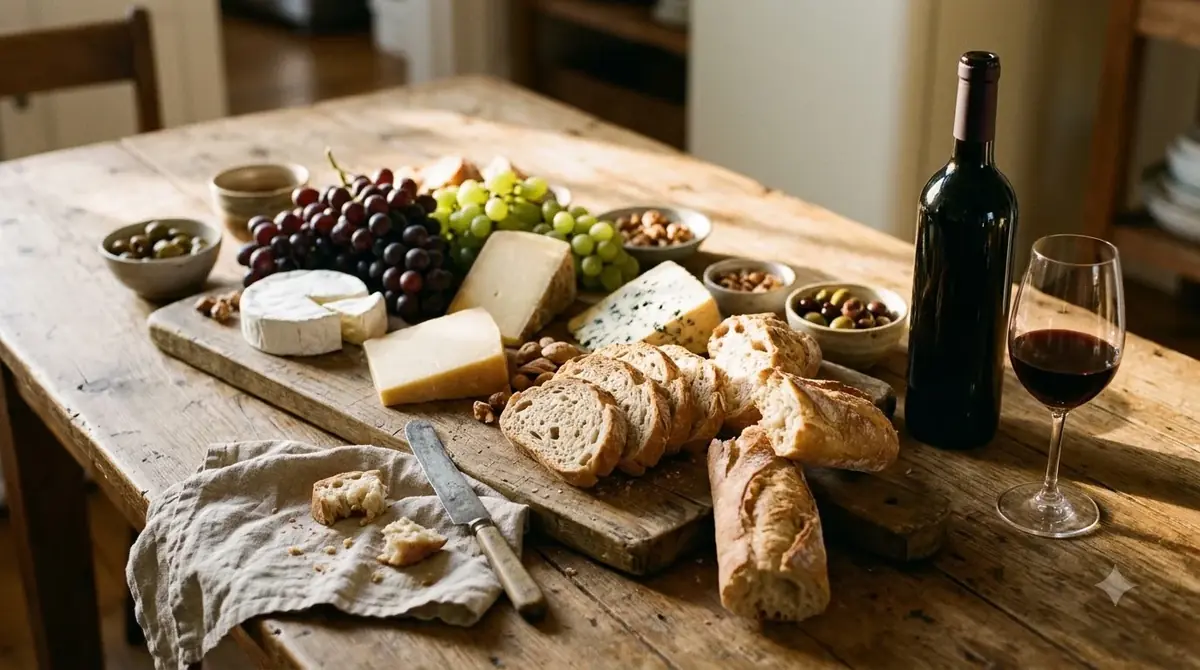
Start with the style you enjoy. A Pinot Gris or Chardonnay suits lighter meals, while a Gewurztraminer works well with spicy food. For reds, Maréchal Foch is a hearty choice for grilled meats, and Merlot is a softer option for roast dishes. If you are trying a new producer, pick a dry, medium-priced bottle first so you can judge the style without a large commitment.
Check the vintage and the origin statement. A recent vintage will show the producer’s current style, and a clear origin line tells you whether the grapes were grown in Montana or elsewhere. Those two details are more useful than generic praise on the label, and they help you compare bottles across years.
Serve whites chilled but not ice cold, and serve Maréchal Foch and Merlot slightly cool, around cellar temperature. A short rest in the glass helps the aromas open, and a simple meal with fresh ingredients usually shows the wine’s balance best.
Frequently Asked Questions
Does Montana have its own wine appellation?
The Wikipedia article states that there are no American Viticultural Areas in Montana. Labels may name a producer, a variety and a broader origin, so read the back label to see where the grapes came from.
Which grapes are most often listed for Montana wine?
The Wikipedia infobox lists Pinot Gris, Chardonnay, Gewurztraminer, Merlot and Maréchal Foch. These cover both whites and reds, and they reflect the state’s cold climate.
Is all Montana wine made from Montana grapes?
No. The Wikipedia entry notes that many wines sold with a Montana connection are made from other fruits or from grapes grown in California, Oregon or Washington. Check the label for the exact origin.
What kind of Montana wine should a beginner try?
A dry white such as Pinot Gris is a good starting point. It is fresh, flexible with food and easy to compare with other whites you know.
Montana wine is a small and distinctive category, and its cold climate gives the state’s bottles a fresh, direct character. For more context on how regions present their producers, read our wine regions guide or the Illinois wine trail article to compare how other areas outside the major producing states organise their wines.
More in Wine Regions
 Willcox Wine Trail: Discover Arizona’s High-Elevation Wine CountryUpdated Nov 20, 2026
 Yakima Valley Wine Region: Find the Best Styles to TryUpdated Nov 20, 2026
 Vosne Romanee Wine Tasting: Identify Aromas and Choose Better PairingsUpdated Nov 20, 2026
 Yakima Valley Wine Festival: Find the Best Seasonal Wine EventsUpdated Nov 20, 2026
 Wales Vineyards: Discover Cool-Climate Wines and Where to VisitUpdated Nov 20, 2026
 Yountville Wine Festival: Discover Napa Wines and Local FoodUpdated Nov 20, 2026