

We may earn a commission when you buy through links on this page, at no extra cost to you. Learn more.
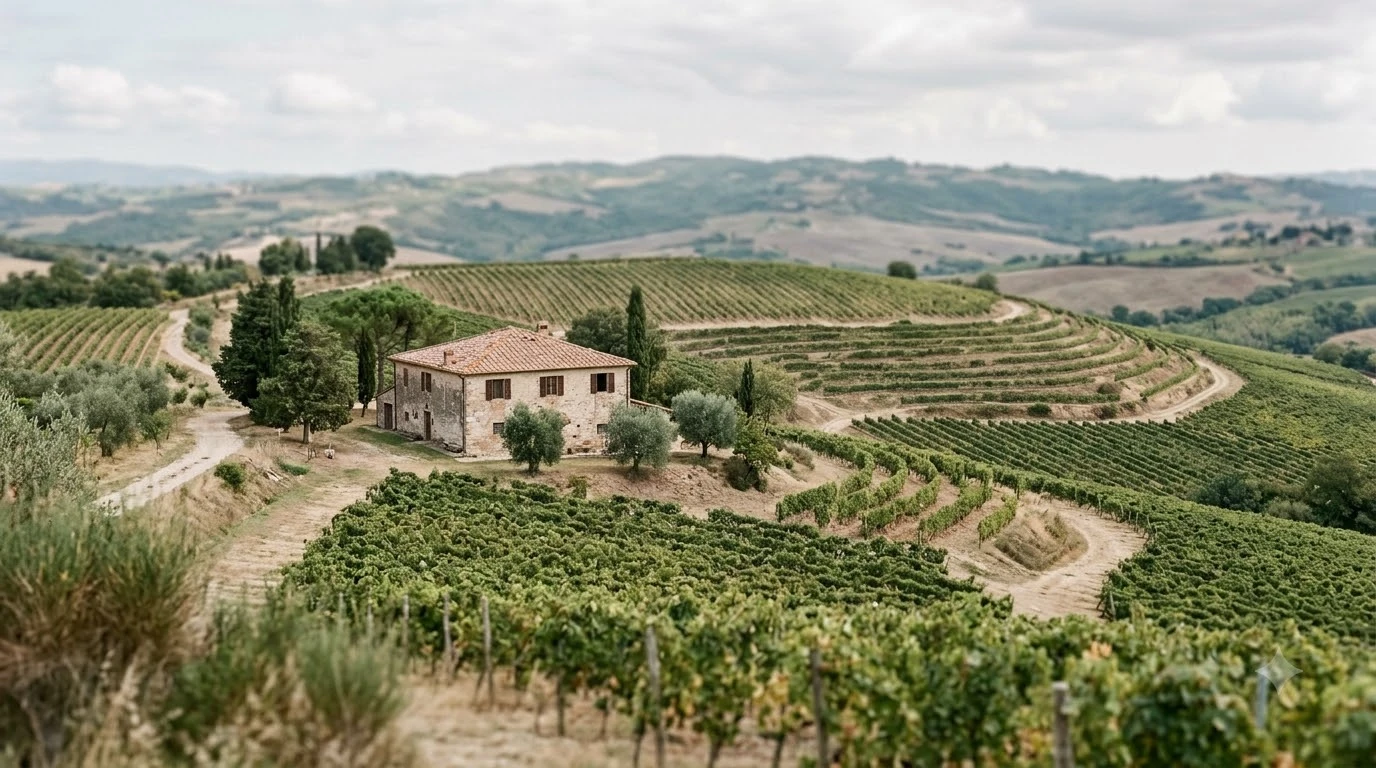
The Moldova wine region is a southeastern European wine-producing area divided into three protected geographical indication (PGI) regions: Codru, Ștefan Vodă, and Valul lui Traian, each producing distinctive wines from indigenous and international grapes. Located between Romania and Ukraine, Moldova combines a continental climate, fertile soils, rolling hills, and a long winemaking tradition. Its wines range from crisp, aromatic whites and sparkling wines to structured reds, traditional sweet wines, and oak-aged spirits. Understanding the differences between its three regions makes it easier to choose bottles that match your preferences.
Moldova deserves attention from wine drinkers interested in European regions beyond the familiar names of France, Italy, and Spain. Its identity comes from the combination of local varieties such as Fetească Albă, Fetească Neagră, and Rară Neagră with internationally recognized grapes such as Cabernet Sauvignon, Merlot, and Chardonnay. The country’s wine culture also includes extensive underground cellars, historic vineyards, and a growing emphasis on geographical origin. Here is how its wine regions, grapes, and styles fit together.
Where Moldova’s Vineyards Are Located and How Its Wine System Works
Moldova’s vineyards occupy a landscape of rolling hills, river valleys, plains, and fertile agricultural land. Its three principal wine-producing PGIs identify geographically defined areas whose climates, soils, and grape-growing conditions influence the character of their wines.
The Republic of Moldova lies in southeastern Europe, bordered by Romania to the west and Ukraine to the north, east, and south. Its position near the Black Sea contributes to a continental climate with warm summers, relatively cold winters, and regional differences in temperature and rainfall. The country’s landscape generally consists of low hills and valleys rather than dramatic mountain vineyards. This allows different grape varieties to thrive according to local exposure, elevation, and soil conditions.
The official geographical indication framework recognizes Codru in central Moldova, Ștefan Vodă in the southeast, and Valul lui Traian in the southwest. The National Office for Vine and Wine, commonly abbreviated as ONVV, identifies these three areas as the country’s wine-producing PGIs. A fourth designation, Divin, applies to wine distillates throughout Moldova rather than to a separate vineyard region. The framework was introduced in 2013 using a system modeled on European protected geographical indications.
According to the regional information published by Doina Vin, PGI-certified vineyards covered 7,843.3 hectares in 2024, with 73 certified producers. Those figures describe the certified geographical indication segment rather than Moldova’s entire vineyard area. The distinction matters because not every vineyard or bottle of Moldovan wine necessarily carries a regional PGI designation. The Moldova wine regions overview provides additional detail about the three wine PGIs and the separate Divin designation.
For American consumers, PGI is useful terminology to recognize. It connects a wine with an established geographical production area, although it does not mean that every bottle from that area will taste identical. Producer decisions, grape selection, harvest conditions, fermentation, and aging all influence the finished wine. Readers interested in comparing European regional classifications can also explore the Wine Regions overview.
Tip: Look for the regional designation Codru, Ștefan Vodă, or Valul lui Traian when comparing bottles. It provides a useful starting point for understanding the wine’s geographical identity before considering its grape variety and producer.
Codru: Central Moldova’s White Wines and Sparkling Wine Tradition
Codru is the coolest of Moldova’s three principal wine regions and is especially important for aromatic white wines and sparkling wine production. Its wooded hills, river valleys, and moderate growing conditions favor grapes that benefit from freshness and balanced acidity.
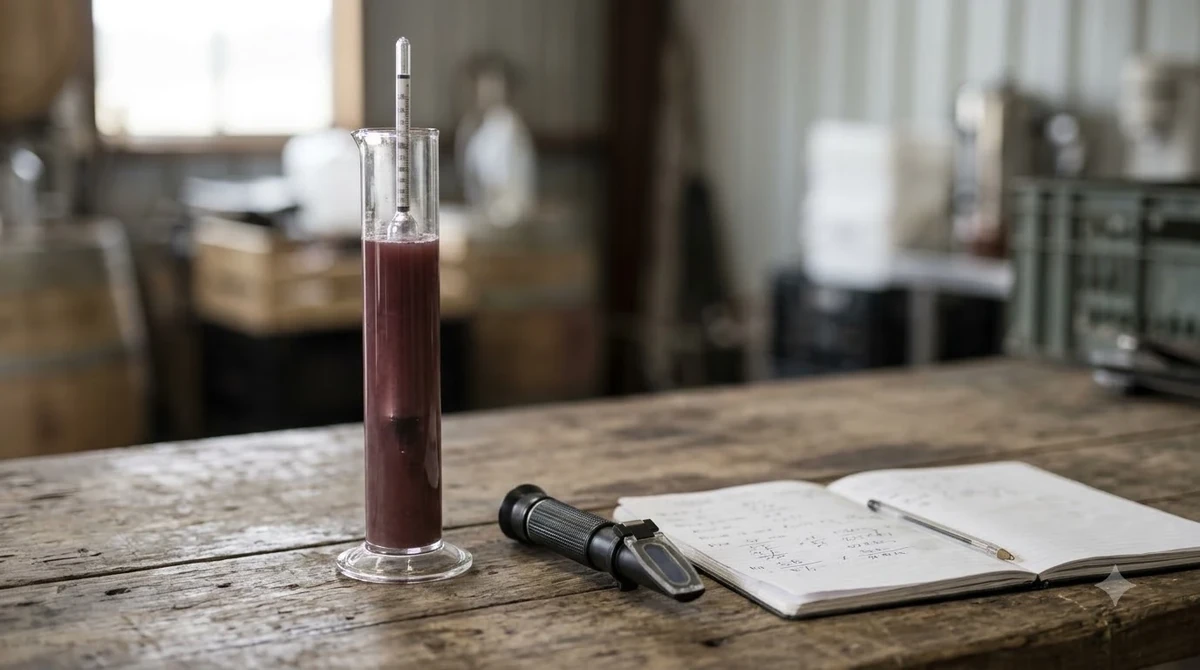
Located in central Moldova, Codru includes vineyard landscapes characterized by forested slopes and fertile agricultural land. According to the regional information published by Doina Vin, vineyards generally sit between 100 and 150 meters above sea level. Grey forest soils and chernozem contribute to the region’s agricultural character, while oak and linden forests cover approximately one-quarter of the landscape described in the regional guide.
Its cooler conditions make Codru particularly suitable for white varieties. Fetească Albă is one of the most interesting local grapes to seek out. It can produce fresh, delicate wines with floral and orchard-fruit characteristics. Muscat Ottonel brings a more aromatic profile, often suggesting flowers, citrus, and ripe fruit. Sauvignon Blanc offers recognizable citrus and herbaceous notes, while Chardonnay provides a familiar reference point for drinkers accustomed to international white wines.
Codru is also associated with sparkling wine base production. The freshness of its white grapes provides useful acidity for wines intended for secondary fermentation. Depending on the producer and method, sparkling examples can range from straightforward, refreshing styles to more developed bottles with additional texture and complexity.
Two particularly recognizable names associated with Codru are Cricova and Mileștii Mici. Both are known for extensive underground wine cellars, which have become major attractions for visitors. The cool subterranean environment provides relatively stable storage conditions, making these cellars important parts of Moldova’s wine heritage.
When choosing a Codru wine, consider what you want from the glass. Fetească Albă is a worthwhile starting point for someone interested in indigenous grapes, while Sauvignon Blanc makes an approachable option for drinkers who prefer fresh, aromatic whites. Chardonnay provides a familiar comparison, and sparkling wines offer another way to experience the region’s emphasis on freshness.
Ștefan Vodă: Southeastern Vineyards and Distinctive Red Grapes
Ștefan Vodă is Moldova’s southeastern wine region, known particularly for red varieties and its connection with the indigenous Rară Neagră grape. Its vineyards follow the Dniester River terraces and surrounding plains, where Black Sea influences contribute to a moderate continental climate.
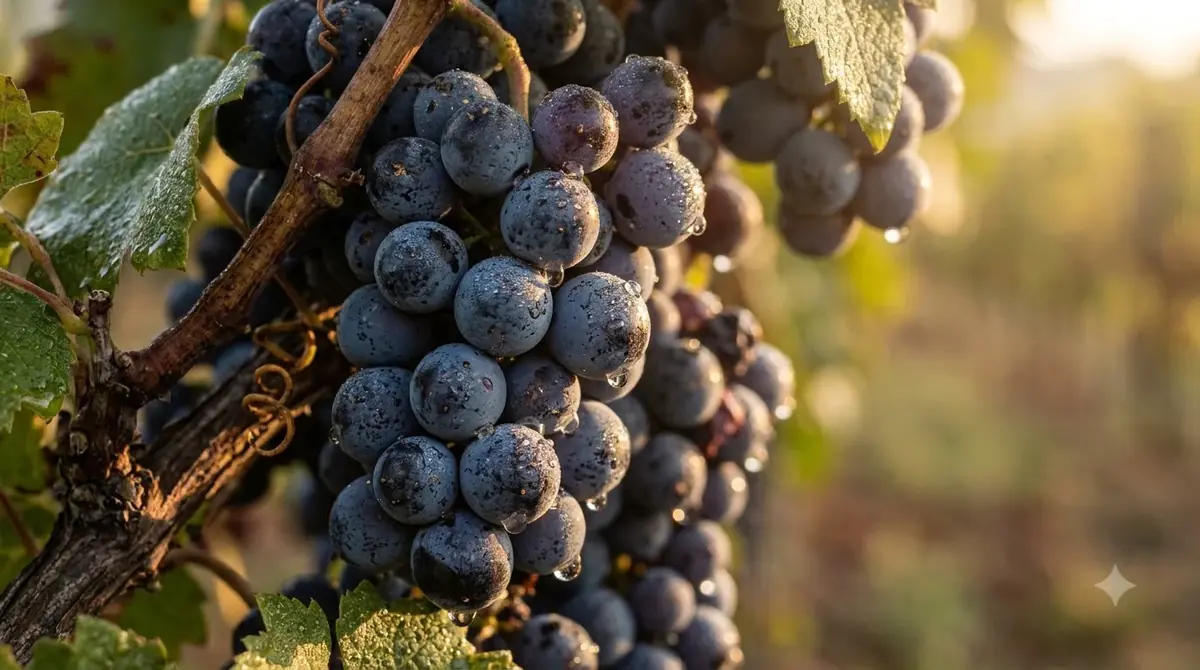
The region has an average vineyard altitude of approximately 120 meters. According to the regional information published by Doina Vin, annual rainfall typically ranges from 450 to 550 millimeters. Its soils include podzolized and carbonated chernozems, sometimes mixed with clay. These conditions support several red varieties while allowing producers to work with selected white grapes as well.
Rară Neagră is the variety that deserves particular attention. The grape is indigenous to the region and is also known as Băbească Neagră in eastern Romania. It offers an opportunity to explore Moldova’s wine identity beyond internationally familiar grapes. Depending on the producer and winemaking choices, wines can show red cherry, raspberry, floral notes, and gentle spice, with differences in body and structure.
Rară Neagră also appears in Negru de Purcari, one of Moldova’s recognized red wine blends. Its association with the southeastern region makes it an especially interesting grape for anyone studying the country’s local wine traditions.
Other varieties grown successfully in Ștefan Vodă include Merlot, Fetească Neagră, Saperavi, Pinot Noir, Pinot Gris, and Chardonnay. This mixture gives the region a broad range of possible styles. Merlot can provide softer, rounded fruit, while Fetească Neagră often produces darker-fruited reds with more substantial structure. Saperavi offers another route toward deeply colored, concentrated red wine.
Research also provides useful insight into regional differences. A 2024 study published through the Technical University of Moldova examined Fetească Neagră from the country’s three PGI regions. Its 2022 vintage samples from Ștefan Vodă recorded the highest ethanol content among the three regional samples, at 14.0% ABV, and showed a distinctive sensory profile. This is a research result for those particular samples, not a fixed alcohol level for every wine from the region.
For wine drinkers, Ștefan Vodă is a strong starting point for discovering Moldovan reds. Try Rară Neagră if you want a local variety, Fetească Neagră if you enjoy more substantial red wines, or Merlot if you prefer a familiar international grape with a softer tannin profile.
Valul lui Traian: Warm Southwestern Vineyards and Full-Bodied Reds
Valul lui Traian is the warmest and driest of Moldova’s three principal wine regions, making it especially important for concentrated red wines. It also produces full-flavored whites and sweet fortified wines, giving it a broader range of styles than its reputation for red wine might suggest.
The region occupies southwestern Moldova and takes its name from the remains of fortified earthworks associated with the Roman emperor Trajan. Its vineyard landscape includes three principal subzones: the Tigheci Hills, the Bugeac Plain, and the Prut Terraces. These areas differ in landscape and growing conditions, contributing to variation among local wines.
Valul lui Traian can reach elevations of up to 310 meters, making it the highest of the three principal regions in the geographical description published by Doina Vin. Its climate features warm, dry summers and relatively mild winters influenced by the Black Sea. The soils include leached and carbonated chernozems, with sand and clay in some locations.
Red wines account for approximately 60% of production in Valul lui Traian, according to the regional guide. Cabernet Sauvignon and Merlot are important international varieties to recognize, while Fetească Neagră and other grapes contribute to the region’s distinctive identity. Warm growing conditions can encourage ripe fruit expression and fuller-bodied styles, although individual wines depend on the vineyard and winemaking approach.
A 2024 study of Fetească Neagră samples from Moldova identified particularly strong berry, cherry, violet, and black pepper descriptors in its Valul lui Traian samples. These observations offer an interesting example of how regional growing conditions can influence the sensory character of a wine made from the same grape variety.
The region is not limited to dry red wines. Its production also includes sweet fortified wines and full-flavored white wines. This makes it an interesting choice for people who enjoy exploring different styles from a single geographical area. A Cabernet Sauvignon-based wine is a useful introduction for drinkers familiar with Bordeaux-style reds, while a local grape or fortified wine provides a more distinctly Moldovan experience.
Indigenous Moldovan Grapes and International Varieties to Know
Moldova’s grape identity combines native varieties with international and Caucasian grapes. Understanding the most important names helps distinguish traditional local styles from wines that use familiar varieties such as Chardonnay, Cabernet Sauvignon, and Merlot.
Several indigenous grapes are particularly relevant to the country’s modern wine identity. Fetească Albă is a white variety associated with fresh, aromatic wines. Depending on the producer, its profile may include apple, pear, citrus, and floral notes. It is a natural choice for someone who enjoys lighter European white wines with lively acidity.
Fetească Neagră is one of Moldova’s important indigenous red grapes. It can produce wines with dark cherry, plum, blackberry, spice, and herbal characteristics. Its structure varies according to growing conditions and winemaking, but it is often a useful choice for drinkers who enjoy medium- to full-bodied reds. Its ability to express regional differences is also reflected in the 2024 University of Technology of Moldova study.
Rară Neagră is another important local red variety. Compared with more powerful Cabernet Sauvignon styles, it can offer a more approachable profile with red fruit and softer structural elements. It is particularly associated with Ștefan Vodă and provides a valuable introduction to Moldova’s indigenous grapes.
International varieties remain important throughout the country. Sauvignon Blanc and Chardonnay provide familiar white wine styles, while Cabernet Sauvignon and Merlot offer established red wine references. Pinot Noir appears in the southeastern region, and Saperavi contributes a connection with Caucasian winemaking traditions.
The following table summarizes several important varieties and their typical wine styles. These are general tasting expectations rather than guarantees for every bottle.
| Grape variety | Color | Typical character | Useful regional connection |
|---|---|---|---|
| Fetească Albă | White | Fresh, floral, orchard fruit | Codru |
| Muscat Ottonel | White | Aromatic, floral, fruity | Codru |
| Sauvignon Blanc | White | Citrus, herbs, lively acidity | Codru |
| Chardonnay | White | Apple, citrus, possible oak | Codru and Ștefan Vodă |
| Rară Neagră | Red | Red berries, cherry, gentle spice | Ștefan Vodă |
| Fetească Neagră | Red | Dark fruit, plum, spice | All three PGI regions |
| Merlot | Red | Plum, red fruit, softer tannins | Ștefan Vodă and Valul lui Traian |
| Cabernet Sauvignon | Red | Blackcurrant, dark fruit, firm tannins | Valul lui Traian |
| Saperavi | Red | Dark fruit, color, substantial structure | Ștefan Vodă |
One useful way to explore these varieties is to compare the same grape across different producers or regions. Fetească Neagră is particularly interesting for this purpose because research has identified sensory differences among the three PGI areas. For international drinkers, starting with Sauvignon Blanc, Merlot, or Cabernet Sauvignon and then moving to local varieties can make unfamiliar Moldovan wines easier to understand.
Wine Styles, Winemaking Traditions, and What to Expect in the Glass
Moldova produces a broad range of wine styles, including still whites, structured reds, rosé, sparkling wine, and sweet fortified wines. Its regional geography helps explain why no single flavor profile represents the entire country.
White wines from Codru are a sensible starting point for drinkers who enjoy fresh, aromatic wines. Fetească Albă and Sauvignon Blanc can offer citrus, orchard fruit, and herbal notes, while Muscat Ottonel provides a more expressive aromatic style. Chardonnay gives producers room to make wines ranging from crisp and lightly handled examples to fuller styles with fermentation or aging in oak.
Red wines are particularly important in Ștefan Vodă and Valul lui Traian. The former is associated with Rară Neagră and blends that can combine local and international varieties. The latter’s warmer conditions favor ripe red grapes and more concentrated styles. Cabernet Sauvignon can deliver firm tannins and dark fruit, while Merlot generally provides softer structure. Fetească Neagră offers an opportunity to explore a variety with a closer connection to Moldova’s regional identity.
Sparkling wine is another significant part of the country’s production. Codru’s white grape varieties can provide the freshness needed for sparkling wine base production. As with other European sparkling wine regions, the production method matters. Some wines use tank fermentation, while others use a second fermentation in the bottle, producing different textures and aromas.
Sweet fortified wines are also part of the Moldovan tradition, particularly in Valul lui Traian. These styles can be useful for pairing with desserts or serving as a concluding wine at a meal. The important pairing principle is that the wine should be at least as sweet as the dessert. Otherwise, the wine can taste less expressive beside the food.
Moldova also has a separate identity for its wine distillate, Divin. This designation applies nationwide rather than to one specific vineyard region. According to the regional information published by Doina Vin, Divin is made by double distillation of wine and aged in contact with oak for at least three years. It is therefore closer in category to aged grape brandy than to ordinary still wine.
These different styles make Moldova a worthwhile country to explore through several bottles rather than one. A white wine from Codru, a Rară Neagră from Ștefan Vodă, and a structured red from Valul lui Traian provide three different perspectives on the country’s wine-growing landscape.
How to Choose, Serve, and Pair Moldovan Wines
The best Moldovan wine for a particular meal depends on its grape, body, acidity, sweetness, and tannin level. Matching those characteristics with food is more useful than relying on the region’s name alone.
For a fresh white from Codru, consider grilled fish, shellfish, salads, fresh cheese, and vegetable dishes. Sauvignon Blanc works particularly well with foods containing herbs and citrus because its acidity can complement bright flavors. Fetească Albă is a good choice for lighter dishes, while Chardonnay can suit richer poultry preparations, roasted vegetables, and creamy sauces.
Rară Neagră offers flexibility with food because many examples have a less forceful tannin profile than powerful Cabernet Sauvignon wines. Try it with roast chicken, pork, grilled vegetables, mushrooms, or dishes featuring tomato-based sauces. Merlot can also work well with roasted meats and softer cheeses, particularly when the dish has enough richness to balance the wine’s fruit and structure.
Fetească Neagră and Cabernet Sauvignon are useful choices for heartier meals. Pair them with grilled beef, lamb, roasted mushrooms, or dishes containing savory herbs. Salt and fat can soften the perception of tannins, making structured red wines more harmonious with rich food. Avoid pairing strongly tannic reds with oily fish, where the combination can create an unpleasant metallic impression.
Spicy dishes require additional care. Alcohol and tannin can amplify chili heat, so a high-alcohol, heavily structured red is often a difficult match for very spicy food. An aromatic white or a wine with some residual sweetness is usually a more comfortable choice.
Serving temperatures and practical tasting tips
Temperature can change how a wine smells and feels. Overly cold white wine may conceal its aromas, while warm red wine can emphasize alcohol and make its structure seem heavier. Use these standard temperature ranges as a starting point:
- Sparkling wine: 40–50°F.
- Light white wines and rosé: 45–50°F.
- Full-bodied white wines: 50–55°F.
- Light-bodied red wines: 55–60°F.
- Full-bodied red wines: 60–65°F.
- Sweet white wines: 43–50°F.
Serve wine in approximately 5-ounce pours. A standard 750-milliliter bottle provides about five such glasses, making it a practical size for a small tasting of two or three Moldovan varieties.
Young, full-bodied red wines may benefit from 30–60 minutes of decanting, particularly if they have firm tannins. Lighter Rară Neagră examples may need less aeration. Once opened, store still wine in the refrigerator and aim to drink it within three to five days. Keep unopened bottles on their sides in a cool storage area near 55°F when appropriate for their closure and bottle design.
For a simple comparison tasting, pour one white and two reds. Begin with Fetească Albă, continue with Rară Neagră, and finish with Fetească Neagră. Notice the differences in acidity, fruit character, body, and tannin. This approach makes it easier to recognize what distinguishes local varieties from more familiar international grapes.
Wine Tourism, Historic Cellars, and Exploring Moldova
Moldova’s wine culture is closely connected with its cellar architecture, vineyard landscapes, and food traditions. Visitors can explore underground wine galleries, meet producers, and experience the differences between the country’s three principal wine-growing regions.
Cricova is one of the best-known wine destinations in Codru. Its underground galleries are a major part of Moldova’s wine heritage and provide an opportunity to learn about wine storage and production. The cellar environment also illustrates why underground facilities have played such an important role in the country’s winemaking history.
Mileștii Mici is another prominent underground wine destination. The National Office for Vine and Wine highlights the site as a major attraction, including its extensive wine collection. Its galleries have become a recognizable part of Moldova’s international wine identity.
Beyond these famous destinations, visitors interested in regional wines can explore producers in Ștefan Vodă and Valul lui Traian. The southeastern area is a natural choice for those who want to discover Rară Neagră and other red varieties. Southwestern Moldova provides a different experience, with warmer vineyard conditions and a strong emphasis on red wines and sweet fortified styles.
Chișinău provides a practical starting point for a wine-focused visit. From the capital, travelers can organize winery visits, explore local restaurants, and learn about the country’s wine classifications. It is sensible to arrange cellar tours in advance, especially when a visit involves a guided underground experience or a tasting of particular wines.
National Wine Day is another event to consider when planning a trip. According to Wine of Moldova, the celebration takes place on the first weekend of October and brings together wine producers and visitors. The official guide to visiting Moldova’s wine regions provides further information about Codru, Ștefan Vodă, Valul lui Traian, and winery tourism.
For visitors comparing Moldova with other European destinations, the country offers a different experience from mountain-focused areas such as the Savoie wine region or the Switzerland wine region. Moldova’s lower vineyard elevations, extensive cellar culture, and indigenous grapes provide a distinctive perspective on European wine production.
Frequently Asked Questions
Is Moldova considered an Old World wine country?
Yes. Moldova is part of Europe’s historic winemaking tradition, with archaeological evidence and cultural accounts connecting the area with ancient grape cultivation. Its modern wine industry combines traditional local varieties with contemporary vineyard management and international winemaking techniques.
What does the name Fetească mean in Moldovan wine terminology?
Fetească is a Romanian-language grape naming term associated with several varieties, including Fetească Albă, Fetească Regală, and Fetească Neagră. These are distinct grape varieties rather than different color versions of one identical grape. Their individual growing characteristics and wine styles make the specific name important when choosing a bottle.
Is Rară Neagră the same grape as Băbească Neagră?
Rară Neagră is known as Băbească Neagră in eastern Romania. The different regional names reflect its presence on both sides of the Moldova–Romania wine landscape. It is especially significant in discussions of southeastern Moldovan wine and the identity of Ștefan Vodă.
Does Moldova produce traditional-method sparkling wine?
Yes. Moldova produces sparkling wines, including examples made using bottle fermentation. In this method, the second fermentation takes place inside the bottle, creating the carbon dioxide responsible for the bubbles. This differs from tank-method production, where the second fermentation takes place in a pressurized tank.
What does the Divin designation mean on a Moldovan bottle?
Divin identifies a Moldovan wine distillate rather than a still wine or sparkling wine. It is produced through double distillation and aged in oak for at least three years. Its color can range from pale gold to amber, depending on its aging and production characteristics.
The Moldova wine region offers much more than a single national style: Codru provides fresh whites and sparkling wine foundations, Ștefan Vodă highlights indigenous red grapes, and Valul lui Traian delivers warm-climate reds and sweet fortified wines. Start with one local grape and one international variety, then compare wines from different PGIs to understand the country’s geographical diversity. Exploring these three regions is an excellent way to discover one of southeastern Europe’s distinctive wine traditions.
More in Wine Regions
 Willcox Wine Trail: Discover Arizona’s High-Elevation Wine CountryUpdated Nov 20, 2026
 Yakima Valley Wine Region: Find the Best Styles to TryUpdated Nov 20, 2026
 Vosne Romanee Wine Tasting: Identify Aromas and Choose Better PairingsUpdated Nov 20, 2026
 Yakima Valley Wine Festival: Find the Best Seasonal Wine EventsUpdated Nov 20, 2026
 Wales Vineyards: Discover Cool-Climate Wines and Where to VisitUpdated Nov 20, 2026
 Yountville Wine Festival: Discover Napa Wines and Local FoodUpdated Nov 20, 2026