

We may earn a commission when you buy through links on this page, at no extra cost to you. Learn more.
The term “moldova vineyards” covers the country’s three protected wine-growing regions: Codru, Ștefan Vodă, and Valul lui Traian. Their vineyards run from central hills and river valleys to warmer southern plains, producing crisp whites, sparkling wines, rosés, and structured reds. Divin is a separate protected indication for aged wine distillate made across the country, not a fourth wine-growing region.
Between Romania and Ukraine, Moldova has a long winemaking history and a compact map with meaningful differences from one district to the next. Understanding the three wine PGIs, the local grape names, and the wineries associated with each region makes it easier to choose bottles and plan a visit.
A Continental Wine Landscape Between Two Rivers
Moldova’s vineyard country sits in southeastern Europe between the Prut River on the Romanian side and the Dniester, also called the Nistru, toward Ukraine. The country is landlocked, but southern vineyards receive Black Sea influences, while central districts include hills, ravines, and wooded slopes.
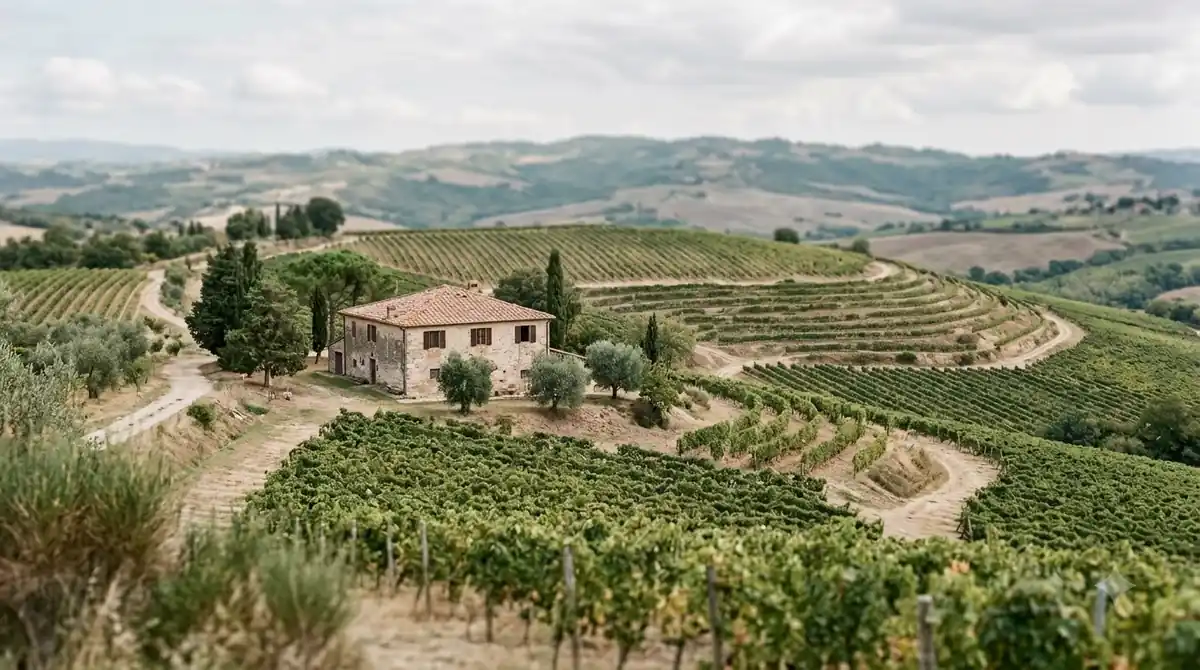
Winemaking here is not a recent experiment. Wine Enthusiast describes archaeological evidence for approximately 5,000 years of wine production in the territory, and identifies more than 30 grape varieties grown in the country. That history is visible in the mix of local grapes and international varieties such as Chardonnay, Sauvignon Blanc, Cabernet Sauvignon, and Merlot.
The landscape is generally continental, with warm summers and relatively limited rainfall in important vineyard areas. Regional profiles from the national wine office commonly describe 310 to 320 sunny days a year in the main PGIs, alongside average annual rainfall of 450 to 550 millimeters. These are regional averages, not forecasts for every hillside or vintage; slope, soil, and seasonal weather still shape the fruit.
Moldova’s inland warmth and continental seasonality differ from the maritime conditions described in our overview of Tasmania vineyards, but both illustrate how topography and climate distinguish nearby growing sites.
Three Wine PGIs and the Divin Distinction
Moldova’s wine-growing map is organized around three PGIs: Codru in the center, Ștefan Vodă in the southeast, and Valul lui Traian in the south. The national wine office also lists Divin, but that indication applies to aged wine distillate and extends across the country rather than defining a fourth wine-growing zone.
PGI means Protected Geographical Indication: a defined area and set of production rules that connect a wine to its origin, at a broader level than a single vineyard. Moldova’s three wine PGIs are protected in both Moldova and the European Union; the official Wine of Moldova regional overview outlines the designations.
The official profiles provide this comparison of basic growing conditions. Altitude ranges are regional headline figures, not the elevation of every vineyard.
| Wine PGI | Published altitude range | Sunny days per year | Average annual rainfall |
|---|---|---|---|
| Codru | 150–400 m | 310–320 | 450–550 mm |
| Ștefan Vodă | 120–190 m | 310–320 | 450–550 mm |
| Valul lui Traian | 5–311 m | 310–320 | 450–550 mm |
Wine of Moldova publishes these figures for all three PGIs. Their overlap shows why climate numbers alone cannot define a regional style: soil, river proximity, aspect, forest cover, grape selection, and cellar choices matter too.
On a label, Codru, Ștefan Vodă, or Valul lui Traian identifies a wine PGI; Divin identifies oak-aged grape distillate, matured for at least three years according to the national tourism information. Our overview of Wine Regions explains why geographical categories differ between countries.
Codru: Central Hills, White Wines, and Sparkling Cellars
Codru is the central wine region and a strong starting point for visitors interested in white wine, traditional-method cellars, and major wine tourism sites. Its headline altitude range is 150 to 400 meters, and white-grape plantings account for about 63 percent of its PGI vineyard area, according to the regional profile.
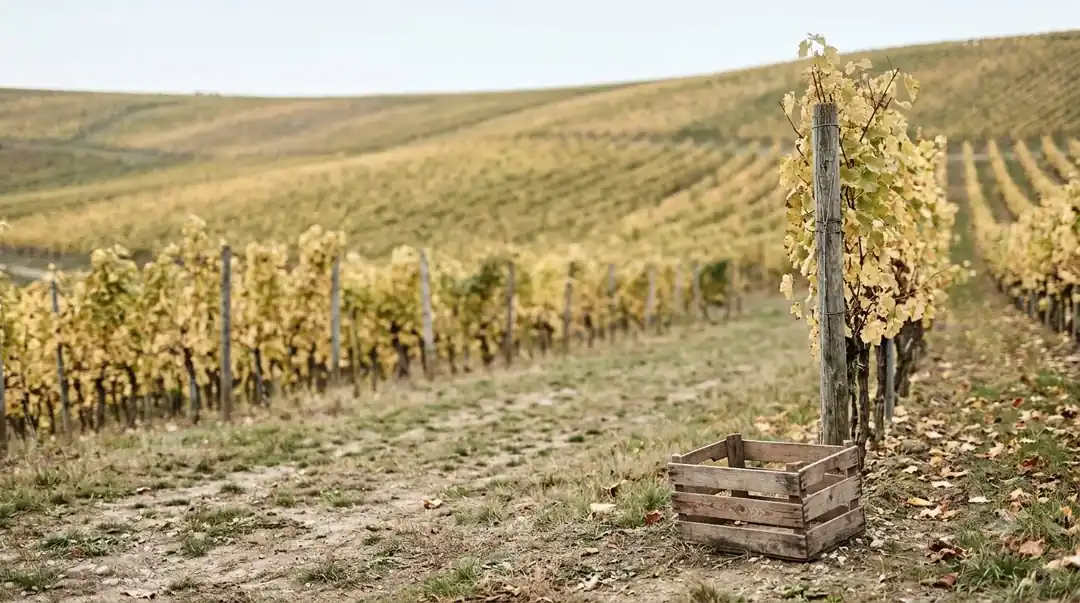
Valleys, ravines, ridges, and slopes shape the region, while the Prut and Dniester river systems cross the wider area. The official profile says chernozem, or black soil, covers about 62 percent of Codru; brown and gray soils are also present.
Chardonnay, Sauvignon Blanc, Rhein Riesling, Cabernet Sauvignon, and Merlot are among Codru’s leading varieties. The national wine office describes the whites as fresh, floral, fruity, and mineral; sparkling wines range from straw to gold, pink, or ruby, while reds can suggest cherry, raspberry, blackberry, and spice.
Several major cellar destinations are in Codru: Cricova and Mileștii Mici are known for extensive underground galleries, while Castel Mimi, Château Vartely, and Asconi are other regional names. The cellars offer a different perspective from a vineyard walk, showing the importance of storage and maturation in Moldovan wine culture.
Codru works well for a Chișinău-based itinerary. A tasting flight of dry Fetească Albă, sparkling wine, and a Cabernet- or Merlot-based red gives a quick view of its range.
Ștefan Vodă: Southeastern Vineyards and Structured Reds
Ștefan Vodă lies in southeastern Moldova near the Dniester and is particularly associated with red wines. Its PGI covers about 10,000 hectares of wine-growing territory and includes the districts of Ștefan Vodă, Căușeni, Cimișlia, and Basarabeasca, according to the national wine office.
The area includes the Botna River Meadow, Nistru River Terraces, and South Moldova Plain. It sits at a published 120 to 190 meters, with 310 to 320 sunny days and 450 to 550 millimeters of annual rainfall. In the Purcari micro-zone, the official profile notes iron-rich tertiary red minerals.
Black grapes account for about 57 percent of PGI production area. Listed varieties include Cabernet Sauvignon, Merlot, Rara Neagră, Malbec, Pinot Gris, Chardonnay, and Sauvignon Blanc. One recognizable blend joins Cabernet Sauvignon with Saperavi and Rara Neagră, linking international, Georgian, and Moldovan traditions.
Purcari is the best-known winery name here, alongside Et Cetera, Sălcuța, Gogu, and Leuntea-Vin. Compare a red-fruited Rara Neagră bottling with a blend that adds Cabernet Sauvignon or Saperavi to see how site, ripeness, oak, and blending alter the grape’s expression.
Choose a dry red led by Rara Neagră or a blend that names its grapes. Cabernet Sauvignon usually adds firmer tannin; Rara Neagră can make the texture lighter. Serve lighter reds at 55 to 60 F and fuller blends at 60 to 65 F.
Valul lui Traian: Southern Plains, Forests, and Warm-Climate Reds
Valul lui Traian occupies southern and southwestern Moldova, where warmer conditions favor ripe reds as well as aromatic whites, rosés, sparkling wines, and sweet or liqueur styles. The official profile names three sub-regions—the Bugeac Plain, Tigheci Forests, and Prut River Terraces—and reports 43,203 hectares of vineyards across seven districts.
The published altitude range is 5 to 311 meters, with 310 to 320 sunny days and 450 to 550 millimeters of rainfall. Black Sea breezes and the Tigheci Forests moderate the warmth in some places.
Dark-skinned grapes account for about 60 percent of PGI wine area. Cabernet Sauvignon, Merlot, Saperavi, and Fetească Neagră lead among reds; Sauvignon Blanc, Chardonnay, and Muscat Ottonel are important whites. The reds are deeply colored, with ripe fruit and rounded structure, while whites are described as fresh and mineral.
Valul lui Traian also produces more than dry table wines. The Tigheci Forest sub-region is identified as favorable for sparkling wine, while Trifești, Ciumai, and Plopi are noted for liqueur wines with possible dried-fruit, honey, nutmeg, plum, or chocolate notes.
Southern producers include Fautor, Gitana, Kara Gani, Vinia Traian, and Vinăria din Vale. Compare Cabernet Sauvignon or Merlot with Saperavi or Fetească Neagră to see how grape and site affect color, fruit, tannin, and acidity. This differs from Chianti Classico vineyards, where Sangiovese shapes a distinct appellation identity.
Native Grapes and the Styles Worth Seeking Out
Moldova’s most individual bottles often come from grapes with names that may be unfamiliar to shoppers but are central to the country’s wine culture. Fetească Albă, Fetească Regală, Fetească Neagră, and Rara Neagră give a tasting a clear local focus, while international and other Eastern European varieties broaden the range.
Fetească Albă makes delicate, fresh wines with floral, citrus, and green-apple aromas; it can be used for dry, semi-dry, semi-sweet, and sparkling styles. Fetească Regală is usually fuller and more textured, with floral, grapefruit, pear, and citrus notes.
Fetească Neagră is associated with concentrated berries and structure, with cherry, plum, raisin, and spice notes; it can make rosé as well as red wine. Rara Neagră is paler, with lighter tannins and spicy berry character, and has adapted well to sunny southern hills.
Moldova’s official list also includes selection varieties such as Viorica, Legenda, Riton, Alb de Onițcani, and Codrinschi. Chardonnay, Sauvignon Blanc, Cabernet Sauvignon, Merlot, and Pinot Noir provide familiar reference points; Rkatsiteli, Furmint, Traminer, Saperavi, and Aligoté add regional breadth. Wine Enthusiast’s overview of Moldovan wine discusses this mix of local, regional, and international grapes.
For a first tasting flight, choose one local white, one international white, one local red, and one international red. Compare Fetească Albă with Chardonnay, then Rara Neagră with Cabernet Sauvignon; these pairings highlight differences in aroma, body, acidity, and tannin.
How to Taste, Pair, and Visit Moldova’s Wineries
Plan around one region at a time: Codru works well with Chișinău and the underground cellars, while Ștefan Vodă and Valul lui Traian offer southern vineyard visits and red-wine producers.
Book cellar-door visits ahead and confirm the language, tasting format, transportation, and whether a vineyard walk is included. Cricova and Mileștii Mici offer guided underground-gallery experiences, unlike a smaller estate tasting at Purcari, Fautor, or Gitana. Focus on one region per day rather than crossing the country between appointments.
National Wine Day takes place on the first weekend in October, according to the national wine office, and brings together producers, tastings, food, and cultural programming in Chișinău. For a quieter estate visit, contact wineries directly about opening schedules and appointment requirements.
Pair by body, acidity, tannin, and sweetness rather than country. Fetească Albă or Sauvignon Blanc suits freshwater fish, salads, herbs, and fresh cheese; Rara Neagră works with poultry, pork, and mushrooms. Fuller Cabernet Sauvignon and Merlot blends pair with lamb, beef, roasted vegetables, and aged cheese.
Serve sparkling wine at 40 to 50 F, light whites and rosés at 45 to 50 F, fuller whites at 50 to 55 F, light reds at 55 to 60 F, and full reds at 60 to 65 F. A five-ounce pour is a useful tasting measure; allow each wine to warm slightly in the glass.
Tip: For a first Moldova tasting, pour Fetească Albă, Rara Neagră, and a Cabernet Sauvignon blend side by side. Serve the white at 45 to 50 F and the reds at 55 to 65 F according to body, then compare the contrast in acidity, color, tannin, and fruit.
Fresh herbs, grilled vegetables, chicken, pork, and freshwater fish suit whites and lighter reds. Match fuller southern reds with roast meat or grilled dishes rather than delicate seafood. Sweet Valul lui Traian wines need desserts no sweeter than the wine itself; nut pastries and dried fruit can work well.
Frequently Asked Questions
Are Moldova vineyards open to visitors?
Yes, and the range extends from large underground cellar tours to smaller estate appointments. Mileștii Mici is especially notable because the national wine tourism office says it is included in the Guinness Book of Records for the largest wine collection in the world.
What is Moldova’s best-known native red grape?
Rara Neagră is among the country’s signature native red grapes and is closely associated with the Ștefan Vodă area. The name is also used for Băbească Neagră in Romania and Sereksia in some other markets, so a wine list may use different names for related regional plantings.
Is Divin the same as Moldovan wine?
No. Divin is an oak-aged wine distillate made from grapes and matured in oak, rather than a still or sparkling wine. The national wine tourism information describes aromas that can include vanilla, flowers, fruit, chocolate, coconut, and coffee, with color ranging from light gold to amber as the spirit ages.
What is Mileștii Mici known for?
Mileștii Mici is famous for its underground wine cellars and extensive collection. The national wine tourism office notes that the collection appears in the Guinness Book of Records as the largest wine collection in the world, making the site a distinctive stop beyond a conventional tasting room.
Does Moldova produce sparkling wine?
Yes. Codru is particularly associated with white and sparkling wines, and the Tigheci Forest sub-region in Valul lui Traian is also identified as suitable for sparkling production. The Codru PGI profile describes a fine floral bouquet, long streams of bubbles, and abundant foam as hallmarks of its sparkling styles.
Moldova’s vineyards reward exploration because the three wine PGIs offer distinct settings, grapes, and cellar traditions within a relatively small country. Start with Codru for whites and sparkling wines, then compare the red-focused southeast and warmer south to discover how much range the country’s local varieties can offer.
More in Wine Regions
 Willcox Wine Trail: Discover Arizona’s High-Elevation Wine CountryUpdated Nov 20, 2026
 Yakima Valley Wine Region: Find the Best Styles to TryUpdated Nov 20, 2026
 Vosne Romanee Wine Tasting: Identify Aromas and Choose Better PairingsUpdated Nov 20, 2026
 Yakima Valley Wine Festival: Find the Best Seasonal Wine EventsUpdated Nov 20, 2026
 Wales Vineyards: Discover Cool-Climate Wines and Where to VisitUpdated Nov 20, 2026
 Yountville Wine Festival: Discover Napa Wines and Local FoodUpdated Nov 20, 2026