

We may earn a commission when you buy through links on this page, at no extra cost to you. Learn more.
Romania wine comes mainly from native grapes such as Fetească Neagră and Fetească Albă, grown across the country’s eight official main wine regions. Many of these wines are lesser known outside Eastern Europe, yet they offer a clear sense of place. Romania is also one of the largest wine producers in Europe, with a winemaking history that reaches back thousands of years.
This romania wine guide explains which grapes make the country distinctive, where the key regions sit, and how to find and serve these bottles in the United States. If you already know French or Italian wines, you will see several useful comparisons along the way.
What Makes Romania Wine Unique
Romanian wine stands apart because of its local grape varieties. Many wine drinkers know Merlot or Cabernet Sauvignon, but fewer have tried wines made from Fetească Neagră or Fetească Albă. Decanter notes that the country’s quality producers focus on these native varieties, which give the wines a character that is hard to copy elsewhere. The full Decanter guide to Romanian wines worth seeking out profiles many of these estates.
The country also has a long past. According to Wikipedia, viticulture in Romania dates back more than 6,000 years. The industry was badly disrupted during the communist era, when quantity often mattered more than quality. Since 1989, a new generation of winemakers has invested in wineries and focused on higher-quality bottles, and many of these wines remain relatively affordable.
Major Wine Regions of Romania
Romania has several wine regions, and each one has its own climate and traditions. Wikipedia lists the main areas as the Transylvanian Plateau, the Moldavian Hills, the Munteniei and Olteniei Hills, the Banat Hills, the Crișana Hills with Maramureș, the Dobruja Hills, the Danube Terraces, and the sandy areas of the south. Each one contributes its own styles to the national picture.
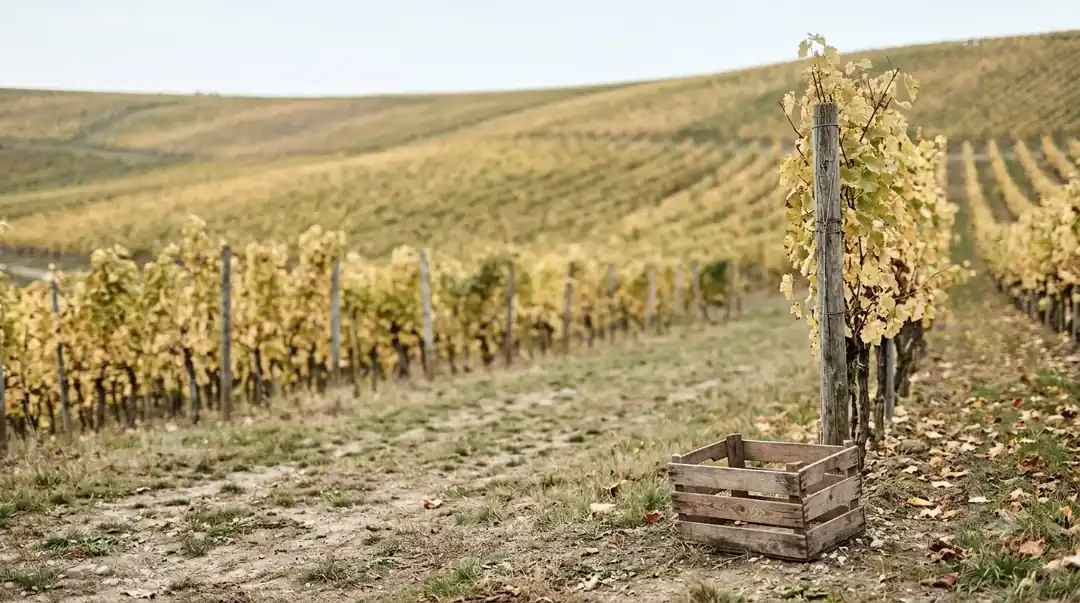
Dealu Mare is the region most often discussed by critics. Decanter describes it as a hot, sun-drenched area in southern Romania, with summer temperatures that can climb as high as 40°C. Its vineyards sit on a long sub-Carpathian slope, and its red wines often reach high alcohol levels while staying balanced. Producers there have also led the country’s shift toward quality since the early 1990s.
Transylvania is different. Decanter’s sources say Fetească Neagră can show more elegance there than in Dealu Mare, where it tends to be more muscular. Drăgășani, in southwestern Romania, is known for white wines and for the rare Negru de Drăgășani red. For a broader view of how regions shape a country’s wines, the Wine Regions section explains the basics.
Key Romanian Grape Varieties
The grapes below are the ones you are most likely to see on a Romanian label or in producer notes. Some are native, and some are international varieties that Romanian producers grow widely. The table gives a quick guide to what each one is known for.
| Grape | Color | Typical character |
|---|---|---|
| Fetească Neagră | Red | Dark fruit, spice and firm structure; the flagship native red |
| Fetească Albă | White | Dry or semi-dry, floral aromas and moderate acidity |
| Fetească Regală | White | Fruity and vibrant; the most widely planted white in the country, according to Decanter |
| Crâmpoșie | White | Fresh, citrusy and fruity, with pronounced acidity |
| Negru de Drăgășani | Red | Rare crossing with dark cherry and savory notes |
| Tămâioasă Românească | White (aromatic) | Floral and aromatic; a Romanian clone of Muscat Blanc à Petit Grains |
| Merlot and Cabernet Sauvignon | Red | International varieties that excel both alone and in blends with native grapes |
Fetească Neagră deserves the most attention. Its name means black maiden, and Decanter reports that it shows terroir well, from elegant Transylvanian styles to more muscular ones in Dealu Mare. Wikipedia describes it as dry, demi-dry or sweet, with an alcohol range of roughly 12 to 14 percent. Fetească Albă and Fetească Regală are the main native whites, and both tend toward floral, fresh styles.
International grapes also play a role. Merlot and the Cabernets are common, and Decanter notes they can be impressive on their own. Many producers blend them with native varieties, which adds a local identity. A little Fetească Neagră in a Cabernet-based blend, for example, can bring more fruit and spice to the final wine.
Popular Romanian Wine Styles and Producers
Romanian wine is not one style. Large producers make approachable, good-value wines in volume, while smaller estates focus on distinctive single-variety and blended bottles. Decanter names Cramele Recaş, Halewood and Jidvei among the big producers, and points to boutique estates as the source of the country’s more expressive wines.
Several wineries come up again and again in critical coverage. SERVE, founded in 1994, has long championed Fetească Neagră in Dealu Mare. Viile Metamorfosis, in the same region, makes concentrated reds for its premium line. In Drăgășani, Prince Stirbey works with Crâmpoșie and Fetească Regală, while Avincis is noted for its Negru de Drăgășani. Davino, one of the earliest private wineries in Romania, is also widely cited.
When you shop, look for a variety name on the label rather than only a regional name. Single-variety wines make it easy to taste what Fetească Neagră or Crâmpoșie actually offers. Blends that mix a native grape with an international one are also a good entry point for readers new to Romanian wine.
How to Pair and Serve Romanian Wine
Romanian wine pairs well with the same foods that suit many European bottles. Red wines built on Fetească Neagră have ripe fruit, spice and fresh acidity, so they can match grilled meats, roasted poultry and tomato-based dishes. The lighter whites suit fish, soft cheeses and vegetable starters.
Think about weight and acidity first. A fresh, citrusy Crâmpoșie works with delicate seafood and herb-forward salads. A richer Fetească Regală or an aromatic Tămâioasă Românească can match spiced chicken or dishes with a touch of sweetness. Because the Dealu Mare reds can be high in alcohol, serve them with food that has enough fat or protein to balance the glass.
Serve whites chilled but not ice cold, so the aromas can show. Give reds a little time in the glass, and check the producer’s technical sheet or back label for the recommended serving notes. For a comparison with another European red region, the cahors wine guide shows how a dark, structured red can suit similar dishes.
Finding Romanian Wine in the United States
Romanian wine is less common on American shelves than French or Italian bottles, so finding it takes some effort. Start with wine shops that focus on Eastern European or lesser-known European wines. Ask the staff whether they carry Romanian labels or can order from an importer, since small estates often ship in limited quantities.
Look for the grape name and producer on the label. Many Romanian wines are sold under varietal names such as Fetească Neagră or Fetească Albă, which makes them easier to recognize than a regional name. Some producers also use marketing names, so read the back label carefully before you buy.
Availability and prices change over time, so check current listings at your local retailer rather than relying on older articles. Wine-focused reviews and trade publications are useful for finding new producers and vintages. Winery websites often list the importers they work with in the United States.
Frequently Asked Questions
What is the best-known Romanian wine grape?
Fetească Neagră is the country’s flagship native red grape. Its name means black maiden, and critics often point to it as the variety that best expresses Romanian identity. It can produce dry, demi-dry or sweet styles, depending on the winemaker.
Is Romanian wine expensive?
Romanian wine is often described as good value, and many producers focus on approachable bottles. Prices vary by producer, vintage and retailer. Check current listings at a shop near you, because costs change over time.
Which region should I start with?
Dealu Mare is a good starting point because it has many wineries and a strong reputation for red wines. Transylvania is worth exploring for more elegant styles. Drăgășani is known for distinctive whites and the rare Negru de Drăgășani red.
Should I drink Romanian wine young?
Many Romanian wines are meant to be enjoyed fairly young, especially fresh whites and fruit-forward reds. Some structured reds, including well-made Fetească Neagră, can age well. Check the producer’s notes for guidance on each bottle, and always drink responsibly.
Romania wine rewards curiosity, and its native grapes offer flavors you will not find everywhere. Start with one variety, such as Fetească Neagră or Fetească Albă, and compare it with a familiar international bottle. For more background on how regions shape wine styles, read the calistoga wine guide next.
More in Wine Regions
 Willcox Wine Trail: Discover Arizona’s High-Elevation Wine CountryUpdated Nov 20, 2026
 Yakima Valley Wine Region: Find the Best Styles to TryUpdated Nov 20, 2026
 Vosne Romanee Wine Tasting: Identify Aromas and Choose Better PairingsUpdated Nov 20, 2026
 Yakima Valley Wine Festival: Find the Best Seasonal Wine EventsUpdated Nov 20, 2026
 Wales Vineyards: Discover Cool-Climate Wines and Where to VisitUpdated Nov 20, 2026
 Yountville Wine Festival: Discover Napa Wines and Local FoodUpdated Nov 20, 2026