

We may earn a commission when you buy through links on this page, at no extra cost to you. Learn more.
A missouri wine festival is a chance to sample wines from Missouri wineries, meet local producers, and enjoy regional food, music, and vineyard scenery. Missouri does not have one single statewide festival under that name; it has several distinct events, including Independence Uncorked Winefest, Missouri’s Great Northwest Winefest, La Fête du Vin in St. Charles, and the themed celebrations of the Hermann Wine Trail. The best choice depends on whether you want a walk-around festival, a food-and-wine pairing day, or a weekend exploring tasting rooms.
Missouri’s wine culture stretches from the Missouri River towns of Hermann and Augusta to the Ozarks, St. James, and the northwest countryside. A little planning helps you choose a festival that fits your schedule and gives you time to taste the state’s distinctive grapes, especially Norton, without rushing from one stop to the next.
What a Missouri Wine Festival Is Like
A Missouri wine festival can mean a large public gathering with food booths and live music, or a smaller event that sends guests between participating wineries for a themed tasting. Independence Uncorked Winefest, the Great Northwest Winefest in Mound City, and La Fête du Vin in St. Charles represent the broader festival format, while Hermann’s wine-trail events focus on coordinated tastings and food pairings.
At Independence Uncorked, the setting is the Bingham-Waggoner Mansion and Estate in Independence. The event has been described by Missouri tourism as a showcase for Missouri wines with grape stomping, wine classes, art, food booths, and live music. That mix makes it a good fit for visitors who want more than a tasting-room flight: there are activities to watch, things to learn, and food to enjoy between pours.
Missouri’s Great Northwest Winefest takes place in Mound City and centers on wine sampling, grape stomping, food, and music. In Historic Frenchtown in St. Charles, La Fête du Vin combines wine, food, music, and art. These are separate events in different communities, so do not assume that one ticket or schedule applies to all three. Check the individual organizer’s announcement before making travel plans, particularly for the festival date, participating wineries, admission arrangements, and whether tasting samples are included. A public festival may suit a group that wants a central gathering place, while a trail event is often a better match for visitors who enjoy visiting several winery properties over a full day.
Hermann’s food-pairing weekends offer a different format, with themes such as chocolate, tapas, berries and barbecue, or cheese. The region’s wine identity goes back to the 1800s, when German settlers developed vineyards along the Missouri River; it is therefore possible to treat the trip as both a tasting event and a local-history outing. For comparison with another state’s event calendar, see the Indiana wine festival.
Where Missouri Wine Festivals Take Place
Missouri wine events are spread across several wine-growing areas, so the town matters as much as the event name. The best-known historic corridor follows the Missouri River around Hermann and Augusta, while other options are found near Kansas City, the Lake of the Ozarks, St. James, Mound City, and St. Charles.
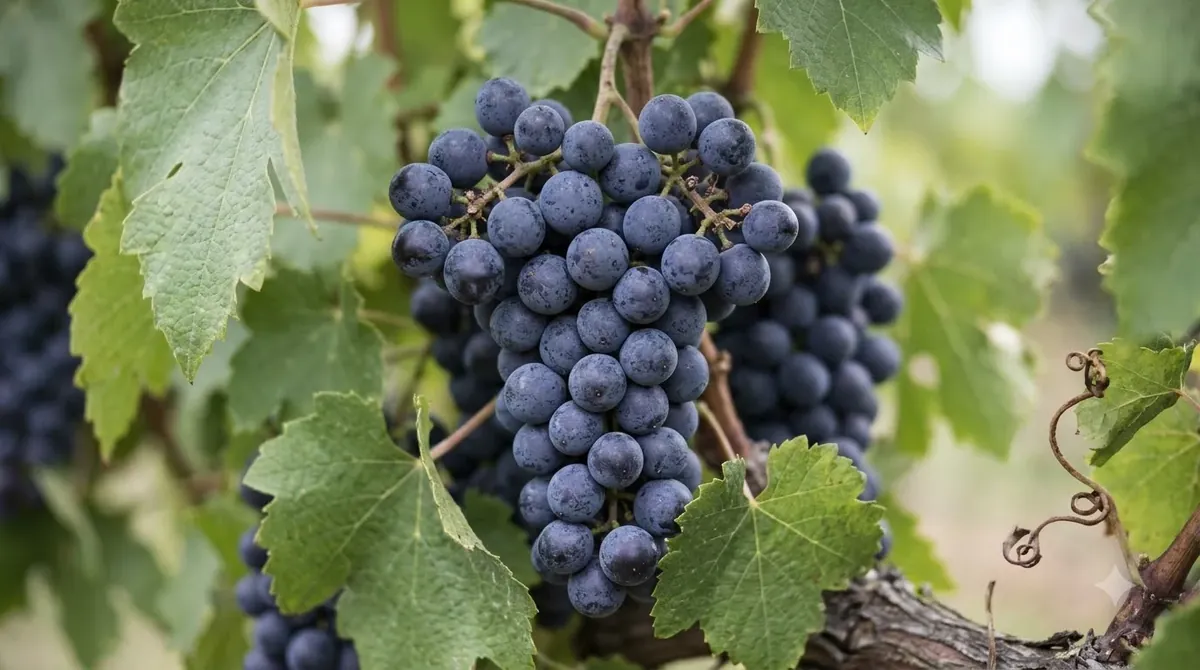
Hermann is a natural starting point for a wine-country weekend. German settlers established the town beside the Missouri River in 1837, and the surrounding area became one of the state’s earliest wine centers. The Hermann area is recognized as an American Viticultural Area covering 51,200 acres across several Missouri counties. Its wine trail runs about 20 miles between Hermann and New Haven and links six family-owned wineries, including Adam Puchta Winery, Hermannhof Winery, Dierberg Star Lane, G. Husmann Wine Company, Reserve Cellars, and Röbller Vineyard. The short distance between the two towns makes it possible to combine vineyard visits with time in Hermann’s historic district, rather than treating each tasting room as an isolated destination.
Augusta is home to the country’s first federally recognized American Viticultural Area. The Lewis & Clark Wine Trail links wineries around Augusta and Washington, Missouri, about 45 minutes west of downtown St. Louis and 15 minutes across the river from Washington. It suits visitors looking for a compact scenic drive.
Other trails serve Kansas City, the Lake of the Ozarks, the Meramec River, northwest Missouri, and the Ozarks near Springfield and Branson. Missouri Wines also lists the Winestein Trail. Its Missouri wine trails directory helps match an event with nearby wineries.
Missouri Wine Festival Dates and Event Formats
Hermann’s calendar is one of the clearest ways to see how Missouri turns wine tasting into a seasonal event series. Six themed Hermann Wine Trail celebrations are spread across the year, with pairings that change from chocolate and tapas to summer berries, barbecue, holiday dishes, and cheese.
The organizer’s Hermann Wine Trail event calendar includes the following dates and hours. The 2026 events fall in November and December, while the next listed series continues from February through July 2027. Confirm details before setting out because weather, ticket availability, or operational changes can affect a planned visit.
| Event | Published date | Hours | Pairing theme |
|---|---|---|---|
| Holiday Fare Wine Trail | November 21–22, 2026 | Sat. 10 a.m.–5 p.m.; Sun. 11 a.m.–4 p.m. | Holiday-inspired small bites |
| Say Cheese Wine Trail | December 12, 2026 | 10 a.m.–5 p.m. | Wine and cheese |
| Chocolate Wine Trail | February 27–28, 2027 | Sat. 10 a.m.–5 p.m.; Sun. 11 a.m.–4 p.m. | Chocolate and wine |
| Vino & Tapas Wine Trail | April 17, 2027 | 10 a.m.–5 p.m. | Spanish-style appetizers |
| Farmers’ Table Wine Trail | June 12, 2027 | 10 a.m.–5 p.m. | Local farm food and wine |
| Berries & BarBQ Wine Trail | July 24, 2027 | 10 a.m.–5 p.m. | Berries, barbecue, and wine |
These are progressive tasting experiences: visitors move among participating wineries and encounter a different pairing at each stop. The December Say Cheese event also coincides with Hermann’s Kristkindl Markt, making it possible to combine wine-and-cheese tastings with the town’s holiday market.
Independence Uncorked and the Great Northwest Winefest are public festivals with sampling and activities, while La Fête du Vin combines wine, food, music, and art in St. Charles. The Livermore wine festival offers another regional comparison.
Missouri Wines and Grapes to Look For
Missouri produces a wider range of wine styles than a first-time visitor might expect. Wineries make dry, semidry, semisweet, dessert, and sparkling wines, along with fruit wines, and the state’s best-known red grape is Norton.
Norton is Missouri’s official state grape and is also known as Cynthiana. It is a bold, full-bodied dry red, with a profile that can include spice, vanilla, chocolate, berries, ripe cherries, and currants. The Missouri wine industry identifies Norton as a premium red grape for the state and notes its hardiness and disease resistance. At a tasting, it is a worthwhile first choice for anyone interested in a distinctly Missouri red rather than starting with a familiar international variety.
Other grapes include Vignoles, Chardonel, and Chambourcin. Vignoles can be crisp or sweet, Chardonel is a white-wine option, and Chambourcin is used for red and rosé wines. Ask whether a pour is dry, off-dry, or sweet before choosing a flight. Missouri wineries also make fruit wines from apples, peaches, blackberries, strawberries, and raspberries. Compare rather than sample at random: try a dry Norton beside a lighter red or rosé, then taste Vignoles or Chardonel to notice changes in acidity and sweetness. A guided class is a good place to ask why a producer chose a particular grape and style. The Wine Regions section explains how local climate and grape varieties shape regional wines.
How to Plan a Missouri Wine Festival Weekend
Start by choosing one event area and building the trip around it. Hermann and New Haven work well for a trail-focused weekend, Augusta and Washington are practical for a shorter trip from St. Louis, and Mound City or St. Charles are better choices for visitors whose main goal is a specific public festival.
For Hermann, decide whether the event is the priority or whether you also want time for historic sites, restaurants, and another tasting room. The 20-mile trail includes six wineries, so allow time between stops rather than compressing every tasting into one afternoon. An overnight stay can make the day more relaxed; Hermannhof and Adam Puchta are established area names, and local lodging includes guesthouses and winery-associated inns. The Inn at Hermannhof and its hillside cottages, built in the 1800s, are one option for visitors who want to stay close to the historic wine-country setting.
Plan transport before the first pour. A designated driver or prearranged local transport makes it easier to visit several wineries responsibly. The Missouri River Runner runs daily between St. Louis and Kansas City with several wine-country stops, but local transportation is still needed between individual tasting rooms. Check station locations, shuttles, and return times.
Buy event admission through the organizer when advance tickets are offered, and read the event’s rules for arrival windows, sample portions, food availability, and weather policies. Some trail events operate only during a set Saturday or weekend, while individual winery tasting rooms may have different hours on ordinary days. If a group includes people who do not drink wine, check whether the grounds offer food, live music, art, walking space, or other activities so the visit works for the whole party. For a trip that crosses state lines, compare dates before booking; the Utah wine festival overview offers another regional calendar for comparison.
Tip: Pick two or three must-see stops before you arrive, then leave open time for one extra tasting room or a meal. A flexible schedule is more useful than trying to visit every winery on a route in a single day.
Food Pairings and Practical Tasting Tips
Food is central to many Missouri wine events, and the state’s dry reds, aromatic whites, sweet wines, and fruit wines offer varied pairing options. Match a wine’s weight and sweetness to the dish rather than choosing by grape name alone.
Norton’s full body and dark-fruit character work with smoked meats, beef, lamb, barbecue, and aged cheddar. It can also suit tomato-based dishes and herb sauces. For contrast, try a white or rosé with salads, poultry, or mild cheeses. Taste the food and wine together to see how acidity refreshes the palate or fruit softens a salty bite. Sweetness matters with dessert and spicy food: a wine should generally be at least as sweet as the dessert served alongside it, or it can taste thin and sharply acidic. With spicy barbecue or chili, alcohol and tannin can make heat feel stronger, so a softer, lower-tannin wine or a slightly sweet style may be a better match. High-tannin red wine is also a poor partner for oily fish, while salt and fat in cured meats and cheese can soften tannin.
Serve each style at a temperature that lets its aromas show. Sparkling wine is best around 40–50°F, light whites and rosé around 45–50°F, full-bodied whites around 50–55°F, light reds around 55–60°F, and full reds around 60–65°F. Sweet whites are usually most expressive around 43–50°F. If you bring bottles home, store them on their sides in a cool, steady place near 55°F rather than in a warm kitchen or sunny window.
Pace tastings with food and water. A standard 5-ounce pour is enough to assess a wine, and a 750-milliliter bottle provides about five such glasses. You do not need to finish every sample; note the winery, grape, sweetness, and style. Ask what makes a wine distinctive and compare two pours side by side. A small notebook or phone note with the producer name and grape is usually more useful than trying to remember a long sequence of samples at the end of the afternoon.
Frequently Asked Questions
These quick answers cover a few useful details that may come up while planning a visit to Hermann, Augusta, or another Missouri wine destination. The state’s history and grape varieties add context beyond the festival schedule itself.
When did Augusta become an American Viticultural Area?
Augusta received federal AVA recognition in 1980, becoming the first federally recognized American Viticultural Area in the United States. The designation recognizes a defined grape-growing region with geographic characteristics relevant to wine production.
What is another name for Missouri’s Norton grape?
Norton is also called Cynthiana. The Missouri Wines organization identifies it as an American grape found in 1835 near Richmond, Virginia, before it became closely associated with Missouri vineyards.
How many pours are in a standard wine bottle?
A standard 750-milliliter bottle holds about five 5-ounce glasses. Festival samples are often smaller than a full serving, so the number of samples a bottle could provide depends on the pour size used by the event.
How old is Adam Puchta Winery?
Adam Puchta Winery was established in 1855. Visit Missouri describes it as the oldest continuously owned and operated family winery in the United States, with the Puchta family continuing the business into its seventh generation.
How did Missouri wine help European vineyards?
During the phylloxera crisis of the 1870s, Missouri viticulturist C. V. Riley helped identify the resistance of Native American grape roots to the pest. Missouri growers shipped millions of resistant rootstocks to France, where they helped restore vineyards devastated by phylloxera.
A Missouri wine festival is easiest to enjoy when the event, travel plan, and tasting goals fit together. Choose one region, leave enough time for food and conversation, and make room for a glass of Norton alongside the other styles that show the range of Missouri wine country.
More in Wine Regions
 Willcox Wine Trail: Discover Arizona’s High-Elevation Wine CountryUpdated Nov 20, 2026
 Yakima Valley Wine Region: Find the Best Styles to TryUpdated Nov 20, 2026
 Vosne Romanee Wine Tasting: Identify Aromas and Choose Better PairingsUpdated Nov 20, 2026
 Yakima Valley Wine Festival: Find the Best Seasonal Wine EventsUpdated Nov 20, 2026
 Wales Vineyards: Discover Cool-Climate Wines and Where to VisitUpdated Nov 20, 2026
 Yountville Wine Festival: Discover Napa Wines and Local FoodUpdated Nov 20, 2026