

We may earn a commission when you buy through links on this page, at no extra cost to you. Learn more.
Miraval wine comes from Château Miraval, a wine estate in Correns, in the Var department of Provence in southern France. The estate makes white, red, and rosé wines under the Côtes de Provence and Coteaux Varois appellations. It is best known for its rosé and for a high-profile ownership history that includes two Hollywood names. This guide covers the estate, its ownership, the appellations, and how to serve and pair its wines.
Most searches for Miraval wine are really about two things: what the bottle tastes like and why the name has become so well known. The estate is a real working vineyard with a long history, a large property, and a range that covers more than rosé. The sections below draw on the Wikipedia article on Château Miraval, along with the winery’s own promotional pages, which focus on rosé in general terms rather than listing detailed wine specifications.
The Estate and Its Setting
Château Miraval sits in the village of Correns, in the Var department of Provence, just north of Brignoles. The estate covers about 400 hectares, and roughly 30 hectares of organic vines grow on the valley floor. The property also includes gardens, a moat, a chapel, and a terraced olive grove with thirteen olive varieties, which gives it the feel of a country estate rather than a purely commercial vineyard.
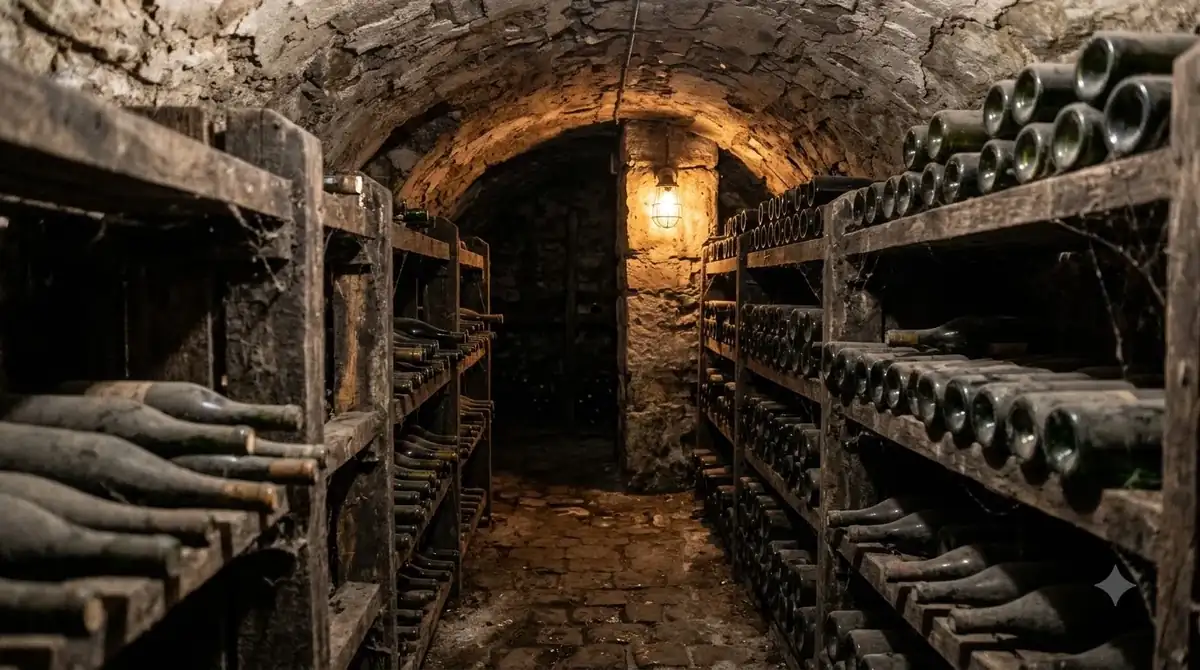
The site has a long past. The Wikipedia article says it was first inhabited in pre-Roman times, and that its large wine cellar was built in 1850 by Joseph-Louis Lambot, who is credited as the inventor of reinforced concrete. In 1977, the estate also housed the Studio Miraval recording studio, where artists including Pink Floyd, Sting, the Cranberries, and Wham! made recordings. That history gives the estate a cultural profile that many wine estates do not have.
Visitors who want a broader view of the estate can read the background at the Château Miraval article on Wikipedia, which collects the history and ownership details in one place.
Ownership and How the Brand Became Known
Tom Bove, an American from Indiana, bought the estate in 1993, and the Wikipedia article says he modernized its viticulture. The estate became widely known to the public in 2011, when Brad Pitt and Angelina Jolie bought it together with the wine business in a fifty-fifty partnership with the winemaker Marc Perrin. Pitt and Jolie had leased the château from 2008 with an option to buy, and they married in its chapel in August 2014.
Ownership changed again in October 2021, when Jolie sold her shares to Tenute del Mondo, a subsidiary of Stoli Group. The article notes that this left the estate with a new partner while keeping Marc Perrin involved in the wine side of the business. For buyers, the practical question is less about celebrity and more about who runs the vineyard and winemaking, and the sources point to a team built around the Perrin family’s wine expertise.
That history explains why Miraval is often discussed beyond wine lists. Still, the bottle has to stand on its own, and the estate’s track record in wine is what matters when you choose a bottle.
The Wine Range and Appellations
The estate makes white wines under the Coteaux Varois appellation and red, white, and rosé wines under Côtes de Provence. Côtes de Provence is the appellation most people associate with Provence rosé, and the estate’s rosé is the wine that has drawn the most attention. The Wikipedia article says the Côtes de Provence Rosé has won praise from Wine Spectator magazine, and that the Guide Hachette des Vins listed the estate among France’s top 500 wine producers.
The source does not name the grape varieties used in the wines. That is a useful limit to keep in mind: if you want to know whether a bottle is built on a specific grape blend, check the label or the producer’s technical sheet for that release. Without those details, it is more accurate to describe the wines by appellation and style than to assign them a fixed blend.
The estate has also expanded beyond wine. The Wikipedia article mentions an organic extra virgin olive oil released in 2017, and it reports that in January 2020, Marc Perrin confirmed a planned rosé Champagne called Fleur de Miraval, made with the grower-producer Rodolphe Péters.
| Topic | What the sources say |
|---|---|
| Location | Correns, Var department, Provence, France |
| Estate size | About 400 hectares, with around 30 hectares of organic vines |
| Appellations | Côtes de Provence (red, white, rosé) and Coteaux Varois (white) |
| Recognition | Wine Spectator praise for the Côtes de Provence Rosé; Guide Hachette top 500 |
| Grape varieties | Not named in the source reviewed |
How to Serve and Pair Miraval Rosé
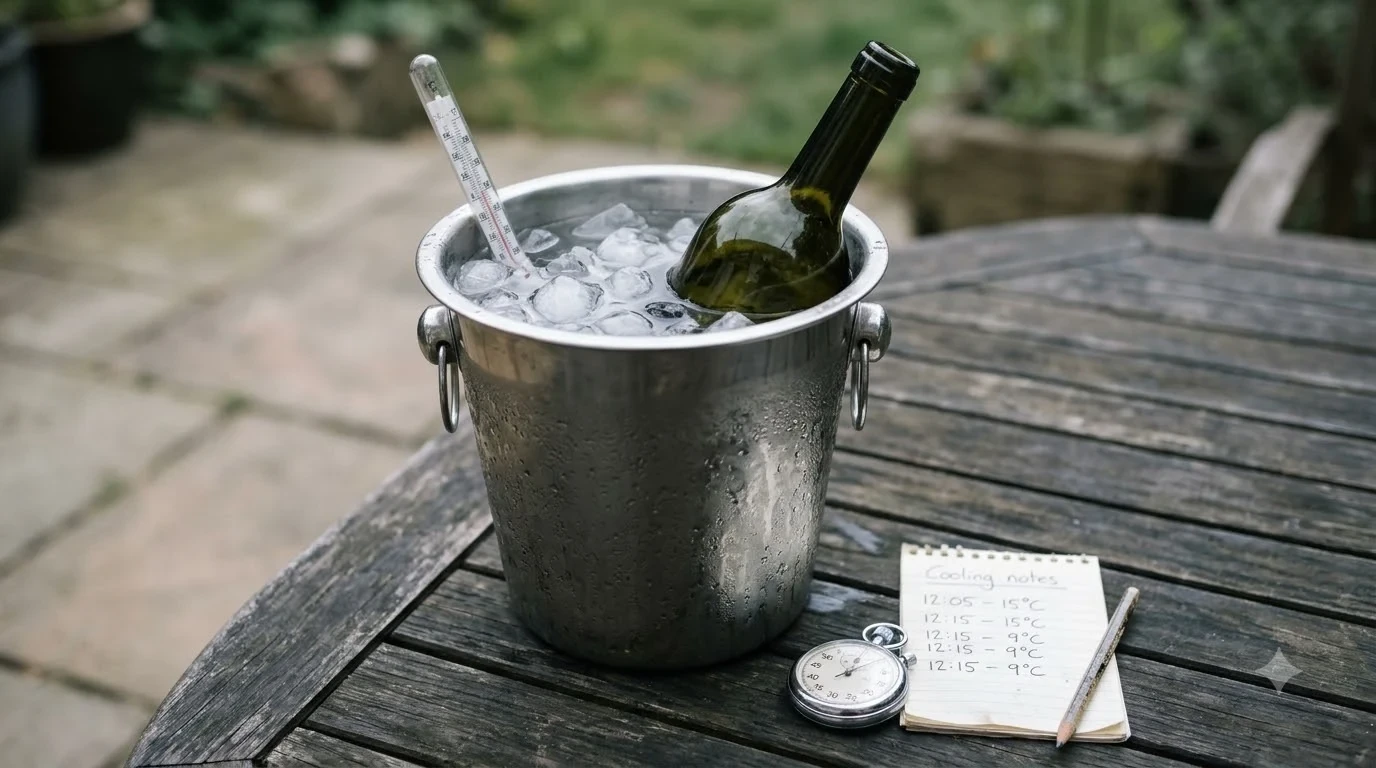
Provence rosé is generally served well chilled, which keeps its freshness and makes the wine feel crisp rather than heavy. A short time in an ice bucket or the refrigerator is usually enough. A standard white wine glass works, and it helps to pour a modest amount so the wine stays cool in the glass.
Rosé does not usually need decanting. It is a wine to open and drink, not one to let breathe. If the bottle has been stored in a warm place, let it cool for a while before serving.
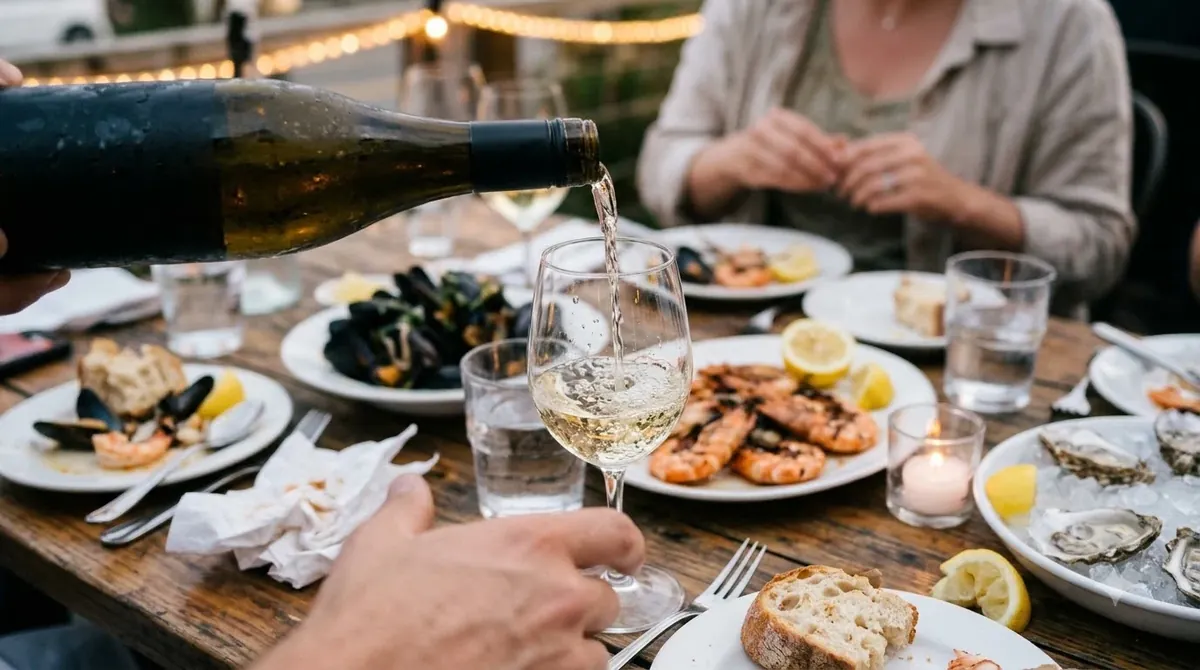
Provence rosé pairs well with Mediterranean food: grilled vegetables, tomato salads, herb-driven seafood, and light chicken dishes. It also works with soft cheeses and with charcuterie. For a wine from the same region with a red profile, pair the bottle with grilled lamb or roasted vegetables, which suit the structure of a red without overwhelming a lighter wine.
Who Miraval Wine Suits
Miraval wine suits drinkers who want a Provence-style rosé and are interested in a well-known estate. It is a practical choice for a warm-weather meal, an aperitif, or a dinner built around seafood and vegetables. Readers who prefer heavier reds or sweeter styles may find other producers more to their taste.
When choosing a bottle, check the appellation, the vintage, and the cuvée name, because the estate produces more than one style. The label is the most reliable guide for what is in the glass. Retailers and importers can also confirm the current release.
If you are comparing producers, the wine brands guide is a helpful starting point. Readers exploring other estates with a strong regional identity may also like the Pedernales wine profile, which is written in the same style.
Frequently Asked Questions
Where is Miraval wine made?
Miraval is made at Château Miraval in Correns, in the Var department of Provence, southern France. The estate is just north of Brignoles and covers about 400 hectares.
What appellations does Miraval use?
The estate makes white wines under Coteaux Varois and red, white, and rosé wines under Côtes de Provence. Check the label of a specific bottle to confirm which appellation applies.
Who owns Château Miraval?
According to the Wikipedia article, Tom Bove bought the estate in 1993. Brad Pitt and Angelina Jolie bought it with the wine business in 2011 in a partnership with Marc Perrin. Jolie sold her shares in October 2021 to Tenute del Mondo, a subsidiary of Stoli Group.
How should you serve Miraval rosé?
Serve it well chilled in a white wine glass. It does not usually need decanting. Pair it with Mediterranean dishes, seafood, and light cheeses.
Miraval is best approached as a Provence estate with a clear rosé identity and a long, unusual history. Check the label for each release, compare the appellation and vintage, and enjoy the wine with food in good company. Drink responsibly and plan any driving around the evening.
More in Wine Brands
 Underwood Wine Price: Compare Bottles, Cans, and Pack SizesUpdated Nov 21, 2026
 Zenato Wine Price: Compare Styles and Choose the Right BottleUpdated Nov 21, 2026
 Zuccardi Wine Price: Compare Bottles and Find the Right RangeUpdated Nov 21, 2026
 Yellow Tail Moscato Review: Taste, Sweetness and Serving TipsUpdated Nov 21, 2026
 Wolf Blass Yellow Label Review: Choose Your Best StyleUpdated Nov 21, 2026
 Wolffer Estate Rose Review: Choose the Right Bottle for Your TableUpdated Nov 21, 2026