

We may earn a commission when you buy through links on this page, at no extra cost to you. Learn more.
Comparing merlot vs rose comes down to red wine depth versus crisp, chilled refreshment: Merlot is a medium- to full-bodied red wine with soft tannins and dark plum and cherry flavors, while rosé is a pink wine made from brief grape-skin contact that delivers higher acidity and bright strawberry, citrus, and melon notes. Merlot is served slightly cool at 60–65°F alongside hearty dishes like roasted poultry, burgers, and mushrooms, whereas dry rosé shines chilled at 45–50°F with salads, seafood, and light appetizers.
Although both wines are made from dark-skinned red grapes—and rosé is frequently crafted using Merlot grapes—their time in the winery sends them in completely different directions. Understanding how skin contact, fermentation temperature, and grape selection separate a plush red from a brisk pink wine makes choosing the right bottle for dinner or a warm afternoon straightforward.
1. Core Differences Between Merlot vs Rose
Merlot and rosé sit on opposite sides of the still-wine spectrum in body, color, tannin, and serving style. Merlot is a single red grape variety vinified with extended skin contact to build ruby color and velvety structure, while rosé is a broad wine category produced from many red grapes with minimal skin contact.
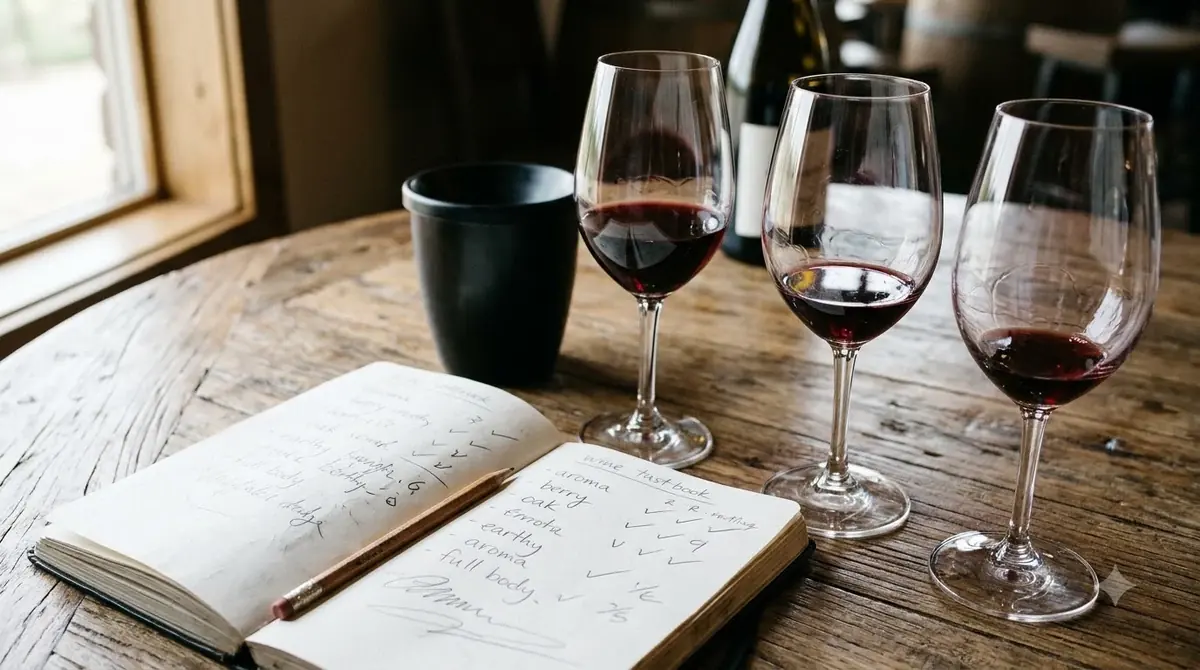
According to Wine Enthusiast, Merlot is America’s second most popular red wine after Cabernet Sauvignon, prized for its supple texture, moderate acidity, and approachable medium tannins. In the glass, it pours deep ruby to garnet and carries flavors of black cherry, ripe plum, blackberry, cocoa, and sweet baking spice when aged in oak. Alcohol typically lands between 13% and 14% ABV in cooler regions such as Bordeaux and rises up to 14.5% ABV in warmer climates like California and Chile.
Rosé, by contrast, behaves much more like a crisp white wine at the table. Most dry rosés—from classic Provençal blends to American varietal bottlings—show pale salmon to bright watermelon hues, negligible tannin, and brisk, mouthwatering acidity. Flavor profiles lean toward wild strawberry, white peach, pink grapefruit, and fresh herbs, with alcohol levels commonly sitting between 11.5% and 13.5% ABV.
| Attribute | Merlot (Red Wine) | Rosé (Dry Pink Wine) |
|---|---|---|
| Wine Category | Single red grape variety (and primary blend grape) | Wine style made from various red grape varieties |
| Skin Contact Time | Weeks during fermentation | 2 to 48 hours (or immediate direct pressing) |
| Body & Tannin | Medium to full body; soft, medium tannins | Light to medium body; virtually no tannin |
| Acidity | Moderate | Medium-plus to high |
| Typical ABV | 13%–14.5% | 11.5%–13.5% |
| Primary Flavors | Plum, black cherry, blackberry, cocoa, cedar | Strawberry, citrus zest, white peach, melon |
| Serving Temperature | 60–65°F | 45–50°F |
| Opened Fridge Life | 3–5 days (2–4 days at peak freshness) | 3–5 days |
2. How Winemaking Shapes Color, Tannins, and Body
The biggest fork in the road between red Merlot and rosé happens during crushing and maceration, when clear grape juice meets dark grape skins. Because almost all red wine grapes have clear pulp, the length of skin contact determines whether the finished wine turns out deep ruby or pale pink.
To make red Merlot, winemakers crush the berries and ferment the juice together with the skins and seeds for weeks. Warm fermentation temperatures extract anthocyanins for deep ruby color, phenolic compounds for medium tannins, and rich dark-fruit aromatics. Many Merlot wines then spend months aging in French or American oak barrels, which softens the mid-palate and adds notes of vanilla, clove, and cedar—a hallmark of Right Bank classics explored in our bordeaux vs merlot comparison.
According to VinePair, winemakers rely on three primary techniques to make quality rosé without extracting heavy tannins:
- Direct pressing: Whole clusters or crushed red grapes are pressed right away—much like white wine—allowing only brief skin contact during pressing to yield ultra-pale, citrus-driven rosés.
- Limited skin maceration: Crushed grapes soak with their skins for 6 to 48 hours until the juice reaches the desired shade of pink, after which the skins are removed before cool fermentation begins.
- Saignée (“bleeding”): Winemakers drain off 10% to 20% of lightly tinted juice from a red-wine tank after 8 to 24 hours to concentrate the remaining red wine, fermenting the bled juice separately into a darker, fuller-bodied rosé.
Unlike red Merlot, almost all still rosés ferment at cool temperatures (around 55–62°F) in stainless steel tanks rather than new oak barrels. Blocking malolactic fermentation and avoiding oak keeps primary berry and citrus aromas sharp and preserves the snappy acidity that defines refreshing pink wine.
3. Grapes and Regions: Can Rosé Be Made From Merlot?
Yes—Merlot is actually a popular grape for making dry rosé, particularly in cool-to-moderate coastal regions where the grape retains bright natural acidity. While Merlot dominates red wine production on Bordeaux’s Right Bank, winemakers across Europe and North America routinely press Merlot grapes early to craft crisp pink wines.
Where Red Merlot Thrives
Merlot originated in southwest France, where its name translates to “the little blackbird,” and anchors famous appellations such as Pomerol and Saint-Émilion. In these maritime climates, Merlot develops structured tannins, moderate alcohol around 13%–13.5% ABV, and savory notes of red plum, graphite, and dried herbs. In warmer regions like California’s Napa Valley, Washington’s Columbia Valley, and Chile’s Colchagua Valley, Merlot ripens more fully, yielding plush, opulent reds bursting with black cherry, blackberry jam, and chocolate.
Rosé Regions and Merlot Rosé
France’s Provence region sets the global benchmark for dry rosé, blending Mediterranean varieties such as Grenache, Cinsault, Syrah, and Mourvèdre into pale, stony, herb-scented wines. In the Southern Rhône, Tavel stands as France’s sole appellation devoted exclusively to rosé, requiring at least 11% ABV by law and producing deeper, food-driven pink wines via 24-hour skin maceration.
Outside southern France, Merlot steps directly into the rosé spotlight. On New York’s North Fork of Long Island, producers such as Macari Vineyards harvest Merlot and Cabernet Franc early and whole-cluster press the fruit for crisp, mineral-driven rosé. Similarly, in Spain’s Lleida region, Raimat winery blends Merlot and Cabernet Sauvignon using half saignée juice and half direct-press juice to craft balanced, berry-scented rosado. In California and Washington, bottlings labeled “Merlot Rosé” offer bright watermelon and red currant fruit with a slightly rounder mid-palate than Provence blends.
4. Taste, Aroma, and Mouthfeel Side by Side
Tasting Merlot next to a dry rosé highlights how texture and acidity shape the drinking experience just as much as fruit flavor. Even when both glasses start from the exact same vineyard block of Merlot, the red version feels plush and warming while the rosé feels brisk and mouthwatering.
Red Merlot coats the palate with medium-to-full weight, rounded edges, and gentle, velvety tannins that lightly grip the gums without feeling astringent. Ripe dark fruits—black plum, boysenberry, and black cherry—sit at the center, framed by secondary notes of mocha, bay leaf, tobacco, or toasted oak. Because Merlot has moderate acidity and higher alcohol, it delivers a warm, lingering finish suited to evening sipping or cold weather.
Dry rosé delivers an immediate burst of fresh acidity that makes the mouth water and cleanses the palate between bites. Instead of dark jammy fruit and oak spice, aromas center on wild strawberry, raspberry, white peach, tangerine zest, and subtle wet-stone minerality. Tannins are virtually absent, giving rosé a sleek, weightless feel that mimics crisp white wines, though sweeter American styles can feel rounder—a contrast detailed in our rose vs white zinfandel breakdown.
Tip: Don’t judge a rosé’s sweetness by its color. Deep ruby-pink rosés from Tavel or saignée-method California Merlot can be completely bone-dry, while pale pink supermarket blends sometimes carry noticeable residual sugar—check the label for ABV (12.5%–13.5% usually signals dry) or terms like “sec” and “dry.”
5. Food Pairing: Matching Merlot vs Rose at the Table
Because Merlot brings soft tannins and dark fruit while rosé brings crisp acidity and zero astringency, each wine excels with completely different plates. Pairing them well relies on balancing fat, salt, acid, and spice rather than following rigid meat-or-fish rules.
Best Food Pairings for Merlot
Merlot’s medium tannins bind cleanly to proteins and fats, while its plush plum and cherry notes echo roasted or caramelized flavors. Because its tannins are softer than Cabernet Sauvignon’s, Merlot stays versatile across a wide range of savory dishes without overwhelming moderate richness:
- Roasted poultry and pork: Herb-roasted chicken, Thanksgiving turkey with cranberry sauce, and pork tenderloin match Merlot’s medium weight and red-to-dark berry fruit.
- Burgers and grilled meats: Beef burgers with melted cheddar or Swiss, grilled lamb chops, and skirt steak soften Merlot’s tannins through salt and fat.
- Earthy vegetarian dishes: Mushroom risotto, roasted portobello caps, lentil stews, and eggplant parmesan mirror Merlot’s savory herbal and cocoa undertones.
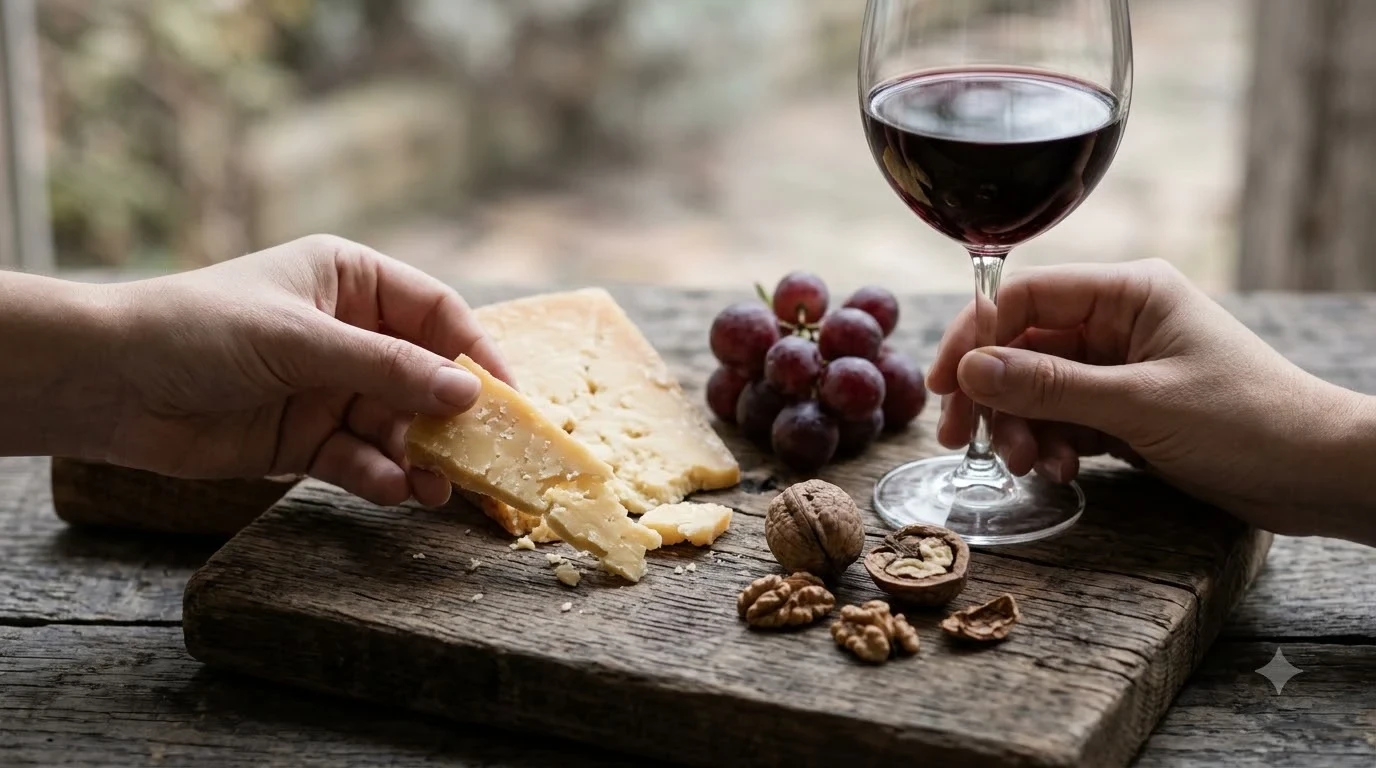
- Aged semi-hard cheeses: Gouda, Gruyère, and sharp white cheddar complement oak-aged Merlot without clashing.
Best Food Pairings for Dry Rosé
Dry rosé acts like a squeeze of lemon across rich, salty, or delicate foods, making it one of the most adaptable dinner-table wines. As Decanter highlights in its coverage of Côtes de Provence producers like Château Saint Julien d’Aille, crisp Provençal rosé pairs easily with Mediterranean vegetable dishes like ratatouille, grilled sea bream, and mildly spiced Asian dishes.
- Seafood and shellfish: Grilled salmon, shrimp skewers, crab cakes, and seared tuna work with rosé because there are no heavy tannins to create a metallic clash with oily fish.
- Bright salads and goat cheese: Niçoise salad, watermelon-feta salad, and warm chèvre tarts match rosé’s brisk acidity.
- Charcuterie and mezze: Prosciutto, salami, hummus, olives, and flatbreads balance rosé’s stone-fruit and citrus notes.
- Mildly spiced dishes: Thai coconut curry, fish tacos, and tandoori chicken pair smoothly with rosé’s lower alcohol (often 12%–13% ABV) and cooling chill, whereas high-alcohol, tannic reds amplify chili heat.
6. Serving Temperatures, Glassware, and Storage
Serving Merlot and rosé at their proper temperatures dramatically changes how balanced they taste. Too warm, and Merlot turns heavy and alcoholic while rosé tastes flat; too cold, and Merlot’s fruit aromas shut down and taste bitter.
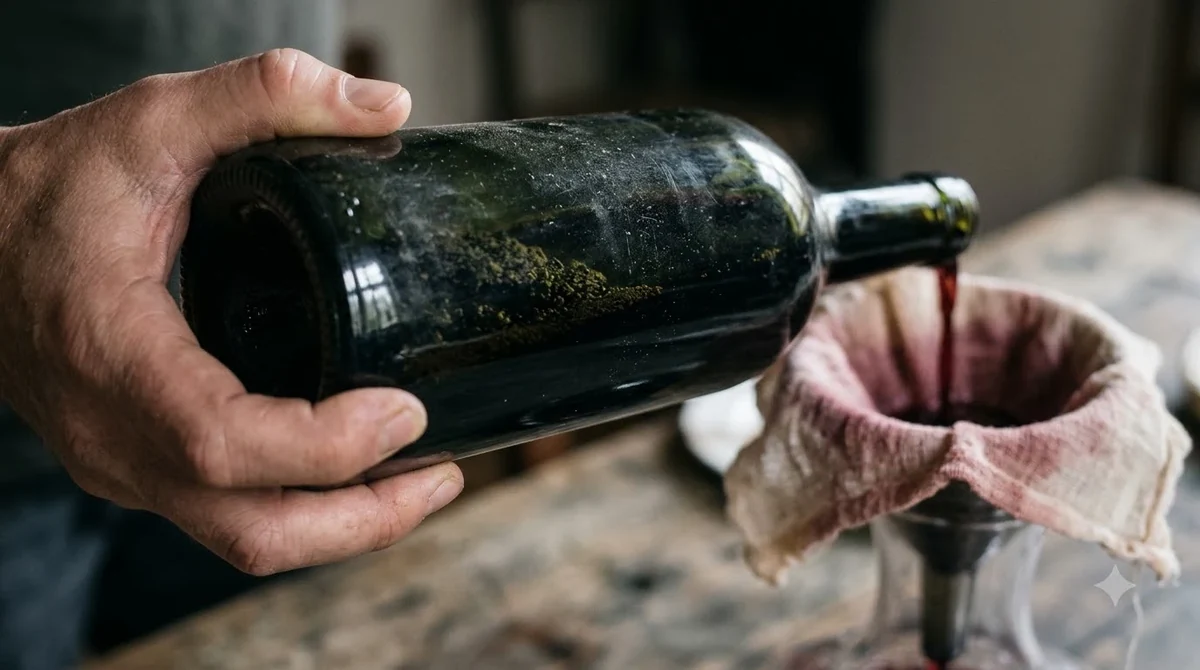
Merlot tastes best served slightly below room temperature at 60–65°F. Since most home kitchens sit around 70–72°F, Wine Enthusiast recommends placing a room-temperature bottle of Merlot in the refrigerator for about 15 minutes before pouring. Younger, full-bodied Merlots from Napa Valley or Saint-Émilion also benefit from 30 to 60 minutes in a decanter to soften tannins and open up dark-fruit aromatics, served in a standard tulip-shaped red wine glass.
Dry rosé needs a full refrigerator chill and shines at 45–50°F—roughly two hours in a standard fridge or 20 minutes in an ice-and-water bucket. Pour rosé into a medium-bowled white wine glass to funnel delicate strawberry and citrus aromas toward the nose while keeping the wine cool. For storage, keep unopened bottles of both wines lying on their sides in a dark spot near 55°F; once opened, recork both and store them in the refrigerator, where still wines stay fresh for 3 to 5 days (with Merlot at peak vibrancy for 2 to 4 days).
7. How to Choose Between Merlot and Rosé
Choosing between Merlot and rosé comes down to the weather, the menu, and whether guests prefer a warming red or a chilled, crisp pour. Both styles sit comfortably in accessible everyday wine budgets and appear on nearly every restaurant wine list.
Reach for Merlot when serving dinner after sunset, pairing with roasted meats, mushrooms, or tomato-based pasta, or hosting red-wine drinkers who want plush fruit without the firm grip of Cabernet Sauvignon. Reach for dry rosé for daytime gatherings, warm weather, patio sipping, seafood, salads, or mixed menus where one bottle needs to bridge appetizers and mains—or compare pink styles further in the prosecco vs rose guide and broader Wine vs Wine comparisons.
Frequently Asked Questions
How many calories and carbs are in Merlot compared to rosé?
A standard 5-ounce pour of dry Merlot contains roughly 125 calories and 0 to 4 grams of carbohydrates, totaling about 625 calories per 750-milliliter bottle according to Wine Enthusiast. According to Healthline and USDA data, a 5-ounce glass of dry rosé averages roughly 120 to 125 calories with around 3 to 4 grams of carbohydrates, while sweeter styles carry more calories from residual sugar.
Is rosé ever made by mixing red wine and white wine together?
Blending finished red and white wines to make still rosé is strictly prohibited across European Protected Designation of Origin regions, according to VinePair. The famous exception is rosé Champagne, where winemakers are legally permitted to blend a small percentage of still Pinot Noir or Pinot Meunier red wine into white base wine before the second fermentation in the bottle.
Can Merlot age longer than rosé in a wine cellar?
Yes, structured red Merlot from regions like Pomerol, Saint-Émilion, or Napa Valley can age gracefully for 7 to 15+ years thanks to its protective tannins and oak aging. Most dry rosés are fermented in stainless steel without oak or heavy tannins and are meant to be drunk within 1 to 2 years of their vintage date while their fresh berry and citrus fruit is brightest, as Wine Enthusiast notes for everyday bottles.
Why do some rosé winemakers harvest grapes at daybreak?
In warm Mediterranean regions like Côtes de Provence, estates such as Château Saint Julien d’Aille harvest red grapes at daybreak when vineyard temperatures are coolest, as noted by Decanter. Cool morning picking locks in natural malic acidity and prevents premature oxidation, keeping delicate apricot, citrus, and white blossom aromas crisp in the finished wine.
Can you serve Merlot slightly chilled like rosé?
Wine Enthusiast notes that lighter-bodied reds can handle a brief chill to around 55–58°F in warm weather, which highlights bright red cherry and plum flavors. However, cooling a heavy, oak-aged Merlot all the way down to rosé temperatures (45–50°F) numbs its aromatics and makes its medium tannins taste harsh and metallic.
While Merlot and rosé can start from the exact same red grape on the vine, skin contact transforms one into a velvety, plum-driven red and the other into a brisk, citrus-and-berry pink wine. Keeping a bottle of dry rosé chilled in the fridge alongside a cellar-temperature Merlot gives any home bar the versatility to handle everything from sunlit seafood lunches to hearty evening roasts.
More in Wine vs Wine
 Chenin Blanc vs Pinot Gris: Acidity, Body, and Pairing DifferencesUpdated Nov 20, 2026
 Chianti vs Lambrusco: How Tuscany and Emilia-Romagna Reds CompareUpdated Nov 20, 2026
 Chianti vs Primitivo: Key Differences in Taste, Body, and PairingUpdated Nov 20, 2026
 Chianti vs Rioja: Key Differences in Taste, Aging, and PairingUpdated Nov 20, 2026
 Chianti vs Shiraz: How Acidity, Body, and Food Pairings CompareUpdated Nov 20, 2026
 Chianti vs Syrah: Key Differences in Taste, Body, and Food PairingUpdated Nov 20, 2026