

We may earn a commission when you buy through links on this page, at no extra cost to you. Learn more.
When comparing merlot vs primitivo, Merlot offers a softer, medium-to-full-bodied profile with velvety tannins and red-to-black plum flavors, while Primitivo delivers a bolder, higher-alcohol punch packed with jammy dark berries, baking spice, and rustic intensity. Both red grapes produce predominantly dry wines that appeal to fans of fruit-forward reds, yet they originate from distinct European traditions and behave differently at the dinner table. Merlot thrives in moderate-to-warm climates from Bordeaux to California, whereas Primitivo flourishes in the sun-drenched vineyards of southern Italy’s Puglia region.
Choosing between these two crowd-pleasing red varieties comes down to how much richness, alcohol warmth, and spice you want in your glass. Understanding their grape genetics, regional expressions, and structural differences makes it straightforward to pick the right bottle for weeknight meals, backyard grilling, or cellar aging. For broader context on comparing red varieties side by side, explore the Wine vs Wine guides.
Grape Origins and Vineyard Heritage
Merlot is a classic Bordeaux variety from southwestern France, while Primitivo is an ancient Balkan grape that found its modern identity in southern Italy. Their distinct agricultural histories shape everything from vine training methods to how each grape ripens in the vineyard.
Merlot originated in Bordeaux, where an early spelling of its name, Merlau, appeared in historical records in 1783, deriving from an old regional French term meaning “the little blackbird,” according to Wine Folly. Genetic testing shows that Merlot is a natural cross between Cabernet Franc and Magdeleine Noire des Charentes, making it a direct half-sibling to Cabernet Sauvignon. Today, Merlot ranks as the second-most planted wine grape globally behind Cabernet Sauvignon, covering 658,387 acres across France, Italy, the United States, Chile, and beyond.
Primitivo traveled a very different Mediterranean path before becoming synonymous with southern Italy. In the late 18th century, a priest named Francesco Filippo Indelicati noticed a vine in Puglia’s Gioia del Colle area that ripened weeks ahead of neighboring varieties and named it Primitivo, from the Latin word primativus meaning “first to ripen,” as documented by SOMM TV Magazine. Modern DNA profiling later confirmed that Primitivo originated across the Adriatic Sea in Montenegro—where it is known as Kratošija—and is genetically identical to California Zinfandel.
Flavor Profile and Aromatics
Merlot leans toward supple red and dark stone fruits layered with cocoa, herbs, and cedar, whereas Primitivo bursts with concentrated blackberry jam, dried fig, licorice, and black pepper. Both wines express ripe fruit, yet their aromatic signatures diverge quickly once swirled in the glass.
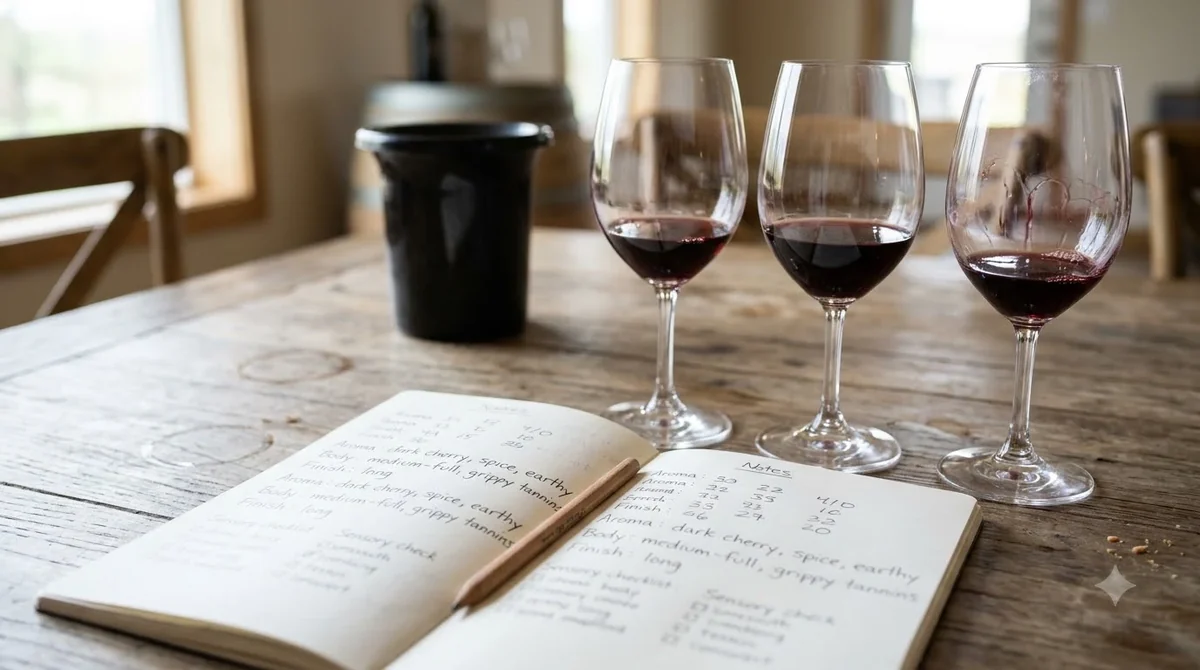
Merlot Aromatics and Taste
In cooler growing regions such as Bordeaux’s Right Bank or Washington’s Columbia Valley, Merlot displays bright red plum, tart cherry, bay leaf, and subtle graphite notes. When grown in sunnier climates like Napa Valley or parts of central Italy, the fruit shifts toward baked blackberry, black cherry, and plum compote. Oak barrel aging adds secondary nuances of vanilla, clove, and dark chocolate, while cooler-vintage bottlings occasionally retain faint herbal or bell pepper undertones inherited from parent grape Cabernet Franc.
Primitivo Aromatics and Taste
Primitivo ripens early and accumulates high sugar levels under intense southern Italian sunshine, translating into lush aromas of preserved black cherry, crushed blackberry, boysenberry, and dried fig. Beneath that dense core of dark fruit, Italian Primitivo carries distinct savory and spicy accents—including black pepper, licorice root, Mediterranean wild herbs, and warm cinnamon when aged in oak. Unlike some sweet-tasting New World Zinfandels, traditional Puglian Primitivo balances its opulent fruit with an earthy, rustic edge.
Body, Tannin, Alcohol, and Acidity
Primitivo generally packs higher alcohol, heavier body, and firmer grip than Merlot, while Merlot prioritizes a plush, velvety mouthfeel and moderate alcohol. Examining their structural components side by side clarifies why each wine feels distinct on the palate.
| Attribute | Merlot | Primitivo |
|---|---|---|
| Primary Origin | Bordeaux, France | Montenegro / Puglia, Italy |
| Body | Medium to full | Full |
| Tannin Level | Medium, soft and velvety | Medium to medium-plus, rustic grip |
| Acidity | Moderate | Moderate (higher in Gioia del Colle) |
| Typical Alcohol (ABV) | 13% to 14.5% (up to 15% in warm zones) | 13.5% to 16% (13.5% minimum in Manduria DOC) |
| Sweetness Style | Dry | Dry (rarely sweet Dolce Naturale DOCG) |
| Primary Fruit Notes | Red plum, black cherry, blackberry | Blackberry jam, fig, preserved cherry |
| Secondary Notes | Cocoa, vanilla, bay leaf, graphite | Black pepper, licorice, earth, clove |
| Serving Temperature | 60–65°F | 60–65°F |
Merlot owes its famous smooth texture to grape anatomy: it has thinner skins and fewer seeds than Cabernet Sauvignon, and its tannin molecules are smaller and less astringent. That structure creates a round, supple entry on the palate with moderate acidity that rarely feels sharp or drying. Alcohol levels typically sit between 13% and 14% ABV in temperate regions like France, rising to 14.5% or 15% ABV in warmer California and Australian vineyards.
Primitivo sits noticeably heavier in the glass, frequently reaching 14.5% to 16% ABV because the grape ripens rapidly and unevenly, leaving some shriveled, sugar-rich berries on the cluster at harvest. According to producer San Marzano, dry Primitivo di Manduria DOC carries a legal minimum alcohol requirement of 13.5% ABV—the highest minimum alcohol threshold for any unfortified dry wine denomination in the world. Its tannins are medium to medium-plus with a slightly grippier, earthier finish than Merlot, though still softer than Nebbiolo or Cabernet Sauvignon.
Tip: Because Primitivo often exceeds 14.5% ABV, chilling the bottle for 15 to 20 minutes in the refrigerator before pouring brings it down to 60–62°F, keeping the alcohol from tasting hot or overwhelming the dark fruit.
Key Wine Regions and Styles
Merlot is an international chameleon grown across major Old and New World wine regions, while Primitivo remains heavily concentrated in southern Italy’s Puglia region. Where a bottle is grown dramatically alters its weight, acidity, and cellar potential.
In France, Merlot accounts for roughly 60% of all Bordeaux AOP vineyard plantings, dominating the clay and limestone soils of Right Bank appellations like Pomerol and Saint-Émilion. Readers curious about how single-varietal bottles compare with classic French blends can explore bordeaux vs merlot for a closer look at regional blending rules. Beyond France, Washington’s Columbia Valley produces structured, dark-fruited Merlot with crisp natural acidity, while California’s Napa and Sonoma valleys craft plush, oak-kissed versions.
Primitivo finds its benchmark expressions across three distinct Puglian zones in the heel of Italy’s boot:
- Primitivo di Manduria DOC: Spanning 18 municipalities east of Taranto across 3,140 hectares of iron-rich red soil over limestone at roughly 100 meters elevation, Manduria produces the richest, highest-alcohol, most full-bodied Primitivo styles, often from old low-trained bush vines called alberello.
- Gioia del Colle DOC: Located inland on the karst limestone Murge plateau at 250 to 500 meters altitude with 400 hectares under vine, this cooler microclimate yields brighter acidity, lower alcohol, and a fresher, mineral-driven profile.
- Salento IGT and DOC: Situated closer to the Ionian Sea across Puglia’s southern peninsula, Salento vineyards benefit from steady sea breezes that produce dry, moderately alcoholic Primitivo with a subtle savory, saline edge.
Food Pairing with Merlot and Primitivo
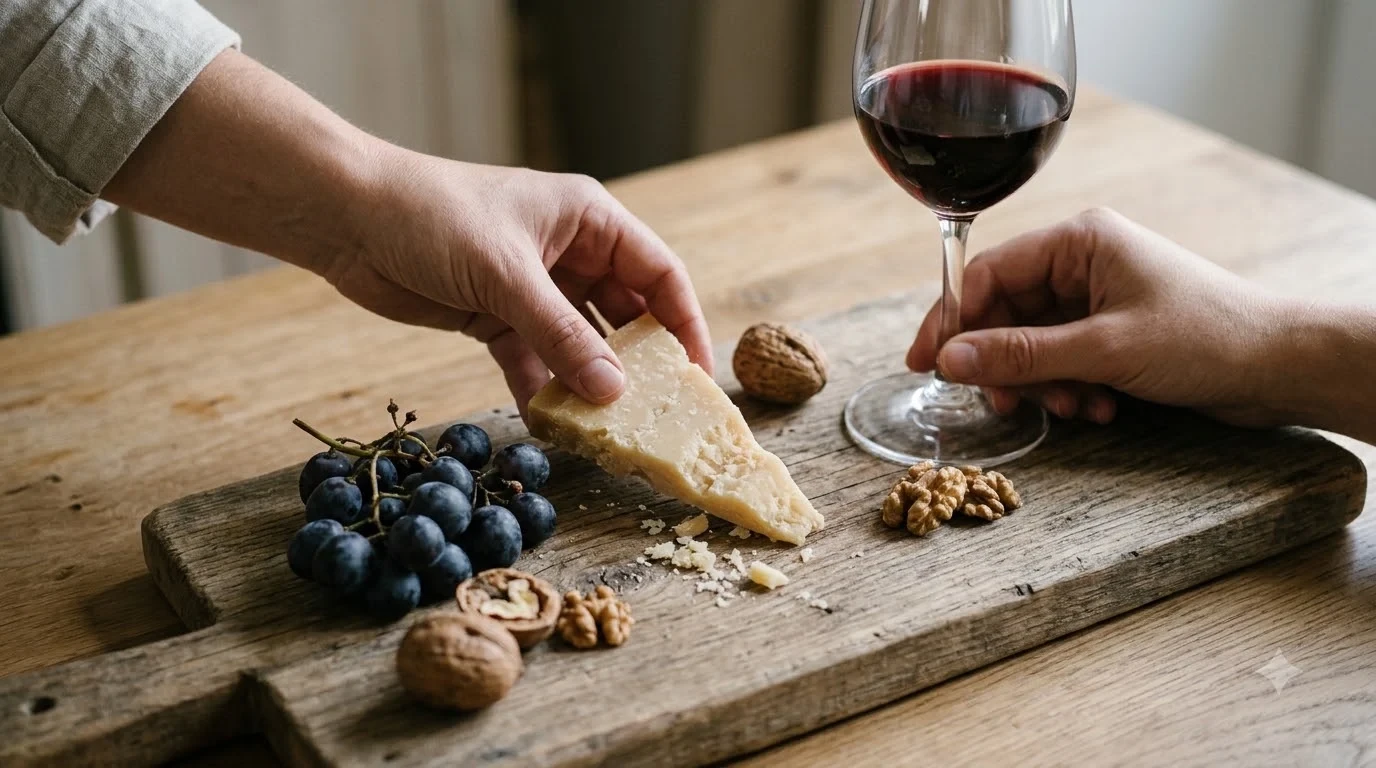
Merlot pairs easily with roasted meats, mushrooms, and tomato-based dishes thanks to its moderate acidity and soft tannins, while Primitivo excels alongside smoky barbecue, spiced sausages, and rich braised meats that stand up to its higher alcohol. Matching the weight and seasoning of your meal to each wine prevents either the food or the drink from overpowering the other.
Because Merlot has smooth, medium tannins and red-to-dark fruit notes, it bridges the gap between poultry and red meat without clashing with delicate textures. Roast chicken with herbs, pork tenderloin, beef bourguignon, and mushroom risotto highlight Merlot’s savory cocoa and plum dimensions. Moderate acidity also lets Merlot complement tomato-sauced pasta and wood-fired Margherita pizza, while salt and fat in grilled burgers or aged Gouda soften its tannins further. Avoid pairing either wine with spicy chili-heavy dishes, as higher alcohol amplifies chili heat, and skip oily fish like salmon or mackerel, which can taste metallic against red wine tannins.
Primitivo’s bold blackberry jam, black pepper, and higher alcohol demand hearty, intensely flavored dishes. Slow-smoked pork ribs, grilled lamb chops with rosemary, fennel-spiced Italian sausage, and braised beef short ribs match Primitivo’s full body and rustic grip. In Puglia, locals regularly pour Primitivo di Manduria alongside orecchiette tossed with rich meat ragù or aged pecorino cheese, where savory umami and fat tame the wine’s 14.5% to 16% ABV warmth.
Serving Temperature, Decanting, and Aging
Both Merlot and Primitivo taste best served slightly below room temperature at 60–65°F, though Primitivo benefits more from brief decanting and early drinking while top Merlot can age for decades. Proper temperature control and storage protect the fruit purity of both varieties.
Pulling either bottle straight from a 72°F kitchen counter makes the alcohol feel sharp and flattens subtle aromatics. Placing the bottle in a refrigerator for 15 minutes before serving brings it into the ideal 60–65°F window, as noted by Wine Enthusiast. Young, full-bodied bottles—especially concentrated Primitivo di Manduria or oak-aged Napa Merlot—benefit from 30 to 60 minutes in a decanter to soften rustic tannins and blow off any initial alcohol heat. Once opened, recorked bottles keep fresh in the refrigerator for 3 to 5 days before oxidation dulls the fruit.
Aging trajectories differ significantly between the two grapes. Standard everyday Merlot drinks well within 3 to 7 years of vintage, whereas structured Right Bank Bordeaux bottlings from Pomerol and Saint-Émilion can evolve in a 55°F cellar for 15 years or longer, according to Wine Folly. Most dry Primitivo is crafted for vibrant, fruit-forward enjoyment within 3 to 8 years of harvest, though top old-vine Riserva bottlings from Manduria and Gioia del Colle can develop dried fruit and leather complexity for 10 years or more when stored on their side in dark, temperature-stable conditions, according to Wine Enthusiast.
How to Choose Between Merlot and Primitivo
Choose Merlot when you want a smoother, medium-bodied red with lower alcohol and versatile dinner appeal, and choose Primitivo when you crave maximum dark-fruit concentration, peppery spice, and full-bodied warmth. Checking a few bottle cues makes selecting the right style simple.
- Pick Merlot for versatility and finesse: If the meal includes roasted poultry, pork, mushrooms, or mixed dinner guests with different red wine preferences, Merlot’s velvety tannins and 13% to 14.5% ABV keep the palate balanced.
- Pick Primitivo for bold richness and barbecue: If you are serving smoked meats, spicy sausage, or rich aged cheeses—or simply enjoy big, warming reds at 14.5% to 16% ABV—Primitivo delivers immediate intensity.
- Compare regional labels before buying: Look for Washington State or Bordeaux Right Bank labels for brighter, structured Merlot, and look for Gioia del Colle DOC if you want fresher acidity in Primitivo rather than the heavier Manduria style.
- Explore adjacent styles if neither fits: Shoppers curious about brighter herbal notes in Bordeaux varieties can compare cabernet franc vs merlot, while anyone seeking a sweet, low-alcohol alternative can check merlot vs moscato.
Frequently Asked Questions
Are Primitivo and Zinfandel the exact same grape?
Yes, DNA fingerprinting conducted by researchers at the University of California, Davis and Italian institutions confirmed that Primitivo and Zinfandel are genetically identical clones of the Croatian grape Tribidrag (also called Crljenak Kaštelanski). Despite sharing the same DNA, Puglian Primitivo typically exhibits more earthy, savory, and herbal notes than fruit-bomb California Zinfandel due to differences in soil, vine training, and winemaking.
Is Primitivo sweeter than Merlot?
Both standard Merlot and standard Primitivo are fermented completely dry, usually containing fewer than 4 grams of residual sugar per liter. Primitivo often tastes sweeter on the palate because its intense jammy dark fruit and higher alcohol create a perception of richness, though a rare sweet dessert version called Primitivo di Manduria Dolce Naturale DOCG is produced from late-harvested dried grapes.
Which wine has more calories and carbs, Merlot or Primitivo?
A standard 5-ounce pour of dry Merlot contains roughly 125 calories and 0 to 4 grams of carbohydrates, according to Wine Enthusiast. Because Primitivo regularly carries higher alcohol—often 14.5% to 16% ABV compared to Merlot’s 13% to 14.5% ABV—a 5-ounce glass of Primitivo typically contains slightly more calories, around 135 to 150 calories based on USDA alcohol calorie estimates, while remaining similarly low in carbohydrates.
Why is Merlot more widely planted around the world than Primitivo?
Merlot buds and ripens reliably across a wide range of climates and pairs smoothly with Cabernet Sauvignon in classic Bordeaux blends, propelling it to 658,387 acres worldwide according to the International Organisation of Vine and Wine (OIV). Primitivo ripens very early and unevenly—sometimes leaving green berries alongside shriveled raisins on the same bunch—which makes vineyard management trickier outside hot, dry Mediterranean climates like Puglia.
Can Primitivo substitute for Merlot in cooking?
Yes, Primitivo works well as a cooking substitute for Merlot in hearty beef stews, short rib braises, and tomato-based meat sauces because both wines lack harsh, bitter tannins that turn astringent when reduced. Because Primitivo has higher alcohol and sweeter dark-berry aromatics, simmer the sauce a few minutes longer to cook off the alcohol and balance the concentrated fruit.
Both Merlot and Primitivo reward red wine drinkers who value ripe fruit and approachable tannins over austere, mouth-drying grip. Keep Merlot on hand for velvety, medium-to-full-bodied versatility at the dinner table, and reach for Primitivo whenever a meal or evening calls for sun-drenched Italian spice and full-bodied power.
More in Wine vs Wine
 Chenin Blanc vs Pinot Gris: Acidity, Body, and Pairing DifferencesUpdated Nov 20, 2026
 Chianti vs Lambrusco: How Tuscany and Emilia-Romagna Reds CompareUpdated Nov 20, 2026
 Chianti vs Primitivo: Key Differences in Taste, Body, and PairingUpdated Nov 20, 2026
 Chianti vs Rioja: Key Differences in Taste, Aging, and PairingUpdated Nov 20, 2026
 Chianti vs Shiraz: How Acidity, Body, and Food Pairings CompareUpdated Nov 20, 2026
 Chianti vs Syrah: Key Differences in Taste, Body, and Food PairingUpdated Nov 20, 2026