


We may earn a commission when you buy through links on this page, at no extra cost to you. Learn more.
A Merlot substitute is usually Malbec, Carménère, Cabernet Franc, or a softer-style Cabernet Sauvignon, depending on whether you want Merlot’s smooth tannins, dark fruit flavors, or medium-to-full body. Pinot Noir is another option if you prefer lighter reds with more acidity, while Sangiovese works when you want a more savory, food-friendly wine. The best replacement depends on what you liked about Merlot and whether you are serving it with dinner or using it in a recipe.
Merlot is popular because it offers an appealing combination of ripe plum, black cherry, gentle tannins, and an approachable texture. Fortunately, several red grape varieties offer similar characteristics, although no alternative reproduces every part of Merlot’s profile. This guide compares the closest substitutes, explains how to choose one for different meals, and covers practical replacements for cooking.
What Makes Merlot Different From Other Red Wines?
Merlot is generally a dry, medium- to full-bodied red wine with moderate acidity, relatively soft tannins, and generous fruit flavors. A good replacement should preserve at least two or three of these characteristics rather than simply being another popular red wine.

Its familiar flavor profile includes ripe plum, black cherry, blackberry, and sometimes blueberry. Depending on the growing climate and winemaking approach, Merlot can also develop notes of cocoa, cedar, vanilla, tobacco, and dried herbs. Cooler-climate examples often show more savory and herbal character, while warmer-climate bottles tend toward richer, riper fruit.
Texture is particularly important when selecting a substitute. Merlot generally feels rounded and relatively smooth because its tannins are less aggressive than those of Cabernet Sauvignon. This makes it comfortable alongside roast chicken, pork, pasta, burgers, and braised beef. A replacement with much firmer tannins may taste noticeably drier or more demanding, even if its fruit flavors are similar.
Merlot is also usually dry, despite its ripe fruit character. A wine that smells like blackberries or tastes like sweet plums does not necessarily contain much residual sugar. This distinction matters when shopping for an alternative because a fruit-forward wine is not automatically a sweet wine.
Understanding where Merlot is from also helps explain why its character varies. Bordeaux, California, Washington State, and Chile produce different expressions of the grape. Some are restrained and earthy, while others emphasize ripe fruit and oak. Therefore, identify the particular Merlot style you want to replace before choosing another variety.
The following alternatives are useful starting points:
- Malbec: Dark fruit, generous body, and a rounded impression.
- Carménère: Soft fruit, moderate tannins, and herbal complexity.
- Cabernet Franc: Fresh acidity, red and dark fruit, and savory notes.
- Cabernet Sauvignon: Similar dark-fruit flavors with firmer tannins.
- Pinot Noir: Softer tannins and lighter body with brighter acidity.
- Sangiovese: Savory cherry flavors and higher acidity.
Best Merlot Substitute Options for Drinking
Malbec and Carménère are two particularly useful alternatives for people who enjoy Merlot’s dark fruit and approachable texture. Cabernet Franc is another strong choice if you prefer the herbal and savory side of the grape.
1. Malbec is often the easiest starting point. Argentine Malbec, particularly from Mendoza, commonly offers blackberry, plum, black cherry, and dark-fruit flavors. It has a generous mouthfeel and can feel rounded and approachable, making it suitable for people who enjoy ripe, fruit-forward Merlot.
However, Malbec is not always as soft as Merlot. Some examples have more noticeable tannins, deeper concentration, and a fuller-bodied structure. If you want a particularly smooth replacement, choose a balanced, fruit-forward Malbec rather than a heavily extracted style. It works especially well with grilled beef, roasted pork, and mushroom dishes.
2. Carménère is another excellent option, especially from Chile. It can offer black cherry, plum, blackberry, and chocolate-like flavors alongside green pepper, dried herbs, and spice. Its texture is often rounded, although tannin levels and acidity vary by producer and growing location.
Carménère is a particularly interesting alternative if you enjoy Merlot from cooler regions or bottles with savory herbal notes. It pairs well with grilled pork, roasted vegetables, beef burgers, and herb-seasoned dishes. Look for a balanced style if you want to avoid excessive alcohol warmth or overly ripe fruit.
3. Cabernet Franc provides a slightly different interpretation of the Merlot experience. It commonly features red cherry, raspberry, blackberry, pepper, and fresh herbal aromas. Compared with many Merlots, Cabernet Franc has more noticeable acidity and a firmer, more structured finish.
For a fruit-forward but fresh alternative, consider Cabernet Franc from the Loire Valley in France. It can accompany roast chicken, grilled vegetables, pork, and dishes containing fresh herbs. It is particularly suitable when you enjoy Merlot’s savory side but want a little more freshness.
Comparing Seven Red Wine Alternatives
The best replacement depends on the particular characteristic you want to preserve. The following comparison shows how seven commonly available red wine styles differ in body, acidity, tannin, and overall similarity to Merlot.
These are general style descriptions rather than fixed chemical measurements. Individual bottles vary according to grape growing conditions, ripeness, fermentation, and aging.
| Wine | Body | Acidity | Tannin | Similarity to Merlot |
|---|---|---|---|---|
| Malbec | Medium-full to full | Medium | Medium | Very close in fruit and weight |
| Carménère | Medium-full | Medium | Medium | Close in texture and fruit |
| Cabernet Franc | Medium | Medium-high | Medium | Close in grape-family character |
| Cabernet Sauvignon | Medium-full to full | Medium | High | Similar fruit, firmer structure |
| Pinot Noir | Light to medium | High | Low-medium | Similar softness, lighter body |
| Sangiovese | Medium | High | Medium-high | Similar food versatility |
| Tempranillo | Medium | Medium | Medium | Similar savory character |
Malbec is usually the most straightforward choice if you want dark fruit and a substantial mouthfeel. Carménère is useful when you want a softer, herbal red, while Cabernet Franc offers more freshness. Pinot Noir is a better option when you want to reduce the weight and tannin of your usual red wine rather than reproduce Merlot exactly.
Tempranillo deserves consideration because it combines red and dark fruit with savory flavors and can develop vanilla, leather, and spice characteristics through oak aging. Spanish examples range from fresh, youthful wines to more structured, oak-aged styles. A fruit-forward Tempranillo can work particularly well with roast pork, lamb, and tomato-based dishes.
For additional comparisons, explore Wine by Type to understand how different grape varieties translate into body, acidity, tannin, and flavor.
Choosing a Substitute Based on Your Preferred Merlot Style
Not every Merlot drinker enjoys the same characteristics. Some prefer soft, juicy wines, while others enjoy the darker fruit, oak, and savory complexity found in structured Bordeaux or Washington State examples.
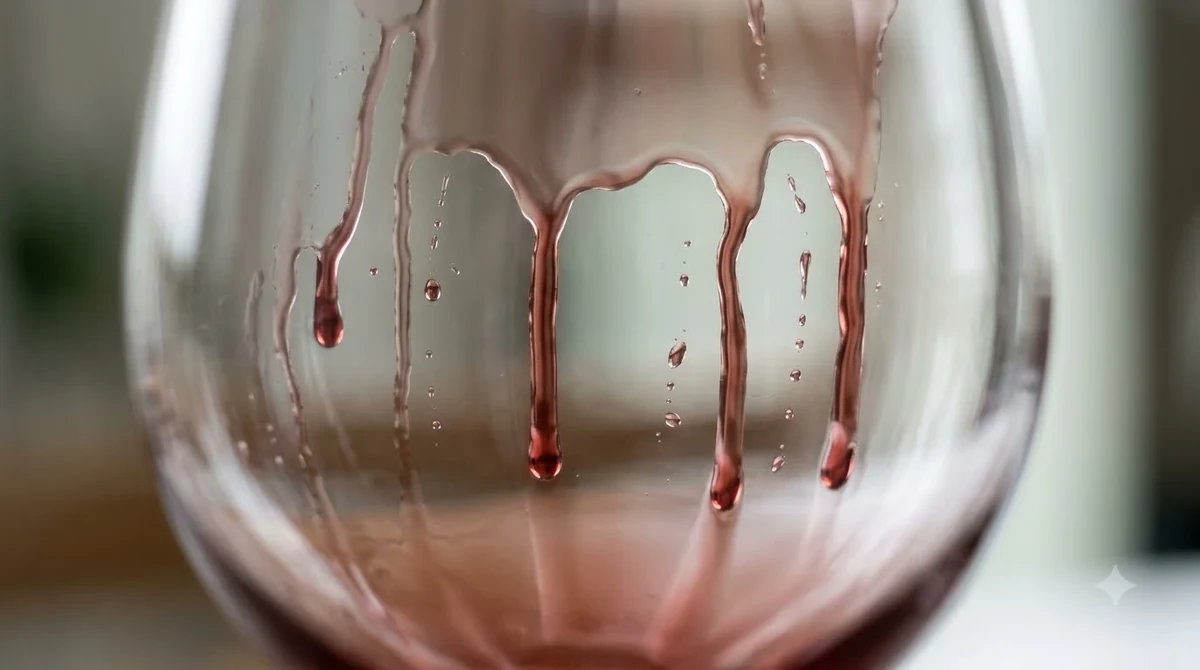
If you enjoy soft, fruity Merlot, start with Carménère or a fruit-forward Malbec. These wines can provide ripe dark-fruit flavors and a rounded palate without necessarily having the firm tannins of Cabernet Sauvignon. Chilean Carménère is especially useful if you enjoy subtle herbal notes alongside plum and black cherry.
If you prefer rich, full-bodied Merlot, look for Argentine Malbec or a ripe Cabernet Sauvignon. These alternatives offer substantial flavor and enough structure to accompany grilled meat, beef stew, and roasted lamb. Cabernet Sauvignon is generally more tannic, so it will feel firmer and less immediately supple.
If you like cool-climate Merlot, consider Cabernet Franc or Pinot Noir. Both can show fresh red fruit and savory characteristics, although their structures differ. Cabernet Franc offers more herbal intensity and firmer tannins, while Pinot Noir usually has higher acidity and lighter tannins.
If you enjoy oak-aged Merlot, try an oak-aged Tempranillo or Malbec. Vanilla, cedar, toast, and baking spice can create familiar secondary flavors. The amount of oak influence depends on the producer and the aging method, so two wines made from the same grape can taste quite different.
There is also a useful distinction between Merlot’s fruitiness and actual sweetness. If you like ripe, almost sweet-tasting fruit but still want a dry red, choose a ripe Malbec or Carménère. If you are specifically looking for a wine with noticeable residual sugar, these dry red alternatives may not deliver the sweetness you expect. Understanding Merlot sugar content can help clarify the difference between fruity flavors and measurable sugar.
Tip: Choose your replacement by matching texture first, then fruit character. If you love Merlot because it feels smooth and rounded, a fruit-forward Carménère may be a better choice than a highly tannic Cabernet Sauvignon, even if both wines have similar dark-fruit aromas.
Best Merlot Substitutes for Food Pairing
Food pairing is another practical way to choose an alternative. Merlot’s medium-to-full body and relatively gentle tannins make it suitable for many everyday meals, but a replacement may need a different pairing strategy because of its acidity or structure.
Beef, lamb, and grilled meats
Malbec is an excellent choice for grilled beef, burgers, and lamb. Its dark fruit and substantial body can complement the savory flavors created by grilling. Cabernet Sauvignon is another option, particularly with fatty steaks, because its stronger tannins interact well with rich proteins and fat.
For braised beef or beef stew, try Malbec, Tempranillo, or a medium-bodied Cabernet Franc. These wines provide enough fruit and structure to complement slow-cooked meat without necessarily overwhelming the dish.
Poultry, pork, and roasted vegetables
Cabernet Franc and Pinot Noir work well with roast chicken, turkey, and pork. Pinot Noir is particularly useful when the meal is relatively delicate, such as roast chicken with mushrooms or pork tenderloin with herbs. Its higher acidity provides freshness, while its lower tannin level keeps the pairing from feeling heavy.
Carménère is another good choice for grilled pork, roasted peppers, and vegetable dishes. Its herbal notes can complement rosemary, thyme, and other savory seasonings. A medium-bodied Tempranillo also works with roast pork and grilled vegetables.
Pasta, mushrooms, and tomato sauces
For pasta with tomato sauce, Sangiovese is often a stronger choice than Malbec or Cabernet Sauvignon. Its higher acidity can stand up to tomatoes, while its cherry and savory flavors complement herbs, garlic, and Parmesan.
For mushroom risotto, mushroom pasta, and earthy vegetable dishes, choose Pinot Noir, Cabernet Franc, or a restrained Tempranillo. Their aromatic complexity can complement earthy ingredients without adding excessive tannin.
Cheese and appetizers
Medium-bodied Carménère and softer Malbec can accompany mild and medium-intensity cheeses. Salt and fat soften the perception of tannin, which helps explain why firmer reds can work with richer cheeses. For lighter appetizers, Pinot Noir is a versatile choice.
One important exception is very spicy food. Alcohol and tannin can amplify chili heat, making full-bodied Cabernet Sauvignon or high-alcohol Malbec less comfortable alongside intensely spicy dishes. Choose a softer, lower-alcohol style when the meal contains substantial chili.
Replacing Merlot in Cooking and Recipes
When a recipe calls for Merlot, the best substitute depends on whether the wine is used for a braise, pan sauce, marinade, or pasta sauce. In most savory recipes, a dry red with moderate tannin and a similar flavor intensity is the safest replacement.
For beef stew and braised beef: Use Malbec, Cabernet Franc, or a medium-bodied Tempranillo. Malbec provides dark-fruit richness, while Cabernet Franc contributes herbal character. Cabernet Sauvignon also works, but its stronger tannins can become more noticeable as the cooking liquid reduces.
For tomato-based sauces: Sangiovese is a particularly useful substitute because its higher acidity complements tomatoes. Cabernet Franc is another option when you want herbal notes. Avoid using an excessively oaky or highly tannic wine if the sauce is relatively delicate.
For mushroom sauces: Pinot Noir and Cabernet Franc provide useful alternatives. Pinot Noir brings lighter red-fruit and earthy notes, while Cabernet Franc gives the sauce more structure. Both can work with mushrooms, shallots, garlic, and fresh herbs.
For marinades: Malbec, Tempranillo, and Carménère are practical choices for beef and pork. Their fruit and savory characteristics work well with ingredients such as rosemary, black pepper, garlic, and olive oil.
For pan sauces: Choose a wine with enough acidity to balance butter, stock, and meat drippings. Cabernet Franc or Pinot Noir can work particularly well. If using Cabernet Sauvignon, avoid adding too much because its tannins can become concentrated during reduction.
In most recipes, use the same volume of replacement wine as the Merlot specified. For example, a recipe requiring 1 cup of Merlot can generally use 1 cup of Malbec or Cabernet Franc. The final result may differ slightly in acidity, tannin, and fruit intensity, but the substitution is straightforward.
Choose a dry wine that you would be comfortable drinking. Avoid sweet red wines unless the recipe specifically calls for sweetness. Also avoid fortified wines as automatic replacements because their higher alcohol and different flavor profiles can significantly change the dish.
For a different cooking application, a fino sherry substitute can help when a recipe specifically requires the dry, nutty character of fino. However, fino sherry is not a direct replacement for Merlot in a red-wine braise.
Serving, Storing, and Buying Alternative Red Wines
A suitable replacement should also be served at the right temperature and stored correctly. Temperature affects the way fruit, acidity, tannin, and alcohol are perceived, so even a good bottle can seem unbalanced when served too warm or too cold.
For light-bodied Pinot Noir, aim for approximately 55–60 degrees Fahrenheit. Medium-bodied Cabernet Franc and Tempranillo are also enjoyable slightly cool, depending on their structure. Fuller-bodied Malbec, Carménère, and Cabernet Sauvignon are generally best around 60–65 degrees Fahrenheit.
Do not serve full-bodied red wines excessively warm. Higher serving temperatures can make alcohol feel more prominent and cause the wine to seem heavier. If a bottle has been stored at room temperature, placing it in the refrigerator briefly can bring it closer to a comfortable serving temperature.
For storage, keep unopened bottles in a cool, dark location near 55 degrees Fahrenheit, away from direct sunlight and significant temperature fluctuations. Bottles sealed with natural cork are generally stored on their sides to keep the cork from drying out.
Once opened, recork the bottle and refrigerate it. Most still red wines remain enjoyable for approximately 3–5 days, although delicate Pinot Noir may lose its freshness sooner. Allow refrigerated wine to warm slightly before serving again.
When buying a replacement, pay attention to the grape variety, growing region, alcohol level, and winemaking style. A Malbec from Mendoza may be much richer than a lighter-bodied Cabernet Franc from the Loire Valley. Likewise, a young Tempranillo may be fruitier and less oaky than a bottle with extended barrel aging.
According to Decanter’s Merlot grape guide, Merlot’s characteristic soft texture and mellow tannins help distinguish it from Cabernet Sauvignon. This is a useful starting point when evaluating alternatives. For another detailed overview, Wine Enthusiast’s Merlot guide explains its Bordeaux origins, international growing regions, and food-pairing characteristics.
Finally, remember that the grape variety alone does not determine the finished wine. Climate, vineyard conditions, fermentation, oak aging, and the producer’s decisions all influence the final style. Comparing regional examples is often more useful than assuming every bottle of Malbec or Cabernet Franc will taste alike.
Frequently Asked Questions
What is the closest white wine alternative to Merlot?
There is no white grape that reproduces Merlot’s color, tannin, and red-fruit profile. However, an unoaked Chardonnay can provide a medium-bodied alternative if you want a rounded texture rather than red-wine flavors. White wine should not be treated as a direct substitute in recipes that depend on the color and structure of red wine.
Can I use red wine blends instead of Merlot?
Yes. Many Bordeaux-style red blends combine Merlot with Cabernet Sauvignon, Cabernet Franc, and other permitted varieties. These blends can provide a similar combination of plum fruit, savory notes, and moderate-to-firm structure. Look for a Merlot-led blend if you want the closest resemblance to the original grape.
Is Zinfandel a good replacement for Merlot?
Zinfandel can replace Merlot when you want a fruit-forward red with generous body. However, many Zinfandels have more pronounced ripe berry, jam, and spice characteristics, as well as higher alcohol. It is particularly suitable for barbecue, grilled sausages, and smoky dishes rather than delicate poultry.
Can I substitute a red blend for Merlot in beef bourguignon?
Yes. A dry red blend with moderate tannins is suitable for beef bourguignon. A blend containing Merlot, Cabernet Franc, or softer Cabernet Sauvignon can provide the required fruit and savory character. Avoid very sweet blends because they can make the finished sauce taste unbalanced.
Is Beaujolais similar to Merlot?
Beaujolais is made primarily from Gamay rather than Merlot. It generally offers juicy red cherry, raspberry, and floral notes with relatively low tannins. Its lighter texture makes it different from most Merlots, but it can be an enjoyable alternative for people who prefer fresh, easy-drinking reds. Beaujolais from the Crus can offer greater concentration and complexity than basic Beaujolais styles.
Malbec and Carménère are excellent first choices if you want a Merlot substitute with generous fruit and an approachable texture. Cabernet Franc, Pinot Noir, and Tempranillo offer different combinations of freshness, structure, and savory complexity. Start by identifying the characteristics you enjoy most in Merlot, then choose an alternative that matches your preferred wine style and meal.
More in Wine Types & Grapes
 What Does Mourvèdre Taste Like? Flavor Profile, Regions, and PairingsUpdated Nov 20, 2026
 What Does Marsanne Taste Like? Flavors, Styles, and Food PairingsUpdated Nov 20, 2026
 What Does Malvasia Taste Like? Styles, Flavors, and Food PairingsUpdated Nov 20, 2026
 What Does Grenache Blanc Taste Like? Flavor Profile, Styles, and PairingsUpdated Nov 20, 2026
 What Does Garnacha Taste Like? Key Flavors, Styles, and Pairing TipsUpdated Nov 20, 2026
 What Does Fruit Wine Taste Like? A Complete Flavor and Style BreakdownUpdated Nov 20, 2026