

We may earn a commission when you buy through links on this page, at no extra cost to you. Learn more.
Merlot color is a deep ruby red when the wine is young, and it shifts toward garnet as the bottle ages. The color is usually more opaque than Pinot Noir and lighter than Cabernet Sauvignon, with dark blue undertones in the glass. A brick or orange tint at the rim is a common sign of an older bottle, while a bright, saturated core points to a younger wine.
Merlot is one of the most widely planted red grapes, and its color is one of the first clues people use to judge a glass before tasting. Knowing what a healthy merlot looks like can help you spot a young wine that is still developing, an older bottle that is near its peak, or one that has passed its best. This guide walks through the color, what causes it, and what it tells you about the wine inside.
What Merlot Color Looks Like in the Glass
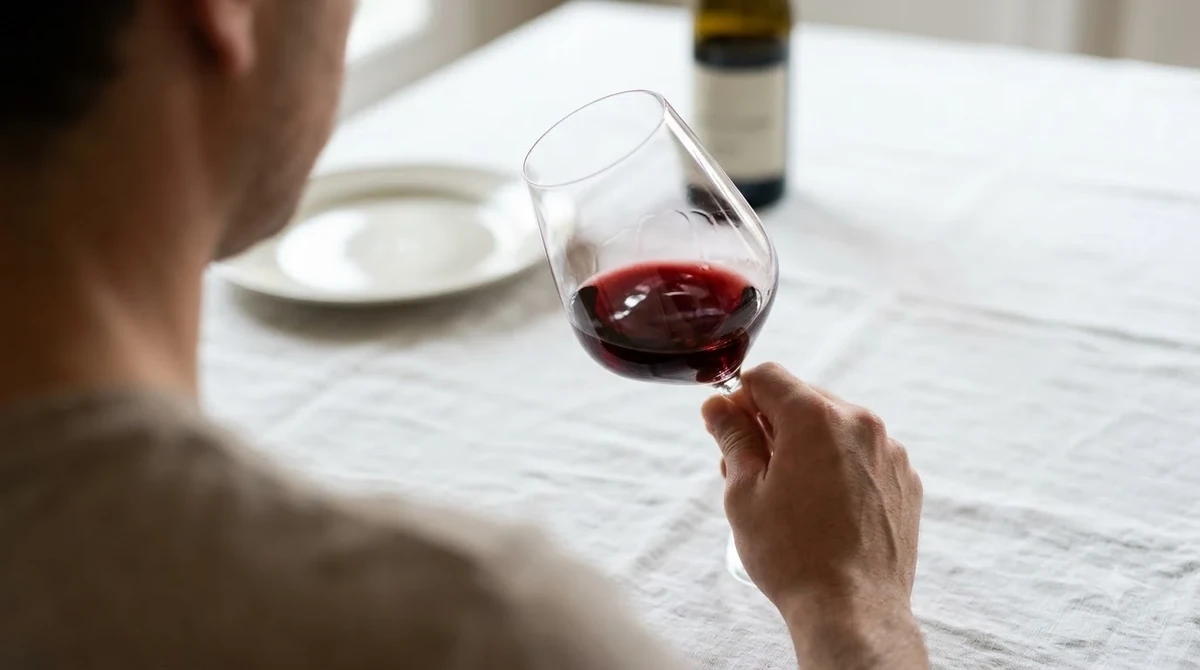
Young merlot shows a deep, saturated red with a purple cast at the center. Wine writers often describe it as semi-opaque to opaque, which means very little light passes through a full glass. The blue undertones come from the anthocyanin pigments in the grape skins, which are abundant in merlot and give the wine its depth.
Compared with other red wines, merlot sits in the middle. Pinot Noir is typically a lighter, more translucent ruby, so a merlot will look darker in the same glass. Cabernet Sauvignon is generally darker still, often with a near-black core. Holding a glass of merlot against a white background will show you whether it is leaning toward the lighter or the darker end of that range.
The rim is the most useful detail, and the Macy’s Wine Shop merlot guide names brick orange tones around the rim as a sign of the grape. Young merlot has a red rim, but as the wine ages the edge can take on brick orange tones. That change is a sign that the pigments are breaking down and the wine is moving toward the mature stage. It is a normal development, not a flaw, but it does tell you the bottle is no longer in its youngest form.
How Age Changes Merlot Color
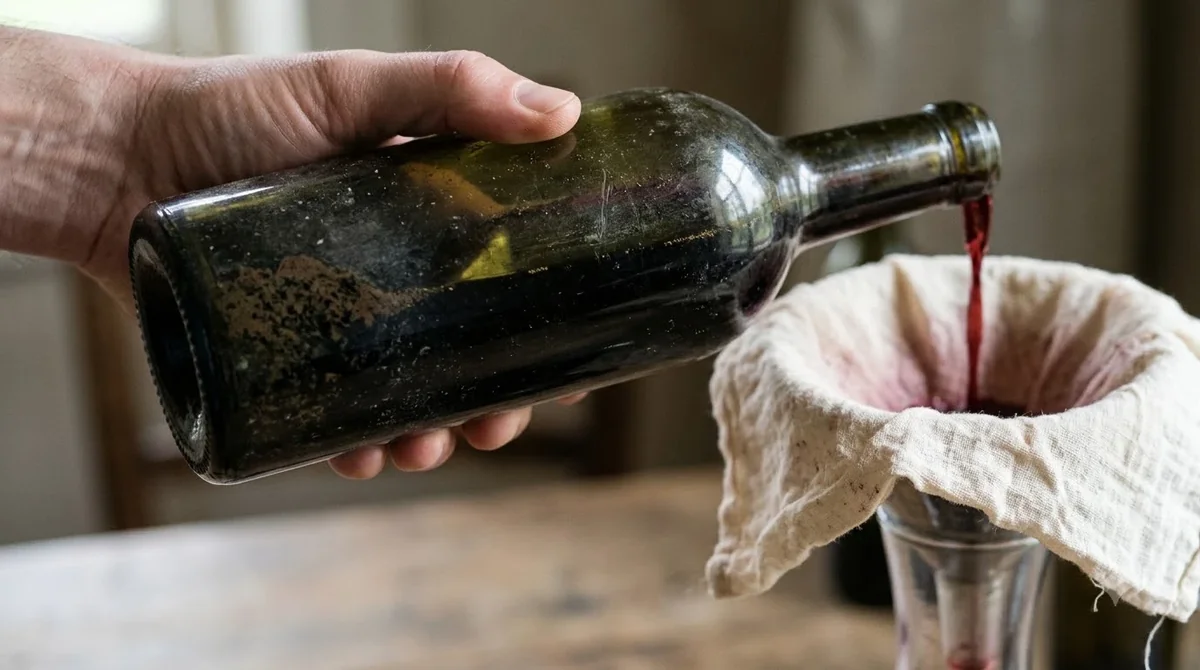
Color is one of the clearest indicators of how old a merlot is. Over time, the bright red and purple shades fade, and the wine loses pigmentation and brightness. The result is a garnet tone, which is a warmer, more brownish red. A garnet merlot is not necessarily spoiled, but it is a sign that the wine has been aging for a while and may be past its prime for drinking.
Many merlots are made to be drunk within a few years of the vintage, so a young bottle with a bright ruby color is usually at its best. Higher-end merlots, particularly those from cool climates or from producers who make structured, tannic styles, can hold their color and flavor for longer. In these bottles, you may see a healthy ruby core for years before the garnet shift becomes obvious.
When you judge age by color, look at both the center and the rim. A wine that is dark in the center but orange at the edge is likely mid-life. A wine that is garnet all the way through and pale at the rim is more mature and may have less fruit left. Neither is a guarantee of quality, but the color helps set expectations before you open the bottle.
Storage also affects how fast color changes. Heat and light speed up the breakdown of pigments, so a bottle kept in a warm room or sitting in direct sun may show garnet tones earlier than one stored in a cool, dark place. For practical guidance on keeping a bottle in good shape, see our merlot wine guide, which covers how the wine is styled and when to drink it.
Why Merlot Color Varies by Style and Climate
Not every merlot looks the same, and the reason is mostly the climate where the grapes grew and how the winemaker handled the juice. Merlot grown in warm regions tends to produce riper fruit with a softer tannin structure and a slightly lighter color. Merlot from cool climates often has thicker skins and more pigment, which gives a darker, more opaque glass.
Winemaking choices shape the color too. Longer skin contact during fermentation draws more pigment and tannin into the wine, producing a deeper ruby. Oak aging can also affect the hue, since oxygen moves through the barrel and gradually softens the color over time. Winemakers balance these choices to fit the style they want, so a bottle labeled as a deep ruby may come from a very different wine than one described as a lighter garnet.
Winery descriptions vary as well. Some producers describe their merlot as a vibrant garnet with dark ruby hues, while others call it a deep ruby color. Both descriptions can be accurate for the same style of wine at different ages. When a label or tasting note gives a color description, read it as a guide to what the wine looks like at release, not as a permanent truth.
| Merlot color | What it usually means | What to expect |
|---|---|---|
| Deep ruby with purple center | Young wine, recently bottled or recently released | Bright fruit, firm structure, may need time to soften |
| Ruby with dark blue undertones | Typical healthy merlot in its early years | Fruit-forward flavors, balanced tannins |
| Red core with orange rim | Mid-life wine developing with age | Softer tannins, more savory and earthy notes |
| Garnet throughout | Mature wine with pigment breakdown | Less fruit and brightness, drink soon |
| Brown or faded edges | Very old wine or heat-damaged bottle | Check aroma carefully before serving |
Tip: Tilt the glass over a white napkin or tablecloth. The rim and the core will show their true shade, and you can compare the color with the bottle’s vintage and label.
How Merlot Color Relates to Taste and Serving
Color gives you a rough guide to flavor, but it is not a perfect predictor. A deep ruby merlot usually has bright fruit and firm structure, which makes it a strong match for roasted meats and hearty pasta. A garnet merlot often tastes softer and more earthy, which suits mushroom dishes or a simple roast chicken better than a heavy sauce.
Serving temperature matters as well. Merlot tastes best slightly cooler than room temperature, and the usual guidance is to serve it at around 60 to 65 degrees Fahrenheit. Chilling the bottle in the refrigerator for about fifteen minutes before opening can bring it into that range. Chilling it too far will mute the aromas and make the tannins feel harsher.
Glassware can also change how you read the color. A wide-bowled glass gives more surface area for the wine to show its hue, while a narrow glass can make a young merlot look darker than it is. Pour enough to see the color clearly, but do not fill the glass, so the wine has room to open up and release its aromas.
Frequently Asked Questions
What color should a good merlot be?
A good young merlot is a deep ruby red with a purple or blue tint in the center. The color should look clear and bright rather than brown. Some merlots are naturally a little lighter, depending on the climate and winemaking style.
Is garnet merlot bad?
Not necessarily. Garnet color is a normal sign of age, because the pigments break down over time. A garnet merlot may still taste good, but it is usually best drunk soon. Smell the wine first, and if it has lost fruit or smells sour or vinegary, it may have gone off.
How does merlot color compare to pinot noir?
Merlot is generally darker and more opaque than pinot noir, which is typically a lighter, more translucent ruby. Merlot also tends to have a deeper color than pinot noir in the same vintage, though both can show orange tones at the rim as they age.
What does an orange rim on merlot mean?
An orange or brick rim usually signals that the wine has been developing for several years. It is a common feature of mature merlot, and it does not automatically mean the wine is bad. Taste the wine before deciding whether it is still enjoyable.
Color is a useful first check, but the best way to judge a merlot is to combine what you see with what you smell and taste. For more on the grape itself, read our merlot wine guide, and compare the shades of other reds in our guide to champagne color and rose color. Then explore the full Wine by Type section to see how merlot fits among the other varieties.
More in Wine Types & Grapes
 Zinfandel Sugar Content: Dry Red vs. White Zinfandel GramsUpdated Nov 21, 2026
 Best Zinfandel Substitute Options for Sipping and CookingUpdated Nov 21, 2026
 Zweigelt Food Pairing: Best Dishes, Cheeses, and Serving TipsUpdated Nov 21, 2026
 Zinfandel Tannins Explained: How Structure Shapes Every BottleUpdated Nov 21, 2026
 Zinfandel Sweetness Level: Dry Red vs. Sweet White Zin ExplainedUpdated Nov 21, 2026
 Xinomavro Food Pairing: Best Dishes, Styles, and Serving TipsUpdated Nov 21, 2026