

We may earn a commission when you buy through links on this page, at no extra cost to you. Learn more.
Yes, is primitivo full bodied is an easy question to answer because this southern Italian red consistently sits in the full-bodied category. Driven by warm-climate ripening in Puglia, Primitivo builds its plush, mouth-filling weight through high alcohol (typically 14 to 15.5 percent ABV), deeply pigmented skins, and concentrated dark fruit rather than aggressive, mouth-drying tannins. While regional sub-zones like Gioia del Colle produce slightly more restrained, medium-to-full-bodied expressions, classic bottlings such as Primitivo di Manduria deliver unmistakable richness and warmth on the palate.
Understanding what gives Primitivo its distinctive heft helps you know exactly what to expect before pulling the cork, whether you are shopping for a weeknight pasta dinner or a weekend barbecue. Unlike towering, high-tannin reds that demand years in a cellar before softening, Primitivo offers immediate generosity, plush texture, and ripe berry intensity right out of the gate.
What it is
Primitivo is a black-skinned red wine grape best known as southern Italy’s signature dark red and the genetic twin of California Zinfandel. Its name derives from the Italian word primo, meaning “first,” a nod to the vine’s tendency to bud and ripen earlier in the growing season than neighboring varieties.
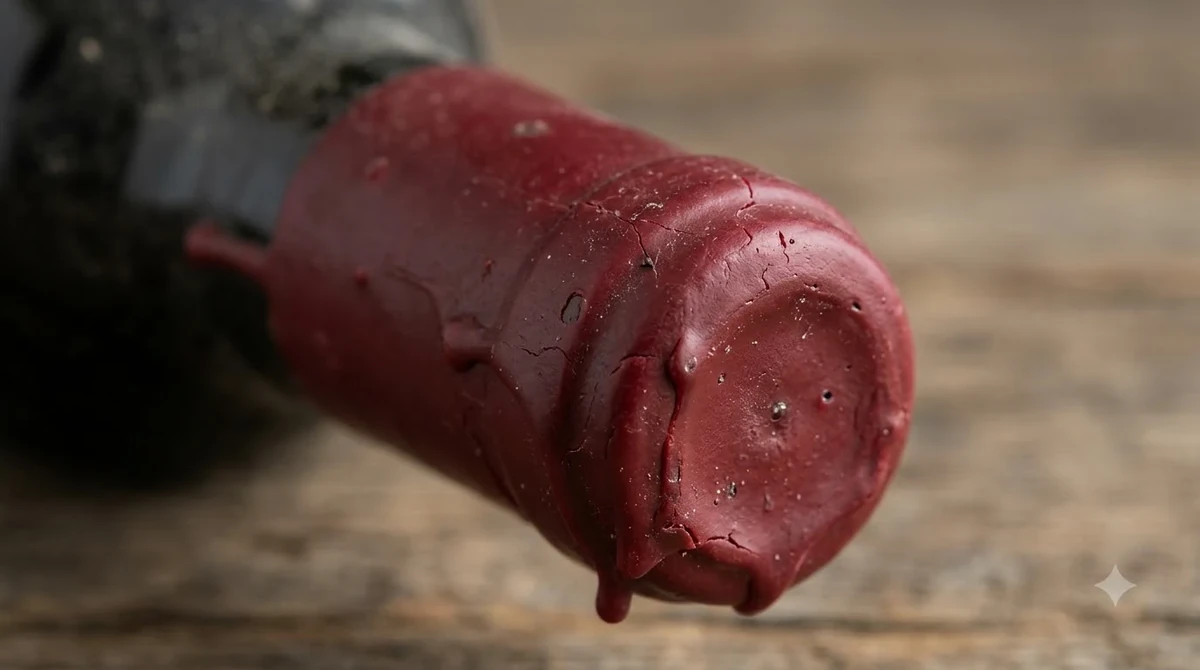
For decades, wine lovers and growers suspected a link between Italy’s Primitivo and California’s Zinfandel, but the exact relationship remained unproven until DNA profiling in the 1990s. Researchers confirmed that both grapes are genetically identical to an ancient Croatian variety called Tribidrag, also known as Crljenak Kaštelanski. Despite sharing the exact same DNA, centuries of cultivation in different climates and soils have shaped Primitivo into a distinct expression with its own regional identity.
In the vineyard, Primitivo grows in large bunches packed with small, thin-skinned berries that ripen unevenly. Because individual berries on the same cluster often reach different stages of ripeness at harvest, some grapes begin to shrivel and concentrate their natural sugars. According to Wine Folly’s comprehensive varietal guide, that high skin-to-juice ratio and elevated sugar content directly fuel the grape’s deep color, concentrated fruit character, and full-bodied, high-alcohol structure.
When wine tasters talk about body, they are describing the physical weight and viscosity of the liquid across the tongue—roughly the difference between skim milk, whole milk, and heavy cream. Primitivo lands squarely in that rich, heavy-cream tier of Wine by Type, yet it achieves that sensation differently than Cabernet Sauvignon or Nebbiolo. Instead of relying on grippy, astringent tannins to create structure, Primitivo builds its weight through glycerol, elevated alcohol, and ripe fruit extract.
Flavor and styles
Classic dry Primitivo is defined by plush dark-berry fruit, warm baking spices, and a velvety mouthfeel with moderate, forgiving tannins. Depending on where the grapes are grown and how the winemaker handles oak and harvest timing, styles range from bright and savory to intensely jammy and sweet.
On the nose and palate, you can expect a core of ripe blackberry, black cherry, roasted plum, and strawberry or peach preserves. Beneath that upfront wave of fruit sits an aromatic layer of cinnamon, clove, black pepper, licorice, and sweet tobacco. As bottles spend a few years in oak or bottle, secondary notes of dark chocolate, dried fig, leather, and Mediterranean herbs like dried oregano and thyme emerge alongside a long, warming finish.
Comparing Primitivo to other popular reds makes its structural profile much easier to picture. If you already know that is pinot noir full bodied is answered with a clear no due to its light, silky frame, Primitivo sits near the opposite end of the weight spectrum. Even when set beside fuller reds, Primitivo feels softer and rounder on the edges—more akin to the plush fruitiness discussed in is malbec full bodied or the velvety texture explored in is merlot full bodied than to angular, high-acid Italian reds like Sangiovese.
| Primitivo Style or Appellation | Body Weight | Typical ABV | Key Flavor and Structure Notes |
|---|---|---|---|
| Primitivo Salento IGT | Medium-Full to Full | 13.5% – 14.5% | Juicy blackberry, cherry, and black pepper with fresher acidity and approachable, everyday drinkability |
| Gioia del Colle DOC | Medium-Full to Full | 13.5% – 15.0% | Higher elevation yields brighter red fruit, herbal lift, firmer acidity, and slightly more restrained alcohol |
| Primitivo di Manduria DOC | Full | 14.0% – 15.5% | Lush dark fruit, dried fig, sweet spice, soft tannins, and warm, mouth-filling richness |
| Primitivo di Manduria Riserva | Full | 14.0% – 16.0% | Aged longer in oak and bottle; layered notes of leather, tobacco, dark chocolate, and concentrated plum |
| Primitivo di Manduria Dolce Naturale DOCG | Full (Sweet) | 15.0%+ | Late-harvest dessert style made from raisinated grapes; intense flavors of fruitcake, fig jam, and espresso |
Where it grows
Primitivo is overwhelmingly associated with Puglia, the sun-drenched southern region forming the heel of Italy’s boot, though smaller plantings also exist in Campania, Basilicata, California, and Croatia. Within Puglia, coastal breezes from the Adriatic and Ionian seas moderate intense Mediterranean heat, allowing grapes to reach full ripeness while retaining enough acidity to stay balanced.
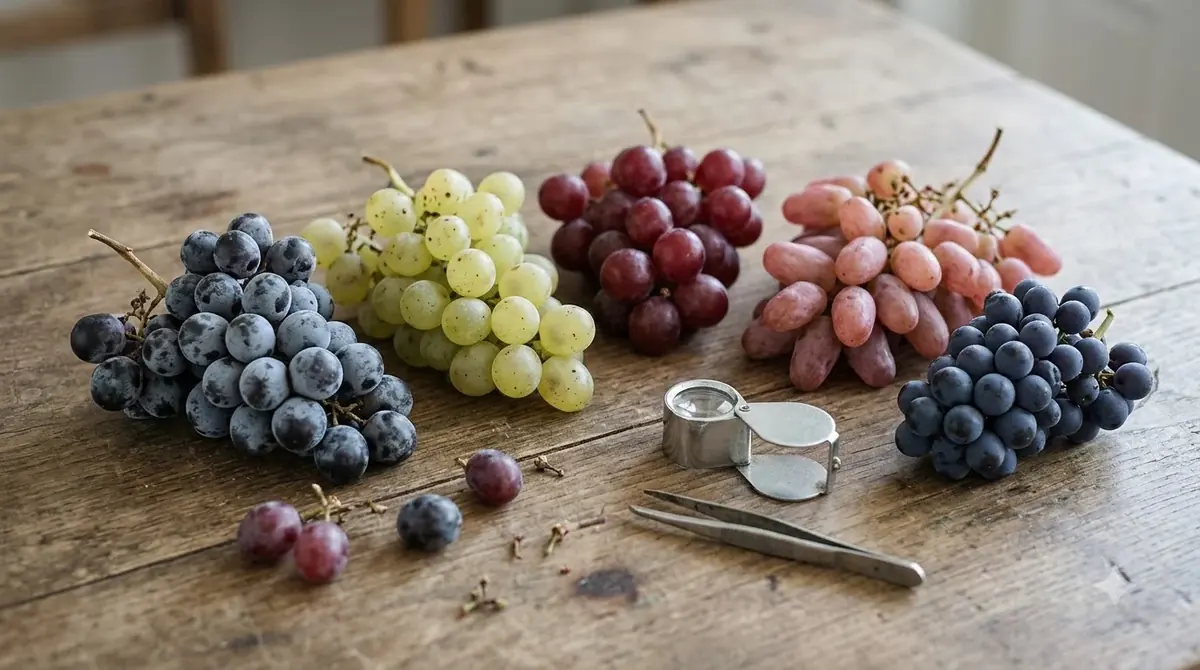
The grape’s most famous stronghold is Primitivo di Manduria DOC, located on the southern Salento peninsula near the Ionian Sea. Regulations here require wines to contain at least 85 percent Primitivo, and the region is prized for ancient bush-trained vines known as alberello pugliese. These low, gnarled vines grow close to the red, iron-rich clay and limestone soils, soaking up radiant heat from the earth and producing tiny yields of deeply concentrated berries.
Further north and inland, Gioia del Colle DOC offers a contrasting expression of the same grape. Vineyards here sit at higher elevations on limestone-heavy hills between Bari and Taranto, where cooler nights slow down ripening slightly. Reviewers at Wine Enthusiast’s Primitivo varietal guide highlight how the grape thrives in warm, dry climates while showing distinct regional shifts in acidity and spice. In Gioia del Colle, that cooler nocturnal air preserves crispness, yielding wines with vibrant red raspberry and cherry notes alongside a slightly leaner frame than Manduria’s opulent bottlings.
How to serve
Serving Primitivo slightly cooler than room temperature—ideally between 60°F and 68°F (15°C to 20°C)—keeps its full body focused and prevents its high alcohol from tasting hot or sharp. Giving a young bottle 20 to 30 minutes of air in a decanter also helps soften its edges and release complex spice and earth aromas.
Because Primitivo regularly reaches 14 to 15.5 percent alcohol, serving it at warm kitchen temperatures above 70°F can make the ethanol stand out on the nose and palate. Placing the bottle in the refrigerator for 15 to 20 minutes before pouring brings it right into the sweet spot where lush blackberry fruit and cinnamon spice shine without feeling syrupy. Pouring into a large-bowled red wine glass gives the concentrated aromatics plenty of surface area to open up.
While most everyday Puglia IGT and standard DOC Primitivos are crafted for enjoyment within three to five years of the vintage date, structured Riserva bottlings can develop gracefully in a cool, dark cellar for five to ten years. If you do not finish a bottle in one sitting, re-cork it tightly and store it in a cool spot; Primitivo’s generous fruit extract and alcohol help it hold up well for two to three days after opening.
Tip: Put your bottle of Primitivo in the fridge for 15 minutes before dinner so it lands near 62°F, which keeps the rich dark fruit lively and tames the warming alcohol.
Food pairing
Primitivo’s combination of full body, soft tannins, and ripe fruit makes it a natural partner for smoky, savory, and slow-cooked dishes. Rather than clashing with sweet glazes or rich sauces, its plush berry character mirrors caramelized flavors on the plate while its alcohol cuts through fat.
Barbecue and grilled meats sit at the very top of Primitivo’s pairing list. Smoked brisket, baby back ribs with a tangy-sweet rub, grilled sausages, and herb-crusted pork tenderloin all match the wine’s intensity without overwhelming its moderate tannins. In southern Italy, locals routinely pair the wine with slow-simmered meat ragù over orecchiette, baked lasagna, and roasted lamb seasoned with rosemary and garlic.
Vegetarians and cheese lovers also have plenty of hearty options to work with. Charred eggplant parmesan, mushroom risotto, lentil stews, and roasted radicchio drizzled with olive oil echo the wine’s earthy, herbal undertones. On a cheese board, skip delicate fresh cheeses and reach for aged, savory selections like sharp cheddar, smoked gouda, aged pecorino, or grilled halloumi.
How to choose a bottle
Reading the regional appellation and alcohol percentage on the front label is the fastest way to predict how full-bodied and rich a bottle of Primitivo will taste. Looking for specific quality tiers and vine-age cues lets you match the bottle to your meal and palate preferences.
Start by checking the geographic designation printed beneath the grape name. If you want maximum richness, dark fig character, and a velvety, mouth-coating finish, look for Primitivo di Manduria DOC or a Riserva bottling, which must meet higher minimum alcohol and aging standards. If you prefer a slightly brighter, more food-versatile red with firmer acidity and red-berry lift, seek out Gioia del Colle DOC or a crisp Salento IGT.
Next, scan the back or front label for ABV and vineyard notes. Bottles listing 13.5 to 14 percent ABV generally lean toward medium-full body with fresher acidity, whereas bottles at 14.5 to 15.5 percent ABV signal riper, fuller, more opulent fruit. Phrases such as vecchie vigne (old vines) or alberello indicate lower-yielding heritage vines that typically deliver deeper concentration and layered spice complexity.
Frequently Asked Questions
Is Primitivo dry or sweet?
Standard Primitivo—including Puglia IGT, Gioia del Colle DOC, and Primitivo di Manduria DOC—is fermented dry, though its intensely ripe blackberry and plum flavors can create an impression of fruit sweetness on the palate. The main exception is Primitivo di Manduria Dolce Naturale DOCG, a dedicated dessert wine made from late-harvest, air-dried grapes that retains significant natural residual sugar.
Are Primitivo and Zinfandel the exact same wine?
Primitivo and Zinfandel are genetically identical grape varieties—both clones of Croatia’s ancient Tribidrag grape—but they produce noticeably different wines due to climate, soil, and winemaking traditions. Italian Primitivo typically highlights dark berry fruit, dried Mediterranean herbs, earth, and softer tannins, while California Zinfandel often leans toward bolder jammy fruit, vanilla oak, and higher spice intensity.
Is Primitivo heavier than Cabernet Sauvignon or Merlot?
Primitivo matches Cabernet Sauvignon in overall body weight and alcohol, yet it feels noticeably softer and rounder because its tannins are much gentler and less astringent. Compared to Merlot, Primitivo is generally fuller, darker, and higher in alcohol, trading Merlot’s softer red-plum profile for richer blackberry concentration and a warmer finish.
Why does Primitivo have such a high alcohol content?
Primitivo thrives in hot, sunny Mediterranean climates like southern Italy’s Puglia region, where abundant sunshine builds high natural sugar levels inside the grapes before harvest. Furthermore, Primitivo clusters ripen unevenly, meaning some berries partially raisinate on the vine and concentrate sugars even further, which yeasts convert into 14 to 15.5 percent alcohol during fermentation.
Whether you pour a vibrant Salento bottling alongside weeknight pasta or uncork an old-vine Manduria Riserva for weekend barbecue, Primitivo rewards anyone who loves generous, fruit-driven red wines. Knowing how climate, alcohol, and appellation shape its full body makes it easy to pick the exact style your table calls for.
More in Wine Types & Grapes
 What Does Mourvèdre Taste Like? Flavor Profile, Regions, and PairingsUpdated Nov 20, 2026
 What Does Marsanne Taste Like? Flavors, Styles, and Food PairingsUpdated Nov 20, 2026
 What Does Malvasia Taste Like? Styles, Flavors, and Food PairingsUpdated Nov 20, 2026
 What Does Grenache Blanc Taste Like? Flavor Profile, Styles, and PairingsUpdated Nov 20, 2026
 What Does Garnacha Taste Like? Key Flavors, Styles, and Pairing TipsUpdated Nov 20, 2026
 What Does Fruit Wine Taste Like? A Complete Flavor and Style BreakdownUpdated Nov 20, 2026