

We may earn a commission when you buy through links on this page, at no extra cost to you. Learn more.
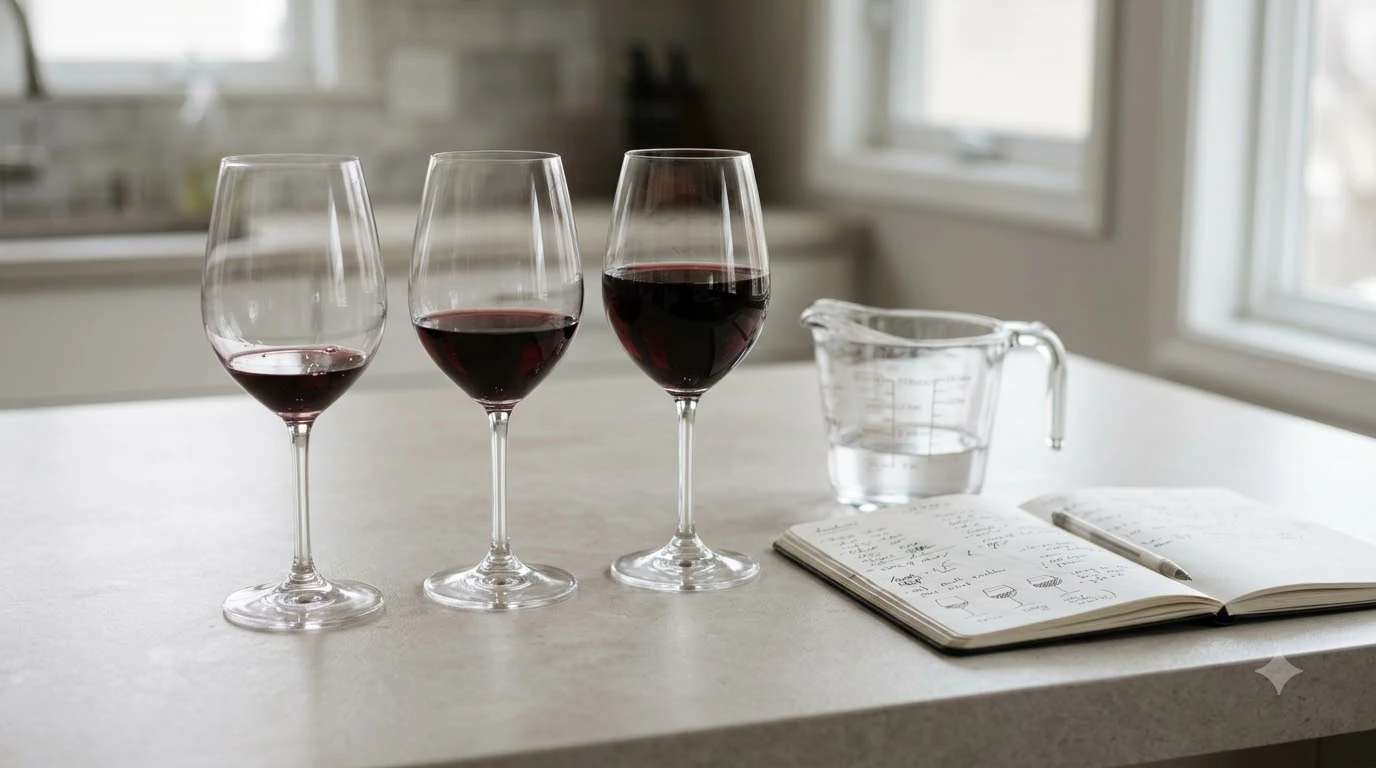
The standard merlot sweetness level is dry, meaning virtually all natural grape sugars are converted into alcohol during fermentation, leaving less than 4 grams per liter of residual sugar. While Merlot often tastes lush, fruity, and approachable, that sensation comes from ripe plum and black cherry aromas paired with soft tannins rather than actual sugar. Only rare specialty or value-driven bottles leave noticeable residual sugar behind to create an off-dry or sweet style.
Many shoppers pick up a bottle of Merlot expecting a sweet red wine because of its smooth reputation and jammy fruit notes. Understanding how winemakers ferment the grape—and why fruitiness differs from true sugar—helps you know exactly what will land in your glass before you pull the cork.
What Merlot Is and Why It Tastes Smooth
Merlot is a dark-skinned red wine grape originating in Bordeaux, France, that produces dry, medium- to full-bodied wines known for supple textures and moderate acidity. Because the grape features thinner skins and softer tannins than Cabernet Sauvignon, tasters frequently mistake its plush mouthfeel and ripe fruit flavors for actual sweetness.
In French, the name Merlot translates to “the little blackbird,” a nod to both the grape’s dark blue-black hue and the local birds that historically snacked on the ripening berries in Bordeaux vineyards. Despite that charming origin story, the wine itself is built on classic dry winemaking. During fermentation, yeast consumes the natural sugars in the crushed grape juice and converts them into ethanol and carbon dioxide. When the yeast completes its work, almost no sugar remains in the finished liquid.
Confusion around the red wine sweetness level usually stems from mixing up fruit aromas with sugar on the palate. Your nose can detect sweet-smelling compounds like ripe plum, black cherry, vanilla, and cocoa, which prime your brain to expect sugar. Once the wine hits your tongue, however, true sweetness registers strictly as viscosity and sugary coating, whereas a dry Merlot finishes clean with gentle tannic grip and refreshing acidity.
Tannins also play a major role in how dry a wine feels. Cabernet Sauvignon packs heavy, astringent tannins that dry out your gums and make the wine taste stern in its youth. Merlot’s tannins are rounder and less aggressive, allowing its juicy berry flavors to step forward without bitterness. That smooth delivery makes Merlot one of the most welcoming entry points into dry red wine.
Residual Sugar and Merlot Sweetness Levels Explained
Most commercial and fine Merlot falls squarely into the bone-dry to dry tier on the wine sweetness spectrum, holding roughly 0 to 4 grams of residual sugar per liter. While a handful of winemakers intentionally halt fermentation early to craft off-dry or novelty sweet reds, these bottles represent a tiny fraction of the market.
Residual sugar, commonly abbreviated as RS, is the natural grape sugar left behind if fermentation stops before yeast consumes every gram. According to Wine Enthusiast, a few grams per liter of residual sugar is still classified as a dry wine and typically translates to between zero and 4 grams of carbohydrates per 5-ounce pour. In fact, trace amounts of residual sugar often go completely unnoticed on the palate because the wine’s natural acidity and subtle tannins balance out the richness.
Still, not every bottle labeled Merlot behaves identically. Mass-market, value-oriented bottlings from warm growing regions sometimes retain slightly higher residual sugar—closer to 5 to 10 grams per liter—to broaden their appeal and soften rough edges. Meanwhile, dedicated dessert-style or sweet red blends occasionally use Merlot as a base, though producers almost always highlight that sweetness on the front or back label.
| Sweetness Category | Residual Sugar (g/L) | Taste Profile on the Palate | How Common in Merlot |
|---|---|---|---|
| Bone Dry | 0 to 1 g/L | Crisp, savory finish with zero sugary weight; earthy and herbal notes shine. | Very common (especially Bordeaux and cool climates) |
| Dry | 1 to 4 g/L | Clean finish with plush fruit perception and rounded mouthfeel. | Standard for most Merlot worldwide |
| Off-Dry (Semi-Dry) | 5 to 15 g/L | Subtle hint of richness and soft fruit sweetness on the mid-palate. | Uncommon; mostly select budget-friendly New World bottles |
| Sweet | 30+ g/L | Noticeably syrupy, dessert-like texture with pronounced sugar. | Rare; limited to specialty late-harvest or sweet red blends |
Comparing Merlot to white varieties makes the numbers even clearer. Even a crisp, dry white wine—such as those covered in our guide to pinot grigio sweetness level—typically sits in that same sub-4 grams per liter bracket. By contrast, sparkling wines have entirely different labeling rules where a term like “Dry” actually indicates noticeable sweetness, as seen when checking the prosecco sweetness level.
Flavor Profiles and Regional Styles
Merlot is widely considered a chameleon grape because its flavor profile, alcohol content, and perceived sweetness shift dramatically depending on climate and winemaking choices. Cooler growing regions produce structured, savory bottles with red fruit and herbal notes, while sun-drenched climates yield riper, jammy wines that feel richer on the palate.
As VinePair notes in its Merlot guide, warm-climate examples from places like California, Chile, and Australia develop juicier dark fruit notes, moderate tannins, and higher alcohol levels approaching 14.5 percent ABV. Because abundant sunshine ripens the grapes to higher natural sugar levels before harvest, yeast produces more alcohol during fermentation. Higher alcohol adds viscosity and a subtle warming sensation that tricks the palate into perceiving extra sweetness, even when the wine is technically fermented dry.
In cooler climates—such as Bordeaux’s Right Bank in France, Washington State’s Columbia Valley, or New York’s Long Island and Finger Lakes—Merlot ripens more slowly. Alcohol levels typically sit between 13 and 14 percent ABV, and the wines show firmer tannins alongside flavors of black cherry, graphite, dried herbs, and cocoa. Oak barrel aging adds another layer of sensory complexity, introducing sweet-smelling spices like vanilla, clove, and cedar without adding a single gram of sugar.
Understanding these stylistic differences helps explain why two dry Merlots can taste worlds apart. A young, unoaked Merlot bursts with fresh raspberry and plum, whereas an oak-aged Right Bank Bordeaux blend leans earthy, savory, and structured enough to age for decades.
How to Serve Merlot for the Best Balance
Serving Merlot slightly below room temperature—ideally between 60 and 65 degrees Fahrenheit—keeps its fruit fresh and prevents alcohol from dominating the palate. When served too warm, the wine tastes heavy and overly alcoholic; when served too cold, its plush berry aromatics shut down.
The old rule about serving red wine at room temperature dates back to drafty European stone cellars rather than modern climate-controlled homes kept at 70 to 75 degrees Fahrenheit. Placing a bottle of Merlot in your refrigerator for about 15 minutes before opening brings it right into the 60 to 65 degree sweet spot. That slight chill tightens the wine’s structure, sharpens its natural acidity, and keeps ripe warm-climate styles from feeling flabby or cloying.
A standard large-bowled red wine glass works well for Merlot, giving the liquid plenty of surface area to breathe. While heavily tannic reds often require an hour or more in a decanter, most everyday Merlots open up after 15 to 30 minutes of air in the glass or a brief decant. If you do not finish the bottle in one sitting, push the cork back in and store it upright in the refrigerator, where the flavors will stay vibrant for two to four days.
Tip: If a warm-climate Merlot tastes overly jammy or heavy out of the bottle, chill it in the fridge for 15 to 20 minutes—cooler temperatures highlight acidity and tone down perceived sweetness.
Food Pairings That Highlight Merlot’s Dry Character
Because Merlot combines dry structure with moderate acidity and soft tannins, it pairs effortlessly with a wide range of savory dishes without clashing with herbs, sauces, or charred flavors. The best matches mirror the wine’s medium-to-full weight while using fat and umami to soften its subtle tannic grip.
Classic, structured Merlots from Bordeaux or Washington State shine alongside protein-rich main courses. Dishes like roast duck, herb-crusted rack of lamb, grilled ribeye, and steak frites rely on rich fats that bind with the wine’s tannins, leaving your palate refreshed between bites. Earthy, umami-packed ingredients—such as wild mushroom risotto, roasted portobellos, and caramelized onions—also echo the cocoa and forest-floor undertones found in cooler-climate bottlings.
Plush, fruit-forward Merlots from California or Chile are equally versatile at casual weeknight tables. Their juicy plum and black cherry notes complement tomato-based pastas, wood-fired pizza, bacon cheeseburgers, and slow-cooked pork shoulder. What you want to avoid are overly sweet desserts like frosted cake or milk chocolate; pairing a dry Merlot with sugary food strips the wine of its fruit and makes it taste sharp and bitter.
How to Choose a Dry or Fruity Bottle
Since American wine labels rarely print residual sugar numbers, checking the region of origin, alcohol percentage, and back-label tasting notes gives you the clearest clues about how dry a Merlot will taste. Matching those label cues to your personal palate ensures you bring home the exact style you want.
If you prefer a crisp, savory, bone-dry red with earthy complexity, look toward Old World regions like Saint-Émilion or Pomerol in Bordeaux, or cooler New World spots such as Washington State and New York’s North Fork. Check the alcohol by volume on the front or back label: bottles sitting at 13 to 13.5 percent ABV almost always lean leaner, brighter, and more food-focused. Exploring broader categories on our Wine by Type page can also help you compare Merlot against neighboring red varieties.
If you enjoy a riper, rounder glass that feels plush and fruit-driven while remaining dry, reach for bottles from Napa Valley, Sonoma County, Paso Robles, or Chile’s Colchagua Valley with alcohol levels around 14 to 14.5 percent ABV. Back-label descriptors like “velvety,” “mocha,” “jammy blackberry,” or “vanilla oak” point toward a richer mouthfeel, whereas words like “graphite,” “dried herbs,” and “bright acidity” signal a drier, more traditional profile.
Frequently Asked Questions
Is Merlot considered a sweet or dry red wine?
Merlot is overwhelmingly a dry red wine. During fermentation, yeast converts nearly all the grape’s natural sugar into alcohol, typically leaving less than 4 grams of residual sugar per liter. Its reputation for tasting smooth comes from soft tannins and ripe plum or cherry flavors rather than actual sweetness.
Why does some Merlot taste sweeter than Cabernet Sauvignon?
Merlot has thinner grape skins and gentler tannins than Cabernet Sauvignon, which means less astringency and bitterness on your palate. When grown in warm climates, Merlot also develops higher alcohol and ripe berry aromas that create a plush, sweet-seeming impression even when the wine contains virtually zero sugar.
How much sugar and carbs are in a glass of Merlot?
A standard 5-ounce serving of dry Merlot generally contains between zero and 4 grams of carbohydrates and roughly 125 calories. Most of those calories come from alcohol rather than sugar, though inexpensive mass-market bottles may retain slightly more residual sugar for a softer finish.
Can you find sweet Merlot if you prefer sweeter wines?
While rare, a few wineries produce off-dry or sweet red wines made with Merlot by halting fermentation early to retain natural grape sugar. Look for terms like “sweet red,” “semi-sweet,” or “late harvest” on the label, or explore naturally sweeter red styles like Lambrusco or Ruby Port instead.
Knowing that the typical merlot sweetness level sits firmly on the dry side makes shopping and pairing much simpler. Whether you reach for a savory, cool-climate bottle or a plush, sun-ripened expression, paying attention to region, alcohol percentage, and serving temperature will help you pour a glass that hits your exact flavor preferences every time.
More in Wine Types & Grapes
 What Does Ruby Port Taste Like? Flavor Notes, Styles, and Serving TipsUpdated Nov 21, 2026
 What Does Ribolla Gialla Taste Like? Crisp White and Amber Styles ExplainedUpdated Nov 21, 2026
 What Does Semillon Taste Like? Flavor Profile, Styles & PairingsUpdated Nov 21, 2026
 What Does Scuppernong Taste Like? Flavor, Styles, and Pairing GuideUpdated Nov 21, 2026
 What Does Saperavi Taste Like? Flavors, Styles, and Pairing GuideUpdated Nov 21, 2026
 What Does Natural Wine Taste Like? Flavors, Styles, and Serving TipsUpdated Nov 21, 2026