

We may earn a commission when you buy through links on this page, at no extra cost to you. Learn more.
Merlot history begins in Bordeaux, southwestern France, where the grape appeared in historical records during the late 18th century before becoming one of the world’s most widely recognized red wine varieties. Its development involved centuries of vineyard selection, changes in Bordeaux winemaking, and eventual expansion into California, Chile, Italy, and other wine regions. Understanding this history explains why Merlot became famous for its rounded texture, approachable fruit character, and important role in classic Bordeaux blends.
Merlot is now familiar to wine drinkers across the United States, but its international popularity is relatively recent compared with the long history of European winemaking. Its roots lie in the vineyards of southwestern France, where growers gradually recognized the grape’s suitability for local soils and blending traditions. From its early appearances under different names to its prominence in modern wine production, Merlot’s story reflects the changing priorities of vineyard owners, winemakers, and wine consumers.
The Bordeaux Origins of Merlot
Merlot originated in southwestern France, with Bordeaux serving as its historic center. Although the grape’s precise birthplace has not been established, historical evidence connects its early cultivation with the Libournais area on Bordeaux’s Right Bank.
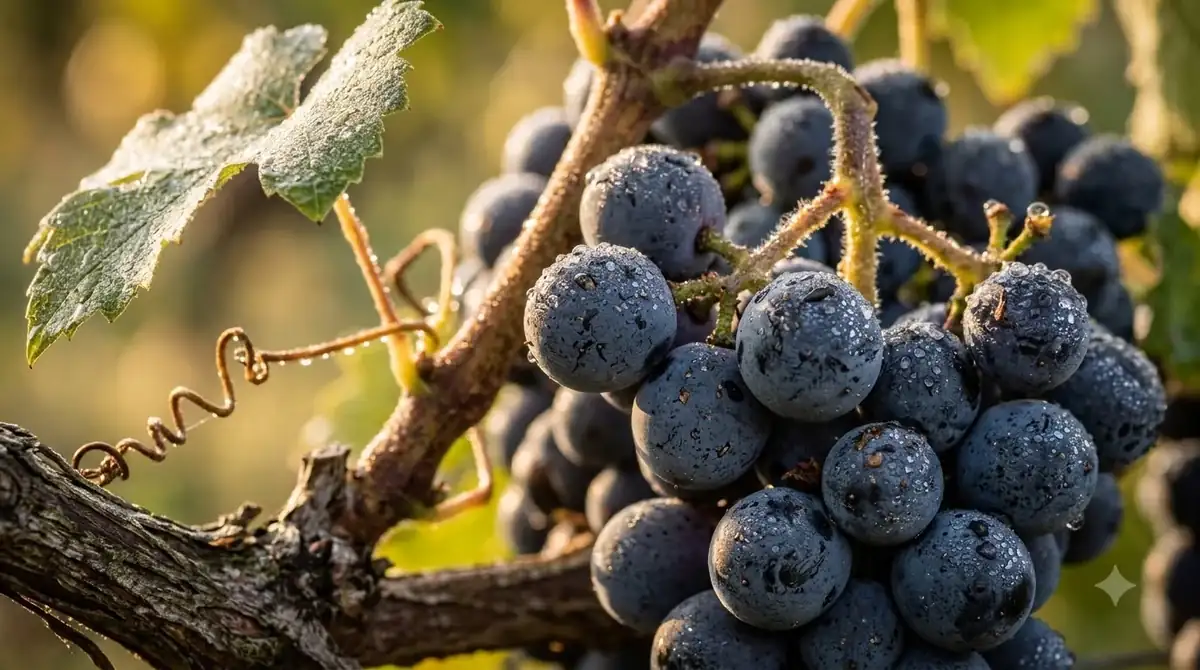
The first references to Merlot appear in French literature toward the end of the 18th century. Historical grape research identifies the variety as an established local presence by this period, although it was not yet the dominant Bordeaux grape that modern wine drinkers recognize. The historical record also contains several older names that help researchers trace its development through southwestern France.
The Libournais region includes important wine-producing communities such as Saint-Émilion and Pomerol. These areas eventually became particularly associated with Merlot because of their soil conditions and suitability for earlier-ripening grape varieties. Clay and limestone soils provide a different growing environment from the warmer gravel soils found across much of the Médoc on Bordeaux’s Left Bank.
These geographical differences influenced the development of Bordeaux’s red wine traditions. Growers increasingly recognized that Merlot performed well in cooler, moisture-retaining clay soils, while Cabernet Sauvignon was particularly suited to the gravel-based vineyards of the Left Bank. This distinction helped establish the contrasting blending traditions that remain important to Bordeaux wine identity.
For readers interested in the geographical background, understanding where Merlot is from provides useful context for the grape’s historical development and its relationship with the major Bordeaux appellations.
The early history of Merlot should not be confused with the much older history of winemaking in Bordeaux. Wine production existed in the region long before Merlot became a documented variety. Its eventual prominence came through agricultural selection and changing vineyard practices rather than an ancient reputation that remained unchanged over centuries.
The Name Merlot and Its Genetic Origins
The name Merlot is commonly associated with the French word merle, meaning blackbird. The connection reflects the grape’s dark berries and the traditional observation that birds were attracted to the ripening fruit.
One explanation suggests that blackbirds frequently fed on Merlot grapes because of their early ripening. Another interpretation connects the name with the dark color of the berries themselves. Although the bird explanation is widely repeated, the precise historical reason for the name has not been conclusively established.
Historical records also identify Merlot through several alternative names. These include Merlau, Plant Médoc, Crabutet Noir and Vitraille. Such synonyms reflect the regional vocabulary and historical naming practices that existed before grape varieties became consistently identified through modern agricultural classification.
The relationship between Merlot’s name and its historical synonyms also illustrates why tracing grape origins can be complicated. A grape could be known by different names in neighboring communities, and historical references do not always provide enough botanical detail to establish that every recorded synonym represented precisely the same variety.
DNA research revealed Merlot’s parents
Modern genetic research provided a much clearer answer about Merlot’s biological origins. DNA analysis established that Merlot is the natural offspring of Cabernet Franc and Magdeleine Noire des Charentes, an older French grape variety that is comparatively obscure today.
This discovery is particularly interesting because Cabernet Franc also contributed to the ancestry of Cabernet Sauvignon. Merlot and Cabernet Sauvignon therefore share a parent, making them genetic relatives rather than unrelated varieties that simply happen to grow well together in Bordeaux.
The connection helps explain why these grapes have complementary roles in traditional Bordeaux winemaking. Merlot generally supplies softer fruit and a rounder texture, while Cabernet Sauvignon contributes firmer tannins and structure. Cabernet Franc can add aromatic complexity and another layer of balance to the finished blend.
Genetic parentage does not mean that Merlot was deliberately created by a modern breeder. Its ancestry reflects natural grapevine crossing followed by generations of cultivation and selection. The exact location and circumstances of that original crossing remain uncertain.
For wine enthusiasts, the genetic discovery adds an important scientific dimension to Merlot history. It connects the grape to the broader family of southwestern French varieties and explains some of the similarities between Bordeaux’s best-known red grapes. The University of California, Davis research summary on Merlot parentage provides additional detail about the DNA evidence and the grape varieties involved.
Merlot’s Rise in Nineteenth-Century Bordeaux
Merlot became increasingly important during the 19th century, moving from a relatively secondary vineyard variety toward a major component of Bordeaux’s red wine production. Its early ripening and useful growing characteristics helped attract the attention of winegrowers.
Although Merlot appears in records from the late 18th century, it took time for growers to understand its agricultural and winemaking advantages. The variety was described more thoroughly by French grape specialists during the middle of the 19th century. These descriptions helped establish its identity and documented its suitability for respected Bordeaux wines.
Research into Merlot’s development also identifies its relatively low susceptibility to powdery mildew, particularly compared with Cabernet Sauvignon, as one factor behind early interest from growers. Powdery mildew can damage grapevine growth and fruit development, making disease resistance an important consideration in vineyard management.
Merlot’s earlier ripening provided another practical advantage. Cabernet Sauvignon generally requires a longer growing season, while Merlot can reach maturity sooner. This difference helps growers spread harvest work across different vineyard blocks and can reduce exposure to unfavorable autumn weather.
Changes in Bordeaux vineyard practices
During the 19th century, Bordeaux growers continued refining their vineyard practices and grape selections. Merlot became particularly valuable in the Right Bank communities, where clay and limestone soils supported its growth and contributed to the development of wines with generous fruit and relatively soft tannins.
Its position was not identical across Bordeaux. On the Left Bank, Cabernet Sauvignon retained an important role in many vineyard blends, particularly in the Médoc. Merlot was often included to provide fruit, softness, and balance. On the Right Bank, particularly in Pomerol and Saint-Émilion, Merlot increasingly became the dominant grape.
The difference was not simply a matter of regional preference. Soil composition, drainage, growing conditions, and ripening patterns all influenced which varieties performed most successfully in particular vineyard locations.
Merlot’s growing importance also coincided with the development of more sophisticated approaches to blending. Rather than relying on a single variety, Bordeaux producers could combine grapes with different characteristics and harvest schedules to create more balanced wines.
Tip: When comparing Bordeaux wines, look at the appellation as well as the grape names. A Pomerol or Saint-Émilion red will commonly feature substantial Merlot, while many Médoc wines place Cabernet Sauvignon in the leading role.
Merlot’s Role in Traditional Bordeaux Blends
Merlot became a cornerstone of Bordeaux winemaking because its characteristics complement those of other regional grape varieties. Its softer tannins and generous fruit can balance the firmer structure of Cabernet Sauvignon and the aromatic contributions of Cabernet Franc.
Bordeaux blends developed partly because different grape varieties respond differently to weather and vineyard conditions. Merlot ripens earlier than Cabernet Sauvignon, which can help growers reduce the risk of losing an entire crop to late-season rain. Combining varieties also gives winemakers greater flexibility when adjusting the character and structure of a finished wine.
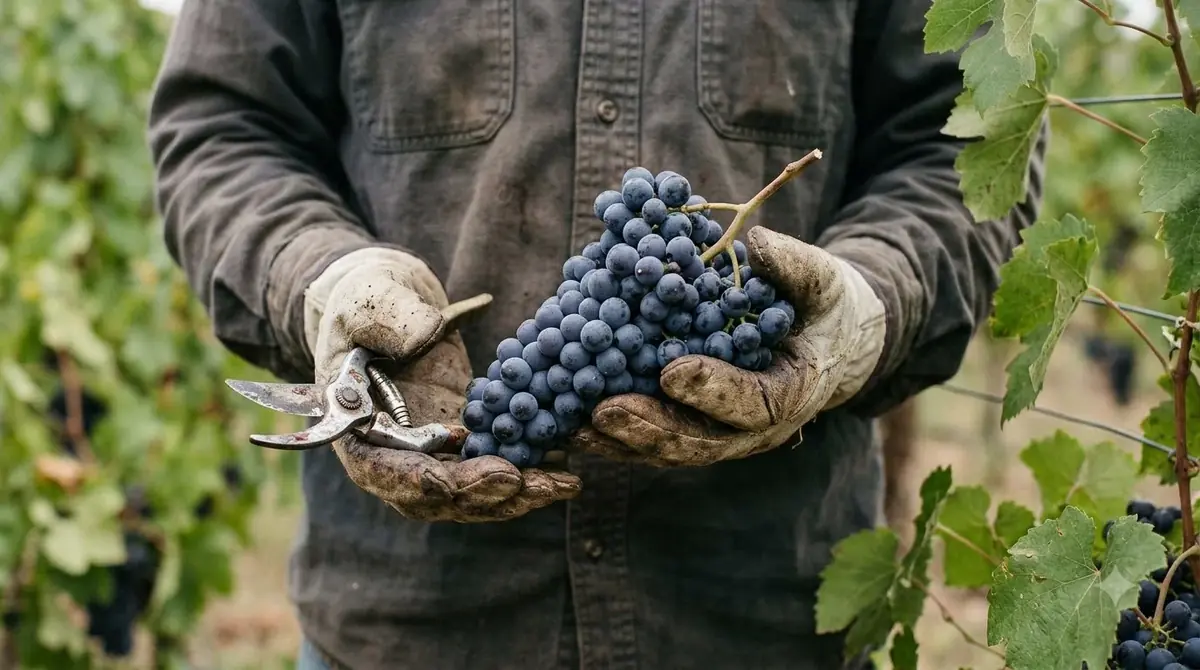
The Right Bank and Left Bank developed recognizable approaches to these blends. In Saint-Émilion and Pomerol, Merlot commonly supplies the largest share of the blend. On the Left Bank, particularly in the Médoc, Cabernet Sauvignon often takes the leading position, with Merlot providing complementary characteristics.
Other grapes can contribute to these traditional combinations. Cabernet Franc is an important blending partner, while Petit Verdot and Malbec can appear in varying proportions depending on the producer and appellation. Each variety brings different characteristics, allowing winemakers to create wines with distinctive regional identities.
Comparing the two Bordeaux traditions
| Characteristic | Right Bank | Left Bank |
|---|---|---|
| Important locations | Pomerol and Saint-Émilion | Médoc and Graves |
| Common leading grape | Merlot | Cabernet Sauvignon |
| Typical soil emphasis | Clay and limestone | Gravel |
| Merlot’s role | Often the principal grape | Frequently a supporting grape |
| Other important varieties | Cabernet Franc and Cabernet Sauvignon | Cabernet Franc, Petit Verdot and Merlot |
These descriptions represent broad regional tendencies rather than rigid rules. Individual vineyards can have different soil compositions, and producers select their grape varieties according to their own vineyard conditions and winemaking goals.
Merlot’s blending role also helps explain why the grape became so important to Bordeaux’s reputation. It could produce appealing wines independently, but its ability to complement Cabernet Sauvignon and Cabernet Franc made it valuable to producers seeking complexity and balance.
The resulting wines can range from approachable bottles intended for relatively early drinking to structured examples capable of developing additional complexity over many years. This diversity became one of the defining characteristics of Merlot-based Bordeaux wines.
Merlot’s Expansion Beyond France
Merlot eventually moved beyond its traditional Bordeaux home and became an internationally important grape variety. Its relatively early ripening, adaptable growing characteristics, and approachable wine style encouraged growers in several countries to establish vineyards.
California played an important role in the grape’s international development. According to Wine Enthusiast, Antoine Delmas imported the first known Merlot vines to California in 1850. However, significant commercial expansion did not immediately follow this introduction. For many decades, Merlot remained a comparatively limited part of the state’s wine industry.
That situation changed substantially during the late 20th century. California plantings experienced a major expansion beginning in 1987, when Merlot became increasingly attractive to growers and producers seeking a red wine variety with broad consumer appeal.
Washington State also became an important American growing region. Its varied growing conditions allowed producers to make Merlot with different expressions of fruit, acidity, and structure. California and Washington eventually helped establish Merlot as a recognizable American varietal wine rather than simply a component of European-style blends.
Growth in Chile, Italy, and other countries
Chile became another significant home for Merlot. The grape’s popularity there reflected its suitability for several growing areas and the appeal of supple, fruit-forward red wines. Chilean producers developed styles that could be enjoyed relatively young while retaining the recognizable dark-fruit character associated with the variety.
Italy also incorporated Merlot into its wine production, both as a single-variety wine and as a blending component. The grape appears in several Italian regions, where local climate and vineyard conditions influence its final character.
Australia, New Zealand, and other wine-producing countries also established Merlot vineyards. In eastern Europe, the variety became widely cultivated as producers developed modern wine industries and explored internationally recognized grape varieties.
This international spread did not make every Merlot taste identical. Cooler growing conditions can encourage fresher fruit and herbal characteristics, while warmer regions often produce riper fruit flavors and a fuller impression. Vineyard location, harvest decisions, fermentation, and oak aging all influence the finished wine.
Merlot’s success outside France demonstrates how a grape can retain its recognizable identity while adapting to different wine cultures. Bordeaux remains central to its historical reputation, but international producers have developed styles that reflect their own regions and consumer preferences.
Merlot’s Modern Popularity and Changing Reputation
Merlot achieved particularly strong international popularity during the final decade of the 20th century. The growing reputation of prestigious Pomerol and Saint-Émilion wines helped establish the grape as a serious option for wine enthusiasts, while approachable California and Chilean bottlings introduced it to a wider audience.
During this period, Merlot became an important name in American wine retail. Consumers often encountered it as a varietal wine, meaning a bottle identified primarily by the grape used to produce it. This made Merlot relatively easy to understand compared with Bordeaux wines, which are frequently labeled according to appellation rather than individual grape variety.
Its soft texture and recognizable fruit profile also contributed to its popularity. Many Merlots offered plum, cherry, and blackberry flavors with less pronounced tannin than Cabernet Sauvignon. These qualities made the variety appealing to consumers who wanted a dry red wine that did not require extensive aging before drinking.
The Sideways effect
Merlot’s reputation experienced a widely publicized downturn following the popularity of the 2004 film Sideways. One of the film’s central characters repeatedly criticizes Merlot while expressing a preference for Pinot Noir. The movie became closely associated with a decline in consumer enthusiasm for Merlot in the United States.
The cultural effect was memorable because Merlot had previously enjoyed considerable commercial success. Its name became associated with a particular image of mainstream red wine, and the film’s jokes helped reinforce that perception among some consumers.
However, the history of Merlot’s reputation is more complicated than a single movie. Consumer preferences change, wine markets respond to trends, and the quality of individual bottles varies considerably. The film became a convenient explanation for a broader shift in how American consumers discussed and purchased red wine.
The decline in popularity did not mean that serious Merlot disappeared. Established Bordeaux producers continued making important Merlot-based wines, while California, Washington, Chile, and other regions maintained their own production traditions.
Interest in Merlot has also benefited from renewed appreciation of grape diversity and regional wine styles. Modern wine drinkers increasingly recognize that Merlot is not one uniform style. A structured Right Bank Bordeaux, a cool-climate Washington Merlot, and a fruit-forward Chilean bottling can offer noticeably different experiences.
The grape’s continuing presence in prestigious Bordeaux appellations demonstrates why its historical reputation cannot be judged solely by supermarket trends or popular culture. Merlot remains an important variety for both traditional blending and modern single-variety winemaking.
How Merlot History Connects to Its Wine Style
The historical development of Merlot explains several of the characteristics that distinguish it from other familiar red grapes. Its early ripening, traditional association with clay-rich Bordeaux soils, and long use in blends all helped establish a recognizable style built around fruit, moderate acidity, and softer tannins.
Typical Merlot wines feature flavors of plum, cherry, blackberry, and sometimes fig. Depending on the growing climate and winemaking approach, additional notes can include violet, herbs, chocolate, coffee, and cedar. These characteristics vary by region, vintage, and the degree of oak maturation.
Merlot is generally medium-bodied to full-bodied, although lighter expressions also exist. Its tannins are usually softer than those of Cabernet Sauvignon, and its rounded texture can make it approachable without extensive bottle aging. More structured Bordeaux examples can nevertheless develop complexity over a long period.
Dryness and perceived sweetness
Most Merlot is fermented into dry red wine. Its ripe fruit aromas can create an impression of sweetness even when the wine contains little residual sugar. This distinction between fruitiness and actual sugar content is important when understanding the grape’s typical style.
Winemaking choices can also influence the final impression. Oak aging may introduce vanilla, cedar, toast, or chocolate-like notes, while stainless-steel fermentation and limited oak influence can preserve a fresher fruit expression.
Readers interested in the distinction between fruit flavor and actual residual sugar can learn more about Merlot sugar content and the differences between dry and sweeter wine styles.
Common Merlot styles
Merlot is not limited to one kind of finished wine. Although dry, still red wine remains its best-known expression, producers can also use the grape for rosé, sparkling wine, and certain dessert wine styles.
Its use in blends remains especially important. In Bordeaux, Merlot can soften Cabernet Sauvignon and provide a broader fruit profile. In California and other international regions, winemakers also use it in blends with varieties such as Syrah and Zinfandel.
The following comparison illustrates how Merlot’s growing conditions and production choices influence its general style.
| Style | Typical characteristics | Common production context |
|---|---|---|
| Right Bank Bordeaux | Plum, dark cherry, rounded texture | Often blended with Cabernet Franc |
| Left Bank Bordeaux | Dark fruit and structured tannins | Merlot complements Cabernet Sauvignon |
| California Merlot | Ripe plum, cherry and blackberry | Varietal wines and red blends |
| Washington Merlot | Fruit concentration and balanced structure | Single-variety and blended wines |
| Chilean Merlot | Juicy fruit and supple texture | Often made for relatively early drinking |
These are general descriptions rather than guarantees. Individual producers can make significantly different wines within the same region, and vintage conditions can influence ripeness, acidity, and concentration.
Merlot’s place in modern wine culture
Merlot’s history also illustrates the difference between a grape’s reputation and its actual winemaking potential. Its commercial popularity has fluctuated, but the variety continues to produce respected wines across several major wine regions.
Its flexibility makes it useful for different consumer preferences. Someone looking for an approachable red can choose a fruit-forward Merlot, while someone interested in age-worthy Bordeaux can explore examples from Pomerol or Saint-Émilion. The grape’s historical relationship with Cabernet Sauvignon also makes it a natural starting point for comparing Bordeaux varieties.
For readers exploring the broader category of red, white, rosé, and sparkling wines, the Wine by Type resource offers additional background on how grape varieties influence different wine styles.
Storage also matters once a bottle has been purchased. A well-preserved bottle can maintain its intended character, while poor storage conditions may accelerate deterioration. Readers planning to keep a bottle for a longer period can consult how long Merlot lasts unopened for practical storage information.
Frequently Asked Questions
Was Merlot originally called Merlau?
Merlau is a historical synonym associated with Merlot in southwestern France. The spelling reflects regional language and historical naming conventions rather than a separate modern grape variety. Older vineyard records sometimes used several names for the same grape depending on the locality.
Is Merlot genetically related to Cabernet Sauvignon?
Yes. Merlot and Cabernet Sauvignon share Cabernet Franc as a parent grape. Their relationship was established through modern genetic research, which also helped clarify the ancestry of several important French varieties. This makes them genetic relatives within the Bordeaux grape family.
Was Merlot ever prohibited in France?
France introduced restrictions on new Merlot plantings in 1970 following severe frost damage in 1956 and subsequent vineyard losses associated with rot. The restrictions lasted five years and were lifted in 1975. This was a restriction on new plantings rather than a prohibition on producing or selling Merlot wine.
What is the difference between Merlot Noir and Merlot?
Merlot Noir is a name used to distinguish the traditional dark-skinned wine grape from other similarly named varieties. The term Noir means black in French and refers to the grape’s dark skin. It does not indicate a different wine style or a separate grape from ordinary Merlot.
What is International Merlot Day?
International Merlot Day is celebrated on November 7. The date is also associated with the annual #MerlotMe campaign in the United States, which encourages consumers and wine professionals to recognize the variety’s diversity. Celebrations often highlight Merlot from Bordeaux, California, Washington, Chile, and other producing regions.
Merlot developed from a regional Bordeaux grape into one of the most recognizable red wine varieties in the world. Its documented history, genetic connection to other Bordeaux grapes, and successful international expansion explain why it remains important to both traditional European winemaking and modern wine production. Whether enjoyed as a single-variety wine or as part of a classic Bordeaux blend, Merlot continues to demonstrate the lasting value of its French origins.
More in Wine Types & Grapes
 What Does Ruby Port Taste Like? Flavor Notes, Styles, and Serving TipsUpdated Nov 21, 2026
 What Does Ribolla Gialla Taste Like? Crisp White and Amber Styles ExplainedUpdated Nov 21, 2026
 What Does Semillon Taste Like? Flavor Profile, Styles & PairingsUpdated Nov 21, 2026
 What Does Scuppernong Taste Like? Flavor, Styles, and Pairing GuideUpdated Nov 21, 2026
 What Does Saperavi Taste Like? Flavors, Styles, and Pairing GuideUpdated Nov 21, 2026
 What Does Natural Wine Taste Like? Flavors, Styles, and Serving TipsUpdated Nov 21, 2026