
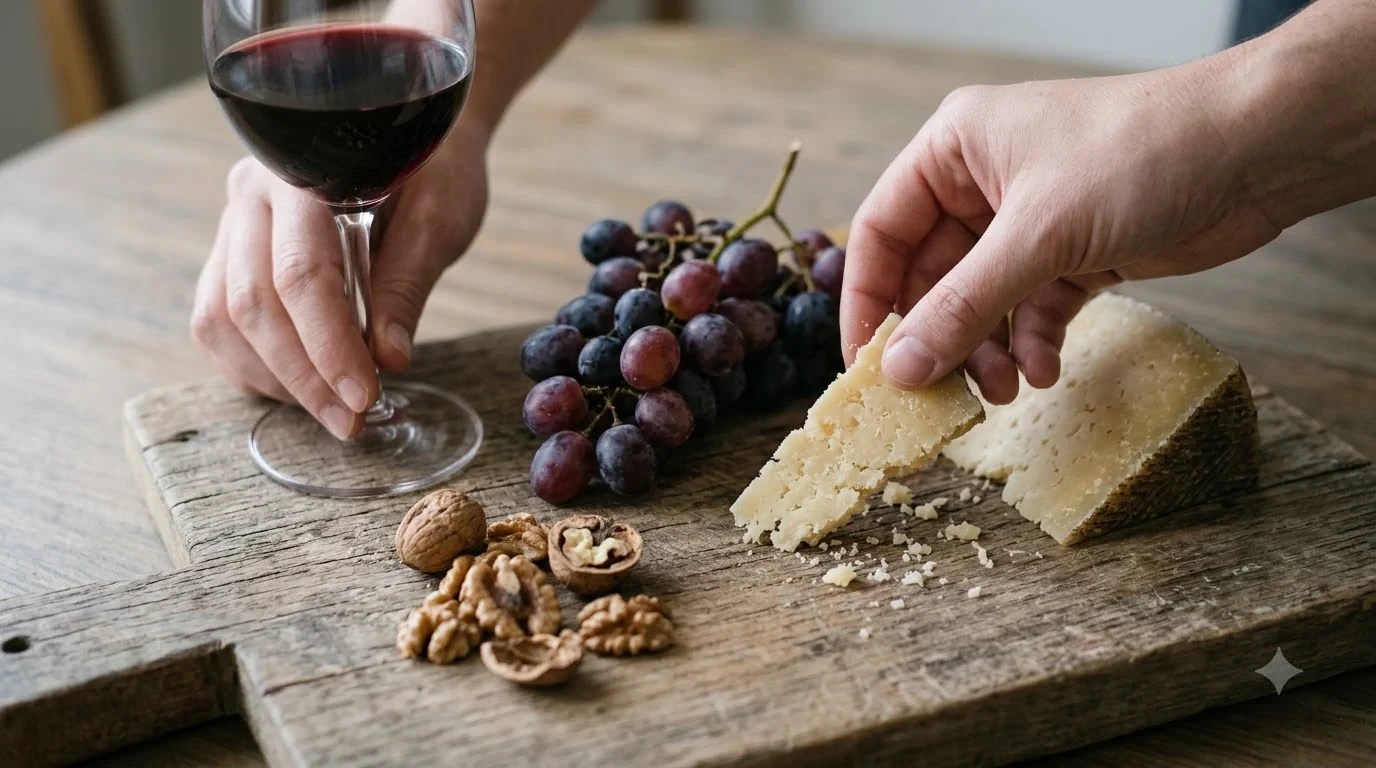

We may earn a commission when you buy through links on this page, at no extra cost to you. Learn more.
The best mencia food pairing options center on peppery, savory, and moderately rich dishes such as steak au poivre, roasted pork, cured charcuterie, mushroom risotto, and aged sheep’s milk cheeses like Manchego. Mencía brings medium body, lively acidity, fine tannins, and natural notes of tart cherry, violet, black pepper, and crushed gravel. Those traits let it slice through fatty meats without overpowering delicate herbs or earthy vegetables.
Pronounced men-THEE-uh, this Iberian red grape sits in a culinary sweet spot between lighter, aromatic reds like Pinot Noir and more structured bottles like Syrah or Cabernet Franc. Whether you open a bright, unoaked bottle from northwest Spain or an older, oak-aged expression from steep mountain vineyards, understanding its structure makes dinner planning simple across Wine by Type.
What Is Mencía?
Mencía is an indigenous red wine grape from the northwestern Iberian Peninsula, grown primarily in Spain and known across the border in Portugal as Jaen. It produces dry, medium-bodied red wines celebrated for floral aromatics, brisk natural acidity, and a distinct stony mineral streak.
For decades, growers treated Mencía largely as a workhorse variety for everyday local table wines, prioritizing high yields over concentration. That reputation shifted dramatically in the late twentieth and early twenty-first centuries as winemakers began rehabilitating old, low-yielding bush vines planted on steep slate and granite slopes. Today, Wine Folly notes that the grape is prized for heady aromatics, lively acidity, and serious aging potential.
In the glass, Mencía bridges the gap between elegance and grip. It carries high levels of aromatic compounds called terpenes, which give the wine an unmistakable perfume of crushed violets and wild herbs alongside red and black berries. Unlike heavy, jammy reds that coat the palate, Mencía finishes clean and savory, making it naturally suited to the dinner table rather than solo sipping.
Flavor Profile and Styles
Mencía wines combine bright red fruit flavors—such as tart cherry, red currant, and wild strawberry—with savory notes of black pepper, anise, violet, and crushed gravel. Depending on vineyard altitude and oak aging, bottles range from crisp and floral to dense, spicy, and structured.
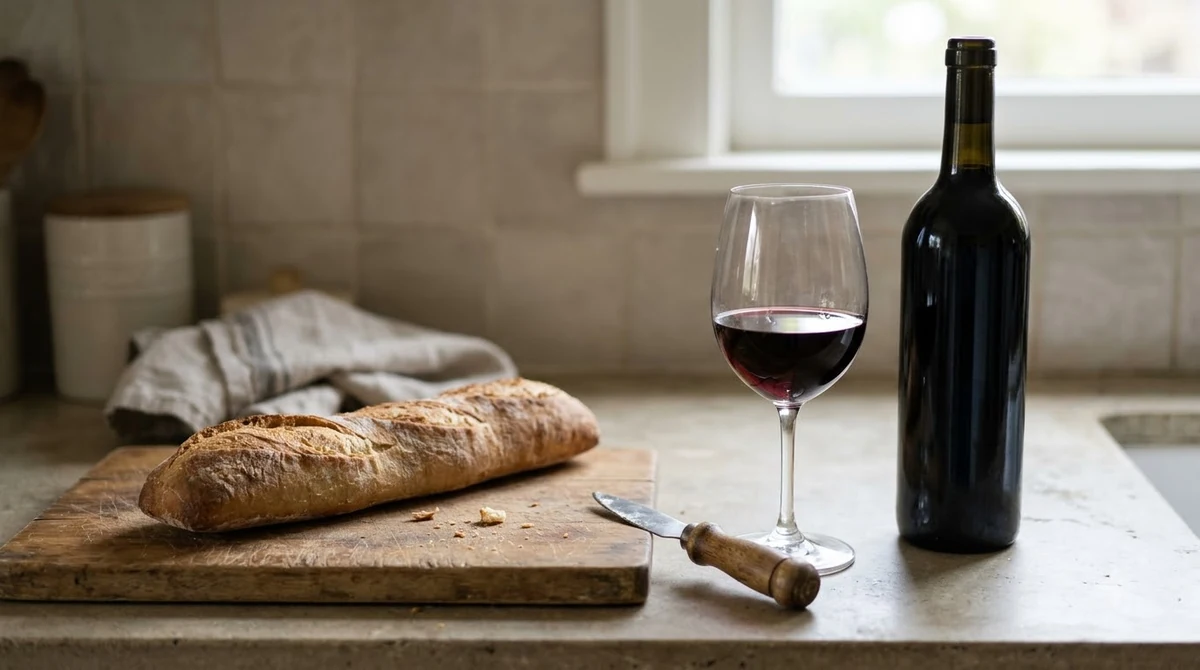
According to Wine Enthusiast, properly vinified Mencía delivers purity of fruit, fine structure, and strong balance, often drawing comparisons to Cabernet Franc for its herbal lift and fresh acidity. Young, unoaked expressions highlight crunchy pomegranate and sour cherry notes backed by a brisk, stony finish. These styles feel energetic and refreshing, especially when served slightly cool alongside casual weeknight meals.
Older-vine and oak-aged bottlings show a deeper, darker side of the grape. Spending time in French or neutral oak barrels softens the grape’s naturally moderate tannins while adding layers of blackberry, leather, clove, nutmeg, and sweet tobacco. As Mencía ages in the bottle—often evolving gracefully for seven to ten years in top examples—its bright berry core shifts toward dried plum, forest floor, and savory spice.
Alcohol levels typically land between 13.5 and 15 percent ABV, yet the grape’s medium-high acidity keeps the wine feeling lifted rather than hot or heavy. That balance of moderate alcohol, crisp acid, and fine, chalky tannin is the exact reason sommeliers reach for Mencía when a dish needs both freshness and structure.
Where Mencía Grows
Mencía thrives almost exclusively in the cooler, Atlantic-influenced corners of northwest Spain and northern Portugal. Its most celebrated Spanish homes are Bierzo, Ribeira Sacra, Valdeorras, and Monterrei, while Portugal’s Dão region produces softer, fragrant versions under the name Jaen.
Bierzo, located in Spain’s Castilla y León region, is the undisputed heartland of modern Mencía, where the grape accounts for roughly 75 percent of total plantings. Shielded by mountains yet cooled by Atlantic breezes, Bierzo’s slate and clay soils yield wines with concentrated dark fruit, earthy complexity, and firm mineral backbone. Neighboring Ribeira Sacra in Galicia features dramatic, terraced canyon vineyards along the Sil and Miño rivers, producing lighter, more intensely floral and stony bottles.
Further inland, Valdeorras and Monterrei offer slightly warmer microclimates that ripen Mencía into plush, spicy expressions with generous blackberry and herb notes. Across the border in Portugal’s Dão region, granite soils and high elevations shape Jaen into a gentler, red-fruited wine with delicate floral undertones and refreshing acidity. Each sub-region offers slightly different weight at the table, letting you match lighter Galician styles with poultry and fuller Bierzo bottles with grilled red meats.
How to Serve Mencía
Serve Mencía slightly below room temperature, between 55 and 60 degrees Fahrenheit, in a universal wine glass to preserve its floral aromatics and keep its acidity crisp. Decanting young or structured bottles for about an hour helps soften the tannins and open up the savory spice notes.
Serving temperature makes a noticeable difference with aromatic, medium-bodied reds. If poured at a warm 70 degrees Fahrenheit, Mencía’s alcohol can feel prominent and its delicate violet perfume fades quickly. Placing the bottle in the refrigerator for 30 to 45 minutes before dinner brings it right into the ideal 55-to-60-degree window, keeping the fruit snapping and bright.
Glassware and aeration also play practical roles at the table. A standard universal glass with a moderately wide bowl concentrates the grape’s terpene-driven bouquet while directing the wine toward the center of the palate. For youthful, unoaked bottles, a quick swirl in the glass is plenty, whereas concentrated old-vine bottlings from Bierzo benefit from 45 to 60 minutes in a decanter before pouring.
Best Mencía Food Pairings
Mencía pairs best with dishes featuring cracked black pepper, seared meats, earthy mushrooms, smoky spices, and firm aged cheeses. Its medium-high acidity cuts through rich fats, while its natural peppery and herbal notes echo savory seasonings without clashing.
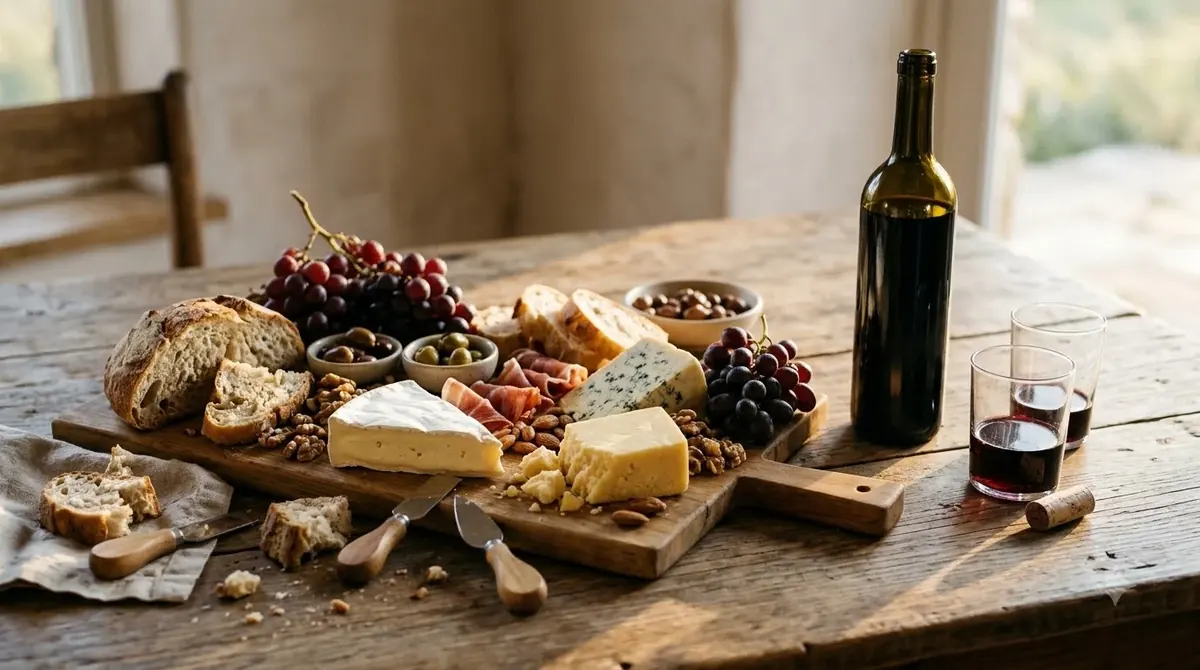
Red meats and cured pork are natural starting points because protein and fat soften Mencía’s fine, chalky tannins. Steak au poivre is a textbook match: the crushed black peppercorns in the pan sauce mirror the grape’s own spicy kick, while the wine’s tart cherry acidity refreshes the palate between bites of rich beef. Dry-cured Spanish ham, salami, pastrami, pork tenderloin, and smoky barbecue brisket also work effortlessly, sharing a similar affinity for savory charcuterie that makes blaufrankisch food pairing so dependable with smoked meats.
Poultry, wild game, and hearty vegetarian dishes highlight Mencía’s floral and earthy dimensions. Roast duck, dark-meat turkey, and chicken fajitas seasoned with cumin and charred peppers bring out the wine’s ripe berry core. For meatless meals, wild mushroom risotto, roasted eggplant, grilled portobello caps, and smoky lentil stews lock onto the grape’s crushed-gravel minerality and anise undertones—much like the savory vegetable matches prized in carignan food pairing. Even seafood paella laced with saffron, chorizo, and shellfish works with lighter Ribeira Sacra styles, though delicate white fish in butter sauce is better left to crisp whites covered in grenache blanc food pairing.
| Food Category | Specific Dishes | Recommended Mencía Style | Why the Pairing Works |
|---|---|---|---|
| Beef & Lamb | Steak au poivre, carne asada, grilled lamb chops, beef brisket | Old-vine or oak-aged Bierzo | Fine tannins bind to meat proteins while black pepper notes echo seared crusts. |
| Pork & Charcuterie | Jamón Ibérico, pastrami, pepperoni pizza, herb-roasted pork loin | Young Bierzo or Valdeorras | Tart cherry acidity cuts cured fat and salt without overwhelming smoky spices. |
| Poultry & Game | Roast duck, dark-meat turkey, blackened chicken, venison | Aged Bierzo or Monterrei | Floral violet aromatics and savory earth complement rich, gamey poultry. |
| Vegetarian & Grains | Wild mushroom risotto, lentil stew, charred bell peppers, eggplant | Ribeira Sacra or Dão Jaen | Stony minerality and anise notes mirror earthy fungi and roasted vegetables. |
| Cheese | Aged Manchego, sharp white cheddar, Serra da Estrela, Monterey Jack | Any dry Mencía style | Firm, nutty sheep’s and cow’s milk cheeses balance bright red-fruit acidity. |
Tip: When cooking with Mencía in mind, add a generous grind of fresh black pepper or a pinch of dried thyme to your dish—those two aromatics immediately bridge the gap between the plate and the glass.
How to Choose a Bottle for Dinner
Choose your Mencía bottle by matching the region and oak treatment on the label to the weight of your meal. Lighter, unoaked bottles from Galicia or Portugal suit poultry, tapas, and vegetable dishes, while oak-aged Bierzo selections stand up to steaks and slow-cooked meats.
Start by checking the appellation on the front label. Bottles marked Ribeira Sacra or Portuguese Dão (labeled as Jaen) typically emphasize high-toned floral aromatics, red berries, and brisk acidity, making them ideal for charcuterie boards, roast chicken, or mushroom pasta. Labels from Bierzo, Valdeorras, or Monterrei generally signal deeper color, riper blackberry fruit, and firmer structure suited to grilled beef or braised pork.
Next, look for cues about vine age and aging classification. Spanish terms like Joven indicate young, vibrant wines fermented in stainless steel with zero or minimal oak—great for weeknight pizza, tacos, and slight chilling. Terms such as Crianza, Roble, or Viñas Viejas (old vines) point to extended barrel aging and greater concentration, delivering the vanilla, clove, and leather complexity needed for hearty roasts and aged hard cheeses.
Frequently Asked Questions
Is Mencía similar to Pinot Noir or Cabernet Franc?
Mencía shares traits with both grapes, sitting right between them in weight and structure. It offers the floral aromatics, bright red fruit, and refreshing acidity of Pinot Noir alongside the herbal lift, crushed-gravel minerality, and peppery spice of Cabernet Franc.
Can you pair Mencía with spicy food?
Yes, Mencía works well with moderately spicy dishes like blackened chicken, chorizo, and pepper-crusted steaks, especially when served slightly chilled. Avoid pairing heavily oaked, high-alcohol bottles with fiery chili heat, as capsaicin amplifies alcohol warmth and tannin grip.
Does Mencía pair well with fish or seafood?
Lighter, unoaked Mencía from Ribeira Sacra can pair nicely with hearty seafood dishes like saffron paella, grilled octopus, or seared tuna thanks to its crisp acidity and stony minerality. However, delicate flaky white fish in lemon-butter sauces can taste metallic against red wine tannins.
What cheeses go best with Mencía wine?
Semi-firm and aged sheep’s milk cheeses like Spanish Manchego and Portuguese Serra da Estrela are classic regional partners for Mencía. Sharp white cheddar, aged Gouda, and creamy Monterey Jack also work well, balancing the wine’s tart cherry brightness with salty richness.
Building a great dinner around Mencía comes down to leaning into savory, peppery, and earthy flavors rather than heavy sweetness. Serve the bottle slightly cool, match the regional weight to your main course, and let its natural acidity keep every bite lively.
More in Wine Types & Grapes
 What Does Ruby Port Taste Like? Flavor Notes, Styles, and Serving TipsUpdated Nov 21, 2026
 What Does Ribolla Gialla Taste Like? Crisp White and Amber Styles ExplainedUpdated Nov 21, 2026
 What Does Semillon Taste Like? Flavor Profile, Styles & PairingsUpdated Nov 21, 2026
 What Does Scuppernong Taste Like? Flavor, Styles, and Pairing GuideUpdated Nov 21, 2026
 What Does Saperavi Taste Like? Flavors, Styles, and Pairing GuideUpdated Nov 21, 2026
 What Does Natural Wine Taste Like? Flavors, Styles, and Serving TipsUpdated Nov 21, 2026