


We may earn a commission when you buy through links on this page, at no extra cost to you. Learn more.
Ménage à Trois red wine is a blended red, and red blends of this kind are usually built to be fruit-forward and easy to drink for everyday dinners and casual gatherings. Red blends combine several grape varieties so the wine can balance fruit, body, and tannin, and the result is usually easier to drink young than a single-varietal bottle from a serious cellar. Check the label and producer information for the exact grapes and sweetness, since blends from the same brand can vary between releases.
Ménage à Trois is widely known on the sweet-wine shelf for its Moscato, but its red blend is a different kind of glass. This guide explains what a red blend is, why winemakers combine grapes, what flavors to expect, how to serve it, and what to look for on the label. It also explains how the red differs from the Moscato so you can choose the right bottle for the table you are setting.
What a Red Blend Is and Why Winemakers Combine Grapes
A red blend is simply a wine made from more than one red grape variety. Winemakers blend for balance. One grape might bring deep color and dark fruit, another might add softness, and a third might lift the acidity so the wine tastes fresh. Many of the most famous red wines in the world are blends for exactly this reason, and Bordeaux is the classic example.
Merlot is a useful illustration. Wine Folly describes its acidity as medium and its tannin as medium-high, which makes it a common partner for more structured varieties. In Bordeaux, Merlot is the most widely planted grape in the region, and its role is to add body and softness. Blends of this kind are easier to enjoy young than a tannic single-varietal wine, which is why many everyday reds are built around the same idea.
Flavors and Body You Can Expect
Flavor in a red blend depends on which grapes dominate. Merlot tends to bring cherry, plum, and chocolate notes, with cooler-climate versions showing fresh red plum and red cherry. Cabernet Sauvignon, a common partner, is listed by Wine Folly with black cherry, black currant, cedar, and baking spices, plus medium-high acidity and tannin. A blend that leans on both can taste fruity at the front and firmer at the finish.
Body is the next thing to check. Lighter red blends feel silky and approachable, while bolder ones carry more grip from tannin and can taste slightly drier. If you usually prefer sweet wines, expect a red blend to be noticeably less sweet than a Moscato, and read the producer’s description so you know what style you are getting before you open the bottle.
How to Serve a Ménage à Trois Red
Serve red blends slightly cool rather than warm. Wine Folly suggests a range of about 15 to 20 degrees Celsius, or 60 to 68 degrees Fahrenheit, for Merlot-based reds, which is a helpful target for most blends. Pour into a standard red glass and give the wine a few minutes to open up if it tastes closed at first. A slight chill in the fridge for about 15 minutes can also help a bolder bottle feel fresher.
Decanting is optional for most casual reds. If you want to try it, pour the wine into a jug for 20 to 30 minutes before serving. The aromas often become more obvious, and any sharpness softens. This matters more for firmer blends than for soft, fruity ones.
Food Pairings That Work Well
Wine Folly’s pairing notes for Merlot give a clear starting point. Easy, entry-level Merlot suits pizza, barbecue chicken, and creamy mushroom pasta. Merlot-led Bordeaux-style blends work with roast turkey, beef short rib, and rustic vegetable dishes. Fuller, warmer-climate styles pair with roasted or grilled meats such as filet mignon, rack of lamb, or roast veal.
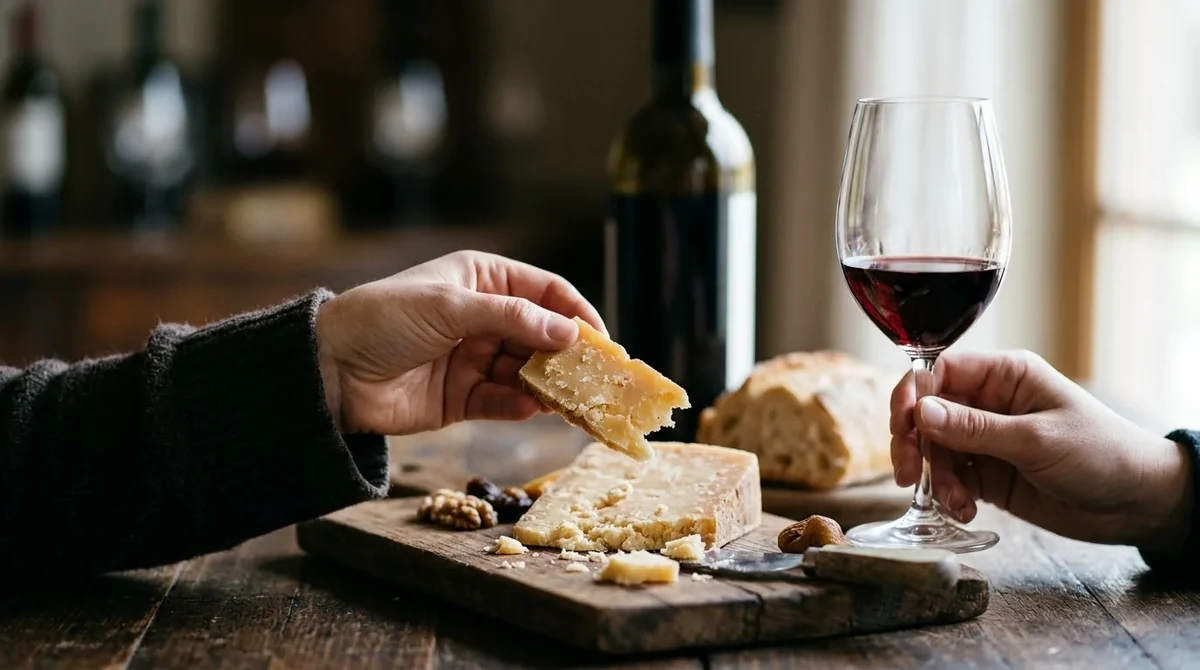
For a casual dinner, a red blend is an easy choice with burgers, grilled sausages, and tomato-based pasta. Serve it with cheese too. Hard cheeses and aged cheddar balance the tannin, while softer cheeses bring out the fruit. Keep portions moderate and drink responsibly.
| Style | Main character | Sweetness | Good with |
|---|---|---|---|
| Soft, fruity red blend | Cherry and plum, silky texture | Dry | Pizza, burgers, pasta |
| Merlot-led Bordeaux style | Red fruit, softer tannin | Dry | Roast turkey, short rib |
| Bold warm-climate blend | Dark fruit, firmer tannin | Dry | Grilled steak, lamb |
| Ménage à Trois Moscato | Floral, sweet, lightly fizzy | Sweet | Fruit, desserts, spicy takeout |
Tip: If a red blend tastes harsh, serve it a little cooler and pair it with fattier food. Fat softens tannin and makes the wine taste rounder.
How to Read the Label Before You Buy
Start with the grape list. A wine labeled as a blend will usually name the varieties on the back label or the producer’s site, and the first grape listed is often the largest share. Check whether the bottle says anything about oak, since oak adds vanilla and spice notes that some drinkers enjoy and others do not. The region matters too, because a blend from a warm area will usually taste riper than one from a cooler one.
Next, compare the alcohol level and the producer’s description. Those two details tell you how full the wine will feel. If you are shopping for a crowd, choose a softer, fruit-forward red that suits a range of tastes, and keep a lighter white or a sweet option on hand for guests who prefer it. For more background on how producers build blends and label them, the Wine Folly Merlot guide explains how the grape behaves across climates and why it is so often blended.
Common Mistakes With Red Blends
The first mistake is serving the wine too warm. A red that sits on a warm table can taste heavy and alcoholic, even when the blend is well made. A short chill or a few minutes in the glass usually fixes it. The second mistake is judging a blend by one vintage. Blends are designed to be consistent, but the balance between grapes can shift from year to year, so a bottle that impressed you once may taste slightly different next time.
The third mistake is treating every red blend as a special-occasion wine. Many are made to be opened and enjoyed on a weeknight, and a relaxed approach to pairing often gives the best result. Save the decanter and the careful food match for a bolder bottle, and enjoy the softer ones with the simple meals they suit.
Frequently Asked Questions
Is Ménage à Trois red wine sweet?
Red blends are generally dry, but the exact sweetness depends on the specific bottle. Check the producer’s description or the back label before you buy if sweetness matters to you.
What grapes are usually in a red blend?
Red blends often combine Merlot, Cabernet Sauvignon, Cabernet Franc, and other red varieties. The exact mix is listed on the label or producer website and changes from one wine to the next.
Should a red blend be chilled?
Serve it slightly cool, around 15 to 20 degrees Celsius, rather than at warm room temperature. A short time in the fridge before pouring can help a bolder bottle taste fresher.
What food goes with a red blend?
Burgers, pizza, roast poultry, and tomato-based pasta are easy matches. Fuller blends pair well with grilled or roasted meats, and aged cheeses work across most styles.
Ménage à Trois red wine is an easy bottle to enjoy when you know what kind of blend you are buying. Read the grape list, serve it slightly cool, and match it with food that suits its fruit and tannin. If you are also looking at the sweet side of the range, the Ménage à Trois Moscato guide covers how that style differs. For a wider view of how brands build their lineups, see the wine brands guide.
More in Wine Brands
 Underwood Wine Price: Compare Bottles, Cans, and Pack SizesUpdated Nov 21, 2026
 Zenato Wine Price: Compare Styles and Choose the Right BottleUpdated Nov 21, 2026
 Zuccardi Wine Price: Compare Bottles and Find the Right RangeUpdated Nov 21, 2026
 Yellow Tail Moscato Review: Taste, Sweetness and Serving TipsUpdated Nov 21, 2026
 Wolf Blass Yellow Label Review: Choose Your Best StyleUpdated Nov 21, 2026
 Wolffer Estate Rose Review: Choose the Right Bottle for Your TableUpdated Nov 21, 2026