

We may earn a commission when you buy through links on this page, at no extra cost to you. Learn more.
Merlot with pasta is an excellent pairing, especially with Bolognese, meat ragù, lasagna, and mushroom sauces. Merlot’s medium body, moderate acidity, softer tannins, and flavors of plum, black cherry, and spice complement hearty pasta dishes without overwhelming their ingredients. For the best match, consider the sauce first: slowly cooked tomatoes, savory meat, mushrooms, and melted cheese generally work better than sharp, acidic, or extremely spicy preparations.
Choosing wine for pasta can seem complicated because Italian cooking includes everything from simple spaghetti with fresh tomatoes to rich lasagna, creamy Alfredo, and herb-filled pesto. Fortunately, Merlot is one of the more adaptable red wines for these meals. Its approachable tannins and generous fruit make it particularly useful when a dish combines meat, vegetables, cheese, and a substantial sauce. The key is matching the wine’s weight and flavor to the ingredients rather than automatically choosing a red wine for every pasta recipe.
Why Merlot Works With Hearty Pasta Dishes
Merlot works particularly well with pasta because its fruit-forward character and moderate tannins complement savory ingredients without creating an excessively dry finish. Its plum, black cherry, blackberry, and occasional herbal notes provide enough flavor for substantial sauces while remaining approachable alongside cheese and meat.
Merlot is traditionally associated with Bordeaux, France, but it is also produced in California, Washington, Chile, Australia, and Italy. The grape can produce different expressions depending on its growing conditions and winemaking approach. Cooler-climate examples may show more noticeable herbal, tobacco, and earthy characteristics, while warmer-climate versions often emphasize ripe dark fruit and a fuller impression.
Wine Enthusiast describes Merlot as less tannic than Cabernet Sauvignon, with a broader and more relaxed mouthfeel. That difference matters at the dinner table. A highly tannic red can make some lean or delicate pasta dishes seem harsh, while Merlot’s softer structure is generally more accommodating. Its fruit also complements roasted tomatoes, browned meat, caramelized onions, and savory herbs.
Merlot is not necessarily a high-acidity wine, however. This distinction becomes important with tomato-based sauces, which naturally contain substantial acidity. A fresh, tart tomato sauce can make a softer red taste flatter by comparison. A longer-cooked sauce with concentrated tomatoes, olive oil, and meat usually creates a more comfortable match.
There is also a useful difference between the wine’s fruitiness and actual sweetness. Most Merlot is dry, even when it smells strongly of ripe plums, cherries, or blackberries. Its fruit character does not make it a sweet wine, so it should be approached as a savory dinner companion rather than a dessert-style red.
The grape’s flexibility also explains why Merlot appears in so many food-pairing recommendations. It can complement grilled vegetables, roasted poultry, braised meat, and moderately rich pasta dishes. Its versatility does not mean every sauce is an ideal match, but it gives home cooks plenty of options.
Merlot With Tomato Sauce, Marinara, and Spaghetti
Merlot can pair successfully with tomato-based pasta, particularly when the sauce is slowly simmered, moderately acidic, and supported by olive oil, herbs, meat, or cheese. The best examples include spaghetti with a concentrated tomato sauce, penne with roasted tomatoes, and baked pasta with mozzarella.

Tomatoes introduce one of the main challenges in pairing red wine with pasta. Their natural acidity can make a relatively soft wine seem less lively. Merlot has enough fruit and moderate acidity for many tomato preparations, but it is not always the strongest choice for a bright, sharp marinara made primarily with fresh tomatoes.
Cooking time can make a meaningful difference. A sauce simmered for 45–60 minutes can develop a more concentrated, integrated flavor than a quickly prepared sauce. Olive oil, sautéed onions, garlic, and roasted vegetables also contribute richness and savory depth. These ingredients help create a more balanced environment for Merlot.
Best tomato-based pasta combinations
- Spaghetti marinara: Choose a sauce with ripe tomatoes, garlic, olive oil, and a moderate amount of acidity. Merlot works better when the sauce is not excessively sharp.
- Penne arrabbiata: A mildly spiced version can work, especially with a fruit-forward Merlot, but heavy chili heat is less suitable.
- Pasta alla Norma: Roasted eggplant, tomato, basil, and salty ricotta salata provide savory flavors that complement Merlot’s dark fruit.
- Tomato and sausage pasta: Fennel sausage, browned meat, and reduced tomatoes give the wine enough savory richness to match.
- Baked ziti: Tomato sauce, mozzarella, and baked pasta create a substantial dish that suits medium-bodied red wine.
For a simple tomato pasta, consider the balance between acidity and richness. If the sauce tastes particularly tart, Barbera or Sangiovese may provide a more natural match because their higher acidity is better equipped to meet the tomatoes. Merlot becomes more appealing as meat, roasted vegetables, and cheese increase the dish’s richness.
Tip: If your tomato sauce tastes sharply acidic, simmer it longer and incorporate olive oil or roasted vegetables before serving. Avoid adding excessive sugar just to make the wine pairing work; a naturally balanced sauce is the better starting point.
For a broader comparison of pasta sauces and wine styles, see our guide to what wine goes with vodka pasta. Vodka sauce has a different combination of tomato acidity, creaminess, and richness, so it calls for a slightly different approach.
Merlot With Bolognese, Meat Ragù, and Lasagna
Bolognese, meat ragù, and lasagna are among the strongest matches for Merlot because their concentrated savory flavors, browned meat, and rich textures complement the wine’s medium body and soft tannins. These dishes provide enough intensity to stand alongside ripe fruit and moderate oak influences.
Traditional meat ragù develops flavor through several stages of cooking. Ground beef or a combination of meats is browned before onions, carrots, celery, tomatoes, and other ingredients are added. Slow cooking allows the ingredients to combine into a savory sauce with more depth than a simple tomato preparation.
Merlot’s plum and black-cherry character can complement the natural sweetness of cooked vegetables and the savory flavor of browned beef. Its softer tannins also make it a comfortable option alongside a sauce containing meat fat and Parmesan cheese. A medium-bodied Merlot is usually the most flexible choice for this combination.
Matching Merlot to different meat sauces
Spaghetti Bolognese: This is a reliable pairing for a traditional meat-based sauce. The beef, tomatoes, aromatic vegetables, and Parmesan create a layered dish that can support Merlot’s fruit and structure. A cooler-climate Merlot with earthy notes is particularly attractive if the sauce contains herbs and a long-cooked meat base.
Beef ragù with pappardelle: Wide ribbons of pappardelle hold substantial quantities of slow-cooked sauce. The richness of braised beef and concentrated cooking liquid suits a fuller Merlot from California or Bordeaux. Look for a wine with enough fruit to complement the sauce without excessive oak sweetness.
Italian sausage pasta: Sausage adds fat, salt, fennel, and savory spice. These flavors work with Merlot’s dark fruit and softer tannins. Keep the chili seasoning moderate because strong heat can exaggerate the perception of alcohol and make tannins seem more aggressive.
Lasagna: Layers of pasta, meat sauce, béchamel or ricotta, and melted cheese make lasagna a natural companion for medium-bodied red wine. Merlot can handle this combination because its fruit remains noticeable alongside the dish’s savory ingredients. A structured example with some oak aging can work especially well with beef-heavy lasagna.
Meatballs and tomato sauce: Beef or pork meatballs introduce protein and fat, while the tomato sauce adds acidity. Parmesan and olive oil help tie the dish together. Merlot is a practical choice when the meatballs are seasoned with oregano, parsley, garlic, and black pepper rather than aggressive chili.
Merlot’s softer tannins are particularly useful with meat and cheese combinations. Salt and fat can soften the wine’s tannic impression, making a savory pasta dish seem more integrated with each sip. The result is a pairing that works through both flavor similarity and texture.
For additional background on how sauce ingredients affect wine selection, read Berry Bros. & Rudd’s guide to pairing wine with pasta. Its recommendations distinguish between tomato-based, creamy, herbal, earthy, and seafood preparations, showing why the sauce matters more than the pasta shape.
Merlot With Creamy Pasta and Mushroom Sauces
Merlot can work with creamy pasta when the dish includes earthy mushrooms, roasted vegetables, browned meat, or enough seasoning to support a red wine. Plain Alfredo and delicate cream sauces are less convincing matches because their richness often benefits more from a high-acidity white wine.
Butter, cream, Parmesan, and mascarpone create a rich texture that can make lower-acidity wines feel heavy. Merlot’s moderate acidity means it does not refresh the palate as effectively as Sauvignon Blanc, Chenin Blanc, or many styles of Chardonnay. That does not mean every creamy pasta is unsuitable, but the additional ingredients become important.
Mushroom pasta is a particularly good option
Mushrooms provide an earthy, savory character that complements Merlot’s darker fruit and occasional tobacco or dried-herb notes. Their umami-rich flavor creates a bridge between the wine and the food. When mushrooms are sautéed in butter or olive oil and combined with garlic, thyme, and Parmesan, the resulting pasta has enough depth for a medium-bodied red.
Try Merlot with fettuccine featuring cremini mushrooms, tagliatelle with porcini, or penne with roasted mushrooms and a light cream sauce. A cooler-climate Merlot can be particularly appealing because its herbal and earthy characteristics connect naturally with the mushrooms.
How other creamy pasta dishes compare
- Fettuccine Alfredo: A rich, simple Alfredo sauce is usually better with Chardonnay or Chenin Blanc. Merlot becomes more suitable if the recipe includes mushrooms, roasted chicken, or substantial browned ingredients.
- Carbonara: Pancetta, egg yolks, and Pecorino provide salt, fat, and savory intensity. A lighter Merlot may work, but Pinot Noir or a crisp white can provide better balance.
- Chicken and mushroom cream pasta: This is a more convincing Merlot match because poultry and mushrooms add enough savory flavor to support the red wine.
- Four-cheese pasta: The concentrated richness can overwhelm a softer red. A high-acidity white or sparkling wine is often more refreshing.
- Truffle cream pasta: Earthy flavors make a red pairing possible, although aged Pinot Noir or Nebbiolo may offer a closer aromatic match.
Berry Bros. & Rudd recommends high-acidity wines such as Sauvignon Blanc, Chenin Blanc, and Chardonnay for rich cream-based pasta, while identifying Pinot Noir and Gamay as suitable red alternatives. That guidance is useful when deciding whether Merlot is the right bottle or whether a lighter wine would better balance the sauce.
For chicken-based recipes, you can also compare this pairing with our article on Merlot with chicken. The same principles apply: savory preparation, herbs, mushrooms, and moderate richness generally make the combination more successful than strong citrus flavors.
Merlot With Pesto, Vegetable Pasta, and Lighter Sauces
Merlot is less predictable with pesto and delicate vegetable pasta than with meat ragù or mushrooms, but it can still work when the preparation includes roasted vegetables, cheese, or other substantial ingredients. Fresh herbs, garlic, and olive oil create a different flavor profile that may favor an aromatic white wine instead.
Traditional basil pesto combines basil, pine nuts, garlic, Parmesan, and olive oil. Its herbal fragrance and fresh green character can make a full-bodied Merlot seem heavier than the food. Vermentino and Sauvignon Blanc are often more natural alternatives because their acidity and herbal characteristics complement the sauce.
However, pesto pasta can become more suitable for Merlot when served with grilled eggplant, roasted peppers, chicken, or grilled sausage. These ingredients add weight and savory intensity, helping the wine fit the complete dish rather than competing with the basil.
Vegetable pasta combinations
Roasted eggplant pasta: Eggplant develops a soft, savory texture when roasted. Combined with tomatoes, garlic, and Parmesan, it creates a substantial vegetarian dish that can work with Merlot.
Roasted pepper and tomato pasta: Sweet roasted peppers soften the sharpness of tomato sauce and introduce a smoky flavor. A fruit-forward Merlot can complement these characteristics, particularly when olive oil and cheese are included.
Zucchini and Parmesan pasta: A simple preparation with fresh zucchini, lemon, and herbs may be too delicate for a full-bodied red. Add roasted mushrooms or grilled chicken if you want to serve Merlot.
Spinach and ricotta pasta: Ravioli or stuffed shells filled with ricotta and spinach have a mild, creamy character. A lighter Merlot can work with tomato sauce or roasted vegetables, although an aromatic white wine may be more harmonious with a simple butter preparation.
Pasta primavera: This dish varies considerably depending on its ingredients. A version with roasted squash, mushrooms, and Parmesan can accommodate Merlot, while one dominated by asparagus, peas, and lemon is better suited to a fresh white wine.
For a closer look at herb-based dishes, read our guide to what wine goes with pesto pasta. It explains why the pine nuts, basil, garlic, and olive oil in pesto influence the pairing differently from a meat or tomato sauce.
The broader principle is that the sauce and its accompanying ingredients determine the pairing. Pasta shape matters much less than the final flavor and texture. Penne, rigatoni, spaghetti, and tagliatelle can all work with Merlot if their sauces provide a suitable balance of richness and intensity.
Choosing Merlot and Serving It at the Right Temperature
The best Merlot for pasta is generally a dry, medium-bodied red with moderate tannins, fresh fruit, and enough structure to complement the sauce. Choose a lighter expression for simple vegetable dishes and a fuller, more concentrated example for Bolognese, beef ragù, and lasagna.
Regional style can help narrow the choice. Merlot from Bordeaux often has a more savory profile, with plum, dark fruit, and herbal characteristics, particularly when it forms part of a blend. California Merlot can offer ripe black cherry, blackberry, and a fuller impression. Washington State and Chile also produce Merlot styles that can suit a range of pasta preparations.
For mushroom pasta, look for a Merlot with restrained oak and noticeable earthy or herbal notes. For beef ragù, a fuller wine with concentrated fruit is generally more appropriate. The wine should complement the sauce rather than overpower its ingredients.
Merlot and pasta pairing reference
| Pasta dish | Merlot suitability | Best style |
|---|---|---|
| Spaghetti Bolognese | Excellent | Medium-bodied, savory |
| Beef ragù | Excellent | Fuller-bodied, ripe fruit |
| Meat lasagna | Excellent | Structured, balanced |
| Mushroom tagliatelle | Very good | Earthy, moderate oak |
| Sausage penne | Very good | Fruit-forward, medium-bodied |
| Tomato marinara | Good with balanced acidity | Fresh, lighter-bodied |
| Pesto pasta | Situational | Lighter, herbal |
| Plain Alfredo | Less suitable | Consider Chardonnay instead |
| Seafood linguine | Generally unsuitable | Consider Vermentino or Albariño |
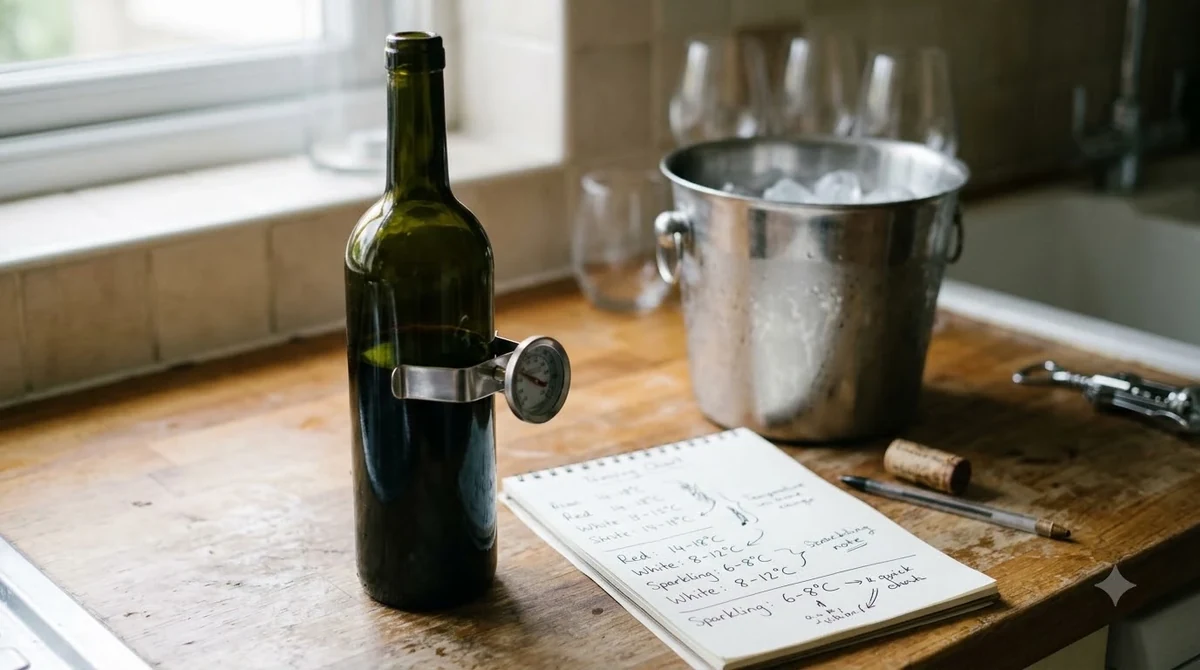
Serving temperature also affects the experience. For a full-bodied Merlot, aim for approximately 60–65°F. A lighter Merlot can be served around 55–60°F. Avoid serving red wine excessively warm because alcohol can become more noticeable and the wine may seem heavier beside food.
If the bottle has been stored at room temperature in a warm kitchen, a short period in the refrigerator can bring it closer to the preferred serving range. Check the temperature before pouring rather than assuming that all red wine should be served warm.
Pouring, decanting, and storage
A standard wine pour is approximately 5 ounces, and a 750 ml bottle provides about five glasses. This is a practical amount for a meal because it leaves enough room in the glass for aromas to develop. A larger wine glass can also help release Merlot’s plum, cherry, and herbal aromas.
Young, full-bodied Merlot may benefit from 30–60 minutes of decanting before serving. This allows the wine to interact with air and can help its aromas become more expressive. Lighter, fruit-forward examples generally need less time, and older bottles should be handled more carefully.
Store unopened bottles on their sides in a cool, dark location near 55°F when they have traditional cork closures. Keep opened Merlot in the refrigerator and aim to consume it within 3–5 days. Allow a refrigerated bottle to warm slightly before serving so its fruit and aroma are not muted.
For a complete overview of choosing wine according to the ingredients, preparation, and weight of a dish, explore our Grape x Food pairing guide.
Frequently Asked Questions
Is Merlot traditionally used in Italian cooking?
Merlot is widely grown in northeastern Italy, particularly in Friuli-Venezia Giulia and parts of Veneto. It is also produced in Tuscany and other Italian wine regions. Although it originated in Bordeaux, Merlot has become an established part of Italian wine production and is frequently served with regional meat and pasta dishes.
Is Merlot a single-grape wine or a blend?
Merlot can be bottled as a varietal wine or blended with other grapes. In Bordeaux, it commonly appears alongside Cabernet Sauvignon and Cabernet Franc. In Saint-Émilion and Pomerol, it can play the leading role in a blend, while other regions often bottle it on its own.
Does Merlot become better with age?
Some Merlot wines are intended for drinking while young and fruit-forward, while more structured examples can develop additional complexity in the bottle. Age-worthy wines from Bordeaux’s Pomerol and Saint-Émilion can develop earthy, tobacco, and savory characteristics over time. The potential depends on the individual wine, its structure, and how it has been stored.
Should Merlot be served in a Bordeaux wine glass?
A large Bordeaux-style glass is a useful option because its bowl provides space for the wine’s aromas to develop. A standard large red-wine glass also works well for most Merlot styles. The glass does not need to be specific to a particular region or producer to serve the wine effectively.
Can Merlot be used in pasta sauce as a cooking wine?
Yes. A dry Merlot can be added to beef ragù, mushroom sauces, or other savory preparations that benefit from a little red wine. Allow the wine to simmer so its raw alcoholic character dissipates and its flavor integrates with the other ingredients. Use a wine that is pleasant to drink rather than relying on an excessively sweet or heavily flavored cooking product.
Merlot is a dependable choice for pasta dishes featuring beef, sausage, mushrooms, roasted vegetables, and melted cheese. Start with Bolognese, meat ragù, or lasagna for the most reliable match, then explore tomato and mushroom preparations as you become familiar with different Merlot styles. By matching the wine to the sauce rather than the pasta shape, you can create a balanced pairing for a wide range of meals.
More in Food & Wine Pairing
 Risotto With White Wine Recipe: Make a Creamy Dinner at HomeUpdated Nov 20, 2026
 Wassail With Wine Recipe for a Festive Spiced Holiday DrinkUpdated Nov 20, 2026
 Spritz Veneziano Recipe: Make a Classic Venetian Aperitivo at HomeUpdated Nov 20, 2026
 Summer Wine Punch Recipe for Easy Homemade EntertainingUpdated Nov 20, 2026
 Bishop Recipe: How to Make a Bright, Citrus-Forward Red Wine CocktailUpdated Nov 20, 2026
 Wine Cupcakes Recipe: Bake Rich Chocolate Cupcakes at HomeUpdated Nov 20, 2026