

We may earn a commission when you buy through links on this page, at no extra cost to you. Learn more.
Ménage à Trois Moscato is a sweet, lightly fizzy style of wine made from the Moscato family of grapes, and it is meant to be served chilled and enjoyed young. Moscato wines are known for floral and fruity aromas and a sugary finish, which is why they tend to appeal to people who prefer a softer, less dry glass. Sweetness levels and alcohol vary by producer, so the label and the producer’s own description are the best guides to what is in the bottle.
Ménage à Trois is a name many shoppers recognize from the sweet-wine shelf, and its Moscato is the style people ask about most often. This guide explains what Moscato is, why the style tastes the way it does, how to serve it, and what to look for on the label. It also shows how to decide whether a sweet Moscato fits your table better than a dry white or a bolder red.
What Moscato Is and Where the Name Comes From
Moscato is the Italian name for the Muscat family of grapes, which covers a wide group of aromatic varieties grown around the world. The name is usually linked to wines that taste of orange blossom, peach, pear, and honey, with a clear floral lift. Because the grapes are so aromatic, winemakers often keep the wine light and sweet to show that character instead of pushing for a dry, structured style.
The best-known example in Italy is Moscato d’Asti. The Asti consortium says the grape is the foundation of a long tradition in the Langhe, Roero, and Monferrato hills of Piedmont. The DOCG rules for Moscato d’Asti set a maximum alcohol level of 5.5 percent and describe a lightly sparkling wine that stays sweet because fermentation is stopped early, which leaves more of the grape’s natural sugar in the bottle. Not every Moscato follows those rules, so a bottle from another region or producer can taste quite different.
Why Moscato Tastes Sweet and Fruity
Sweetness is the first thing most people notice about a Moscato. In the Asti style, the winemaker halts fermentation before all the sugar becomes alcohol, so the finished wine keeps a noticeable sweetness and a low alcohol content. That is a different route from a dry wine, where nearly all the sugar is fermented out. The result is a glass that feels soft and round, with the grape’s perfume at the front.
Acidity matters just as much. A well-made Moscato needs enough acid to stop the sweetness from feeling heavy, which is why the best examples taste lively rather than syrupy. When a sweet Moscato tastes flat or cloying, that is usually a sign the balance is off, and it is worth trying a different producer before deciding you dislike the style.
Ménage à Trois Moscato Compared With Other Sweet Wines
Ménage à Trois sits in the broad sweet-wine category that also includes off-dry Riesling, sweet Rosé, and dessert wines. The main difference is the mix of sweetness, fruit, and fizz that most people look for in a casual bottle. A Moscato is usually lighter and lower in alcohol than a fortified dessert wine, so it works as an easy sipper rather than a heavy after-dinner pour.
If you are used to dry wines, a Moscato can feel like a big change. Start with a small glass and treat it as a dessert-style drink or an aperitif. If you already enjoy sweet wines, you may find the Moscato’s aromatic lift a pleasant contrast to richer reds and creamy desserts.
| Style | Sweetness | Typical alcohol | Best moment to serve |
|---|---|---|---|
| Moscato d’Asti (Italy) | Sweet, fresh | Low, capped at 5.5 percent | Brunch, fruit, light desserts |
| Sweet Moscato (other regions) | Sweet, often fuller | Varies by producer | Casual sipping, spicy takeout |
| Dry white | Dry | Varies | Seafood, salads, roast chicken |
| Dessert wine | Very sweet | Often higher | After dinner, with cheese or cake |
Tip: If a sweet Moscato tastes too heavy, chill it more and pour a smaller glass. Cold temperatures mute sweetness and bring the fruit forward.
How to Serve Moscato for the Best Taste
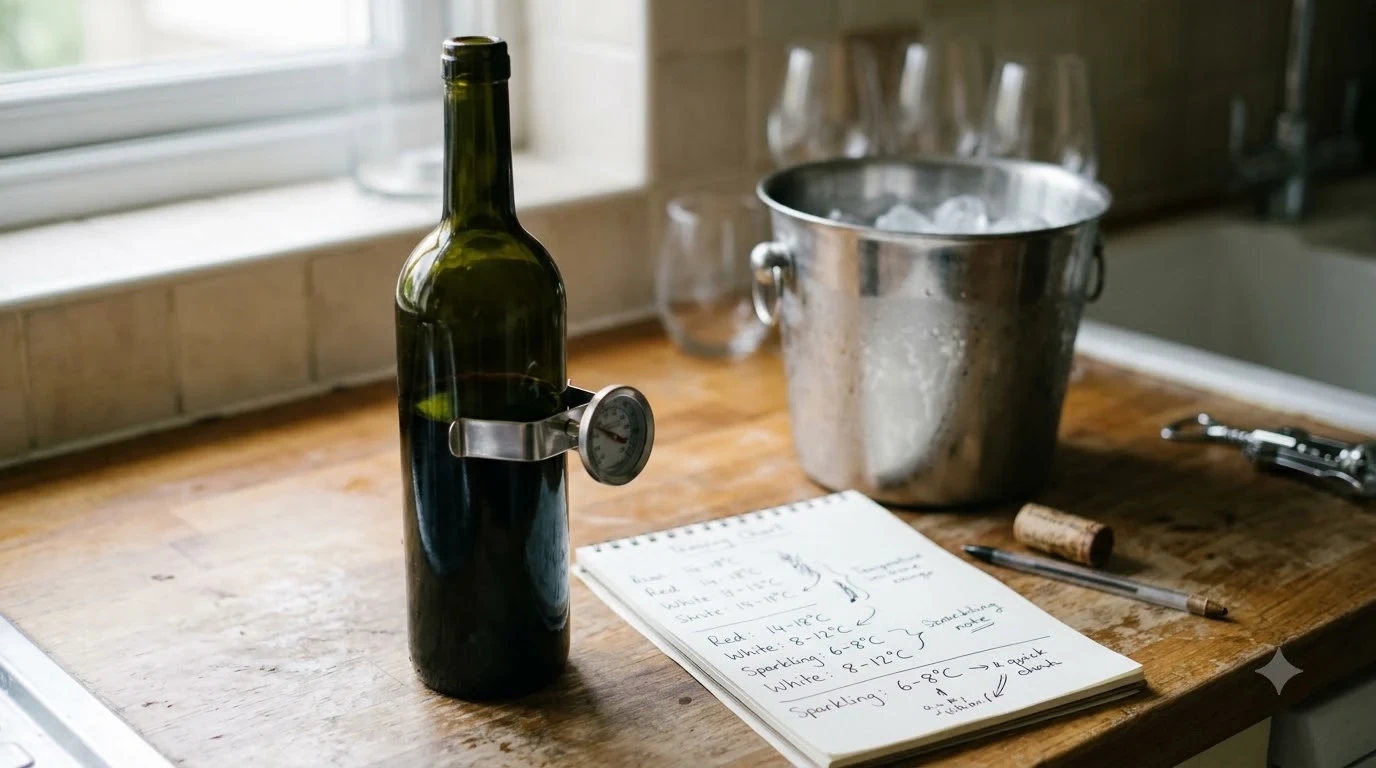
Moscato is best served well chilled, so keep the bottle in the fridge until just before pouring. Serve it in a standard white wine glass, and avoid letting it warm on the table, because sweetness and alcohol become more prominent as the wine rises in temperature. Because most sweet Moscatos are meant for early drinking, check the vintage and buy the freshest bottle you can find.
Pairing is where Moscato becomes fun. It works with fresh fruit, berry desserts, and light pastries, and its sweetness can soften salty or spicy dishes. Many people enjoy it with spicy Thai or Mexican food, where the sugar balances heat. It also pairs well with soft cheeses and fruit platters. Keep portions moderate and drink responsibly.
Common Mistakes When Buying and Serving Moscato
The most common mistake is treating every Moscato as the same. Two bottles with the same grape name can differ in sweetness, fizz, and body, so a glass you loved from one producer may disappoint you from another. Reading the label before you buy avoids that surprise and helps you match the bottle to the occasion.
Another mistake is serving Moscato too warm. At room temperature, the sweetness can seem heavy and the aromas fade, which makes the wine feel flat even when it is well made. A short stay in the fridge or an ice bucket fixes most of that. A third mistake is expecting a dry white. If you want something crisp and savory for a seafood dinner, a dry Sauvignon Blanc or Pinot Grigio will suit that meal better than a sweet Moscato.
Finally, check how long the bottle has been open. Sweet, lightly sparkling wines lose their freshness faster than dry, still wines, so finish an opened bottle within a day or two and keep it cold between pours.
How to Choose a Good Moscato Bottle
Start with the label. Look for the grape name, the region, and whether the wine is still or lightly sparkling. Those three details tell you a lot about the style before you open the bottle. A wine labeled as Moscato d’Asti will usually be lightly fizzy and modest in alcohol, while other sweet Moscatos can be fuller and more syrupy.
Read the sweetness and alcohol information carefully, especially if you are buying for a group. Producers do not always use the same wording for sweetness, so the back label or the producer’s website is the most reliable place to check. If you want a lower-alcohol option, compare the stated percentage across two or three bottles before you pick one. For a separate look at how alcohol levels differ across sweet Moscato brands, see the piece on Barefoot Moscato alcohol content.
The Asti consortium’s own site is a good starting point if you want to learn about the classic Italian version. The Asti consortium website describes Moscato Bianco as the key grape and places the wine in the Langhe, Roero, and Monferrato hills, which helps you understand where the style comes from before you compare it with newer versions.
Frequently Asked Questions
Is Ménage à Trois Moscato a sweet wine?
Moscato is generally a sweet style, and sweetness is one of its defining features. Check the bottle and producer information for the exact sweetness level of the specific wine you are buying.
What does Moscato taste like?
Moscato usually shows floral and fruity aromas, such as orange blossom, peach, and pear, with a soft, sweet finish. A good example also has enough acidity to keep the sweetness from feeling heavy.
Should Moscato be served chilled?
Yes. Serving it well chilled keeps the sweetness balanced and the fruit fresh. Avoid leaving the glass on the table for long periods.
What foods go well with Moscato?
Fresh fruit, berry desserts, and light pastries are classic choices. Its sweetness also works with spicy takeout and salty snacks, because the sugar softens heat and salt.
Ménage à Trois Moscato is easiest to enjoy when you know what the style is built to do: deliver fruit, sweetness, and easy drinking. Choose a bottle that matches your taste for sweetness, serve it cold, and pair it with food that complements its softness. For a broader look at how sweet and dry styles differ, the wine brands guide is a useful next stop.
More in Wine Brands
 Underwood Wine Price: Compare Bottles, Cans, and Pack SizesUpdated Nov 21, 2026
 Zenato Wine Price: Compare Styles and Choose the Right BottleUpdated Nov 21, 2026
 Zuccardi Wine Price: Compare Bottles and Find the Right RangeUpdated Nov 21, 2026
 Yellow Tail Moscato Review: Taste, Sweetness and Serving TipsUpdated Nov 21, 2026
 Wolf Blass Yellow Label Review: Choose Your Best StyleUpdated Nov 21, 2026
 Wolffer Estate Rose Review: Choose the Right Bottle for Your TableUpdated Nov 21, 2026