

We may earn a commission when you buy through links on this page, at no extra cost to you. Learn more.
The best medoc wineries to visit include Château Giscours and Château Palmer in Margaux, Château Beychevelle in Saint-Julien, and Château Lynch-Bages and Château Pontet-Canet in Pauillac. These celebrated Bordeaux estates offer different perspectives on Médoc Cabernet Sauvignon, historic château architecture, vineyard management, and traditional winemaking. For visitors seeking a wider range of experiences, smaller properties such as Château Siran, Château Angludet, and Château Paloumey also deserve consideration. The right choice depends on whether you prioritize prestigious classified wines, accessible tastings, vineyard practices, or a memorable day along the Route des Châteaux.
The Médoc is one of Bordeaux’s most recognizable wine destinations, stretching along the Gironde Estuary northwest of the city. Its famous estates produce structured red wines, primarily from Cabernet Sauvignon and Merlot, across several distinct appellations. A successful visit involves more than collecting famous château names: it means choosing properties that match your wine interests, arranging appointments, and understanding what makes each village different. This guide explains the leading estates, how to compare visits, and how to organize a worthwhile Médoc wine experience.
Who Should Visit the Best Médoc Wineries
The Médoc appeals to Cabernet Sauvignon enthusiasts, Bordeaux collectors, curious wine travelers, and anyone interested in the relationship between vineyard location and wine style. Its estates range from internationally recognized classified growths to smaller family properties offering a more personal introduction to Bordeaux winemaking.
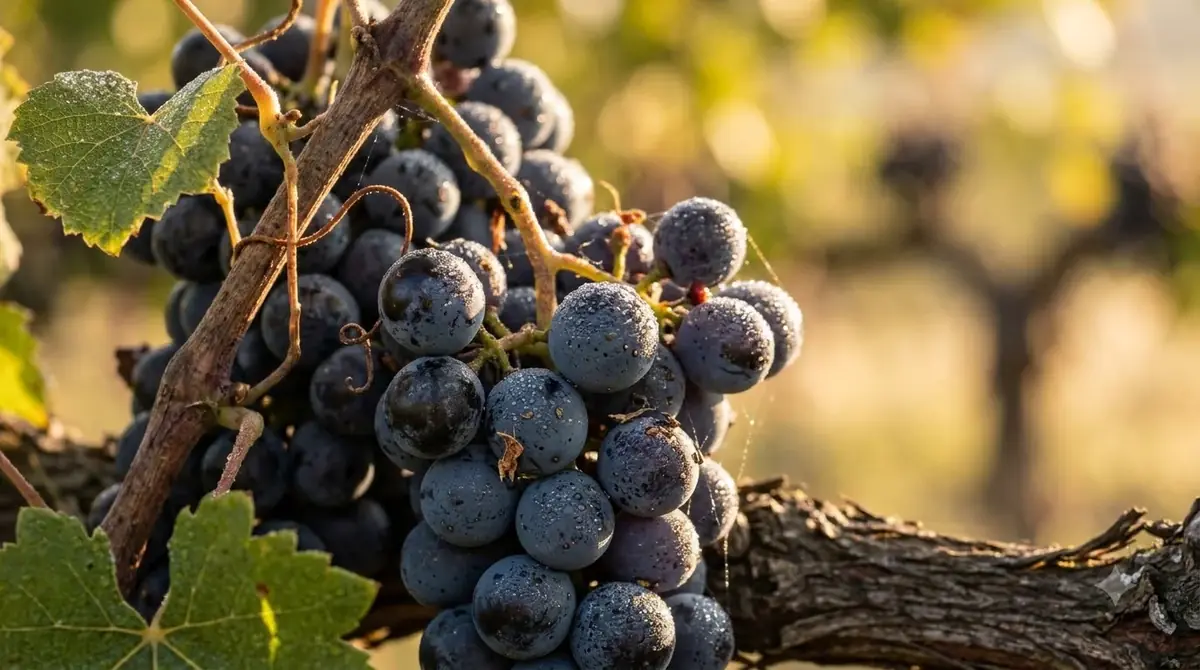
First-time visitors should consider Margaux and Pauillac because they provide contrasting examples of the region’s red wines. Margaux is associated with aromatic finesse and elegant structure, while Pauillac is particularly well known for Cabernet Sauvignon-driven wines with firm tannins, concentrated dark fruit, and considerable aging potential. Saint-Julien offers another useful reference point, combining structure with balance.
Experienced Bordeaux drinkers may prefer to concentrate on classified estates such as Château Palmer, Château Pichon Baron, or Château Lynch-Bages. These properties provide opportunities to explore the character of individual vineyards and the role of careful parcel selection. Their wines also illustrate why appellation and producer identity matter when comparing Bordeaux bottles.
Travelers who want a less formal experience should consider properties such as Château Siran or Château Angludet. Smaller and less internationally prominent estates can offer valuable conversations about grape growing, blending, and the practical work involved in making Bordeaux wine. Their appeal is not necessarily a lower level of quality; it is a different kind of hospitality and discovery.
Visitors planning a trip with limited time should also remember that the Médoc is a substantial wine region rather than a compact tasting district. The Médoc Wine Route covers approximately 80 kilometers along the D2, according to the MICHELIN Guide’s Médoc Wine Route overview. Driving between villages, attending appointments, and allowing time for lunch all influence how many estates fit comfortably into a day.
Key Factors to Compare When Choosing Médoc Estates
The best winery is not automatically the estate with the highest historical classification. Compare appellation, wine style, visitor access, vineyard practices, and the depth of the tasting experience before committing to a schedule.
| Factor | What to look for | Useful examples |
|---|---|---|
| Appellation | Different village identities and terroirs | Margaux, Pauillac, Saint-Julien |
| Classification | Historical 1855 growth ranking | First through Fifth Growths |
| Vineyard size | Scale and diversity of vineyard parcels | Giscours: 100 hectares; Palmer: 66 hectares |
| Grape varieties | Blend composition and Cabernet influence | Cabernet Sauvignon, Merlot, Cabernet Franc |
| Farming practices | Organic, biodynamic, or sustainable approaches | Palmer, Pontet-Canet, Ferrière |
| Visit arrangements | Appointments, guided tours, and tastings | Tourist office booking directory |
| Experience | Cellars, vineyards, architecture, and hospitality | Lynch-Bages, Siran, Beychevelle |
Appellation is an especially useful starting point. Margaux, Pauillac, Saint-Julien, and Saint-Estèphe are four prominent communal appellations, each with a recognizable identity. Margaux often emphasizes aromatic complexity and refinement. Pauillac is known for power and structure, while Saint-Julien frequently offers a combination of concentration and balance. Saint-Estèphe tends toward firm structure and a substantial palate.
The 1855 Classification provides another useful comparison. It ranks participating Bordeaux estates across five growth levels, from First Growth to Fifth Growth. The system was originally organized around commercial reputation and market prices rather than a modern assessment of every aspect of vineyard quality. It remains historically important, but it should not be treated as a complete contemporary ranking of every wine in the Médoc.
Visitor access is equally important. A famous estate may have limited public availability, while another classified property may offer a more structured tourism program. The Médoc-Vignoble Tourist Office explains that visitors should prepare their appointments, particularly when planning to visit a Grand Cru Classé estate. Compare actual tour availability rather than assuming every château welcomes spontaneous visitors.
Tip: Choose wineries by experience as well as reputation. One historic classified estate, one property with distinctive vineyard practices, and one smaller family producer can provide a more informative Médoc visit than three similar grand estates.
Step-by-Step: How to Plan a Médoc Winery Visit
A good Médoc itinerary starts with a manageable geographic route and confirmed appointments. Two or three winery visits in one day generally provide more time to appreciate the wines and ask meaningful questions than trying to visit every famous property.
-
Choose your preferred appellations.
Start with Margaux for aromatic elegance, Pauillac for structured Cabernet Sauvignon, Saint-Julien for balance, or Saint-Estèphe for a firmer, more substantial expression. Select two neighboring areas rather than attempting to cover all eight Médoc appellations in one day. -
Identify three or four possible estates.
Consider Château Giscours, Château Palmer, Château Beychevelle, Château Lynch-Bages, and Château Pontet-Canet. Include at least one alternative in case your preferred property cannot accommodate your requested date. -
Compare the visitor experiences.
Determine whether the visit includes vineyard access, a cellar tour, an explanation of blending, or a guided tasting. A simple tasting appointment is different from an extended tour that examines the production process. -
Contact the estates before traveling.
Many classified properties operate by appointment. The Médoc-Vignoble Tourist Office also provides information about participating estates and visitor arrangements. Confirm the date, language, duration, and number of visitors. -
Arrange transportation.
The D2 is the principal Médoc Wine Route. A designated driver, private guide, or organized wine tour makes it easier to enjoy tastings without worrying about driving afterward. -
Schedule lunch and breaks.
Allow time between appointments rather than arranging consecutive tastings without a buffer. A relaxed lunch also gives visitors an opportunity to compare wines and consider how their preferences are developing. -
Keep tasting notes.
Record the appellation, grape varieties, aromas, tannin structure, acidity, and finish of each wine. These observations are particularly useful when comparing several Cabernet Sauvignon-based Bordeaux blends. -
Choose bottles based on your preferences.
After the visits, consider which producers and appellations best match your interests. Think about drinking windows, food pairings, and whether you prefer a youthful structured wine or a more mature Bordeaux.
For travelers interested in American wine destinations as well, the same approach to planning can help when researching the best Temecula wineries. Selecting a few producers with different strengths is generally more informative than rushing through a long list of tasting rooms.
The most useful planning principle is to leave room for the unexpected. A conversation about a vineyard parcel, an interesting barrel-aging explanation, or an additional wine in a tasting can make an appointment more rewarding than a tightly packed schedule.
Types of Médoc Wineries and Estates Explained
Médoc wineries differ in classification, vineyard size, production philosophy, and visitor experience. Understanding these categories helps travelers identify which estates deserve priority and which wines are most relevant to their interests.
Prestigious classified growths
The 1855 classified growths are among the most recognized names in Bordeaux. Château Margaux, Château Latour, Château Lafite Rothschild, and Château Mouton Rothschild are First Growths associated with exceptional historical prestige. Their wines are typically Cabernet Sauvignon-dominant blends with considerable structure and aging potential.
Other classified properties offer equally interesting opportunities for visitors. Château Palmer is officially a Third Growth in Margaux, but its reputation is particularly strong among Bordeaux enthusiasts. Its 66-hectare vineyard includes gravel, sand, and clay, and its substantial Merlot presence contributes to the estate’s distinctive style.
Family-owned and smaller producers
Smaller properties can be excellent choices for visitors who want to understand the day-to-day work of winemaking. Château Angludet, in Cantenac, is listed as a biodynamic Margaux property with tastings on a wooden terrace. Château Siran, in Labarde, offers an unusual combination of wine heritage and museum attractions, including an atomic bunker.
Château Paloumey in Ludon-Médoc is another interesting option for visitors who value organic farming and a family-property atmosphere. These estates provide a broader picture of the region than a schedule consisting entirely of internationally famous names.
Organic and biodynamic estates
Vineyard management has become an important consideration for many wine travelers. Château Palmer follows biodynamic principles and has incorporated hedgerows, orchards, agroforestry, and grazing animals into its approach to vineyard biodiversity.
Château Pontet-Canet in Pauillac is another notable example of biodynamic viticulture. Its approximately 80 hectares of vines occupy characteristic gravel soils with clay-limestone subsoils. Château Ferrière in Margaux is also listed as a biodynamic-certified classified estate. These properties are especially relevant to visitors interested in how farming decisions influence vineyard management and wine production.
Estates focused on architecture and hospitality
Some Médoc properties are particularly appealing because of their buildings, gardens, or distinctive visitor facilities. Château Beychevelle in Saint-Julien is known for its position overlooking the Gironde Estuary, while Château Lynch-Bages combines an established wine identity with a visitor-oriented village environment in Pauillac.
For a more varied itinerary, consider combining an architectural visit with a smaller estate tasting. This gives visitors an opportunity to appreciate both the historic grandeur and the working agricultural character of the Médoc.
Common Mistakes When Choosing Médoc Wineries
The most common mistake is assuming that the most prestigious estate will automatically provide the best visitor experience. A memorable wine trip depends on access, interests, scheduling, and the ability to compare wines thoughtfully.
Confusing classification with personal preference
A First Growth has enormous historical significance, but that does not mean every visitor will prefer its wine to a less highly classified producer. Some people enjoy the aromatic refinement associated with Margaux, while others prefer the powerful Cabernet Sauvignon character of Pauillac. Classification is a starting point, not a substitute for discovering personal taste.
Assuming every famous château accepts visitors
Not every major Médoc estate offers ordinary public tours. Some properties limit access to trade visitors, industry professionals, or guests with confirmed appointments. Château Margaux, Château Latour, and other internationally recognized names should never be treated as walk-in tasting destinations.
Check the available visitor arrangements before including a particular property in your itinerary. The tourist office’s classified-estate directory is a practical starting point, and individual estates can confirm their current schedules and tasting options.
Trying to visit too many wineries
Five or six tastings in one day can become tiring, especially when appointments involve driving between different villages. Each estate deserves enough time for its vineyard explanation, cellar tour, and tasting. Two or three carefully selected visits often produce a more useful comparison.
Ignoring differences between appellations
Visiting three estates that all produce similar styles may provide less insight than comparing producers in different villages. Margaux, Saint-Julien, Pauillac, and Saint-Estèphe offer meaningful contrasts in vineyard conditions and wine character.
For example, comparing Château Palmer with Château Pichon Baron can illustrate differences between a Merlot-influenced Margaux blend and the Cabernet Sauvignon-led identity associated with Pauillac. Such comparisons help visitors understand Bordeaux beyond famous labels.
Booking without checking the tasting format
A winery may offer a cellar tour, a vineyard walk, a standard tasting, or a more specialized experience. These options are not interchangeable. Confirm the number of wines included, the expected duration, the language of the guide, and whether the visit is private or shared.
Wine Care, Storage, and Serving Tips After Your Visit
Buying a bottle from a Médoc winery is only part of the experience. Proper transportation, storage, serving temperature, and food pairing help preserve the wine’s character and make the most of its structure.
Transporting bottles safely
Wine can be affected by excessive heat, so avoid leaving purchases in a hot vehicle for extended periods. During travel, keep bottles protected from direct sunlight and unnecessary temperature fluctuations. Use suitable bottle packaging to reduce the risk of breakage, particularly when transporting several bottles together.
Travelers flying internationally should also consider airline baggage restrictions and customs requirements before purchasing wine. Original packaging or protective wine luggage can help prevent damage during transit.
Storing Médoc red wines
Store bottles on their sides in a dark, temperature-stable environment near 55°F. Avoid locations close to ovens, radiators, windows, or other sources of heat. Stable conditions are more important than frequent adjustments to the storage environment.
Many structured Médoc wines are intended for aging, particularly Cabernet Sauvignon-dominant classified growths. Their tannins, acidity, and fruit concentration can support extended cellaring, although the appropriate drinking window depends on the producer, vintage, and individual bottle.
Serving temperature and decanting
Serve light-bodied reds around 55–60°F and fuller-bodied reds around 60–65°F. Médoc Cabernet Sauvignon blends generally benefit from being served toward the cooler end of typical room temperature rather than being allowed to become overly warm.
Young, full-bodied red wines can benefit from 30–60 minutes of decanting before serving. This provides an opportunity for the wine to open aromatically and allows any sediment to remain in the decanter rather than the glass. Older bottles may need gentler handling because excessive aeration can diminish delicate mature aromas.
Pairing Médoc wines with food
Cabernet Sauvignon’s relatively high tannin makes it particularly suitable for rich, protein-rich dishes. Grilled beef, roast lamb, braised short ribs, and aged hard cheeses are natural companions. The fat and protein in these foods soften the perception of tannin and make structured Bordeaux wines more approachable.
Merlot-influenced blends can work especially well with roast pork, mushroom dishes, and grilled poultry. More mature Médoc wines can also complement slow-cooked dishes with herbs and earthy flavors. Avoid pairing highly tannic young reds with oily fish, which can create an unpleasant metallic impression.
For serving, a standard 5-ounce pour allows a 750 ml bottle to provide approximately five glasses. This is a useful reference when planning a dinner around a bottle purchased during a winery visit.
Visitors exploring other American wine destinations can also compare the regional character of Bordeaux with the producers featured among the best Paso Robles wineries. The grape varieties and winemaking traditions differ, but comparing regional styles can make wine selection more rewarding.
Frequently Asked Questions
Are Médoc wines always red?
No. Although the region is internationally famous for red Bordeaux, white wine is also produced in the broader Médoc area. Some estates make dry white Bordeaux from varieties such as Sauvignon Blanc and Sémillon, offering a different expression of the region’s gravelly soils and maritime climate.
Is Haut-Médoc the same as Médoc?
No. Médoc and Haut-Médoc are separate regional appellations within the broader Médoc wine area. Haut-Médoc occupies the southern portion of the peninsula, while Médoc generally refers to the northern regional appellation. Both are distinct from the four prominent communal appellations of Margaux, Pauillac, Saint-Julien, and Saint-Estèphe.
What does Grand Cru Classé mean on a Bordeaux wine label?
In the Médoc context, the term generally refers to an estate included in the 1855 Bordeaux Classification. It is a historical designation associated with a particular château rather than a guarantee that every bottle from that property will have identical quality. Bordeaux also uses other classification systems, so the precise meaning depends on the appellation.
Which Médoc village is best for Cabernet Sauvignon enthusiasts?
Pauillac is an excellent starting point because Cabernet Sauvignon plays a central role in the identity of many of its most celebrated wines. The village is also home to a concentration of prominent classified estates. Visitors can explore differences between producers such as Pichon Baron, Lynch-Bages, and Pontet-Canet.
Can visitors purchase wine directly from Médoc châteaux?
Many estates offer opportunities to purchase their wines through an on-site boutique or direct sales arrangements. Availability varies by property, and some prestigious wines may be distributed through established négociants rather than sold directly during a visit. Ask about shipping arrangements, export availability, and international delivery restrictions before making a purchase.
The best Médoc winery itinerary balances famous classified estates with smaller producers and distinctive visitor experiences. Start with Margaux, Pauillac, or Saint-Julien, confirm appointments in advance, and allow enough time to appreciate each tasting. A thoughtful selection of two or three estates can provide a much clearer understanding of Bordeaux’s character than a rushed tour of the entire region. For more wine-purchasing advice and regional recommendations, explore our wine-buying resources.
More in Wine Buying Guides
 Riesling Gift: Choose a Bottle They’ll LoveUpdated Nov 21, 2026
 Sweet Red Wine Gift: Choose a Bottle They’ll LoveUpdated Nov 21, 2026
 Malbec Gift: How to Choose a Memorable Bottle for Any OccasionUpdated Nov 21, 2026
 Sherry Gift Ideas That Match Every Wine LoverUpdated Nov 21, 2026
 Moscato Gift: How to Choose a Sweet Wine They’ll LoveUpdated Nov 21, 2026
 Merlot Gift: How to Choose a Bottle They’ll AppreciateUpdated Nov 21, 2026