

We may earn a commission when you buy through links on this page, at no extra cost to you. Learn more.
Medoc wine grapes are primarily Cabernet Sauvignon, Merlot, Cabernet Franc, and Petit Verdot, blended to create the structured, full-bodied red wines of Bordeaux’s Left Bank. Cabernet Sauvignon usually provides the backbone, while Merlot adds softness and ripe fruit. Cabernet Franc contributes aromatic complexity, and Petit Verdot brings color, tannin, and freshness. Together, these varieties reflect the influence of Médoc’s gravelly soils, Atlantic climate, and distinctive vineyard locations.
The Médoc is one of Bordeaux’s best-known red-wine regions, but its identity is about more than Cabernet Sauvignon. The interaction between several grape varieties allows winemakers to balance fruit, acidity, tannin, and structure. Understanding which grapes grow here, what each contributes, and why certain varieties perform better in particular soils makes it easier to recognize different Médoc wine styles and choose bottles that suit your preferences.
Cabernet Sauvignon Is the Leading Médoc Grape
Cabernet Sauvignon is the defining variety of Médoc red wine, providing much of its recognizable structure, dark-fruit character, and aging potential. Its thick skins, substantial tannins, and relatively late ripening make it particularly suitable for the region’s well-drained gravel vineyards.
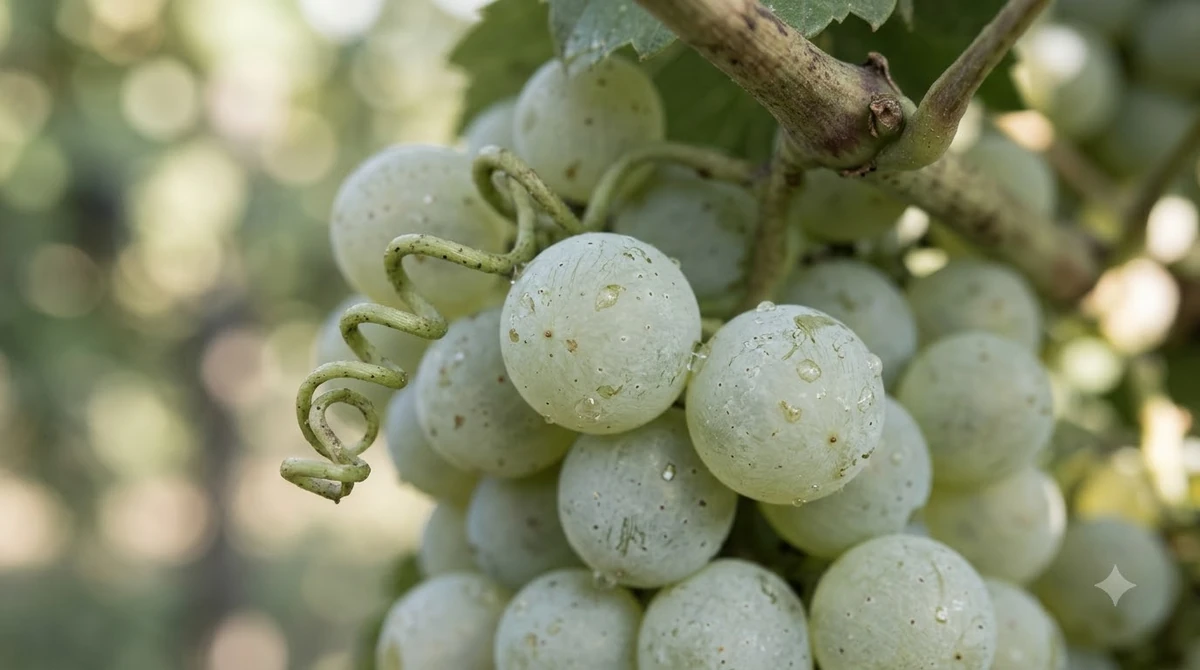
In the Médoc, Cabernet Sauvignon typically produces wines with flavors of blackcurrant, blackberry, and dark cherry. Pepper and other savory spice notes can add complexity, while oak aging may introduce aromas of cedar, tobacco, and cocoa. Young examples often have firm tannins and a concentrated fruit profile. With bottle age, the fruit becomes more integrated and secondary aromas become increasingly apparent.
According to Les Vins du Médoc, Cabernet Sauvignon ripens approximately 8–10 days later than Merlot. That difference matters in a region where autumn weather can influence the final quality of the harvest. The variety needs enough warmth and sunshine to reach full maturity, and its performance is closely connected to vineyard location and soil drainage.
Gravel is particularly valuable for this purpose. Water moves through gravelly ground relatively quickly, preventing excessive moisture from remaining around vine roots. The soil also warms relatively rapidly during spring, helping Cabernet Sauvignon develop through the growing season. This relationship between grape variety and ground conditions is an important feature of Médoc viticulture.
Cabernet Sauvignon contributes more than fruit concentration. Its firm tannins provide a framework that can support years of development in the bottle. In blends, it helps preserve freshness and definition while allowing softer varieties to provide immediate drinkability.
For American wine drinkers, a Cabernet Sauvignon-dominant Médoc is often a useful starting point when exploring Bordeaux. Expect a structured profile with dark fruit and savory characteristics, rather than the sometimes more overtly ripe fruit associated with warmer growing regions.
The official Médoc grape-variety descriptions explain how Cabernet Sauvignon’s late ripening, gravel preference, and tannic structure make it central to the region’s traditional blends.
Merlot Adds Roundness and Red-Fruit Character
Merlot is the principal blending partner for Cabernet Sauvignon in Médoc wines. It generally ripens earlier, produces softer-feeling wines, and contributes generous fruit that balances the firmer structure of Cabernet Sauvignon.
Merlot is especially well suited to cooler clay and clay-limestone soils. These ground conditions retain more moisture than gravel, which can be useful for an earlier-ripening variety. Merlot’s ability to reach maturity sooner also provides an advantage in challenging seasons when late-season weather threatens slower-ripening grapes.
In the glass, Médoc Merlot commonly displays red plum, black cherry, ripe berry, and prune characteristics. Depending on the vineyard and winemaking approach, forest-floor, earthy, and grilled notes may also appear. The result is often a wine with a fuller, rounder middle palate than a Cabernet Sauvignon-led wine made from a similar growing area.
According to the Médoc winegrowers’ official grape-variety information, Merlot is the earliest-ripening of the four principal varieties. Its contribution to a blend is softness and richness. This does not mean that Merlot is necessarily low in tannin: concentrated examples can still have considerable structure, particularly when grown in favorable conditions and handled carefully during winemaking.
The balance between Merlot and Cabernet Sauvignon is one of the most important decisions in Médoc blending. A higher proportion of Merlot can produce a more approachable wine with prominent red-fruit aromas and a softer overall impression. A greater Cabernet Sauvignon presence generally emphasizes dark fruit, firmer tannins, and a longer development period.
Merlot can also make a wine more enjoyable earlier in its life. Cabernet Sauvignon may need additional bottle aging for its tannins to integrate, while Merlot’s fruit and rounder texture can provide more immediate appeal. This is one reason two Médoc wines from neighboring properties can taste noticeably different despite sharing the same broad regional identity.
Tip: If you prefer softer, fruit-forward Bordeaux, look for Médoc wines that emphasize Merlot. If you enjoy firm tannins, blackcurrant flavors, and wines intended for longer cellaring, choose a Cabernet Sauvignon-dominant blend.
Cabernet Franc and Petit Verdot Complete the Blend
Cabernet Franc and Petit Verdot are the other two principal Médoc varieties. They are generally used in smaller proportions than Cabernet Sauvignon and Merlot, but each provides characteristics that can make a blend more complete and distinctive.
Cabernet Franc: Aromatics and Freshness
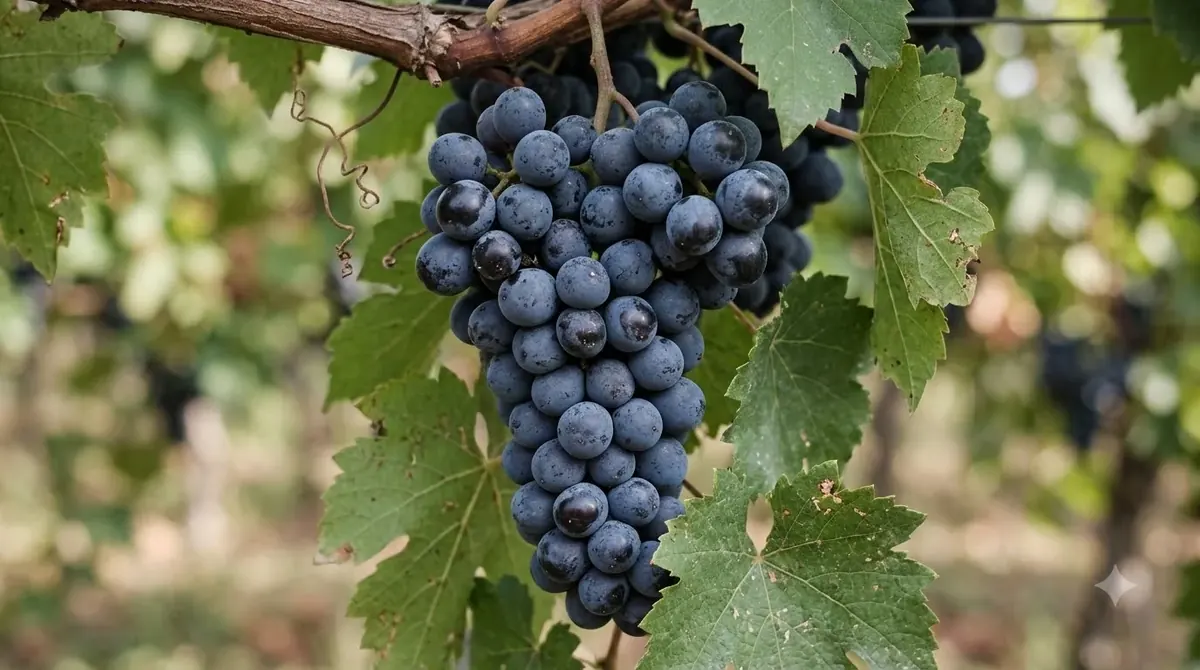
Cabernet Franc occupies an important supporting role in Médoc blending. It is known for raspberry, red berry, floral, and spicy aromas, together with relatively supple tannins. These qualities can add aromatic detail without making the finished wine feel excessively heavy.
Its ripening period falls between Merlot and Cabernet Sauvignon. That timing provides winemakers with another option when managing the harvest and choosing grapes for individual vineyard parcels. Cabernet Franc is particularly suited to clay-limestone conditions in the Médoc, although its performance depends on the specific vineyard environment.
In a finished blend, Cabernet Franc can contribute freshness and a more expressive bouquet. Its red-fruit character can complement the blackcurrant and blackberry notes of Cabernet Sauvignon, while its texture helps create a more balanced overall impression.
Cabernet Franc is also an important grape in other Bordeaux districts, although its role varies by location. Readers interested in how regional grape combinations differ can explore the wider collection of Wine Regions.
Petit Verdot: Color, Body, and Structure
Petit Verdot is a late-ripening grape that can be particularly influential even when used in relatively small quantities. It produces deeply colored wines with dark-fruit and floral aromas, substantial tannins, and a characteristic combination of body and freshness.
The variety is associated with well-drained gravel soils, where warmer ground can help it achieve maturity. Because it ripens late, its quality can vary according to the growing season. A successful harvest can provide a useful source of depth and structure for a Médoc blend.
Petit Verdot is especially useful when a winemaker wants additional color and concentration without relying entirely on Cabernet Sauvignon. Its tannin can reinforce the structure of a wine, while its freshness helps keep the blend from seeming overly broad.
These four varieties work together because their differences are useful rather than problematic. Cabernet Sauvignon supplies the framework, Merlot fills out the palate, Cabernet Franc adds aromatic definition, and Petit Verdot contributes extra intensity and structure.
Malbec, Carmenère, and Other Authorized Grapes
Although the four principal varieties dominate the familiar image of Médoc red wine, the appellation’s authorized grape list is broader. Malbec and Carmenère are also permitted, and additional adaptation varieties have been approved under specific planting and blending restrictions.
Malbec is identified as Côt in French wine specifications. It can contribute dark fruit, color, and additional structure to a red-wine blend. Although Malbec is now strongly associated with Argentina in the American market, its presence in the Bordeaux grape tradition is much older.
Carmenère is another authorized variety. It is less commonly encountered than Cabernet Sauvignon or Merlot in Médoc blends, but it remains part of the region’s permitted grape selection. Its historical connection with Bordeaux is also interesting because it became much more widely associated with Chilean wine production.
The traditional Médoc red-wine specification identifies six authorized varieties:
- Cabernet Sauvignon
- Merlot
- Cabernet Franc
- Petit Verdot
- Malbec, also known as Côt
- Carmenère
Four additional varieties have been approved for adaptation purposes: Arinarnoa, Castets, Marselan, and Touriga Nacional. Their inclusion provides winemakers with additional possibilities for responding to changing growing conditions and maintaining the characteristic structure of Médoc red wines.
These adaptation varieties are subject to limits. The applicable specification restricts them collectively to 5% of vineyard plantings and 10% of the blend. Their presence should therefore be understood as a controlled addition to the established grape selection rather than a replacement for the traditional varieties.
For wine drinkers, these lesser-known grapes are unlikely to be the first varieties encountered in a typical Médoc bottle. Nevertheless, their inclusion demonstrates that Bordeaux blending traditions can evolve while maintaining a recognizable regional identity.
Gravel, Clay, and the Médoc Growing Environment
The Médoc’s grape varieties make sense when considered alongside its geography and soils. Gravel encourages Cabernet Sauvignon to ripen, clay can support Merlot, and the Atlantic-influenced climate provides conditions in which several varieties with different ripening schedules can succeed.
The Médoc occupies the Left Bank of the Gironde estuary, north of Bordeaux. Its vineyard area extends approximately 80 kilometers from north to south and slightly more than 10 kilometers from east to west, covering 50 communes according to the European Union’s geographical specification.
The Atlantic Ocean to the west and the Gironde estuary to the east help moderate temperatures. This influence reduces some of the seasonal extremes that could otherwise make ripening difficult. The region nevertheless experiences vintage variation, with rainfall, sunshine, and autumn temperatures influencing the quality of the harvested grapes.
According to the Conseil des Grands Crus Classés en 1855, the Médoc has an average annual temperature of approximately 55°F (13°C), with average rainfall of around 33 inches (850 mm). Gravelly soils are particularly valuable in this relatively wet Atlantic environment because they allow excess water to drain away.
Why Gravel Matters
Gravel soils are especially important for Cabernet Sauvignon. They warm relatively quickly in spring, helping the late-ripening grapes develop. Their drainage characteristics also allow growers to manage vine water availability, which influences the balance between vegetative growth and fruit development.
The region’s gravel is not uniform. Different vineyard parcels contain varying combinations of stones, sand, clay, and other materials. These differences affect drainage, heat retention, and the way vines access water throughout the growing season.
Why Clay Matters
Clay holds water more effectively than gravel. This can benefit Merlot, particularly during drier periods, and helps explain why the variety performs well in cooler clay-limestone locations. Some Médoc vineyards also contain substantial clay deposits, demonstrating that the region’s identity cannot be reduced to a single soil type.
These soil differences help explain why a wine from one Médoc property may emphasize Cabernet Sauvignon’s dark fruit and firm structure while another may offer more Merlot-driven roundness. Vineyard location, grape selection, and seasonal conditions all influence the result.
The Conseil des Grands Crus Classés en 1855 provides a detailed explanation of the relationship between the region’s climate, rainfall, gravel, and wine-growing conditions in its article on the Médoc terroir.
The best way to understand this relationship is to compare bottles from different properties and appellations rather than assuming that every Médoc wine has the same blend. The region’s distinctive character emerges from the interaction of grape variety, soil, climate, and winemaking decisions.
How Médoc Grapes Influence the Finished Wine
The proportions of individual varieties determine much of a Médoc wine’s flavor, texture, and aging potential. Cabernet Sauvignon usually brings firmer tannins, while Merlot softens the palate and supporting varieties add complexity and definition.
The following table summarizes the principal grape varieties and their typical contributions. These are descriptive profiles rather than fixed blending percentages, since the proportions vary by property and vintage.
| Grape | Typical Ripening | Common Flavor Profile | Main Blending Role |
|---|---|---|---|
| Cabernet Sauvignon | 8–10 days after Merlot | Blackcurrant, blackberry, pepper | Structure, tannin, aging potential |
| Merlot | Earliest of the four | Plum, red fruit, prune | Softness, richness, roundness |
| Cabernet Franc | Later than Merlot | Raspberry, floral, spice | Aromatic complexity and freshness |
| Petit Verdot | Late | Dark fruit, floral notes | Color, tannin, body, freshness |
One of the defining characteristics of Médoc is the relationship between tannin and fruit. Cabernet Sauvignon supplies a substantial tannin framework, while Merlot helps make the wine feel more generous. Cabernet Franc and Petit Verdot can refine this combination by adding aromatic complexity and additional structure.
Young Médoc wines often show blackcurrant, blackberry, plum, and dark cherry, accompanied by firm tannins and fresh acidity. Depending on the blend, they may also display raspberry, floral notes, pepper, or earthy characteristics.
With bottle age, the fruit profile can become less overtly fresh and develop more complex secondary and tertiary aromas. Cedar, tobacco, leather, cocoa, and dried fruit may become more apparent. Cabernet Sauvignon-heavy examples from suitable vintages can have particularly impressive aging potential.
Oak aging is another important influence. Many Médoc reds are matured in oak barrels, although the amount of new oak and the length of maturation differ between producers. Oak can add spice, toast, cedar, and vanilla characteristics, but it should complement the fruit and tannin rather than overwhelm them.
The Médoc specification establishes a minimum natural alcohol level of 11% ABV and a maximum total alcohol level of 13% ABV after enrichment. These regulatory figures describe production limits, not a promise that every individual wine will have exactly the same alcohol content or taste.
For a deeper understanding of the finished wine, consider how much Cabernet Sauvignon and Merlot are present, how much oak influence is noticeable, and whether the wine feels intended for early drinking or extended cellaring.
Choosing, Serving, and Enjoying Médoc Wine
The best Médoc bottle depends on the style you enjoy, the occasion, and how long you plan to keep the wine. Cabernet Sauvignon-led wines generally suit drinkers who appreciate firmer structure, while Merlot-rich blends can offer a rounder, more immediately approachable experience.
When selecting a bottle, begin with the appellation and producer. The broader Médoc appellation covers a diverse growing area, while more specific appellations such as Pauillac, Margaux, Saint-Julien, Saint-Estèphe, Moulis-en-Médoc, and Listrac-Médoc provide additional geographical context.
These appellations are not interchangeable, even though they share the same broad Bordeaux blending tradition. Differences in soil, vineyard location, grape proportions, and winemaking can produce noticeably different expressions.
Match the Style to Your Preferences
If you enjoy powerful red wines with firm tannins, look for a Cabernet Sauvignon-dominant Médoc. These wines often display concentrated blackcurrant and blackberry flavors, together with a substantial structure that can develop with bottle age.
If you prefer a softer texture, look for wines with a greater Merlot contribution. Plum, cherry, and other red-fruit flavors may be more immediately noticeable, and the tannins can feel rounder.
Cabernet Franc and Petit Verdot can make a difference even when they appear in smaller proportions. The former can introduce floral and raspberry notes, while the latter contributes darker color, body, and structure.
Serving Temperature and Decanting
Médoc reds are generally best served slightly below typical room temperature. A useful serving range for full-bodied red wines is 60–65°F. This allows the fruit and aromatic details to emerge without making the alcohol seem overly prominent.
Young, structured Médoc wines can benefit from decanting for approximately 30–60 minutes. Exposure to air can help soften the initial impression of firm tannins and make the aromas easier to appreciate. Older bottles require more care because extended aeration may diminish delicate developed aromas.
For a standard tasting, pour approximately 5 ounces per glass. A 750 ml bottle provides roughly five such servings, making it a practical size for a small dinner gathering or comparative tasting.
Food Pairings for Médoc Red Wine
The tannin and structure of Médoc make it a natural companion for rich foods. Grilled beef, lamb, roast duck, and dishes featuring mushrooms are particularly useful pairings because their savory flavors complement the wine’s dark fruit and earthy characteristics.
Fat and protein-rich foods can also soften the perception of tannin. A grilled ribeye with a modest amount of fat, for example, can make a structured Cabernet Sauvignon-led Médoc feel more balanced. Lamb shoulder with rosemary is another classic combination.
Hard cheeses, roasted vegetables, and mushroom-based dishes provide further options. For a cheese course, try aged cheddar or firm Alpine-style cheeses rather than delicate fresh cheeses that may be overwhelmed by a powerful red wine.
Be careful with very spicy food. Chili heat can become more intense alongside alcohol and tannin, making a powerful Médoc less comfortable to drink. Similarly, oily fish can clash with tannic red wines, so lighter or less tannic wines are generally better choices for salmon, sardines, and similar dishes.
Readers interested in experiencing the regional differences directly can also explore Médoc wine tasting. Comparing a Cabernet Sauvignon-led wine with a softer Merlot-influenced example is a practical way to recognize the contribution of each grape.
For another perspective on regional grape selection, Texas wine grapes offers an opportunity to compare the varieties and growing conditions of an American wine-producing region. The contrast illustrates how climate and vineyard environment influence the grapes that become regional specialties. Readers exploring less conventional styles can also learn about orange wine grapes and the different production choices behind those wines.
Frequently Asked Questions
Is Médoc the same as Bordeaux?
No. Médoc is a specific winegrowing area within the larger Bordeaux region of southwestern France. Bordeaux includes several distinct geographical areas, including the Right Bank, Graves, and Sauternes, each with its own wine traditions and grape combinations.
Are Médoc wines always dry red wines?
The traditional Médoc red wines are dry and still, with very little residual sugar. The appellation’s production specification also includes provisions for white wine, made using varieties such as Sauvignon Blanc, Sémillon, and Muscadelle. The familiar regional identity, however, remains strongly associated with structured red Bordeaux.
Does Médoc have a fixed Cabernet Sauvignon percentage?
No single Cabernet Sauvignon percentage defines every Médoc blend. The grape proportions can change between estates and harvests according to vineyard conditions, grape maturity, and the winemaker’s preferred style. The appellation’s identity comes from its authorized grape varieties and regional production requirements rather than one universal blend formula.
What does Côt mean on a French wine specification?
Côt is the French name used for Malbec in the Médoc grape-variety specification. It refers to the same grape variety familiar to American consumers through Argentine Malbec. Its authorization in Médoc reflects the region’s historical connection with a broader Bordeaux grape tradition.
Can Médoc wines be made without oak barrels?
Yes. Oak-barrel aging is a winemaking choice rather than the defining characteristic of the appellation. Some producers use stainless-steel tanks or other maturation vessels, while others employ different proportions of oak to shape texture and aroma. The permitted grape varieties and geographical production requirements remain central elements of the Médoc designation.
Médoc wine grapes are a study in balance: Cabernet Sauvignon provides structure, Merlot brings softness, Cabernet Franc adds aromatic detail, and Petit Verdot supplies depth and freshness. Their relationship with gravel, clay, and the Atlantic-influenced climate explains why Médoc wines have such a recognizable identity. Once you understand these varieties, choosing and appreciating different bottles of Médoc becomes a much more rewarding experience.
More in Wine Regions
 Willcox Wine Trail: Discover Arizona’s High-Elevation Wine CountryUpdated Nov 20, 2026
 Yakima Valley Wine Region: Find the Best Styles to TryUpdated Nov 20, 2026
 Vosne Romanee Wine Tasting: Identify Aromas and Choose Better PairingsUpdated Nov 20, 2026
 Yakima Valley Wine Festival: Find the Best Seasonal Wine EventsUpdated Nov 20, 2026
 Wales Vineyards: Discover Cool-Climate Wines and Where to VisitUpdated Nov 20, 2026
 Yountville Wine Festival: Discover Napa Wines and Local FoodUpdated Nov 20, 2026