

We may earn a commission when you buy through links on this page, at no extra cost to you. Learn more.
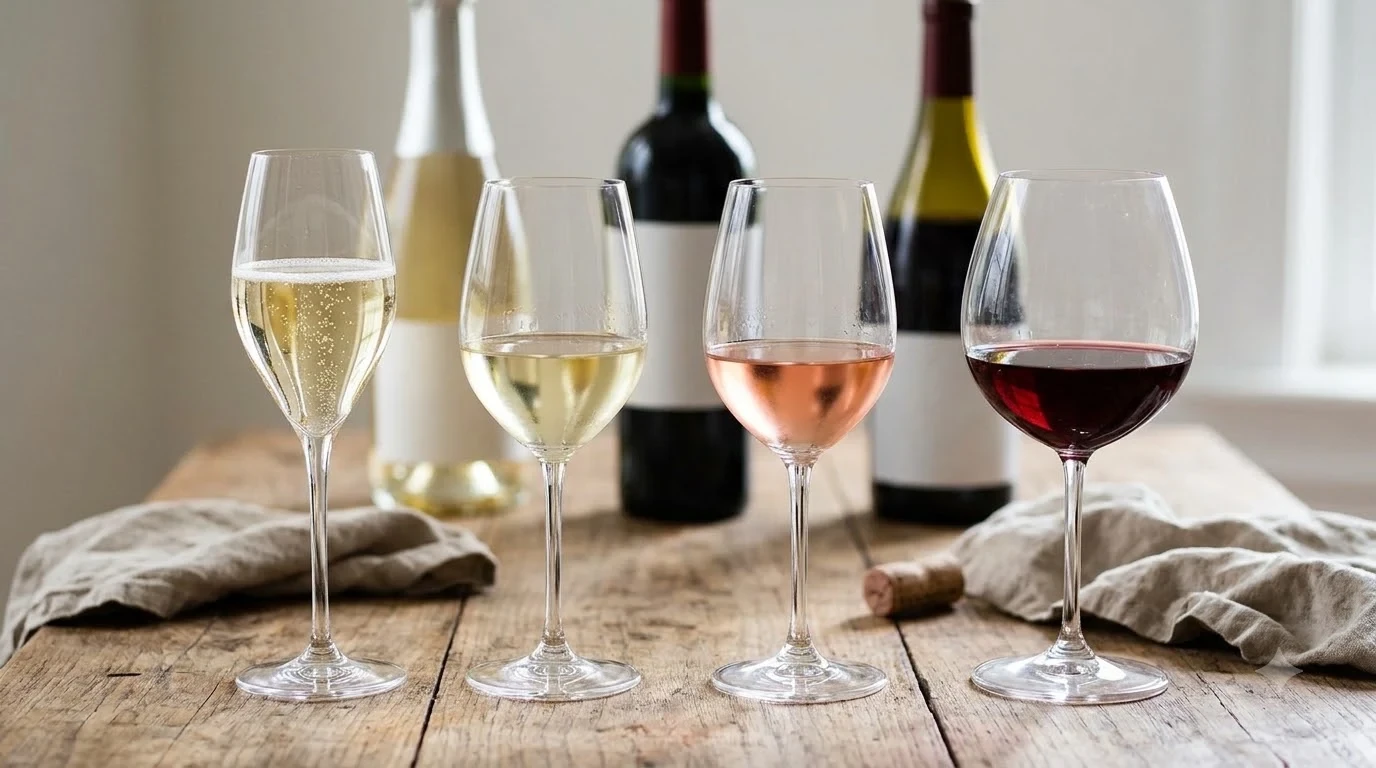
The mauzac grape is a traditional white wine grape from southwestern France, best known for producing apple-scented still wines and distinctive sparkling wines from Gaillac and Limoux. It offers flavors of green apple, pear, and honey, with a medium-light body and generally moderate acidity. Depending on how it is grown and made, Mauzac can produce dry, sweet, and sparkling wines, including the famous Blanquette de Limoux.
Although Mauzac is less internationally recognized than Chardonnay or Sauvignon Blanc, it has an important place in French wine history. Its connection to traditional sparkling production, particularly the ancestral method practiced in Gaillac, makes it an interesting grape for anyone exploring regional European wines. Understanding its flavors, growing conditions, winemaking techniques, and food pairings helps explain why this distinctive French variety continues to attract attention.
What Is the Mauzac Grape?
Mauzac is a white grape variety native to southwestern France, particularly associated with the Gaillac vineyards in the Tarn department. It is an important traditional variety in the region and is also a defining grape in the sparkling wines of Limoux. Its identity is closely connected to local winemaking traditions rather than international grape-growing regions.
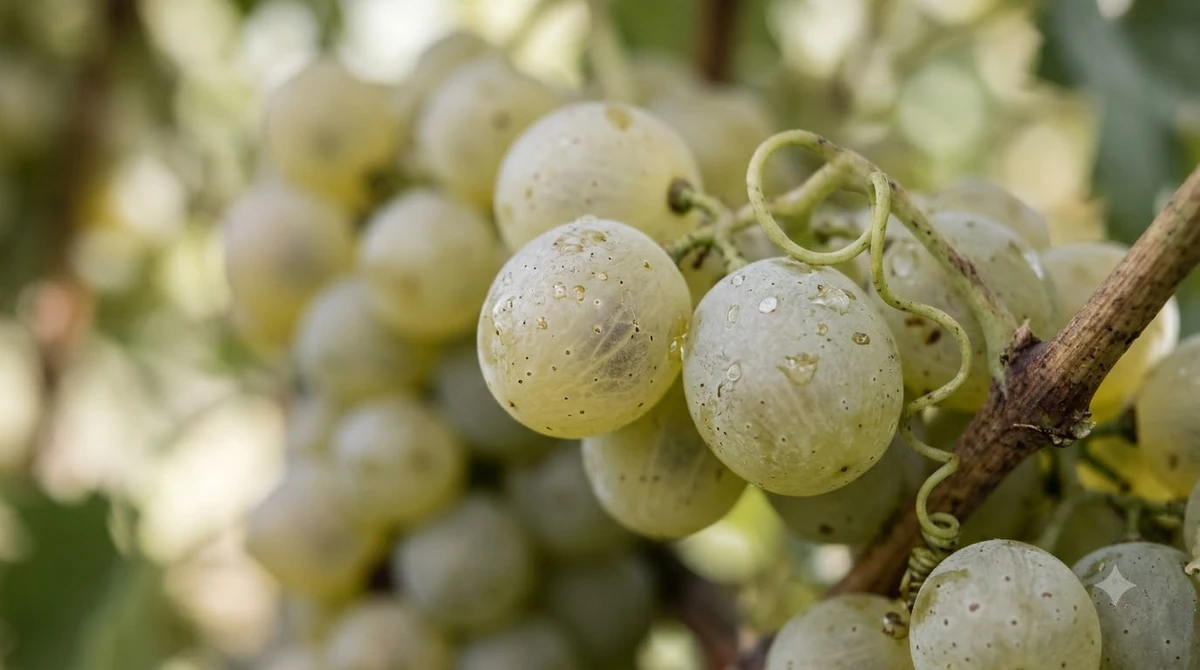
The grape produces several styles of wine, including dry whites, sweet whites, and sparkling wines. Its recognizable apple and pear characteristics make it relatively easy to distinguish from more widely planted international white varieties. Depending on ripeness and winemaking decisions, honeyed notes and additional fruit complexity can also appear.
According to the French Plantgrape technical database, Mauzac has moderate vine vigor and relatively high productivity. Its bunches and berries are medium-sized, and its vines benefit from short pruning. These characteristics influence how growers manage the variety throughout the growing season.
Mauzac is not especially widespread internationally. Its strongest identity remains in France, where its traditional association with Gaillac and Limoux gives it an important regional role. Wine enthusiasts looking beyond familiar varieties such as Chardonnay can find a different expression of French white wine in Mauzac.
Origins and Growing Regions in Southwestern France
Mauzac originated in the Tarn Valley area of southwestern France, between Toulouse and Albi. Its historical home is Gaillac, while Limoux provides another important growing area where the grape is particularly associated with sparkling wine production.
Gaillac is recognized for its distinctive collection of traditional grape varieties. Mauzac is its historic white grape, alongside varieties such as Loin de l’Œil. Local producers use these grapes to create dry, sweet, and sparkling wines that reflect the region’s agricultural and winemaking heritage.
The growing environment is important because Mauzac ripens relatively late. It needs sufficient summer warmth and favorable conditions toward the end of the growing season. Its grapes benefit from limestone and clay-limestone soils, while extremely dry, shallow soils are less suitable.
Limoux provides a different expression of the variety. Its most recognized Mauzac-based wine is Blanquette de Limoux, a sparkling appellation wine with specific grape-composition requirements. The local climate and production traditions have helped establish Mauzac as a central component of the area’s sparkling identity.
According to Plantgrape, Mauzac’s budburst occurs approximately seven days after Chasselas, while grape maturity arrives around three and a half weeks after that reference variety. This relatively late development helps explain why the grape benefits from a sufficiently long growing season.
The variety’s cultivated area in France has also changed considerably. Plantgrape records 9,167 hectares in 1968 and 1,629 hectares in 2018. Although the grape is less widespread than it once was, its cultural and winemaking importance remains particularly strong in its traditional growing regions.
Mauzac Wine Taste, Aroma, and Structure
Mauzac wines are generally recognized by green apple, pear, and honey aromas, with a medium-light body and moderate acidity. Dry examples tend to emphasize fresh orchard fruit, while sweeter wines can show richer honeyed and spicy characteristics.
Green apple is one of the grape’s most recognizable aromatic features. Depending on ripeness and production methods, the fruit character can move toward ripe apple, pear, and occasionally quince. Some sparkling versions also develop additional aromas through their fermentation and lees-aging processes.
Honey is another characteristic note, especially in sweeter expressions. It can provide an impression of richness without necessarily making every Mauzac wine sweet. A dry wine can still have ripe fruit aromas and a rounded texture.
In structural terms, Mauzac is generally medium-light-bodied, with moderate acidity and virtually no tannin. This makes it approachable for drinkers who prefer white wines without the pronounced sharpness of high-acid Sauvignon Blanc or the richer texture often associated with heavily oaked Chardonnay.
Alcohol levels commonly fall between 11.5% and 13.5% ABV, according to Vin De France. However, the final alcohol level depends on grape maturity, fermentation, and the particular style being produced. The Vin De France Mauzac variety profile provides additional details about its aromas, growing regions, and typical wine characteristics.
One important characteristic is that Mauzac’s acidity can decrease quickly as the grapes approach full maturity. The French Plantgrape technical record also identifies sensitivity to oxidation as a potential weakness. These characteristics make harvest timing and careful cellar management particularly important.
Not every Mauzac bottle tastes identical. A dry still wine, a sweet late-harvest example, and a sparkling Blanquette can show different levels of fruit concentration, sweetness, and texture. Recognizing these differences is more useful than expecting one fixed flavor profile from every bottle.
Dry, Sweet, and Sparkling Mauzac Wine Styles
Mauzac is a versatile white grape capable of producing three principal wine styles: dry still wine, sweet still wine, and sparkling wine. Its traditional expressions are especially important in Gaillac and Limoux, where different winemaking techniques highlight different aspects of the variety.
Dry still Mauzac
Dry Mauzac is a useful introduction to the grape because it allows its natural orchard-fruit character to stand out. Green apple and pear are typical aromas, while honey can contribute a subtle impression of roundness. The body is generally medium-light, making these wines suitable for casual meals and lighter dishes.
Some producers make straightforward, fruit-focused versions intended for relatively early drinking. Others use extended lees contact, different fermentation vessels, or skin contact to create additional texture and complexity. These production choices can produce noticeably different wines from the same grape.
Sweet Mauzac
Sweet Mauzac is produced when grapes accumulate additional sugar through extended ripening or other suitable vineyard conditions. Dry, sunny growing seasons can encourage overripeness, allowing producers to make wines with greater concentration and sweetness.
These wines can show honey, ripe pear, sweet spices, and concentrated apple aromas. Their richer fruit character makes them suitable for fruit-based desserts, pastries, and certain cheeses. The important pairing principle is that the wine should generally be at least as sweet as the dessert.
Sparkling Mauzac
Sparkling wine is perhaps the most distinctive expression of the grape. Mauzac is central to two important regional traditions: Gaillac’s ancestral-method sparkling wines and Blanquette de Limoux.
These wines demonstrate how the same grape can produce very different sparkling styles depending on fermentation technique. The ancestral method relies on fermentation being completed through a distinctive process involving the wine in the bottle, while the traditional method uses a separate second fermentation in the bottle.
| Wine style | Typical sweetness | Dominant characteristics | Common occasion |
|---|---|---|---|
| Dry still Mauzac | Dry | Green apple, pear, honey | Everyday meals and appetizers |
| Sweet still Mauzac | Sweet | Ripe pear, honey, sweet spices | Desserts and cheese |
| Gaillac ancestral sparkling | Often off-dry to sweet | Apple, pear, lively bubbles | Celebrations and aperitifs |
| Blanquette de Limoux | Very dry to medium-dry | Green apple, flowers, honey | Aperitifs and meals |
Sweetness varies by individual wine and production technique, so the regional style provides a useful starting point rather than a guarantee of the exact taste of every bottle.
Blanquette de Limoux and Gaillac’s Ancestral Method
Blanquette de Limoux and Gaillac’s méthode ancestrale are two important sparkling traditions associated with Mauzac. Both highlight the grape’s ability to produce lively bubbles and orchard-fruit aromas, but they differ in their production methods and regional requirements.
Blanquette de Limoux
Blanquette de Limoux is a traditional-method sparkling wine from the Limoux appellation in southern France. According to the AOC Limoux regulatory body, its blend must contain at least 90% Mauzac, with Chardonnay and/or Chenin accounting for no more than 10%.
The production process involves an initial alcoholic fermentation followed by blending and a second fermentation in the bottle. Producers add a tirage liqueur to initiate the second fermentation, which creates the wine’s bubbles.
The wine then spends at least nine months on its lees during the process described by the appellation. During this period, bottles are riddled daily to move sediment toward the neck. After the lees-aging stage, the neck is frozen so the accumulated sediment can be expelled before final sealing.
The resulting wine typically has a pale yellow appearance with green or yellow reflections. The appellation describes aromas of green apple, spring flowers, and honey. Dry versions can accompany an entire meal, while medium-dry versions work particularly well with chocolate desserts.
Gaillac méthode ancestrale
Gaillac has a separate sparkling tradition known as méthode ancestrale. This approach is particularly important because Mauzac is the sole grape used in the ancestral-method sparkling wines described by the Gaillac regional wine materials.
Rather than relying on the same sequence of two separate fermentations used for traditional-method sparkling wine, the ancestral approach uses fermentation in the bottle as part of its defining process. Fermentation management determines the wine’s remaining sugar, alcohol, and degree of effervescence.
The resulting wines can have a softer, fruitier profile and may retain noticeable residual sweetness. Their bubbles, apple aromas, and distinctive production approach make them particularly interesting for drinkers who enjoy regional French sparkling wines.
The two styles should not be confused simply because both feature Mauzac. Blanquette de Limoux follows the traditional method and has a minimum 90% Mauzac requirement, while Gaillac’s ancestral-method wines represent a separate regional tradition.
Tip: If you want to explore Mauzac through sparkling wine, compare a traditional-method Blanquette de Limoux with a Gaillac méthode ancestrale. Their shared apple character makes the comparison useful, while differences in fermentation and sweetness reveal the influence of winemaking.
Food Pairings and Serving Mauzac Wine
Mauzac’s apple and pear flavors, moderate acidity, and relatively light body make it a flexible partner for food. Dry and sparkling versions work particularly well with seafood, appetizers, poultry, and mild cheeses, while sweeter examples are better suited to desserts and richer cheese selections.
Seafood and fish
Dry Mauzac can complement white fish, shellfish, and seafood appetizers. Its orchard-fruit aromas provide a pleasant contrast to delicate seafood flavors without overwhelming the dish.
Try serving it with grilled cod, steamed mussels, shrimp, or lightly seasoned scallops. A sparkling Blanquette de Limoux can also work well with fried seafood because its bubbles provide contrast to the dish’s richness.
Cheese and appetizers
Soft cheeses and mild fresh cheeses are natural partners for dry Mauzac. Brie, fresh goat cheese, and mild cow’s-milk cheeses can complement the wine’s fruit character without overpowering it.
For a simple appetizer selection, serve Mauzac with olives, vegetable spreads, mild pâtés, and lightly seasoned crackers. Avoid excessively spicy foods, particularly with sparkling versions that have noticeable alcohol and sweetness.
Poultry and lighter main courses
Roast chicken, herb-seasoned turkey, and lightly prepared pork can pair nicely with dry Mauzac. The wine’s moderate acidity helps balance the savory flavors, while its apple and pear aromas complement roasted poultry.
For richer preparations, such as chicken with cream sauce, choose a fuller-textured dry Mauzac or a traditional-method Blanquette. Avoid dishes with very heavy sauces that could overwhelm a delicate expression of the grape.
Desserts and sweet wines
Sweet Mauzac is a natural companion for apple tart, pear cake, honey pastries, and fruit-based desserts. Its own fruit and honey characteristics create a connection with these dishes.
Sweetness matching is especially important. A dessert that is sweeter than the wine can make the wine taste thin or overly acidic. For chocolate desserts, a medium-dry Blanquette de Limoux may be more suitable than a very dry version, depending on the chocolate’s sweetness and intensity.
Serving temperature
Temperature affects the way Mauzac’s fruit aromas and acidity are perceived. Sparkling versions should generally be served at 40–50°F, while light-bodied still whites and rosés are best served at 45–50°F. A moderately fuller dry Mauzac can be served toward the warmer end of the white-wine range.
A standard 750 ml bottle provides approximately five 5-ounce glasses. Use white-wine glasses for still Mauzac and tulip-shaped sparkling glasses for Blanquette or ancestral-method wines to help retain the bubbles while allowing aromas to develop.
Buying, Storing, and Comparing Mauzac
Choosing Mauzac is easier when you understand its regional origins, wine style, and freshness requirements. For an introduction, look for a dry Gaillac white or a Blanquette de Limoux, then explore sweeter and ancestral-method examples to understand the grape’s broader range.
What to look for when buying
Start with the regional designation and wine style. A Gaillac white labeled as Mauzac offers an opportunity to experience the grape in a still-wine format, while Blanquette de Limoux provides a recognizable sparkling expression with a regulated minimum of 90% Mauzac.
If you prefer crisp orchard-fruit flavors, select a dry still wine or Brut Blanquette. If you enjoy softer fruit and some residual sweetness, explore the ancestral-method wines of Gaillac or a medium-dry sparkling style.
Producer information can also help distinguish the winemaking approach. Some producers favor fresh fruit and early drinking, while others use lees aging, skin contact, or alternative fermentation vessels to add texture and complexity.
How to store Mauzac
Mauzac is generally best enjoyed relatively young, particularly in straightforward still-wine and sparkling expressions. Vin De France notes that the variety is susceptible to oxidation, while the Limoux appellation recommends enjoying Blanquette de Limoux within two years of purchase.
Store unopened bottles in a cool, dark environment, ideally around 55°F, with consistent temperatures and limited exposure to light. Cork-sealed bottles intended for longer storage are generally kept on their sides to maintain cork moisture.
After opening, refrigerate the wine promptly. Still white wines generally retain good drinking quality for approximately three to five days, while sparkling wines are usually best consumed within one to three days when properly resealed with a sparkling-wine stopper.
How Mauzac compares with other grapes
Mauzac occupies an interesting position among white wine grapes because of its distinctive regional identity and sparkling traditions. Its apple and pear flavors can remind drinkers of familiar white varieties, but its production history and wine styles set it apart.
For example, Airén grape is another traditional white variety, but it is strongly associated with central Spain rather than southwestern France. Comparing the two helps illustrate how regional climate and winemaking traditions shape different expressions of white wine.
Similarly, Brachetto grape provides an interesting comparison for anyone exploring aromatic sparkling wines. Brachetto is associated with fragrant, often sweet sparkling red wines from Italy, whereas Mauzac is a white variety with both still and sparkling expressions.
Drinkers interested in exploring grapes beyond the familiar international varieties can also discover Dornfelder grape, a German red variety with a very different color, structure, and flavor profile. These comparisons demonstrate the diversity available across European wine regions.
For a wider overview of different grape varieties and wine styles, explore Wine by Type. Learning how grapes influence aroma, body, acidity, and sweetness makes it easier to choose bottles that suit individual preferences.
Frequently Asked Questions
Is Mauzac genetically related to Chardonnay?
Mauzac and Chardonnay are distinct grape varieties rather than alternative names for the same grape. Mauzac is a traditional southwestern French variety with its own genetic profile and certified clones. Chardonnay is a separate international variety that can be blended with Mauzac in certain regulated sparkling wines.
How do you pronounce Mauzac?
Mauzac is commonly approximated in English as moh-ZAHK. The final consonant is pronounced, unlike some French words in which the last letter is silent. The name is associated with the traditional grape-growing area near Toulouse in southwestern France.
Are Mauzac and Mauzac Rose the same grape?
Mauzac B and Mauzac Rose R are separately identified grape varieties in French wine regulations. Both are associated with the Gaillac region and can be used in certain regional wine styles. Their distinct regulatory designations mean they should not automatically be treated as identical varieties.
Does Mauzac have several officially certified clones?
Yes. The French Plantgrape database identifies seven certified Mauzac B clones: 575, 738, 739, 740, 741, 898, and 899. Clonal selection helps maintain and study desirable characteristics within the grape variety, including its agricultural and winemaking potential.
Can Mauzac be used to make brandy?
Yes. Mauzac is used for wine production and can also be distilled to produce brandies. Its recognized uses therefore extend beyond dry, sweet, and sparkling table wines, although its reputation is primarily connected with the white wines of Gaillac and Limoux.
The Mauzac grape offers a distinctive introduction to the traditional wines of southwestern France, from fresh apple-scented still whites to sparkling Blanquette de Limoux and Gaillac’s ancestral-method wines. Its regional character, versatile production styles, and recognizable orchard-fruit aromas make it a worthwhile variety to explore. Start with a dry Gaillac Mauzac or a traditional Blanquette, then compare different styles to discover which expression you enjoy most.
More in Wine Types & Grapes
 Zinfandel Sugar Content: Dry Red vs. White Zinfandel GramsUpdated Nov 21, 2026
 Best Zinfandel Substitute Options for Sipping and CookingUpdated Nov 21, 2026
 Zweigelt Food Pairing: Best Dishes, Cheeses, and Serving TipsUpdated Nov 21, 2026
 Zinfandel Tannins Explained: How Structure Shapes Every BottleUpdated Nov 21, 2026
 Zinfandel Sweetness Level: Dry Red vs. Sweet White Zin ExplainedUpdated Nov 21, 2026
 Xinomavro Food Pairing: Best Dishes, Styles, and Serving TipsUpdated Nov 21, 2026