

We may earn a commission when you buy through links on this page, at no extra cost to you. Learn more.
Mauzac wine is made from Mauzac, a white grape grown mainly in southwest France, in the Gaillac and Limoux regions. The grape makes still white wines and is also a required part of Blanquette de Limoux, a traditional sparkling wine. Depending on when the grapes are picked, Mauzac can taste crisp and high in acidity or softer and slightly sweet, which makes it an interesting wine for people who want something beyond the usual white varieties.
This guide explains where Mauzac grows, how the grape’s style changes with harvest timing, how it fits into French sparkling wine, and how to serve and pair a bottle. It also covers where you might find Mauzac on a shop shelf and what to look for on a label.
Where Mauzac Grows
Mauzac is a white variety of the species Vitis vinifera. According to the Wikipedia article on Mauzac, it is mainly grown in the Gaillac and Limoux regions of southwest France. Those two areas are the heart of the grape’s identity, and most of the wine you find under the Mauzac name comes from them.
The same article gives French plantings of about 3,200 hectares in 2000, a figure that shows how widely the grape was once planted. Plantings in Limoux have been falling as Chardonnay gains ground, so the grape is now more closely tied to a few traditional producers than to the broad French vineyard.
Still Wines and Sparkling Wines
Mauzac is used for both still and sparkling wines. In Gaillac, the aromatic white wines are blended with other local varieties, and some producers have made better Mauzac wines since the late 1980s, according to the same article. Those still wines show the grape’s own character more clearly than the blends do.
The sparkling side is the best-known story. In Limoux, Mauzac is a compulsory part of Blanquette de Limoux, where it may be blended with Chenin Blanc and Chardonnay. The traditional method depends on picking the grapes late, so the fermentation is slow and some natural sugar remains. A second fermentation in the spring then creates the bubbles. That process is why Blanquette de Limoux has a distinct, slightly rounded character compared with many other sparkling wines.
How Harvest Timing Changes the Wine
The biggest difference in Mauzac comes from harvest timing. A late pick, in the traditional style, gives a wine that is softer, with more residual sugar and the grape’s characteristic aromas. An earlier pick produces a crisper wine with higher acidity, but the Wikipedia article notes that this style comes with fewer of the grape’s particular aromas. The choice between styles is a choice between freshness and aromatic depth.
That trade-off explains why two bottles of Mauzac can taste quite different. When you read a label or a producer’s note, look for words such as crisp, fresh, or bright for an early-picked style, and for words such as rounded or aromatic for a late-picked style. Those cues tell you more about the glass than the grape name alone.
| Style | Harvest | Likely character | Good with |
|---|---|---|---|
| Modern still Mauzac | Earlier pick | Crisp, higher acidity, lighter aromas | Seafood, salads, goat cheese |
| Traditional late-picked | Late pick | Softer, aromatic, some sugar | Roast pork, creamy sauces, fruit desserts |
| Blanquette de Limoux | Traditional sparkling | Fine bubbles, rounded finish | Aperitif, fried snacks, apple dishes |
Serving Mauzac
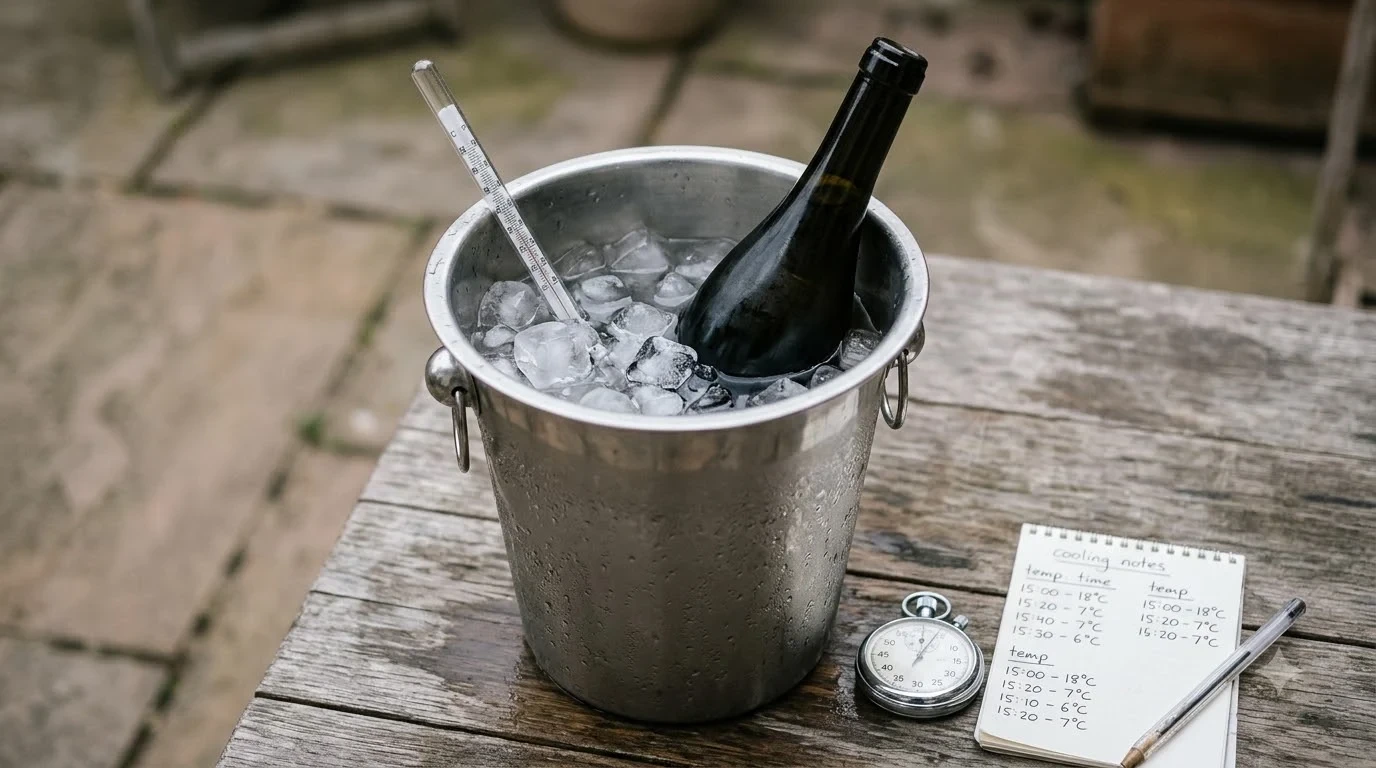
Serve still Mauzac chilled but not ice cold, so the aromas can show. Sparkling Blanquette de Limoux benefits from a cool glass and a gentle pour to keep the bubbles lively. Use a white-wine glass for still bottles and a flute or a tulip-shaped glass for sparkling bottles. Open sparkling bottles carefully and pour slowly, since the wine can foam quickly.
Mauzac is a food-friendly white. The crisp, early-picked style pairs well with seafood, light salads, and soft goat cheese, where its acidity cuts through richness. The softer, late-picked style matches roast pork, creamy sauces, and gentle spices. Sparkling Blanquette de Limoux works as an aperitif and with fried snacks, and it pairs nicely with apple-based dishes because the wine’s fruit and bubbles lift the sweetness.
Choosing a Bottle
Start by reading the label for the region. Gaillac and Limoux both appear on many bottles, and each area has its own traditions. For sparkling wine, the words Blanquette de Limoux tell you the style and the method. For still wine, look for the producer’s tasting notes, which often describe whether the wine is crisp or rounder. A producer’s website is also a good place to learn whether the wine is made in the early or late-picked style.
Price and shelf placement vary, and a single bottle will not tell you everything about the grape. Try a couple of bottles from different producers to see how the style changes, and note which one you prefer. That habit builds a clearer sense of Mauzac than any single description can give.
Why the Region Matters
Gaillac and Limoux are both in southwest France, but they produce quite different wines. Gaillac is known for its aromatic still whites, and Limoux is the home of Blanquette de Limoux, which has a long tradition of sparkling production. Knowing which region a bottle comes from tells you whether to expect a quiet, aromatic white or a bubbly wine with a rounded finish.
Regional rules also shape the style. Traditional Blanquette de Limoux follows a specific method, which is why the sparkling version tastes consistent from one producer to another. Still wines have more room for variation, so the producer’s approach to harvest and winemaking matters more. Reading about the producer alongside the region gives you a fuller picture than either one alone.
Food Pairing Ideas
When you build a meal around Mauzac, start with the style. A crisp, early-picked still wine works best with dishes that have clean flavors and some acidity of their own, such as a lemon-herb fish, a tomato salad, or a light pasta with olive oil. The wine’s acidity balances fat and salt without overwhelming them.
A softer, late-picked still wine has more aroma, so it suits richer dishes. Roast chicken with herbs, pork with apples, or a cheese plate with a mild, creamy cheese all match its texture. For sparkling Blanquette de Limoux, choose light appetizers, such as cheese puffs, fried vegetables, or a plate of charcuterie, and keep the sweetness of desserts to a minimum unless you choose a fruit-based dessert with a crisp finish.
Mauzac in Bordeaux
Mauzac also has a place outside its home regions. The Wikipedia article notes that it is one of seven permitted white varieties in Bordeaux wine. Bordeaux’s white blends usually rely on Sauvignon Blanc and Sémillon, so Mauzac is a minor player there, but its presence shows how the grape has been used across French wine history.
For most drinkers, the practical point is that Mauzac is a grape worth knowing about when you see it on a list. Its acidity makes it versatile, and its sparkling and still styles give you two different ways to enjoy it.
Frequently Asked Questions
What does Mauzac wine taste like?
It depends on the harvest. An early-picked Mauzac tends to be crisp and high in acidity, with lighter aromas. A late-picked style is softer, more aromatic, and may carry some natural sugar. Check the producer’s notes for the style.
Is Blanquette de Limoux made from Mauzac?
Mauzac is a compulsory part of Blanquette de Limoux, and the wine may also include Chenin Blanc and Chardonnay. The traditional method produces a sparkling wine with a slow fermentation and a natural second fermentation in spring.
Where is Mauzac grown?
Mauzac is mainly grown in Gaillac and Limoux in southwest France, according to the Wikipedia article on the grape. Plantings in Limoux have been declining as Chardonnay becomes more common.
Is Mauzac a sweet wine?
Not always. Late-picked traditional styles can keep some natural sugar, while earlier-picked styles are crisper and drier. The sweetness on the label or in the producer’s notes will tell you more than the grape name alone.
Mauzac is a white grape with a clear French identity, and its range from crisp still wine to traditional sparkling makes it easy to explore. For comparison, the albarino tasting notes guide covers another white with bright acidity, and alicante bouschet wine and baco noir wine cover different red varieties. To see more grapes and styles, visit Wine by Type.
More in Wine Types & Grapes
 Zinfandel Sugar Content: Dry Red vs. White Zinfandel GramsUpdated Nov 21, 2026
 Best Zinfandel Substitute Options for Sipping and CookingUpdated Nov 21, 2026
 Zweigelt Food Pairing: Best Dishes, Cheeses, and Serving TipsUpdated Nov 21, 2026
 Zinfandel Tannins Explained: How Structure Shapes Every BottleUpdated Nov 21, 2026
 Zinfandel Sweetness Level: Dry Red vs. Sweet White Zin ExplainedUpdated Nov 21, 2026
 Xinomavro Food Pairing: Best Dishes, Styles, and Serving TipsUpdated Nov 21, 2026