

We may earn a commission when you buy through links on this page, at no extra cost to you. Learn more.
Martini Asti wine is an Asti, a sparkling wine from the Asti DOCG in northwest Italy, made from the Moscato Bianco grape. Asti is the appellation that covers Asti Spumante and Moscato d’Asti, two sweet, lightly sparkling styles that many drinkers know from brand-name bottles. This guide explains what the Asti denomination is, how the grape shapes the wine, and how to serve and pair a bottle labeled Asti.
If you have picked up a bottle of Martini Asti and want to know what it is, this page covers the background without relying on brand claims. It draws on the official Asti denomination site, which describes the grape, the wines and the production area.
What Asti means on the label
Asti is a denomination of origin. The official Asti DOCG website describes the wines as covered by a controlled and guaranteed designation, which is the highest level of Italian classification. In practice, that means the wine must come from the defined area, use the specified grape, and meet the appellation rules. Asti is not a brand name; it tells you where the wine comes from and how it is made.
Within the denomination, the site names two main wines: Asti Spumante DOCG and Moscato d’Asti DOCG. Both are built on the same grape, so the style is consistent across the two. The difference between them is mainly in how the wine is made and finished, and the label will show which one you have.
The Moscato Bianco grape
Everything in an Asti starts with Moscato Bianco, a white grape that the Asti denomination site describes as the basis of its wines. The site’s own headline frames the grape as the source of the region’s “grandi vini,” or great wines, and it presents the tradition of the vineyards as a central part of the appeal.
Moscato Bianco is known for its fragrant aroma. On the nose, Asti tends to show peach, apricot, orange blossom, and honey notes. These aromas are a big part of why the wine is so approachable, and they are the first thing most drinkers notice when they open a bottle.
Where Asti is made
The Asti denomination covers the Langhe, Roero and Monferrato areas of Piedmont, which the official site describes as recognized UNESCO World Heritage landscapes. The denomination’s own figures give the scale of the appellation: 51 comuni, about 9,900 hectares of vineyard, and around 3,000 producers.
That geography matters because the vineyards sit on hillsides with a long history of winemaking. Producers in the area share the same grape and the same rules, so the style stays recognizable even when the names on the bottles differ.
Asti Spumante and Moscato d’Asti
The two main wines in the denomination are closely related but not identical. Asti Spumante is the fully sparkling style. Moscato d’Asti is usually softer and lighter in its bubbles. Both are typically sweet, which makes them stand apart from the dry sparkling wines people often reach for first.
The official site does not state the alcohol content or the exact sweetness level of either wine, so this guide does not give figures. Check the label for the bottle you have, since producers report those details on the back label or the product sheet.
| Feature | Asti Spumante DOCG | Moscato d’Asti DOCG |
|---|---|---|
| Bubbles | Fully sparkling | Softer, lighter sparkle |
| Grape | Moscato Bianco | Moscato Bianco |
| Typical style | Sweet and aromatic | Sweet, delicate and aromatic |
| Best for | Celebrations and dessert pairings | Light afternoon drinking and fruit desserts |
Tip: Asti is best enjoyed young. Its aromas are fresh and fruity, so buy a recent vintage and drink it within a short time of purchase.
How to serve Asti
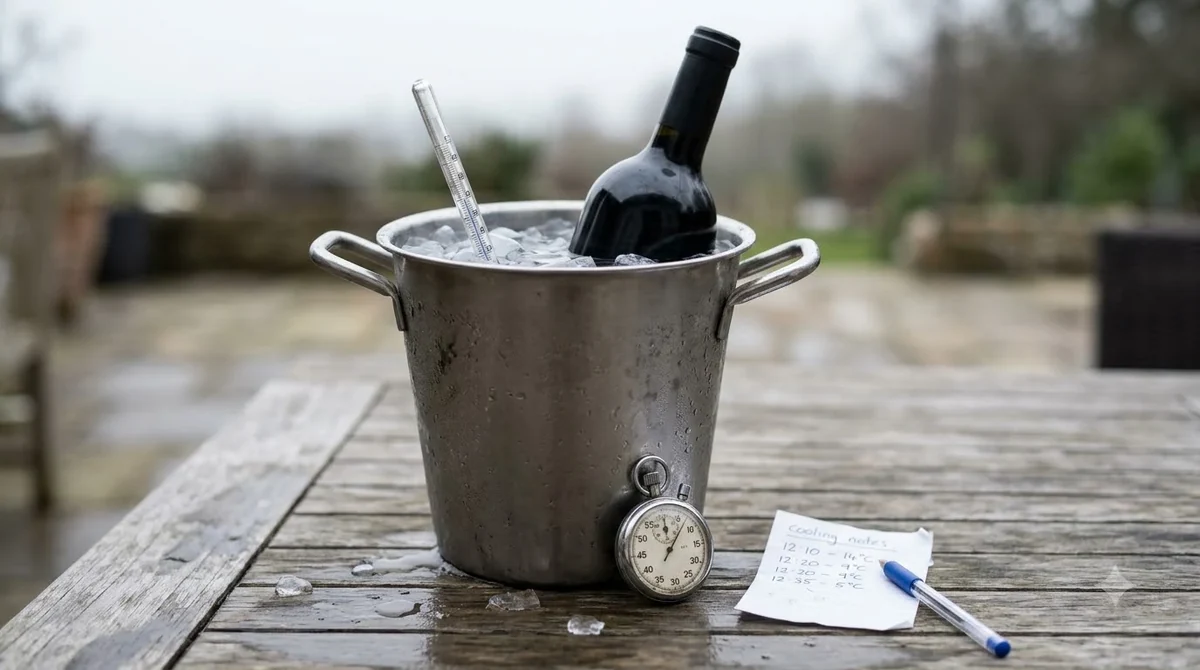
Serve Asti well chilled, but not ice cold. A cool glass keeps the bubbles lively and lets the orange blossom and peach aromas show. Use a flute or a tulip-shaped glass so the wine’s aroma gathers near the rim.
Open the bottle carefully, since the sparkle is gentle but still present. Pour slowly and let the foam settle before filling the glass. A bottle that is open for a day will lose its bubbles, so finish it or keep it chilled with a stopper.
Food pairings for Asti
Asti’s sweetness and fruit make it a natural match for desserts built on fruit, such as peach tart, lemon cake, and fresh berries. It also works with light pastries and with cheeses that have a salty bite, such as a mild blue or a sharp goat cheese. For a savory course, a lightly spiced fruit dish or a salty appetizer with fruit works well.
Avoid pairing Asti with strong savory dishes, since the sweetness can clash with heavy sauces, rich meat, or bold red wine. Treat it as a dessert wine or a light sipping wine, and it will show its best side.
How to choose a bottle labeled Asti
Start with the style you want. If you want bubbles for a celebration, look for Asti Spumante. If you want something softer and easy to drink on a warm afternoon, Moscato d’Asti is the better choice. Check the producer and the vintage, since both affect freshness and the aromas you will taste.
Because Asti is a denomination rather than a single brand, two bottles with the same name can taste a little different. Reading the label and choosing a recent bottle gives you the most reliable result.
Why Asti tastes the way it does
Moscato Bianco is one of the few grapes whose aroma is evident straight from the vine, and winemakers in the Asti area work to protect that character. Because the grape is so aromatic, the wine’s style depends heavily on how the fruit is handled: how it is harvested, how the juice is kept fresh, and how the sugar is left in the finished wine. That is why the denomination’s rules matter so much to the final taste.
The sweetness in Asti is a deliberate part of the style rather than a flaw. The wine keeps its natural grape sugar, which balances its acidity and gives it a soft, rounded finish. Drinkers who expect a dry sparkling wine can be surprised, so it helps to know in advance that Asti is built to be sweet.
The bubbles also shape the experience. Asti Spumante is fully sparkling, which gives it a lively, sharp texture on the palate. Moscato d’Asti is softer, so its sweetness and aroma take the lead. Both are light in body compared with most still wines, which is why they suit afternoons, brunch and dessert alike.
Who Asti suits and who might skip it
Asti suits drinkers who enjoy fruity, aromatic wines and who want something lighter than a standard sparkling wine. It is a good choice for guests who do not drink dry wine, and it works well as a gift for a dessert party. People who prefer dry, savory wines may find it too sweet, and it is not the right bottle for a dinner built on red meat or strong cheese.
If you are unsure, try a small bottle first, or ask a shop for a recent vintage. A young Asti tastes fresher and more fragrant than an older one, so buying the most recent year available is the simplest way to get a good glass.
Frequently Asked Questions
Is Asti the same as Martini Asti?
Asti is the denomination, while a brand name such as Martini sits on top of it. The official Asti site describes the denomination, and the brand is the producer’s name on the bottle.
Is Asti a sweet wine?
Asti is generally described as sweet, and the Moscato Bianco grape gives it fruity, aromatic character. The official site does not give a sweetness figure, so check the label for the specific bottle.
What is the difference between Asti Spumante and Moscato d’Asti?
Both are built on Moscato Bianco and both are DOCG wines from the same area. Asti Spumante is the fully sparkling style, while Moscato d’Asti is usually softer in its bubbles.
How should I serve Asti?
Serve it well chilled in a flute or tulip glass. Pour gently and drink it fairly soon after opening, since the bubbles fade.
Asti is a useful wine to know because it shows how a protected denomination works: the grape, the area and the rules define the style. If you want to compare how wine regions and styles are explained elsewhere on the site, the wine brands guide is a good next step, or see Pedernales wine for a different approach to a single producer.
More in Wine Brands
 Underwood Wine Price: Compare Bottles, Cans, and Pack SizesUpdated Nov 21, 2026
 Zenato Wine Price: Compare Styles and Choose the Right BottleUpdated Nov 21, 2026
 Zuccardi Wine Price: Compare Bottles and Find the Right RangeUpdated Nov 21, 2026
 Yellow Tail Moscato Review: Taste, Sweetness and Serving TipsUpdated Nov 21, 2026
 Wolf Blass Yellow Label Review: Choose Your Best StyleUpdated Nov 21, 2026
 Wolffer Estate Rose Review: Choose the Right Bottle for Your TableUpdated Nov 21, 2026