


We may earn a commission when you buy through links on this page, at no extra cost to you. Learn more.
Marsanne tasting notes center on ripe orchard and citrus fruits like quince, pear, and mandarin orange, layered over white blossoms, beeswax, and toasted nuts. Unlike high-acid white grapes, Marsanne builds its appeal through a rich, medium-to-full body and a slightly oily or waxy mouthfeel. Young bottles show crisp lemon and floral notes, while aged examples develop honeyed, hazelnut, and marzipan complexity.
Originating in France’s Northern Rhône Valley, Marsanne is a white wine grape known for producing structured, age-worthy wines with moderate acidity and generous palate weight. Whether bottled on its own or paired with Roussanne in classic Rhône blends, it offers an intriguing alternative to oaked Chardonnay for drinkers who appreciate texture over sharp acidity.
What Marsanne Is and How It Tastes
Marsanne is a vigourous, mid-ripening white grape native to the northern reaches of the Rhône Valley, where it thrives on warm, rocky hillsides. On the palate, it delivers a broad, round texture with medium-low acidity, zero tannins, and typical alcohol levels ranging from 13.5 to 15 percent ABV.
Rather than relying on explosive aromatics like Sauvignon Blanc or Viognier, Marsanne expresses itself primarily through weight, extract, and mouthfeel. When you swirl a glass of young Marsanne, the first impression is often subtle: delicate hints of acacia blossom, honeysuckle, and wet stone. On the mid-palate, the wine opens up with flavors of baked pear, quince, mandarin orange, and yellow apple, supported by a distinctly waxy or lanolin-like coating that lingers across the tongue.
Because the grape naturally carries lower acidity than many white varieties, winemakers rely on phenolic structure and a gentle, pleasant bitterness on the finish—reminiscent of almond skin or white tea—to keep the wine balanced. According to Wine Folly’s guide to Marsanne, its primary flavor profile combines quince, mandarin orange, and apricot with savory accents of beeswax and acacia. This combination makes it feel substantial and gastronomic, even when fermented completely dry without oak influence.
Flavor Profiles and Regional Styles
Marsanne tasting notes shift dramatically depending on vineyard climate, harvest timing, and time spent in the cellar. Broadly speaking, the grape appears in two primary expressions: crisp, unoaked single-varietal bottlings and rich, barrel-aged Rhône-style blends.
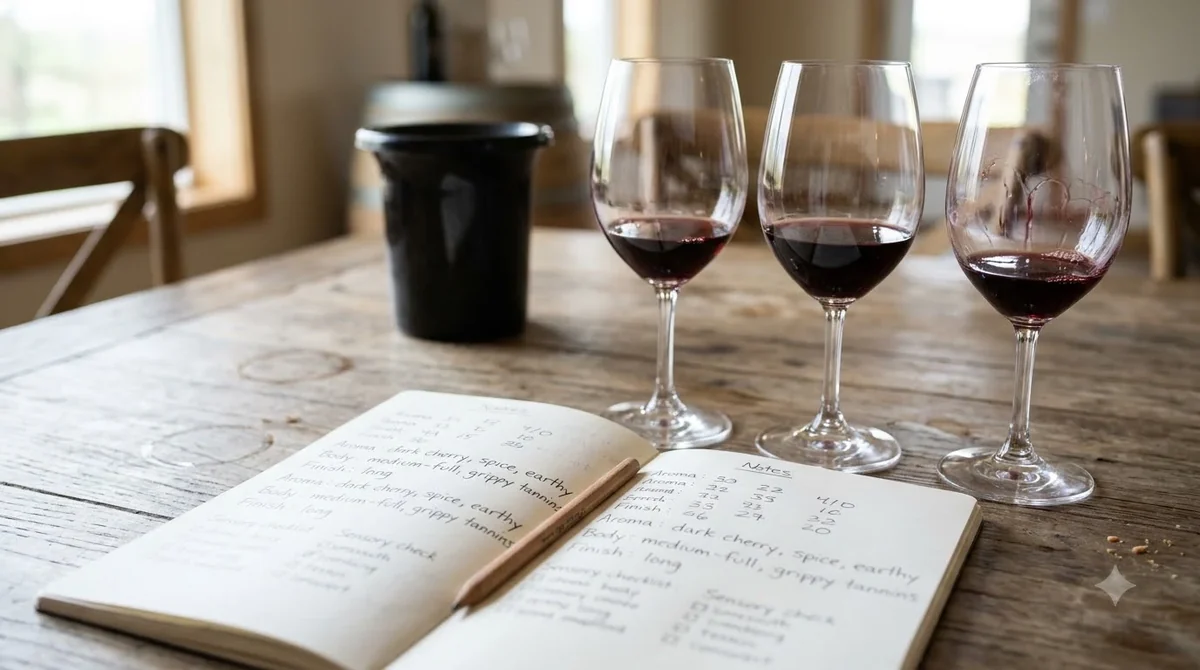
In its youth, especially when harvested slightly early and fermented in stainless steel, Marsanne leans fresh and zesty. Expect bright notes of lemon curd, green apple, white peach, and crushed blossoms, framed by a clean mineral finish. Producers who avoid malolactic fermentation preserve every bit of the grape’s natural snap, resulting in a lighter, more refreshing white suited for warm-weather drinking.
When grown in warmer sites or aged in French oak barrels, Marsanne transforms into a broader, more opulent wine. Lees stirring and oak maturation amplify its creamy viscosity, introducing notes of vanilla bean, brioche, roasted almond, and warm beeswax. In France, winemakers frequently blend Marsanne with Roussanne; Marsanne contributes body, palate weight, and nutty depth, while Roussanne supplies higher acidity and herbal, floral lift. In the Saint-Péray appellation, the grape is also crafted into traditional-method sparkling wines that balance orchard fruit with crisp effervescence.
Marsanne is also one of the rare white grapes capable of improving for a decade or more in bottle. After five to fifteen years in a cool cellar, primary fruit flavors recede and give way to complex tertiary notes of toasted hazelnut, citrus marmalade, chamomile, ginger spice, and honey. This remarkable transformation sets it apart from more fleeting aromatic whites and puts its longevity on par with top white Burgundy.
| Style or Age Stage | Key Aromas and Flavors | Body and Texture | Acidity and Finish |
|---|---|---|---|
| Young Unoaked Marsanne (1–3 Years) | Lemon zest, green apple, white peach, honeysuckle, wet stone | Medium body, clean and gently waxy | Moderate acidity with a crisp, mineral-driven finish |
| Oak-Aged Northern Rhône Blend | Quince, baked pear, mandarin orange, toasted almond, vanilla, beeswax | Full body, rich, creamy, and mouth-coating | Medium-low acidity with a subtle, savory almond-skin finish |
| Bottle-Aged Marsanne (7–15 Years) | Toasted hazelnut, orange marmalade, honey, dried apricot, chamomile | Full, silky, and deeply viscous | Soft, integrated acidity with a long, nutty, honeyed persistence |
| Sparkling Saint-Péray | Crisp pear, white flowers, lemon peel, brioche | Light-to-medium body with fine mousse | Lively, refreshing acidity with a dry, clean finish |
Where Marsanne Grows Best
While Marsanne originated in France’s Northern Rhône Valley, it has also established historic roots in Australia and pockets of California and Washington State. Across these regions, soil composition and daytime temperatures dictate whether the wine tastes lean and citrusy or lush and honeyed.
France’s Northern Rhône remains the spiritual and qualitative benchmark for the grape. According to Vins Rhône’s official varietal profile, Marsanne thrives on warm, rocky soils across appellations such as Hermitage, Crozes-Hermitage, Saint-Joseph, and Saint-Péray. On the steep granite slopes of Hermitage, low-yielding old vines produce concentrated, age-worthy whites that blend Marsanne with a touch of Roussanne. Neighboring Crozes-Hermitage and Saint-Joseph yield slightly more accessible, earlier-drinking versions with bright orchard fruit and stony minerality, while Southern Rhône regions like Châteauneuf-du-Pape and Côtes du Rhône use Marsanne as a supporting partner in multi-grape white blends.
Outside France, Victoria in southeastern Australia holds some of the oldest surviving Marsanne vines in the world, including blocks planted in 1927 at the historic Tahbilk estate in Nagambie Lakes. Settlers originally referred to the grape as “White Hermitage,” and Australian winemakers developed a distinct, unoaked style picked slightly early to lock in racy citrus acidity. In the United States, California’s Central Coast—particularly Paso Robles and Santa Barbara County—and Washington’s Columbia Valley have embraced Marsanne alongside other Rhône varieties, producing sun-ripened, textural whites that showcase ripe stone fruit and floral richness.
How to Serve Marsanne for Maximum Flavor
Serving Marsanne at the right temperature and in the proper glass is essential because cold temperatures mute its subtle aromatics and flatten its signature texture. Aim to serve the wine lightly chilled at 50 to 55°F (10 to 13°C), rather than straight out of a standard kitchen refrigerator.
If your bottle has been chilling in a 38°F fridge, pull it out 15 to 20 minutes before pouring so the wine can warm slightly. Lighter, unoaked styles from Australia or young Saint-Joseph show best toward the cooler end of that range, around 48 to 50°F, where their lemon and pear notes stay crisp. Fuller, oak-aged Northern Rhône whites or mature bottles with ten years of age benefit from being served closer to 55°F, allowing their beeswax, hazelnut, and marmalade layers to unfold fully.
Choose a medium-bowled white wine glass with a gently tapered rim—similar to a universal glass or a modest Chardonnay bowl—so the aromas have room to gather without trapping alcohol vapor. Because Marsanne reveals much of its character through mouthfeel and retronasal aroma, take a moment to let the wine coat your palate before swallowing. Young, concentrated Hermitage Blanc or barrel-fermented California Marsanne also responds well to 30 minutes in a decanter, which softens any youthful tightness and brings out white flower and roasted nut nuances.
Tip: Avoid serving Marsanne ice-cold. Extreme chill masks its delicate honeysuckle aromatics and makes its rich, waxy body feel heavy rather than silky.
Food Pairings That Match Marsanne’s Weight
Marsanne’s medium-to-full body, gentle acidity, and nutty undertones make it an adaptable partner for rich, savory dishes that might overpower lighter whites. Instead of clashing with butter, cream, or mild spices, the wine mirrors their texture and cleanses the palate with its subtle mineral-and-almond finish.
Shellfish and meaty seafood are classic matches, especially pan-seared scallops, butter-poached lobster, Dungeness crab, and grilled shrimp. The natural sweetness of shellfish plays effortlessly against Marsanne’s quince and mandarin orange notes, while the wine’s viscous mouthfeel stands up to brown butter or cream sauces. If you normally reach for crisp Sancerre tasting notes when serving raw oysters or goat cheese, try Marsanne when the seafood is cooked, sauced, or roasted.
Poultry, pork, and roasted root vegetables also shine alongside the grape. Roast chicken with herbs, pork tenderloin with apples, or creamy mushroom risotto echo Marsanne’s savory, earthy side without overwhelming its floral lift. Its restrained acidity and stone-fruit sweetness also make it a smart foil for mildly spiced Southeast Asian dishes—such as Thai coconut curry or Vietnamese lemongrass chicken—as well as aged, nutty cheeses like Comté, Gruyère, and aged Gouda.
How to Choose a Bottle of Marsanne
Shopping for Marsanne is easier once you know how regional labels signal the style inside the bottle. Because many Old World producers label wines by appellation rather than grape variety, checking the region and blend details on the back label will point you toward the exact flavor profile you prefer.
If you want a bright, crisp, budget-friendly introduction to the grape, look for single-varietal bottles from Victoria, Australia, or unoaked examples from southern France’s Languedoc and Pays d’Oc. These wines highlight fresh citrus, green pear, and white blossoms without heavy oak influence, making them easy to enjoy within two to three years of the vintage date. They sit comfortably alongside other approachable styles you can explore in our broader guide to Wine by Type.
If you are looking for richer texture, oak spice, and cellar potential, seek out white wines from Northern Rhône appellations—specifically Crozes-Hermitage, Saint-Joseph, or Hermitage—or Rhône-style white blends from California’s Central Coast. Check the back label for the percentage of Marsanne versus Roussanne: higher Marsanne proportions yield deeper color, more beeswax and almond weight, and longer aging capacity, whereas higher Roussanne proportions bring sharper acidity and herbal perfume. If your cellar leans toward structured reds with dark fruit and firm grip—like those covered in our petit verdot tasting notes or grenache tasting notes—stocking a few bottles of Northern Rhône Marsanne gives you an equally serious white wine for hearty dinners.
Frequently Asked Questions
Is Marsanne a dry or sweet wine?
Nearly all Marsanne wines are fermented completely dry, meaning they contain virtually no residual sugar. The wine can taste subtly sweet on the mid-palate because of its ripe orchard fruit flavors, lush glycerol texture, and floral honey notes, though rare sweet straw wines (vin de paille) are occasionally produced in the Rhône Valley.
How does Marsanne compare to Chardonnay?
Marsanne shares Chardonnay’s medium-to-full body and affinity for oak aging, making it a natural alternative for Chardonnay drinkers. However, Marsanne typically has lower natural acidity, a more noticeably waxy or oily mouthfeel, and distinct flavors of quince, beeswax, and toasted almond rather than Chardonnay’s green apple or buttery diacetyl profile.
Why is Marsanne usually blended with Roussanne?
Winemakers blend Marsanne and Roussanne because their natural strengths balance one another. Marsanne provides palate weight, broad texture, and nutty aging potential but can feel low in acid on its own, while Roussanne contributes bright acidity, herbal aromatics, and floral lift.
How long can you age Marsanne wine?
Simple, unoaked Marsanne is best enjoyed within two to four years of harvest while its citrus and white blossom notes are fresh. Top-tier Northern Rhône bottlings from Hermitage or old-vine Australian examples can age gracefully for ten to fifteen years, evolving rich flavors of roasted hazelnut, honey, and orange marmalade.
Exploring Marsanne opens up a rewarding side of white wine that values texture, subtlety, and savory depth over loud aromatics. Whether you open a crisp, unoaked bottle from Victoria for weeknight seafood or cellar a Northern Rhône blend for a special dinner, paying attention to serving temperature and food pairings will bring out the grape’s distinct charm.
More in Wine Types & Grapes
 What Does Ruby Port Taste Like? Flavor Notes, Styles, and Serving TipsUpdated Nov 21, 2026
 What Does Ribolla Gialla Taste Like? Crisp White and Amber Styles ExplainedUpdated Nov 21, 2026
 What Does Semillon Taste Like? Flavor Profile, Styles & PairingsUpdated Nov 21, 2026
 What Does Scuppernong Taste Like? Flavor, Styles, and Pairing GuideUpdated Nov 21, 2026
 What Does Saperavi Taste Like? Flavors, Styles, and Pairing GuideUpdated Nov 21, 2026
 What Does Natural Wine Taste Like? Flavors, Styles, and Serving TipsUpdated Nov 21, 2026