

We may earn a commission when you buy through links on this page, at no extra cost to you. Learn more.
The standard Malbec sweetness level is dry, typically containing less than 1 to 3 grams of residual sugar per liter (under 0.3 percent sweetness). While this red wine ferments almost completely dry with minimal leftover grape sugar, its bold ripe fruit aromas, plush texture, and oak-derived vanilla notes often create a rich, fruit-forward impression on the palate. Only specialized fortified or late-harvest bottlings carry noticeable sugar.
Understanding why a bottle can taste lush and jammy while remaining technically dry helps clear up one of the most common points of confusion in the wine aisle. Whether you are pouring a weeknight Argentine table wine or an earthy French bottle from Cahors, knowing how fermentation, alcohol, and fruit ripeness shape perception will make picking the right style much simpler.
What Is Malbec and Why Does It Taste Fruit-Forward?
Malbec is a dark-skinned red wine grape originally grown in southwestern France that found its modern identity in the high-altitude vineyards of Argentina. Almost all commercial table versions are fermented to dryness, meaning yeast consumes nearly all the natural grape sugars and converts them into alcohol.
According to tech sheet analyses compiled by Wine Folly, top-rated bottles typically contain less than 1 gram per liter of residual sugar, placing them firmly in the bone-dry to dry category. Even entry-level Argentine bottlings rarely exceed 2 to 3 grams per liter. For perspective, the human palate generally struggles to detect actual sugar below 15 grams per liter, which means you are rarely tasting literal sugar when you sip a glass.
Instead, the perception of sweetness comes from aromatics and texture rather than carbohydrates. Warm sunshine in regions like Mendoza ripens the berries thoroughly, developing concentrated flavors of blackberry, ripe red plum, and black cherry. When paired with moderate tannins, medium-low acidity, and alcohol levels commonly reaching 13.5 to 15 percent ABV, those ripe fruit compounds fool the brain into registering a soft, sweet sensation even though the liquid itself is dry.
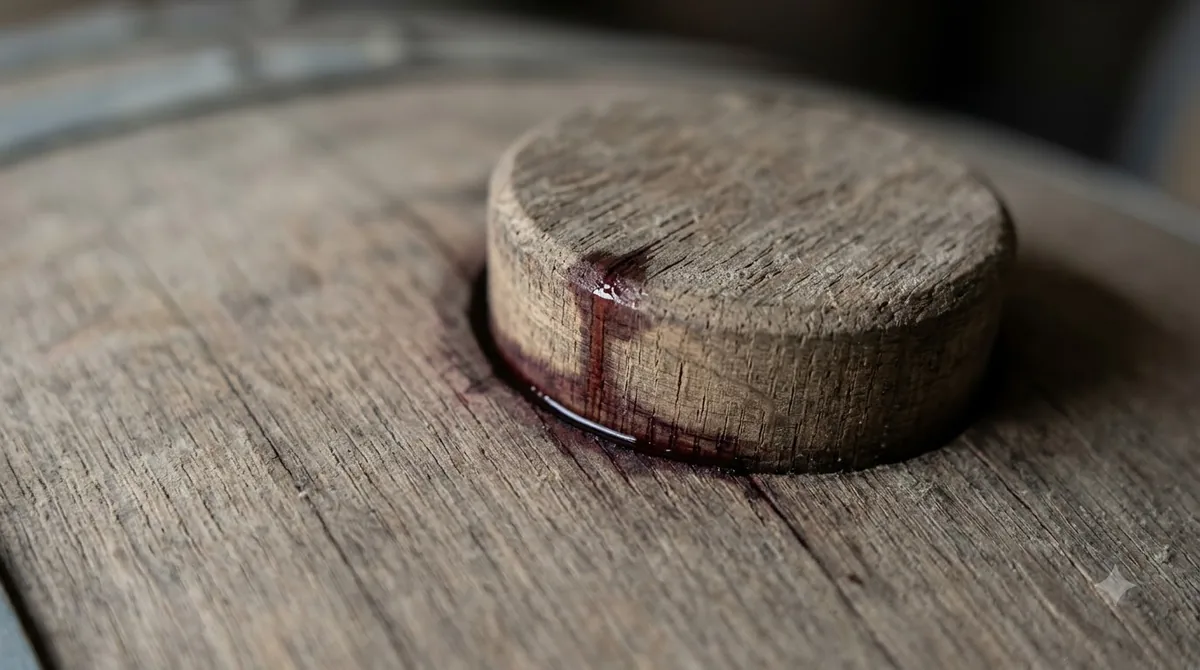
Oak aging amplifies this sensory illusion even further. Winemakers frequently mature Malbec in oak barrels—ranging from four to six months for everyday releases up to 18 or 20 months for reserve bottles. Oak imparts compounds like vanillin and lactones, adding flavors of vanilla, milk chocolate, cocoa, and sweet tobacco that mimic dessert-like richness without adding a single gram of sugar.
Malbec Sweetness Level Compared to Other Wines
On the broader red wine sweetness level spectrum, Malbec sits comfortably on the dry end alongside Cabernet Sauvignon and Merlot. Comparing residual sugar numbers across common styles makes it easy to see where it stands relative to sweeter crowd-pleasers and crisp whites.
| Wine Style | Typical Sweetness Category | Residual Sugar (g/L) | Perceived Taste Profile |
|---|---|---|---|
| French Cahors Malbec | Bone-Dry to Dry | Under 1 to 2 g/L | Savory, earthy, tart dark berries, firm grip |
| Argentine Mendoza Malbec | Dry | 1 to 3 g/L | Plush blackberry, plum, cocoa, soft vanilla |
| Pinot Grigio (Dry Italian Style) | Bone-Dry to Dry | 1 to 4 g/L | Crisp citrus, green apple, snappy acidity |
| Brut Prosecco | Dry (Sparkling) | Up to 12 g/L | Fresh pear, white peach, lively bubbles |
| Commercial Red Blends | Dry to Off-Dry | 10 to 15 g/L | Jammy red fruit, noticeably round finish |
| Sweet Red Styles (e.g., Lambrusco Dolce) | Sweet | Over 35 g/L | Syrupy berry juice, distinct sugary finish |
As the numbers show, standard Malbec carries far less residual sugar than many mass-market California red blends, which often leave 12 to 15 grams per liter to smooth out rough edges. Even a crisp white like pinot grigio sweetness level or a bubbly glass on the prosecco sweetness level chart can contain slightly higher measurable sugar while tasting sharper due to higher natural acidity.
That balance between acid, tannin, and sugar is the secret behind how humans judge dryness. High acidity strips away the feeling of richness, making sparkling wines taste brisk even with a touch of dosage. Malbec moves in the opposite direction: its lower acidity and velvety mid-palate let the dark fruit shine, creating an approachable mouthfeel that appeals to drinkers who usually shy away from austere reds.
Flavor and Styles Across Regions
Where Malbec grows dramatically changes how dry or lush the finished wine feels in the glass. While the residual sugar numbers stay low across the board, climate and winemaking traditions split the grape into two distinct regional personalities.
In Argentina—particularly within Mendoza sub-regions like the Uco Valley and Luján de Cuyo—high-elevation vineyards soak up intense ultraviolet sunlight during the day and cool down sharply at night. This diurnal shift preserves natural freshness while pushing fruit ripeness to the limit. As editors at VinePair note, Argentine examples deliver plush textures, violet aromatics, and juicy black and blue fruit notes that feel generous and round.
Across the Atlantic in southwestern France, specifically the historic appellation of Cahors, the grape is often called Côt and produces a noticeably firmer, more rustic wine. Cooler growing conditions yield flavors of tart black currant, leather, coffee, licorice, and damp earth. Because the fruit is less jammy and the tannins are slightly more pronounced, French versions taste distinctly drier and more savory on the finish, even when laboratory sugar readings are nearly identical to Argentine bottles.
Beyond traditional dry table wines, a small fraction of producers craft specialty styles that break the usual rule. Late-harvest Malbecs and fortified expressions—similar in method to Port—halt fermentation early by adding neutral grape spirit, preserving substantial natural grape sugar. These dessert bottles are explicitly labeled as late harvest, dulce, or fortified and feature higher viscosity and intense dried-fig and raisin flavors.
How to Serve Malbec for Balanced Sweetness
Serving temperature and aeration play a major role in whether Malbec tastes harmonious or overly heavy. Small adjustments before pouring can keep its natural fruitiness from tipping into alcoholic warmth.
The ideal serving temperature sits between 60 and 68 degrees Fahrenheit, slightly cooler than standard American room temperature. If you pour a bottle straight from a warm kitchen counter above 72 degrees, the 13.5 to 15 percent alcohol becomes volatile, making the wine taste hot, sharp, and oddly sweet in a cloying way. Chilling the bottle in the refrigerator for 20 to 30 minutes before opening tightens the structure and keeps the fruit flavors crisp.
Giving the wine 30 minutes in a decanter—or simply swirling it generously in a large, wide-bowled red wine glass—also softens any youthful astringency. Oxygen helps release subtle cocoa, spice, and floral aromatics while integrating the tannins, which makes the finish feel smoother without altering the actual sugar content.
Tip: If a bottle tastes too jammy or heavy right after opening, pop it into the fridge for 15 minutes; dropping the temperature by just a few degrees sharpens the acidity and restores balance.
Food Pairing With Dry Malbec
Because Malbec is dry, full-bodied, and packed with dark fruit, it thrives alongside savory, smoky, and protein-rich dishes. Matching the weight of the food to the structure of the wine keeps both elements in harmony.
Grilled and roasted meats are the classic companions, especially lean cuts like flank steak, skirt steak, sirloin, and herb-crusted lamb. Unlike heavily tannic Cabernet Sauvignon, which requires massive amounts of marbling to soften its grip, Malbec has moderate tannins that pair effortlessly with leaner red meats, pork tenderloin, and dark-meat poultry like roasted duck. Earthy vegetarian dishes—such as grilled portobello mushrooms, black bean burgers, and roasted eggplant—also mirror the wine’s savory undertones.
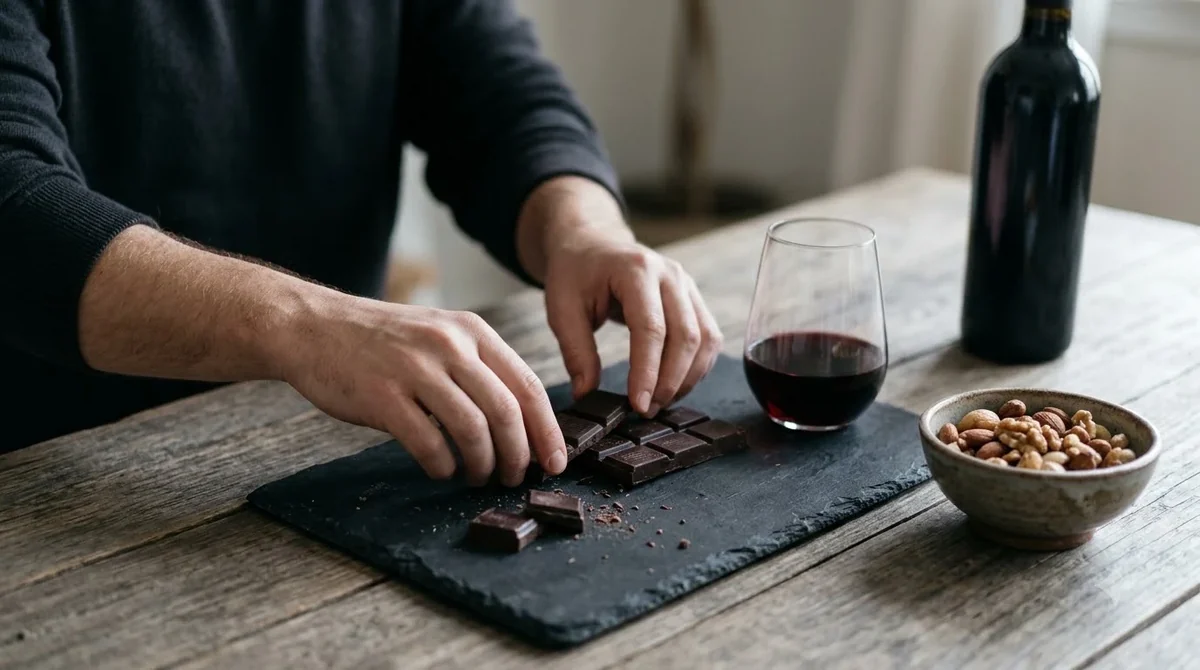
Hard and pungent cheeses bring out the hidden fruit notes in a dry pour. Sharp aged cheddar, nutty Manchego, and salty blue cheeses like Stilton or Roquefort create a classic sweet-and-salty contrast on the palate. Conversely, avoid pairing standard dry Malbec with sugary cakes or milk chocolate desserts, as high sugar on the plate will strip away the wine’s fruit and make it taste bitter and sour.
How to Choose a Bottle That Fits Your Palate
Reading the back label and regional origin gives you reliable clues about whether a bottle will lean toward lush, fruit-forward richness or crisp, earthy dryness. You do not need technical lab reports to predict the style on the shelf.
Start by checking the country and region of origin alongside the alcohol percentage. Bottles from Mendoza, San Juan, or Salta in Argentina with 14 to 15 percent ABV will generally offer ripe blackberry flavors, softer acidity, and a plush, almost sweet-seeming finish. If you prefer a leaner, more savory dry red, look for bottles labeled Cahors from France or high-elevation Uco Valley selections around 13.5 percent ABV, which emphasize minerality and fresh red-to-black fruit.
Aging terms also signal how much oak sweetness you can expect in the glass. Labels marked Joven or young see little to no oak and highlight pure, juicy grape character, whereas Reserva and Gran Reserva designations indicate extended barrel maturation that layers in vanilla, mocha, and baking spice. If you are exploring different categories across Wine by Type, only bottles explicitly marked Late Harvest or Fortified will deliver genuine sugary sweetness.
Frequently Asked Questions
Is Malbec considered a sweet red wine?
No, standard Malbec is a dry red wine that usually contains less than 1 to 3 grams of residual sugar per liter. It often tastes rich and fruity because of ripe blackberry and plum flavors, warm alcohol levels, and vanilla notes from oak aging rather than actual sugar.
How much sugar is in a glass of Malbec?
A standard 5-ounce pour of dry Malbec typically contains less than half a gram of residual sugar, translating to roughly 0 to 2 sugar calories per glass. Most of the calories in a pour come from alcohol rather than carbohydrates.
Is Malbec sweeter than Cabernet Sauvignon?
Both wines are fermented dry with comparable trace amounts of residual sugar, usually under 3 grams per liter. However, Malbec often tastes slightly sweeter on the palate because it has softer tannins, lower acidity, and riper, juicier dark fruit flavors than Cabernet Sauvignon.
Does sweet Malbec exist?
Yes, though it is uncommon compared to dry table versions. A few producers make late-harvest or fortified dessert styles where fermentation is stopped early to retain natural grape sugar, and these bottles are clearly labeled as dulce, late harvest, or fortified.
Knowing how residual sugar, fruit ripeness, and oak aging interact takes the guesswork out of shopping for this popular red. Reach for an Argentine bottle when you want lush dark fruit and velvety warmth, or pick up a French Cahors when your dinner calls for something earthy, structured, and crisp.
More in Wine Types & Grapes
 What Does Ruby Port Taste Like? Flavor Notes, Styles, and Serving TipsUpdated Nov 21, 2026
 What Does Ribolla Gialla Taste Like? Crisp White and Amber Styles ExplainedUpdated Nov 21, 2026
 What Does Semillon Taste Like? Flavor Profile, Styles & PairingsUpdated Nov 21, 2026
 What Does Scuppernong Taste Like? Flavor, Styles, and Pairing GuideUpdated Nov 21, 2026
 What Does Saperavi Taste Like? Flavors, Styles, and Pairing GuideUpdated Nov 21, 2026
 What Does Natural Wine Taste Like? Flavors, Styles, and Serving TipsUpdated Nov 21, 2026