

We may earn a commission when you buy through links on this page, at no extra cost to you. Learn more.
The best malbec substitute for drinking is Syrah (or Shiraz) for bold dark fruit and spice, or Merlot and Argentine Bonarda for plush, medium-tannin smoothness. For cooking, dry red wines like Cabernet Sauvignon, Zinfandel, or Côtes du Rhône blends replace Malbec’s body and acidity smoothly in braises and pan sauces, while unsweetened pomegranate or tart cherry juice with a splash of red wine vinegar works well as a non-alcoholic swap.
Whether your local wine shop is sold out of your favorite Mendoza bottle or a slow-cooked beef stew recipe calls for a splash of Argentine red you do not have on hand, finding a reliable stand-in comes down to matching structure. Malbec sits in a sweet spot of the red wine spectrum—generous dark fruit, velvety texture, and moderate acidity—making it easy to replace once you know which traits your glass or recipe needs most.
What Makes Malbec Distinct
Before choosing an alternative, it helps to pinpoint what makes Malbec recognizable in the glass: opaque purple-magenta color, ripe blackberry and red plum flavors, medium tannins, and medium-low acidity. Depending on whether the bottle hails from high-elevation vineyards in Argentina or its ancestral home in Cahors, France, the wine leans either toward plush cocoa and vanilla or savory black pepper and earth.
According to Wine Folly’s comprehensive guide to Malbec, the grape’s thick skins contain high levels of anthocyanin pigment, giving the wine its signature inky hue and bright magenta rim. Because its tannins are softer and riper than those of Cabernet Sauvignon, Malbec delivers a full-bodied mouthfeel without feeling overly astringent or drying on the finish. Oak aging also plays a major role in shaping its profile; entry-level bottles often see only four to six months in barrel to preserve fresh blueberry and plum notes, while reserve bottlings aged up to 18 or 20 months develop pronounced cocoa, sweet tobacco, and vanilla character.
Alcohol levels typically land between 13.5% and 15% ABV, giving the wine a warm, generous mid-palate that anchors rich meals without requiring years of cellar aging. If you are tracking strength or serving sizes across different reds, checking the typical malbec alcohol content and comparing calories in malbec can help you pick an equivalent bottle that matches both weight and richness.
Best Wine Substitutes for Drinking
When pouring a glass to drink alongside dinner or on its own, the closest wine replacements share Malbec’s dark fruit core and plush mouthfeel while shifting slightly toward spice, softness, or earthy grip. Your ideal pick depends on whether you prefer the fruit-forward style of Mendoza or the more structured, savory character of southwest France.
Syrah and Shiraz stand at the top of the list for drinkers who love Malbec’s bold color and dark berry intensity. Syrah from Washington State, California, or France’s Rhône Valley mirrors Malbec’s blackberry and black plum profile while adding cracked black pepper, smoked meat, and violet aromatics. Australian Shiraz leans riper and more chocolate-driven, matching the generous fruit weight of an oak-aged Argentine Malbec. If you enjoy the rustic, peppery side of French Cahors Malbec, Northern Rhône Syrah is a natural crossover.
Argentine Bonarda (Douce Noir) is Argentina’s second most widely planted red grape and was historically treated as Malbec’s everyday counterpart. As highlighted in Wine Folly’s overview of Argentine Bonarda, this variety displays the same deep, opaque color in the glass alongside black cherry, blueberry, and plum fruit, but offers slightly higher, juicier acidity and lower tannins. Most Bonarda bottlings see little to no oak and rarely exceed 13.5% ABV, making them an easy-drinking, fruit-pure substitute when you want Malbec’s flavor without heavy barrel influence.
Merlot, Carménère, and Primitivo cover the remaining stylistic angles. Merlot shares Malbec’s Right Bank Bordeaux heritage and delivers soft tannins with ripe plum and cocoa notes. Chilean Carménère offers a similarly velvety texture with dark fruit and a subtle herbal, green-peppercorn lift. Meanwhile, Italian Primitivo—genetically identical to Zinfandel—brings jammy blackberry, dried fig, and warm spice for fans of high-impact, full-bodied reds. You can explore how these grapes compare across broader categories in our guide to Wine by Type.
Side-by-Side Comparison of Top Alternatives
Comparing body, tannin, acidity, and primary tasting notes side by side makes it easy to spot which bottle will feel most familiar on your palate. Use the table below to match your preferred style of Malbec to a comparable red.
| Substitute Wine | Body & Tannin | Acidity | Key Flavor Notes | Best Style Match |
|---|---|---|---|---|
| Syrah / Shiraz | Full body, medium-firm tannin | Medium | Blackberry, plum, black pepper, smoke | Oak-aged or savory Malbec |
| Argentine Bonarda | Medium body, low-medium tannin | Medium-high | Black cherry, blueberry, subtle brown spice | Unoaked, fruit-forward Malbec |
| Merlot | Medium-full body, soft tannin | Medium | Red plum, black cherry, cocoa, vanilla | Plush, everyday Mendoza Malbec |
| Carménère | Medium-full body, velvety tannin | Medium | Blackberry, dark chocolate, herbal peppercorn | Smooth, medium-oak Malbec |
| Primitivo / Zinfandel | Full body, medium-high tannin | Medium-low | Blackberry jam, dried fig, sweet spice | High-ABV, rich reserve Malbec |
| Cahors (French Malbec) | Full body, firm tannin | Medium-high | Dark plum, violet, earth, leather | Same grape, Old World structure |
Best Substitutes for Cooking
In the kitchen, Malbec adds dark color, fruity depth, and balancing acidity to braised meats, mushroom ragùs, and red wine reductions. Because simmering concentrates flavors and softens subtle aromatic nuances, you do not need an exact varietal match—just a dry red wine with solid body and moderate tannins.
Cabernet Sauvignon, Merlot, and Zinfandel are the easiest one-to-one wine swaps in any savory recipe. Pour the same volume called for in the recipe, using a bottle you would happily drink by the glass. Avoid heavily oaked, ultra-tannic bottles for long reductions, as concentrated wood tannins can turn slightly bitter as the liquid cooks down. Côtes du Rhône blends (typically Grenache, Syrah, and Mourvèdre) also perform reliably in stews and pan sauces because their bright fruit and herbal notes meld cleanly with garlic, rosemary, and beef stock.
If you are cooking without alcohol, combine an equal amount of rich beef or mushroom stock with a tablespoon of red wine vinegar or balsamic vinegar per cup of liquid to replicate Malbec’s acidity and savory backbone. Unsweetened pomegranate juice or tart black cherry juice diluted slightly with broth and a splash of vinegar also captures the dark berry sweetness and deep hue that Malbec brings to braised short ribs or deglazed pan sauces. (If a recipe instead calls for a crisp, nutty fortified white wine, check our guide on a fino sherry substitute.)
Tip: Skip supermarket “cooking wines” labeled with added salt; they throw off seasoning as sauces reduce, whereas an inexpensive dry table red like Merlot or Garnacha gives clean fruit and balanced acidity.
Matching Substitutes to Food Pairings
One of Malbec’s biggest strengths at the dinner table is its versatility with lean red meats, smoky grilled dishes, blue cheese, and earthy spices like cumin and smoked paprika. When swapping in another bottle, pair the substitute’s tannin and acidity level to the richness of the plate.
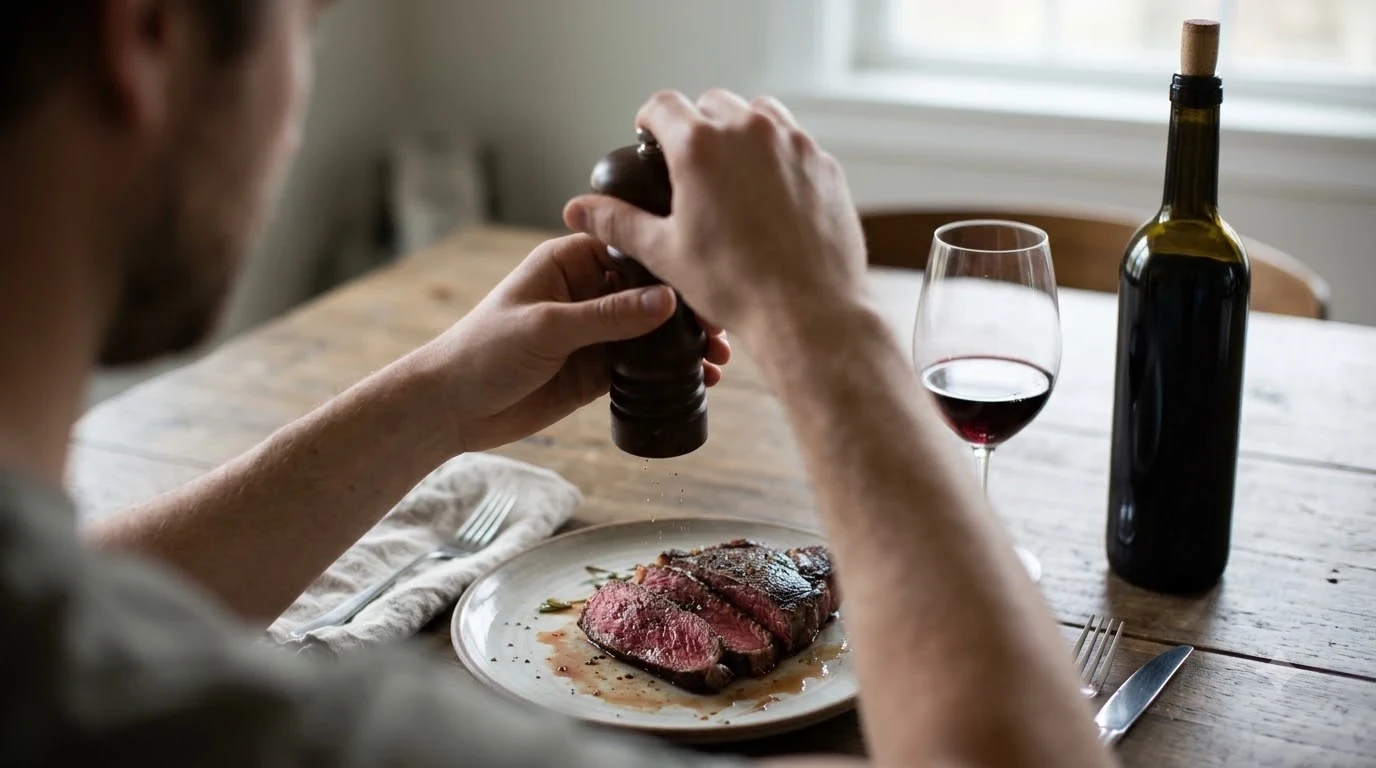
For grilled steak, burgers topped with blue cheese, or barbecue brisket, reach for Shiraz or Zinfandel. Both have the full-bodied fruit weight and warm finish needed to stand up to charred crusts, smoky rubs, and tangy cheeses without tasting thin. If you are serving leaner proteins—such as pork tenderloin, roasted duck, or mushroom-stuffed peppers—Argentine Bonarda or Merlot keeps the dark fruit harmony intact while avoiding heavy tannins that can overpower delicate textures.
For tomato-based pastas, empanadas, or spiced lentil and black bean dishes, Spanish Garnacha or Sicilian Nero d’Avola brings a touch more natural acidity than standard Malbec, keeping each bite fresh and lively.
How to Serve and Choose the Right Bottle
Serving temperature makes a noticeable difference for Malbec and its closest substitutes. Aim for a slight cellar chill of 60°F to 68°F (15°C to 20°C)—roughly 15 to 20 minutes in the refrigerator before pouring. Serving bold reds too warm accentuates alcohol heat and flattens their dark berry freshness, while a brief chill keeps the fruit crisp and the finish balanced.
Decanting for 20 to 30 minutes helps fuller-bodied alternatives like Syrah, Cahors, and young Zinfandel open up, softening firm tannins and releasing violet and spice aromatics. Lighter, unoaked substitutes such as Argentine Bonarda or everyday Merlot can be poured straight from the bottle into a standard universal red wine glass.
When scanning labels at the shop, look for warm-climate regions with high sunshine and cool nights—such as Mendoza for Bonarda, Paso Robles or Lodi for Zinfandel, McLaren Vale for Shiraz, or Colchagua Valley for Carménère—to get the same ripe fruit core and smooth finish that make Malbec so approachable.
Frequently Asked Questions
What wine tastes closest to Malbec?
French Cahors is made from the exact same Malbec grape, though it tastes firmer, earthier, and more tannic than Argentine bottles. If you want the plush, fruit-forward style of Mendoza Malbec, Shiraz, Merlot, and Argentine Bonarda are the closest flavor and texture matches.
Can I substitute Cabernet Sauvignon for Malbec?
Yes, especially in cooking or alongside rich, fatty cuts like ribeye steak. Keep in mind that Cabernet Sauvignon has firmer, more astringent tannins and higher acidity than Malbec, so it will taste drier and less plush when sipped on its own.
What is a lighter substitute for Malbec?
Argentine Bonarda and Spanish Garnacha (Grenache) are the best lighter-feeling alternatives. Both retain Malbec’s approachable, fruit-driven personality and smooth finish while offering lower tannins, slightly brighter acidity, and a more medium-bodied weight.
What is the best non-alcoholic substitute for Malbec in cooking?
Mix unsweetened pomegranate juice or tart cherry juice with an equal part of beef or mushroom broth, then add one tablespoon of red wine vinegar per cup. This combination mimics Malbec’s deep purple color, dark fruit notes, and acidity without adding excess sugar.
Finding the right malbec substitute simply comes down to matching the occasion: reach for Shiraz or Zinfandel when you want bold, dark-fruited richness, Bonarda or Merlot for smooth everyday sipping, and any dry, medium-bodied red for savory kitchen reductions. Keep serving temperatures slightly cool around 60°F to 68°F, and your alternative bottle will deliver the same welcoming depth at the table.
More in Wine Types & Grapes
 What Does Ruby Port Taste Like? Flavor Notes, Styles, and Serving TipsUpdated Nov 21, 2026
 What Does Ribolla Gialla Taste Like? Crisp White and Amber Styles ExplainedUpdated Nov 21, 2026
 What Does Semillon Taste Like? Flavor Profile, Styles & PairingsUpdated Nov 21, 2026
 What Does Scuppernong Taste Like? Flavor, Styles, and Pairing GuideUpdated Nov 21, 2026
 What Does Saperavi Taste Like? Flavors, Styles, and Pairing GuideUpdated Nov 21, 2026
 What Does Natural Wine Taste Like? Flavors, Styles, and Serving TipsUpdated Nov 21, 2026