

We may earn a commission when you buy through links on this page, at no extra cost to you. Learn more.
Luxembourg wine tasting is best experienced along the Luxembourg Moselle, where visitors can discover distinctive Riesling, Auxerrois, Pinot Blanc and Crémant de Luxembourg directly from local winegrowers. This small European wine region specializes in fresh, expressive white wines, traditional-method sparkling wines and increasingly interesting reds. With more than 40 wine cellars and estates welcoming visitors, the Moselle offers an appealing combination of vineyard scenery, cellar visits and regional food.
Although Luxembourg is not among Europe’s largest wine-producing countries, its wines offer a distinctive expression of the Moselle Valley. The region combines influences from German and French wine traditions with its own grape varieties, geological differences and established sparkling-wine production. Whether you are planning a dedicated wine trip or adding a tasting to a Luxembourg holiday, understanding the local grapes, producers and geography will help you get more from every glass.
Understanding Luxembourg’s Moselle Wine Region
Luxembourg’s wine industry is concentrated along the Moselle River in the eastern part of the country, where vineyards benefit from a mild climate and varied hillside exposures. The most rewarding tastings explore how limestone and clayey marl soils influence the character of wines from different villages.
The Luxembourg Moselle stretches along approximately 42 kilometers of natural border between Luxembourg and Germany. The vineyards are within convenient reach of Luxembourg City, approximately 20 kilometers away, making the region accessible for a day trip as well as a longer wine-focused holiday.
Winegrowing here has a history extending back to Roman times. The Celts, Gauls and Romans cultivated vines in the valley, and monasteries expanded vineyard production during the Middle Ages. Elbling became particularly important during the late nineteenth century, when Luxembourg wine was closely connected to the German market.
The modern development of the industry gained momentum during the twentieth century. The Institut Viti-Vinicole was established in Remich in 1925, and the introduction of the protected wine designation during the 1980s helped establish a clearer framework for regional wine quality and origin.
How the soil shapes the wines
One of the most interesting aspects of Luxembourg wine tasting is the contrast between different sections of the valley. The geology is not uniform, and tasting wines from several villages can reveal noticeable differences in texture, acidity and overall expression.
Between Schengen and Greiveldange, the valley opens out and the vineyards occupy relatively gentle hillsides with clayey soils. Wines from this southern area are often described as rounder and softer in character. These conditions are particularly interesting when exploring aromatic varieties such as Auxerrois and Rivaner.
Further north, particularly around the canton of Grevenmacher, limestone becomes more prominent. The slopes are steeper, and the valley becomes narrower. Wines from these sites are frequently more structured and energetic, making them particularly interesting for visitors who appreciate mineral-driven white wines.
Wormeldange is another important place to explore. Its limestone hillsides and vineyard locations provide a useful introduction to the region’s distinctive Riesling styles. The village is also associated with the production of Luxembourg Crémant.
The international character of the Moselle is another attraction. Across the river, German vineyards continue the same broader winegrowing landscape. However, Luxembourg’s producers have developed a recognizable identity through their grape selection, appellation system and sparkling-wine traditions.
Visitors interested in comparing neighboring European wine cultures can also explore Alsace wine tasting, where aromatic whites, distinctive vineyard sites and French-German influences create another fascinating regional experience.
The Luxembourg Grapes Every Visitor Should Taste
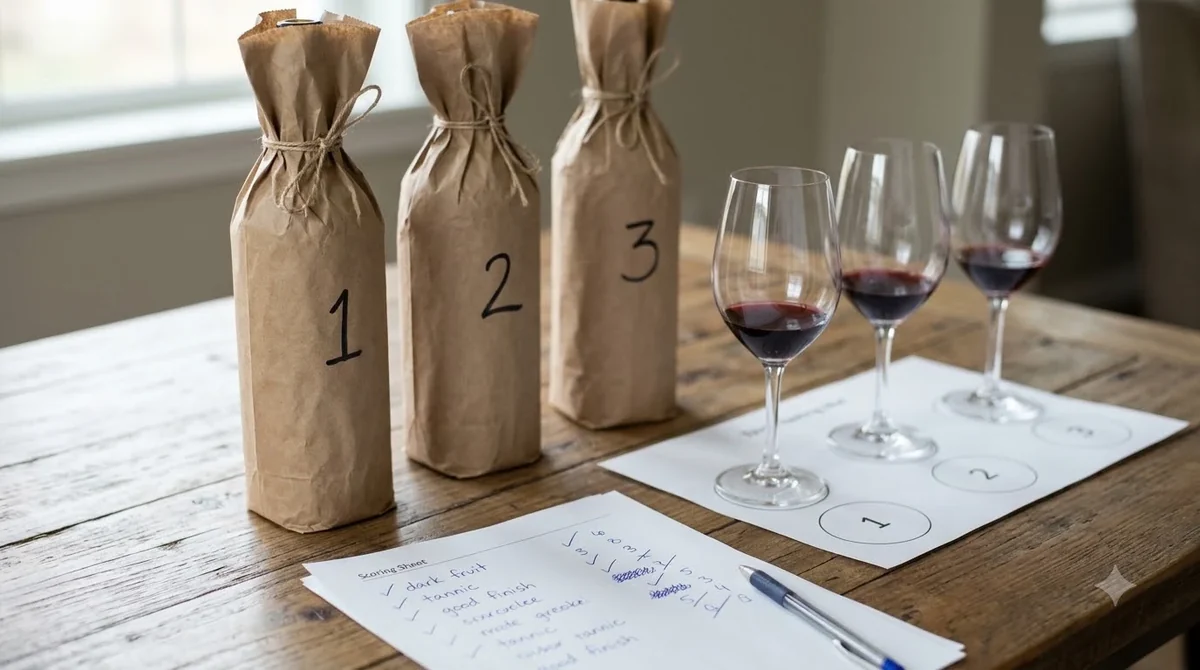
Luxembourg’s wine selection is led by white varieties, with each grape offering a different combination of acidity, fruit and texture. A good tasting should include at least one fresh, lively white, one aromatic variety and a more structured wine to demonstrate the range of the Moselle.
Rather than concentrating exclusively on Riesling, visitors should explore lesser-known grapes such as Elbling, Rivaner and Auxerrois. These varieties are important to Luxembourg’s wine identity and provide a more complete understanding of the country’s production.
Riesling: the regional reference point
Riesling is probably the best-known Luxembourg wine variety. The region’s chalky and limestone-influenced soils contribute to wines with pronounced mineral character, supported by citrus, apple, quince and sometimes spicy aromas.
Expect refreshing acidity and a relatively focused structure in many examples. Some wines are particularly delicate and crisp, while others have greater concentration and complexity. The grape’s natural acidity also makes it a useful choice with food.
During a tasting, compare a Riesling from a limestone-influenced vineyard with one from a different section of the valley. Pay attention to the intensity of citrus aromas, the impression of minerality and how long the finish remains noticeable.
Auxerrois: a distinctive Luxembourg favorite
Auxerrois deserves particular attention because it produces some of the region’s most appealing gastronomic white wines. Typically crisp and fruity, it has a more delicate acidity than Riesling and can offer a broader, softer impression on the palate.
Its versatility is one of its greatest strengths. Some examples are intended for relatively early drinking, while carefully produced wines can develop additional complexity with bottle aging. Aromatic fruit and balanced acidity make Auxerrois a natural partner for smoked meats, poultry and regional Luxembourg dishes.
Rivaner: approachable and aromatic
Rivaner, commonly associated with Müller-Thurgau, is a light-bodied, fruity variety with soft acidity and characteristic muscat-like aromas. It is particularly suitable for relaxed drinking and for visitors who prefer less intense wines.
Look for fresh fruit, floral notes and an easygoing texture. Rivaner is also a useful introduction to Luxembourg’s wine culture because it demonstrates a different style from the more structured Rieslings.
Elbling: fresh and traditional
Elbling is one of the historical varieties of the Luxembourg Moselle. It was once closely associated with the production of base wines for sparkling wine, but modern examples also deserve attention as still wines.
Expect lively acidity, relatively modest alcohol and aromas that can include citrus, green apple, redcurrant and pomegranate. Its refreshing character makes it particularly appealing as an aperitif or alongside simple seafood dishes.
Other varieties worth exploring
Pinot Blanc is an important grape for both still wines and Crémant. Its delicate fruit and mineral character make it suitable for fish, white meat and egg dishes. Barrel-aged examples can develop smoother textures and buttery aromas.
Pinot Gris offers a fuller impression, often with pear, citrus and nut characteristics. It works particularly well with poultry and fish served with richer sauces.
Gewürztraminer is an aromatic alternative with rose, peach, lychee, apricot and honey notes. Depending on its sweetness and structure, it can accompany cheese, savory appetizers or certain desserts.
Chardonnay is also present, including examples matured in oak barrels. These wines may display vanilla, toast and roasted notes alongside their fruit character.
The following overview provides a practical starting point for organizing a tasting:
| Grape variety | Typical character | Food pairing |
|---|---|---|
| Riesling | Citrus, apple, mineral notes, high acidity | Seafood, trout, white fish |
| Auxerrois | Soft fruit, delicate acidity, rounded texture | Smoked meats, poultry |
| Rivaner | Light, fruity, muscat-like aromas | Light appetizers, salads |
| Elbling | Fresh citrus, green apple, lively acidity | Shellfish, fresh cheese |
| Pinot Blanc | Delicate fruit, mineral character | Fish, eggs, white meat |
| Pinot Gris | Pear, citrus, nuts, fuller texture | Poultry, fish in sauce |
| Gewürztraminer | Rose, lychee, peach, honey | Cheese, aromatic dishes |
| Pinot Noir | Red berries, gentle structure | Duck, red meat, game |
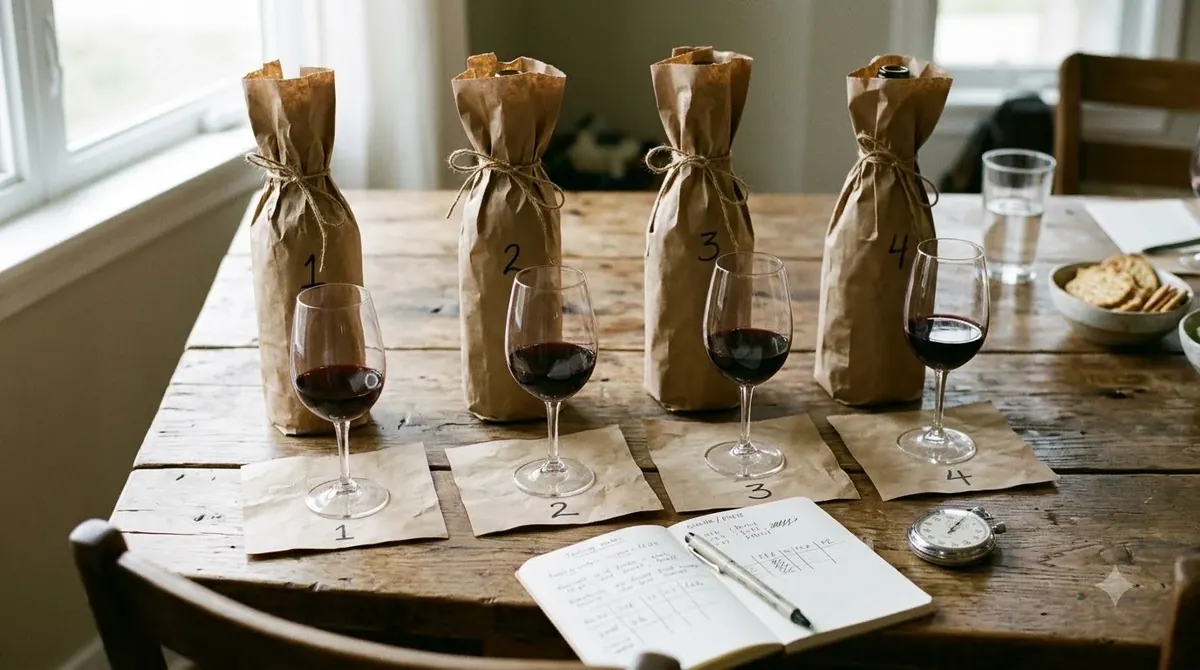
For a first tasting, a flight of Riesling, Auxerrois, Elbling and Pinot Gris provides an excellent overview. Adding Rivaner gives visitors a useful comparison between fresh, light-bodied wines and more concentrated aromatic styles.
Crémant de Luxembourg and the Region’s Sparkling Wines
Crémant de Luxembourg is one of the country’s most distinctive wine specialties, offering an opportunity to explore quality sparkling wine made from locally grown grapes. Its refreshing acidity, traditional production requirements and range of white and rosé styles make it an essential part of any regional tasting.
The Crémant designation has been used for Luxembourg quality sparkling wines since 1991. Its production is governed by specific rules designed to distinguish these wines from more basic sparkling alternatives.
One important requirement is that grapes must be harvested by hand and pressed whole. The wine must also remain on its lees in the same winery for at least nine months. This period of contact with yeast contributes to the development of the wine’s texture and more complex aromas.
What to expect in the glass
Crémant de Luxembourg can be made as white or rosé sparkling wine. Depending on the grape varieties and blend, the finished wine may show citrus, green apple, pear, floral notes and delicate yeast-derived aromas.
Pinot Blanc is particularly important in the region’s sparkling wine production. Other local aromatic grapes can contribute freshness and complexity, while the composition of the cuvée influences the finished wine’s style.
For a useful tasting comparison, try a white Crémant alongside a rosé example. Notice how the rosé can introduce additional red-fruit and floral characteristics while retaining the refreshing character associated with the region.
Understanding sweetness levels
As with other sparkling wines, sweetness terminology is important when choosing a bottle. Brut Nature and Extra Brut are particularly dry, while Brut generally remains dry but can have slightly more residual sugar. Extra Dry is actually sweeter than Brut, followed by Dry, Demi-Sec and Doux.
This distinction is useful when pairing sparkling wine with food. A dry Crémant is a natural match for seafood, salty appetizers and fried foods. Sweeter versions can work better with fruit-based desserts, provided the wine is at least as sweet as the dish.
Temperature also makes a difference. Serve Crémant at approximately 40–50°F to preserve its freshness and keep the bubbles lively without making the wine’s aromas difficult to appreciate.
Tip: Start a Luxembourg tasting with Crémant, then move to Elbling, Riesling and Auxerrois before finishing with richer whites or red wines. This progression allows the more delicate wines to show their character before stronger flavors take over.
Visitors interested in the region’s sparkling wine production should include a visit to a winery that specializes in Crémant. A guided cellar visit can explain grape selection, pressing, fermentation and lees aging in considerably more detail than a standard tasting flight.
For additional information about the country’s sparkling and still wine categories, the official Vins & Crémants Luxembourg wine overview provides a useful introduction to the main styles.
Where to Go for Luxembourg Wine Tastings
The best wine tasting experiences are found across the Moselle’s villages, where independent estates and cooperative wineries offer different perspectives on local production. Remich, Wormeldange, Grevenmacher, Wellenstein and Schengen are particularly useful places to consider when planning a wine itinerary.
More than 40 cellars and estates welcome visitors, giving travelers a choice between larger wine operations, smaller family-run properties and organized tasting events.
Domaines Vinsmoselle
Domaines Vinsmoselle is an important starting point for visitors who want to discover several aspects of Luxembourg wine production. The cooperative brings together approximately 170 winegrowers and operates four locations along the Moselle: Remerschen, Wellenstein, Wormeldange and Grevenmacher.
These locations provide opportunities to learn about regional grape varieties, still wines and sparkling wine production. For first-time visitors, a cooperative can be particularly useful because its selection offers an introduction to a broad range of wines from the region.
The Wormeldange location is especially interesting for sparkling wine enthusiasts. The Caves des Crémants Poll-Fabaire winery is associated with the Poll-Fabaire Crémant brand and occupies an Art Deco-style building near the Moselle.
Visitors can explore different wines and Crémants, while summer visits may include tastings on the terrace overlooking the surrounding vineyards. Guided tours and cellar visits can be arranged, making advance communication a sensible step when planning a group visit.
Independent winegrowers
Independent producers offer another perspective on the region. Many family wineries welcome visitors for tastings of their own still and sparkling wines, sometimes combining the experience with local food.
The Privatwënzer association represents independent winegrowers and provides a useful starting point for discovering smaller estates. These visits can be especially rewarding for people interested in individual vineyard sites, winemaking decisions and family traditions.
Unlike larger cooperative operations, smaller producers may offer a more focused selection of wines and a closer conversation with the people responsible for making them. Some wineries also have distinctive architecture, making the cellar visit interesting beyond the wine itself.
Choosing the right winery experience
Consider your main interest before arranging appointments. If sparkling wine is your priority, look for a producer with a dedicated Crémant selection. If you want to understand regional grape varieties, choose a winery offering several still whites, ideally including Riesling, Auxerrois, Rivaner and Elbling.
Visitors interested in more unusual wines should ask whether the winery offers Pinot Noir, Saint Laurent or late-harvest specialties. These bottles are not necessarily available at every tasting, particularly when production is limited.
It is also useful to ask about the number of wines included, tasting duration, language options and whether food is available. Some producers accept casual visitors, while others prefer reservations, particularly for larger groups or guided cellar tours.
For an overview of the regional wine culture and available tourism experiences, the official Luxembourg Moselle tourism information is a practical planning resource.
Planning a Moselle Wine Tour and Vineyard Walk
A Luxembourg wine trip can combine cellar visits with walks through vineyard landscapes and villages along the river. The region’s relatively compact geography makes it possible to experience several wine destinations without spending the entire day traveling between appointments.
Remich is a convenient base for exploring the central Moselle, while Wormeldange and Grevenmacher offer opportunities to visit producers and discover hillside vineyards. Further south, Schengen provides a different perspective on the region’s history and international character.
Recommended vineyard walking routes
Visitors who enjoy walking can choose from several routes that connect wine culture with the natural landscape.
The circular Crémant trail measures 4.8 kilometers and passes through Wellenstein, Bech-Kleinmacher and Schwebsange. It introduces visitors to the villages and vineyards associated with the region’s sparkling wine production. Its manageable distance makes it a useful option for travelers who want to combine a short walk with a winery appointment.
Another appealing route is the Wine and Nature Path Palmberg Ahn, which covers 8.4 kilometers. Starting in Ahn, it takes walkers through vineyards, limestone landscapes and wooded sections, with views over the Moselle Valley. The route is particularly interesting for visitors who want to understand the relationship between vineyard location and geology.
The Am Herscht trail offers a different seasonal experience. This 6-kilometer walk is associated with the atmosphere of the harvest period and includes the opportunity to enjoy Fiederwäissen, a young wine still undergoing fermentation, accompanied by traditional onion tart.
Fiederwäissen is not the same as a finished, fully fermented wine. Its lively, developing character makes it a seasonal specialty rather than a bottle that visitors can expect to find throughout the year.
How to organize a tasting day
A practical day can begin with a morning walk through the vineyards, followed by a scheduled winery tasting around lunchtime. After a regional meal, visitors can arrange a second appointment in a neighboring village or spend the afternoon exploring the riverfront.
For example, a route combining Remich, Wormeldange and Ahn can introduce travelers to cooperative wines, Crémant and hillside vineyard landscapes. It is better to arrange two meaningful tastings than to attempt too many cellar visits in a single afternoon.
Visitors who prefer not to drive between wineries should investigate local transport and organized wine tours. Some wine tourism events also provide shuttle services between participating villages and producers.
For a more complete wine itinerary, compare the Moselle with other European wine destinations and the broader selection of wine regions worth exploring. The differences in climate, grapes and production methods can make each trip more informative.
Luxembourg also works well as part of a wider regional holiday. Travelers interested in contrasting European wine styles might eventually add Bolgheri wine tasting to a separate Italian trip, where red blends based on international varieties offer a very different experience from the fresh whites of the Moselle.
Luxembourg Food Pairings, Red Wines and Sweet Specialties
Food is an important part of the Luxembourg wine experience, and the region offers much more than white wine and seafood. Local smoked specialties, cheese, poultry, freshwater fish and traditional dishes create opportunities to explore different grape varieties and wine styles.
Pairing local food with white wines
Riesling is an excellent choice for freshwater fish, trout and dishes with fresh herbs or citrus. Its high acidity provides balance against richer preparations, while its mineral character complements delicate seafood flavors.
Auxerrois works particularly well with smoked Luxembourg specialties. Its softer acidity and rounded fruit character provide a comfortable match for smoky and savory flavors without overwhelming the food.
Pinot Blanc is a versatile partner for fish, white meat and egg dishes. Its relatively delicate flavor profile makes it suitable for simple preparations where the wine should support rather than dominate the food.
Pinot Gris is a good option for poultry and fish prepared with cream or butter-based sauces. Its fuller texture and fruit character can match richer dishes more successfully than a particularly light white wine.
For cheese, the best choice depends on the style. Fresh and moderately salty cheeses can work well with crisp whites, while richer or more aromatic cheeses may call for Auxerrois, Gewürztraminer or a slightly sweeter wine.
Discovering Luxembourg’s red wines
Although the Luxembourg Moselle is principally associated with white wines, visitors should not overlook its red varieties. Pinot Noir and Saint Laurent are particularly interesting because they demonstrate how the region can produce wines with a different structure and flavor profile.
Luxembourg Pinot Noir typically shows red-fruit aromas. Some examples are relatively light and fresh, while barrel-aged versions can develop vanilla and toasted characteristics.
Serve lighter Pinot Noir at approximately 55–60°F. Its relatively low-to-medium tannin level and natural acidity make it a flexible food wine for duck, poultry, mushrooms and moderately rich meat dishes.
Saint Laurent deserves attention for its darker fruit profile and more pronounced aromatic character. Wild berries, sour cherries and plums are typical descriptors, while mature examples can develop hints of bitter chocolate.
These wines are particularly interesting alongside game, roasted meats and dishes with savory sauces. Visitors accustomed to Luxembourg’s fresh whites may find the red wines a welcome contrast.
Late-harvest, straw and ice wines
Some of Luxembourg’s most unusual wines are produced from specially selected grapes harvested or processed to concentrate their natural sugars and flavors. These include late-harvest wines, straw wines and ice wines.
Late-harvest wines are made from grapes picked at a later stage of ripeness. In certain vintages, noble rot caused by Botrytis cinerea can contribute to the concentration of sugars and aromas. The resulting wines may display honey, caramel and ripe-fruit characteristics.
Straw wine involves a different technique. Harvested grapes are dried on straw mats in a ventilated space for at least two months. As moisture evaporates, the remaining grape material becomes more concentrated, producing a rich, aromatic and sweet wine.
Ice wine, known locally as Äiswäin, is produced from grapes that freeze naturally on the vine. The frozen grapes are pressed while still frozen, concentrating their sugars and acids in the resulting juice. Suitable weather conditions are essential, so production is not guaranteed every year.
These specialties are often produced in limited quantities. They are particularly interesting for visitors who want to discover something beyond the region’s better-known dry whites and sparkling wines.
When pairing sweet Luxembourg wines, choose desserts that are no sweeter than the wine. Blue cheese can also provide an excellent contrast, while fruit-based desserts work well when their sweetness and acidity are balanced with the wine.
Practical Tips for a Better Luxembourg Wine Tasting
A little preparation makes winery visits more rewarding, especially when the itinerary includes multiple producers and several different wine styles. Understanding serving temperatures, tasting order, appointments and local customs helps visitors appreciate the wines without rushing through the experience.
Choose the right tasting order
Start with sparkling wines, followed by lighter still whites and then more aromatic or fuller-bodied styles. A useful sequence is Crémant, Elbling, Rivaner, Riesling, Auxerrois, Pinot Blanc, Pinot Gris and finally red wines.
If the tasting includes sweet wines, save them for the end. Their concentrated sweetness can make dry wines seem less expressive when tasted afterward.
When comparing two Rieslings, pay attention to acidity, fruit intensity, mineral impressions and finish. When comparing Auxerrois with Pinot Gris, consider how body and texture change the overall impression.
Pay attention to serving temperature
Temperature can have a considerable effect on wine aromas and structure. Sparkling wines are generally best served between 40–50°F, while light whites and rosés benefit from temperatures around 45–50°F.
Fuller-bodied whites are better served slightly warmer, around 50–55°F. Light reds such as Pinot Noir can be served at 55–60°F, while fuller reds are generally more enjoyable at 60–65°F.
Sweet white wines benefit from cooler serving temperatures, approximately 43–50°F. Avoid serving every wine directly from an excessively cold refrigerator, since very low temperatures can suppress aromatic expression.
Make reservations and plan transportation
Some Luxembourg wineries welcome walk-in visitors, but guided tours and structured tastings may require advance arrangements. This is especially important for smaller independent estates, where the winemaker may be responsible for both cellar work and visitor appointments.
Contact wineries before traveling to confirm opening times, tasting availability, languages, group policies and whether food is served. If visiting during a wine festival, check the participating producer list and transport arrangements before leaving your accommodation.
Wine tourism events can be particularly convenient because they bring several wineries together. Wine Taste Enjoy, held over the Pentecost weekend, offers visitors the chance to visit participating estates and sample their wines, Crémants and regional specialties. Free shuttle buses connect participating villages and wineries during the event.
Wine Cheese Enjoy, held in January and February, is another appealing option for travelers who prefer a food-focused experience. Local wines and sparkling wines are presented alongside cheese dishes such as raclette and fondue.
Take useful tasting notes
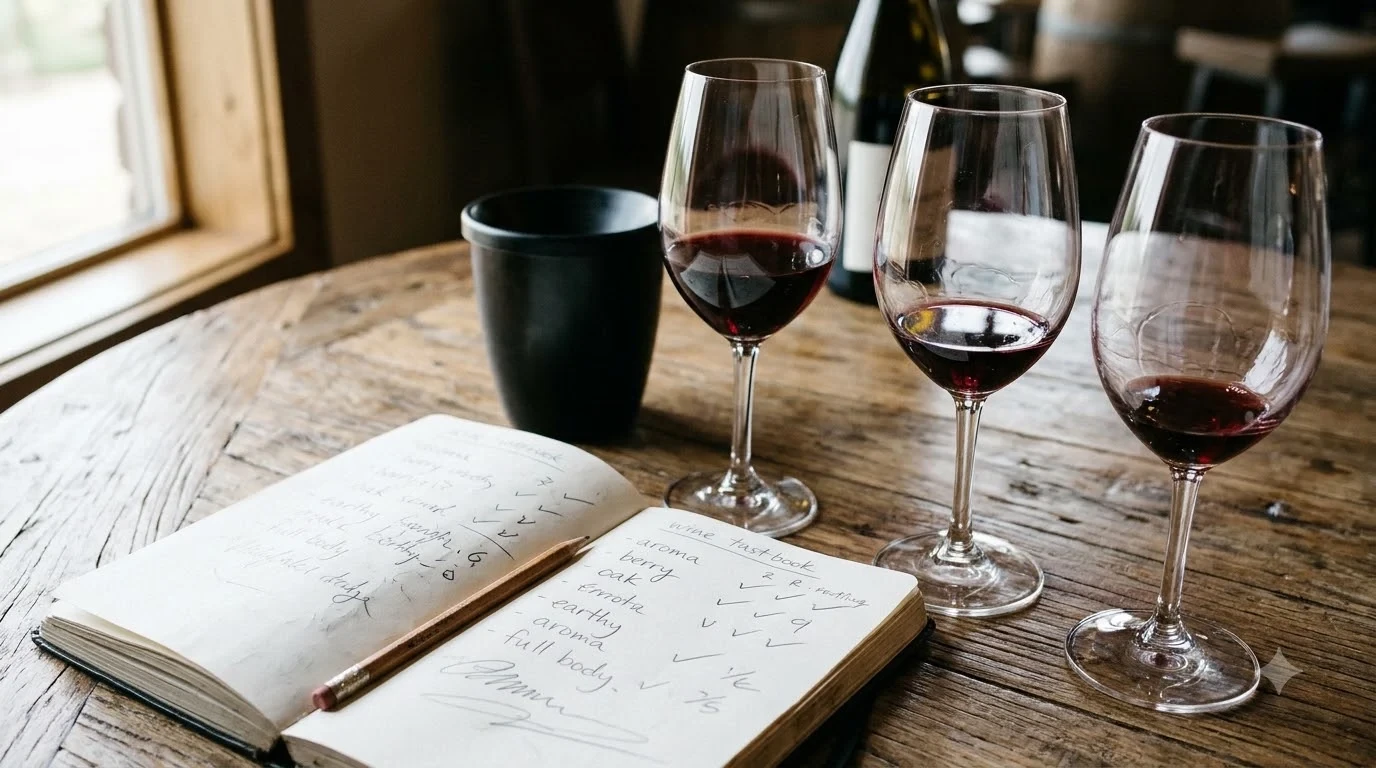
Rather than writing down only whether you like a particular wine, record its grape variety, village, aroma, acidity, body and finish. These details will make it easier to remember the differences between producers and vineyards.
For Riesling, note the balance between citrus fruit and mineral character. For Auxerrois, pay attention to its texture and softer acidity. With Crémant, consider the intensity of the bubbles, the freshness and any additional notes from lees aging.
A standard tasting pour is approximately 5 ounces, and a 750-milliliter bottle contains roughly five such servings. Winery tasting pours are often smaller, allowing visitors to compare several wines without committing to a full glass of each selection.
Finally, take time to enjoy the landscape. The vineyards, limestone slopes and river views are an essential part of understanding why Luxembourg’s Moselle has developed such a distinctive wine culture.
Frequently Asked Questions
Is Luxembourg wine available outside the country?
Yes. Luxembourg wines and Crémants are exported, although their international distribution is relatively limited compared with larger European wine regions. Specialist wine merchants and restaurants focusing on European wines are useful places to look. The official Vins & Crémants Luxembourg organization also provides information about local producers and their wines.
What does Moselle Luxembourgeoise mean on a wine label?
Moselle Luxembourgeoise identifies the protected geographical origin of wine produced in Luxembourg’s Moselle region. The designation distinguishes these wines from those produced in neighboring Moselle areas of France and Germany. It connects the wine with Luxembourg’s specific production requirements and geographical identity.
What is the Luxembourg word for the Moselle River?
The Luxembourgish name is Musel. The expression d’Musel is commonly used when referring to the river and its surrounding region. This local name appears in regional tourism and wine-related references and reflects the valley’s importance in Luxembourg’s cultural identity.
What is Fiederwäissen?
Fiederwäissen is a young, partially fermented grape drink associated with the harvest season in Luxembourg. It is not a fully finished white wine and continues fermenting as its sugars are converted into alcohol. Traditionally, it is enjoyed with onion tart during the autumn harvest celebrations.
What is the difference between Côtes and Coteaux on Luxembourg wine labels?
Both terms belong to the AOP Moselle luxembourgeoise classification. Côtes identifies balanced entry-level wines intended for everyday enjoyment, while Coteaux identifies quality wines with typical regional characteristics. Lieu-dit is a more geographically specific designation referring to strictly delimited vineyard sites.
Luxembourg wine tasting offers much more than an introduction to Riesling and sparkling wine. Exploring the Moselle’s villages, independent producers, geological differences and regional specialties reveals a distinctive wine culture with plenty of variety for curious visitors. Whether you choose a short tasting in Wormeldange or a longer journey through Remich, Ahn and Grevenmacher, Luxembourg is a rewarding destination for discovering European wines beyond the familiar major regions.
More in Wine Regions
 Willcox Wine Trail: Discover Arizona’s High-Elevation Wine CountryUpdated Nov 20, 2026
 Yakima Valley Wine Region: Find the Best Styles to TryUpdated Nov 20, 2026
 Vosne Romanee Wine Tasting: Identify Aromas and Choose Better PairingsUpdated Nov 20, 2026
 Yakima Valley Wine Festival: Find the Best Seasonal Wine EventsUpdated Nov 20, 2026
 Wales Vineyards: Discover Cool-Climate Wines and Where to VisitUpdated Nov 20, 2026
 Yountville Wine Festival: Discover Napa Wines and Local FoodUpdated Nov 20, 2026