

We may earn a commission when you buy through links on this page, at no extra cost to you. Learn more.
Luxembourg wine is a collection of crisp, cool-climate white and sparkling wines grown almost exclusively along a 42-kilometer (26-mile) stretch of the Moselle River valley in southeastern Luxembourg. Covering roughly 1,250 to 1,300 hectares (about 3,160 acres), the region is best known for aromatic, dry-leaning white varieties like Riesling, Auxerrois, Pinot Blanc, Pinot Gris, and Rivaner, alongside traditional-method sparkling wines sold under the protected Crémant de Luxembourg appellation. Because nearly all production is consumed domestically or in neighboring Belgium and Germany, finding a bottle abroad offers a rare look into one of Europe’s smallest historic wine cultures.
Tucked between France, Germany, and Belgium, Luxembourg produces wine on a scale that feels intimate compared to its famous neighbors, yet its winemaking roots stretch back two millennia to Roman settlers along the Moselle. While casual observers often group it with Germany’s slate-driven Mosel region across the water, Luxembourg’s vineyards sit on distinct limestone and marl soils that give its wines a rounder texture, restrained acidity, and distinctive floral aromatics. Exploring Wine Regions of this size reveals how geology and borderland history shape every bottle in the cellar.
Overview of Luxembourg Wine and the AOP Moselle Luxembourgeoise
Luxembourg operates under a single unified appellation, the AOP Moselle Luxembourgeoise, which governs grape varieties, vineyard boundaries, harvest yields, and sensory testing before any bottle reaches the market. Around 90 percent of the country’s vineyard acreage is planted to white grapes, and roughly 30 percent of total annual production goes into bottle-fermented sparkling wine.
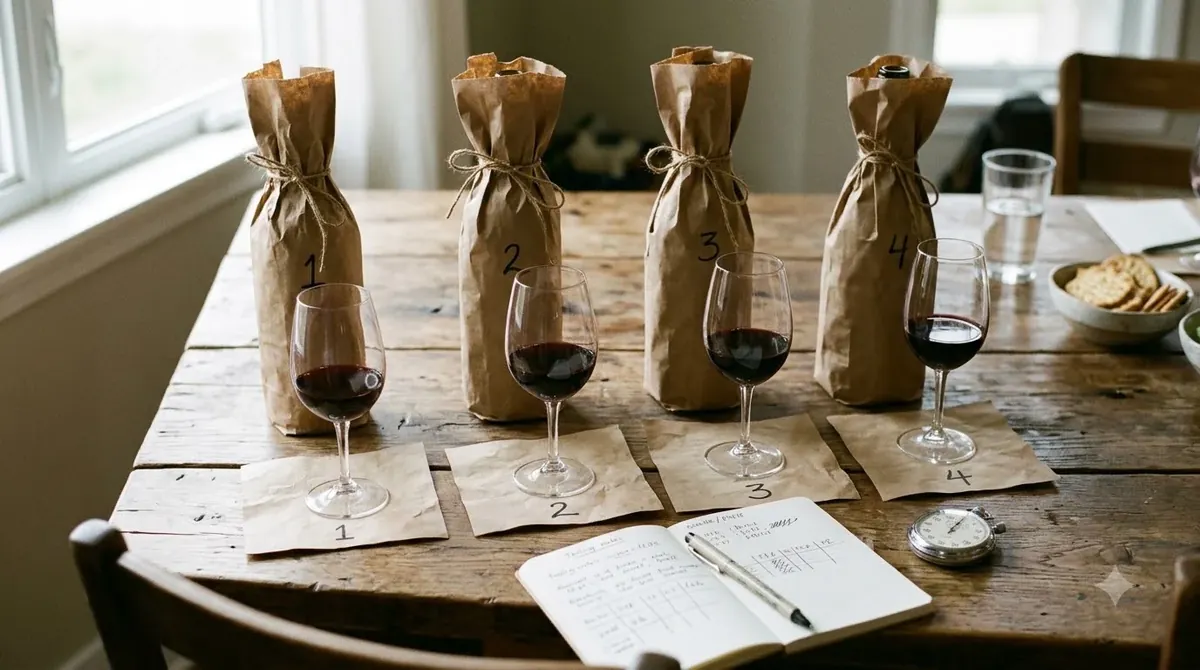
Quality control in the Grand Duchy is overseen by the Institut Viti-Vinicole, which administers the Marque Nationale system alongside European Protected Designation of Origin rules. According to the official portal of the Grand Duchy of Luxembourg, wines must pass both chemical analysis and blind organoleptic tasting panels to earn the AOP seal. Top-tier still wines can also carry classifications such as Premier Cru and Grand Premier Cru, signaling stricter yield limits and riper grape must weights at harvest.
Culturally, wine in Luxembourg is woven into daily life rather than reserved strictly for formal milestones. Locals pour sparkling Crémant at weekend brunches, afternoon receptions, and family dinners, which explains why domestic consumption absorbs the vast majority of the roughly 125,000 hectoliters produced each year. For American drinkers accustomed to exported bottles from larger European regions, tracking down a Luxembourgish label feels like discovering a well-kept local secret.
Sub-Regions and Terroir Along the Moselle River
The entire Luxembourg wine belt follows the left bank of the Moselle River for 42 kilometers, running north from the border village of Schengen—famous for the 1985 European border treaty—up to Wasserbillig, with a small cluster of vines near Rosport. Vineyards hug steep, sun-facing slopes within 300 to 400 meters of the riverbank at elevations between 150 and 200 meters above sea level.
While the German Mosel downstream is defined by steep Devonian slate cliffs, Luxembourg’s portion of the valley sits at the northeastern edge of the Paris Basin. Here, the soils shift to shell limestone, Keuper marl, and clay, particularly around the canton of Grevenmacher in the north and Remich in the south. These calcareous soils retain summer moisture and impart a broader mid-palate weight and mineral grip than slate typically delivers.
The river itself acts as a natural thermal regulator at the 50th parallel, reflecting sunlight onto the hillsides and moderating harsh winter freezes or autumn frosts. This cool continental microclimate allows grapes to ripen slowly over a long growing season, preserving bright natural acidity while developing delicate stone-fruit and orchard aromas without excessive alcohol.
Key Grapes and Wine Styles
Luxembourg’s vineyard palette centers on nine primary white and red varieties, led by Rivaner, Pinot Gris, Auxerrois, Pinot Blanc, and Riesling, alongside ancient Elbling and small plantings of Pinot Noir and Chardonnay. Unlike neighboring regions dominated by a single flagship grape, Luxembourgish estates routinely bottle six to ten distinct varietal wines each vintage.
Auxerrois is widely regarded by local growers as the region’s calling card because it thrives in heavy limestone soils with steady summer water. Related to Chardonnay and Pinot Blanc, Auxerrois offers lower acidity than Riesling paired with generous aromas of mirabelle plum, melon, white blossoms, and quince. Pinot Blanc and Pinot Gris also excel here, delivering crisp pear, almond, and subtle spice notes that bridge the gap between Germanic freshness and French textural richness.
Sparkling wine stands at the center of Luxembourg’s modern identity. According to Wine Folly’s guide to Crémant, Luxembourg is the only country outside France legally permitted to use the term Crémant under European Union law, a status granted in 1991. Crémant de Luxembourg must be harvested by hand, gently whole-bunch pressed to yield no more than 100 liters of must per 150 kilograms of grapes, and aged on the lees in bottle for at least nine months—or 24 months for vintage Crémant Millésimé bottlings.
| Grape Variety | Primary Style | Key Tasting Notes | Typical Serving Temp |
|---|---|---|---|
| Auxerrois | Dry still white & Crémant | Mirabelle plum, yellow apple, white flowers, soft acidity | 46–50°F (8–10°C) |
| Riesling | Dry to off-dry still white & Crémant | Green apple, white peach, lime zest, wet stone minerality | 46–50°F (8–10°C) |
| Pinot Blanc | Crisp still white & Crémant base | Pear, citrus blossom, fresh almond, lively acidity | 46–50°F (8–10°C) |
| Pinot Gris | Structured dry white | Ripe pear, dried apricot, toasted nuts, creamy mid-palate | 48–52°F (9–11°C) |
| Rivaner (Müller-Thurgau) | Light, everyday dry white | Fresh peach, green apple, subtle nutmeg and floral lift | 45–48°F (7–9°C) |
| Elbling | High-acid still white & Crémant | Lemon pith, green currant, tart apple, brisk saline finish | 43–46°F (6–8°C) |
| Pinot Noir | Light red, rosé & Blanc de Noirs | Red cherry, wild strawberry, earthy spice, silky tannins | 55–60°F (13–15°C) |
Though red wine accounts for less than 10 percent of plantings, warming summers have encouraged growers to craft increasingly serious Pinot Noir—often labeled locally as Spätburgunder—alongside pale rosés and Blanc de Noirs sparkling cuvées. Meanwhile, historic Elbling remains on older limestone parcels, prized for its razor-sharp acidity and Roman-era heritage.
Notable Producers in Luxembourg
Luxembourg’s wine industry balances large cooperative cellars with independent family estates that farm tiny hillside parcels. Domaines Vinsmoselle, the country’s largest winegrowers’ cooperative, unites hundreds of local growers across multiple cellars along the Moselle and anchors everyday availability across the Grand Duchy.
Among historic sparkling specialists, Bernard-Massard in Grevenmacher has produced traditional-method cuvées since 1921 and remains one of the few Luxembourgish names regularly exported to international markets. Caves St-Martin in Remich is equally renowned for aging its Crémant bottles inside expansive underground galleries carved directly into the limestone cliffs above the river.
Independent family estates push stylistic boundaries and showcase single-vineyard terroir. Domaine Alice Hartmann in Wormeldange earns acclaim from international critics for structured Rieslings and vintage Crémants from steep sites like Koeppchen. Further south in Remich, Domaine L&R Kox is celebrated for experimental bottlings ranging from skin-contact orange wines to single-barrel cuvées and Luxembourg’s first Crémant made from disease-resistant PIWI grape varieties.
Visiting Tips for the Luxembourg Moselle
Because the entire wine region spans just 26 miles along the Route du Vin, travelers can easily explore the Luxembourg Moselle as a day trip or weekend getaway from Luxembourg City, located roughly 25 to 30 minutes away by car. A flat, paved cycling path runs directly alongside the Moselle River, linking wine villages like Schengen, Remich, Ehnen, Wormeldange, Ahn, and Grevenmacher so visitors can pedal leisurely from cellar to cellar.
While major houses like Caves St-Martin and Domaines Vinsmoselle maintain regular visitor hours for cave tours and tastings, smaller family-run wineries often operate by appointment only. Travelers planning to visit boutique cellars should email or call ahead, or time their trip around regional open-cellar events such as the Wine Taste Enjoy weekend in spring, Ahn’s open cellars festival in July, or the Grape and Wine Festival in Grevenmacher each September.
Tip: Chill Crémant de Luxembourg to 43–46°F (6–8°C) before serving, and pour still whites like Auxerrois and Pinot Gris slightly warmer at 46–50°F (8–10°C) so their stone-fruit and floral aromatics open fully in the glass.
Pairing your tastings with local cuisine rounds out the visit. Riverside bistros and village wine taverns serve regional staples like Judd mat Gaardebounen (smoked pork collar with broad beans), fried Moselle river fish (Friture de la Moselle), and creamy local cheeses—all built to complement the bright acidity of Luxembourgish whites and bubbles. If your European itinerary continues southwest into Burgundy, comparing these cool-climate limestone whites with bottles from aloxe corton wine cellars or scheduling a beaune wine tasting highlights how differently Pinot grapes behave across European basins.
How to Buy Luxembourg Wine Outside the Grand Duchy
Finding Luxembourg wine in the United States takes a bit of patience because local demand keeps nearly 85 to 90 percent of bottles within Luxembourg and neighboring Benelux countries. When bottles do reach American shelves, they are most often Crémant de Luxembourg cuvées from export-oriented houses like Bernard-Massard or small allocations of dry Riesling and Auxerrois imported by cool-climate specialists.
To track down a bottle, check independent fine-wine shops with strong European sections, boutique importers focusing on German and French border regions, or online retailers specializing in grower sparkling wines. When scanning labels, look for the words “AOP Moselle Luxembourgeoise” or “Marque Nationale” alongside specific grape names rather than generic regional blends, as varietal bottlings offer the clearest expression of Luxembourg’s limestone terroir. Travelers who enjoy discovering overlooked wine regions closer to home—such as historic Missouri estates like augusta vineyards—will appreciate the same independent, small-production spirit that defines Luxembourg’s family cellars.
Frequently Asked Questions
What is the most famous wine from Luxembourg?
Crémant de Luxembourg is the country’s most famous and widely exported wine style. Made using the traditional bottle-fermentation method required for Champagne, it accounts for roughly 30 percent of Luxembourg’s total wine production and relies on local varieties like Pinot Blanc, Auxerrois, Riesling, and Pinot Noir.
Is Luxembourg wine sweet or dry?
The vast majority of Luxembourg wine is dry and crisp, even when made from grapes like Riesling and Pinot Gris that can be sweet elsewhere. While a few estates craft late-harvest Vendanges Tardives or Vin de Glace dessert wines in suitable vintages, everyday still whites and Brut Crémants emphasize fresh acidity, orchard fruit, and clean minerality.
How does Luxembourg Moselle wine differ from German Mosel wine?
Although both regions share the same river, Luxembourg’s vineyards grow primarily on limestone and marl soils rather than the steep Devonian slate found downstream in Germany. As a result, Luxembourg wines feature slightly softer acidity, rounder mid-palate texture, and a broader focus on Burgundy-related grapes like Auxerrois, Pinot Blanc, and Pinot Gris alongside Riesling.
Can you age Luxembourg wine in a home cellar?
Everyday bottles of Rivaner, Elbling, and entry-level Pinot Blanc are best enjoyed within one to three years of harvest for their lively freshness. However, Grand Premier Cru Rieslings, barrel-fermented Pinot Gris, and vintage Crémant Millésimé bottlings aged 24 months or longer on the lees can develop complex honeyed, nutty, and toasty notes over five to ten years.
Whether you uncork a chilled glass of traditional-method Crémant on a weeknight or seek out a limestone-grown Auxerrois, Luxembourg wine delivers crisp European character without pretension. Taking time to explore these Moselle Valley bottles rewards curious drinkers with authentic, food-friendly flavors that punch well above the region’s modest footprint.
More in Wine Regions
 Willcox Wine Trail: Discover Arizona’s High-Elevation Wine CountryUpdated Nov 20, 2026
 Yakima Valley Wine Region: Find the Best Styles to TryUpdated Nov 20, 2026
 Vosne Romanee Wine Tasting: Identify Aromas and Choose Better PairingsUpdated Nov 20, 2026
 Yakima Valley Wine Festival: Find the Best Seasonal Wine EventsUpdated Nov 20, 2026
 Wales Vineyards: Discover Cool-Climate Wines and Where to VisitUpdated Nov 20, 2026
 Yountville Wine Festival: Discover Napa Wines and Local FoodUpdated Nov 20, 2026