

We may earn a commission when you buy through links on this page, at no extra cost to you. Learn more.
Sparkling wine food pairing works best when you match the wine’s sweetness, acidity, weight, and bubbles to the food. Dry traditional-method wines are natural with seafood, fried dishes, and salty snacks, while rosé and fuller styles can meet heartier plates. Sweeter bottles are the safer choice for desserts and salty blue cheese.
Champagne is only one part of the category. Prosecco, Cava, Crémant, Franciacorta, and American sparkling wines bring different fruit, texture, and levels of richness to the table. Use the following pairings as a starting point, then adjust for the seasoning and intensity of the dish.
What Makes Sparkling Wine So Adaptable
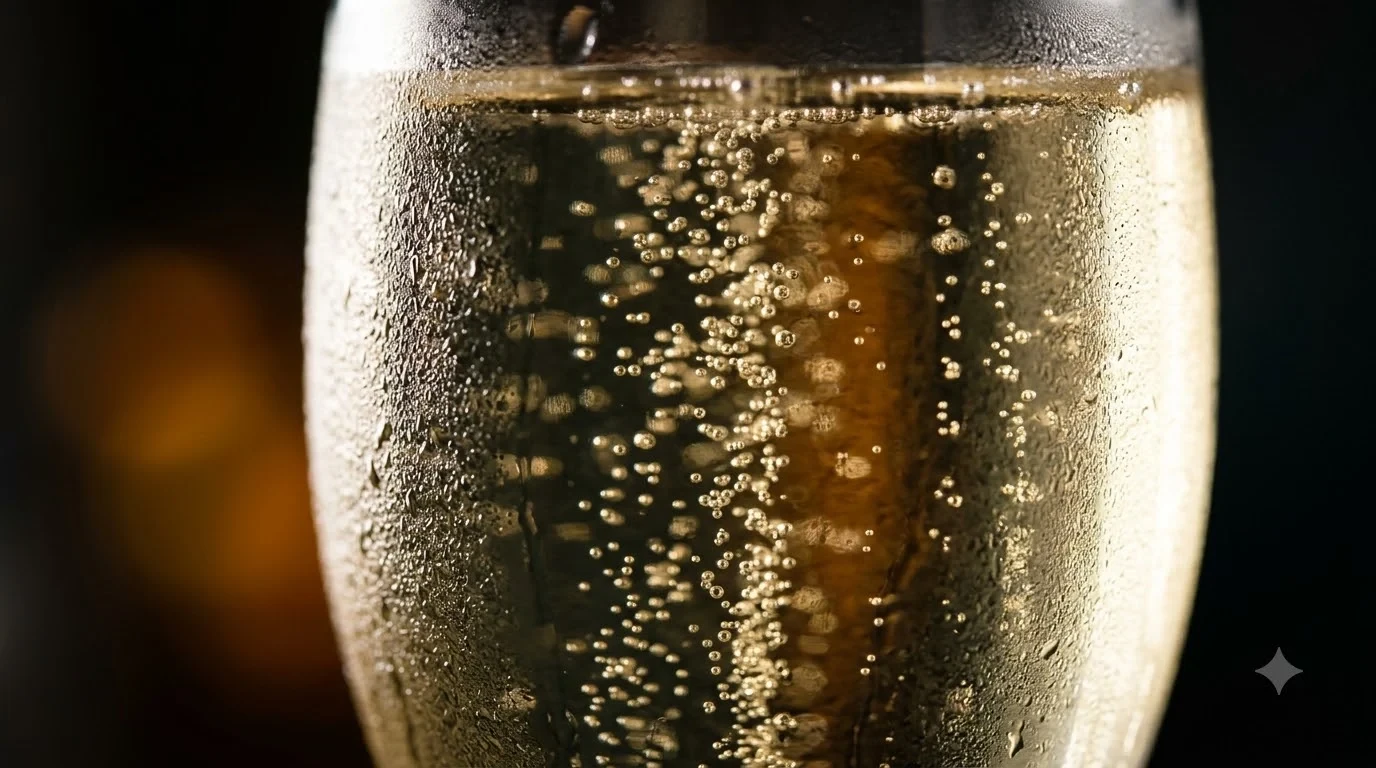
Sparkling wine works with a wide range of food because acidity refreshes the palate, while carbonation adds lift to rich or crisp textures. That combination makes a dry Brut useful with oysters, fried chicken, potato chips, and creamy cheese rather than limiting it to an opening toast.

Think of bubbles as one part of the match, not the whole answer. The wine’s acidity is especially useful with fatty or salty food: a sip after a bite of fried calamari, for example, clears the palate so the next bite feels fresh. Salt can make a dry wine seem softer, which is why salted nuts, olives, potato chips, and cured fish work well with a crisp sparkler.
Sweetness matters just as much. A very dry Brut beside a sweet fruit tart can taste sharp and austere because the dessert makes the wine seem less fruity. Choose a wine at least as sweet as the dish, and remember that acidity helps keep a sweeter sparkling wine lively instead of heavy. For a broad look at how acidity, sweetness, salt, and richness affect matching decisions, see these Wine Pairing basics.
Choose by Sweetness and Production Style
Start by deciding whether the food needs a lean, crisp wine or a rounder bottle with more fruit and body. Brut and Extra Brut suit savory courses, while Extra Dry, Demi-Sec, and Doux offer more sweetness for dishes with fruit, glaze, or dessert-level sugar.
The wording on sparkling labels can be counterintuitive: Extra Dry is sweeter than Brut, and Dry is sweeter still. The usual progression from driest to sweetest is Brut Nature, Extra Brut, Brut, Extra Dry, Dry, Demi-Sec, and Doux. For a savory meal, Brut is a flexible first choice; move toward Demi-Sec for fruit desserts or salty blue cheese. The exact sweetness varies by region and labeling rules, so compare the style designation rather than assuming every bottle tastes alike.
Production method gives another clue to the best dish. Champagne, Cava, and many Crémants use a second fermentation in the bottle, a process that can contribute fine bubbles and bread, biscuit, or pastry notes as the wine spends time on its lees. Prosecco is commonly made by the tank method, which tends to preserve fresh pear, apple, peach, and floral aromas. A bright Prosecco can suit light appetizers, fruit, and delicate seafood; a lees-aged traditional-method wine has the depth to stand beside roast poultry, mushrooms, and aged cheese.
| Style or format | Serving guide | Good starting pairings |
|---|---|---|
| Dry sparkling wine | 40–50°F | Oysters, sushi, fried seafood, salty snacks |
| Sparkling rosé | 45–50°F | Charcuterie, roast chicken, berry salads |
| Sweet sparkling wine | 43–50°F | Fruit tart, crème brûlée, blue cheese |
| 750 mL bottle | About five 5 oz pours | Plan one bottle for five standard glasses |
Serving temperature changes how the wine feels with food. Very cold sparkling wine can hide delicate aromas, while a bottle that warms too much can seem soft and lose some of its refreshing edge. Chill it in advance, then allow a few minutes in the glass if the aromas seem muted. Consider the wine’s texture too: a youthful Brut with sharp citrus suits bright flavors, while mature vintage Champagne with toasted-nut notes can carry richer dishes.
Seafood, Fried Foods, and Salty Snacks
Dry sparkling wine is a reliable match for shellfish, sushi, and crisp fried food because its acidity meets salt and richness without adding weight. Choose a lean Brut for raw seafood and a fuller traditional-method bottle for battered fish, fried chicken, or creamy seafood dishes.
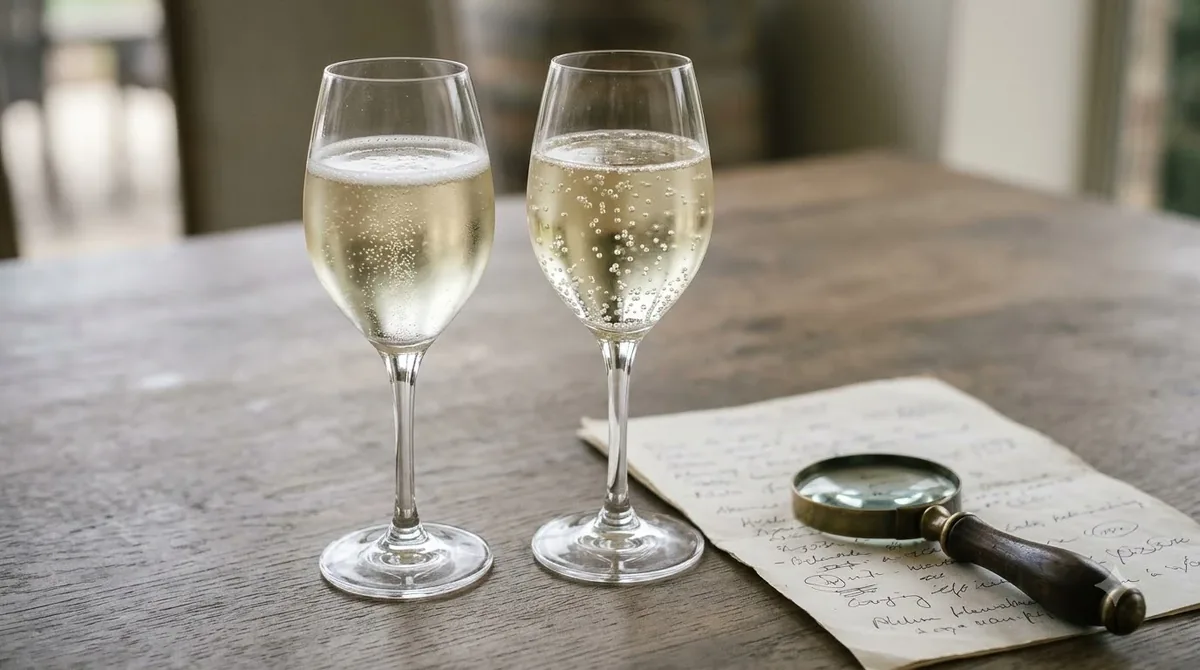
For oysters, shrimp cocktail, scallops, and sashimi, look for a crisp wine with citrus, mineral, or saline notes. Blanc de Blancs Champagne, made from Chardonnay, is a classic direction because its bright profile suits delicate seafood and lemon. A squeeze of lemon or a sharp mignonette adds more acidity, so avoid a very soft, low-acid sparkling wine that may seem flat beside the condiment. Readers comparing still whites for shellfish can also use this Albariño food pairing guide as a useful alternative.
Fried food is another strong match. The contrast between crisp batter and lively bubbles keeps each bite from feeling too heavy, while salt brings the fruit forward. Try Brut with fried oysters, tempura shrimp, fish and chips, fried chicken, or a bowl of shoestring fries. A blanc de blancs can work with shrimp or white fish tempura; a richer blanc de noirs has more body for eel or a sturdier fried filling.
Potato chips, pretzels, salted almonds, popcorn, anchovies, and olives are simple options because salt softens the impression of acidity. Smoked salmon, crème fraîche, dill, and toast points make a composed first course with Brut; keep lemon and vinegar modest. Wine Enthusiast’s sparkling-wine pairing suggestions also include seafood, fried foods, sushi, steak, and fruit desserts.
Cheese, Charcuterie, and Rich Main Courses
Match sparkling wine to the strength and texture of the cheese, not simply to the fact that it is cheese. Fresh mozzarella and young goat cheese suit lighter wines, while aged Comté, Manchego, and mature Cheddar call for a richer sparkling wine with more depth.
Fresh cheeses have delicate flavors and a clean, milky texture, so pair them with a young Brut or Prosecco rather than an intensely yeasty vintage wine. Tangy goat cheese can meet the wine’s acidity, especially when served with herbs, roasted beets, or a little honey. For a regional combination, Chenin-based Crémant de Loire can work with Loire goat cheese; the wine’s freshness supports the cheese without covering its herbal and tart notes.
Aged cheeses need a more substantial partner. Traditional-method Champagne, Cava, and Crémant with lees-aged brioche or toasted-almond character can complement aged Comté, Parmesan, Asiago, and mature Cheddar. Salty blue cheese is a different case: choose an off-dry or Demi-Sec sparkling wine, whose sweetness balances the cheese’s salt and pungency. The bubbles also help refresh the palate between creamy bites. The match depends on the cheese’s age and intensity: young mozzarella needs a lighter wine than aged Comté or Parmesan.
For charcuterie, sparkling rosé brings red-fruit character and enough acidity for prosciutto, salami, pâté, and smoked ham. A Brut rosé also works with roast chicken, duck breast, and mushroom dishes, particularly when the food has a browned or savory crust. For beef, use a fuller, mature sparkling wine rather than a delicate, fruit-forward Prosecco; vintage Champagne with a steak is a less obvious but well-established sommelier pairing. A salty cured meat can make a bone-dry wine taste more approachable, but a sweet glaze or fruit chutney changes the balance. Match the wine’s sweetness to the garnish, and avoid a delicate sparkler with strongly smoked sausage or pâté. For a still-red alternative with grilled meat or tomato-rich dishes, compare this Barbera food pairing guide.
Vegetables, Spice, and Global Flavors
Sparkling wine can handle vegetables that are difficult for still wine, including asparagus and artichokes, especially when they are grilled or served with olive oil. For hot peppers and strongly spiced dishes, choose the bottle carefully because alcohol and tannin can intensify heat rather than calm it.
Artichokes and asparagus are often awkward with wine because their bitter or green flavors can make some still wines taste metallic or harsh. Fresh Cava, particularly a bottle with some lees aging, is a useful match for charred artichokes, roasted white asparagus, or vegetable fritters. Cava also works with paella, risotto, tortilla, olives, jamón, and seafood tapas, making it a natural choice for a mixed table where dishes arrive at different times. Decanter’s Cava pairing examples include vegetable, rice, seafood, salad, and tapas dishes.
For Asian-inspired food, the details matter more than the cuisine label. Dry sparkling wine can work with sushi, tempura, dumplings, and lightly seasoned noodles, but chili oil, gochujang, Sichuan pepper, or hot curry can make alcohol feel hotter. A fruitier sparkling rosé or off-dry style may suit moderate spice, but a very hot dish can still overpower the wine.
Acidic sauces need an equally lively wine. A salad with lemon, vinegar, or a tart citrus dressing is best with sparkling wine whose acidity can keep pace; a soft, low-acid bottle may taste dull beside it. For a richer salad with nuts, roasted squash, cheese, or fruit, Brut rosé can add red-fruit notes while the bubbles keep the combination from feeling dense. Charred mushrooms and eggplant can take on savory, browned flavors that suit aged Cava or traditional-method sparkling wine, while delicate steamed greens need a lighter, fresher bottle. If the menu includes tomato sauce or tangy roasted peppers, remember that sharp acidity in the dish can make a softer wine seem flat.
Desserts and Sweet Pairings
For dessert, choose a sparkling wine that is at least as sweet as the food. Brut is often too dry for cake, pastry, or sweet fruit, while Demi-Sec and Doux can meet richer desserts without seeming sour or thin.
Match the level of sweetness before considering the garnish. A lightly sweet Moscato-style sparkling wine can suit fresh berries, peach desserts, and fruit salad, while Demi-Sec is a stronger choice for apple tart, sponge cake, or crème brûlée. The wine still needs enough acidity to refresh the palate, particularly when the dessert includes cream, custard, or butter. A very sweet dessert beside a dry Brut tends to make the wine taste sharp and less fruity.
For chocolate, choose with care. Dark chocolate can be difficult with high-acid, very dry sparkling wine because bitterness and dryness can exaggerate each other. A sweeter red sparkling wine, such as a Brachetto-style wine, is often a better direction for chocolate-covered strawberries or berry chocolate desserts. For white chocolate or vanilla custard, a sweet sparkling wine with peach, pear, or citrus notes can be a more natural match.
Fruit-based desserts are flexible if the sweetness is balanced. Sparkling rosé pairs well with strawberry shortcake, raspberry meringue, and cherry desserts when the wine has enough fruit to meet the dish. A sweeter rosé can match a berry tart, while a dry rosé may be better with fresh strawberries, salty nuts, or a not-too-sweet pavlova. For a classic finish, serve a Demi-Sec with crème brûlée and a Brut rosé with lightly sweetened meringue and fresh fruit. Cheese can also close the meal: blue cheese with figs or honey needs a sweeter sparkling wine, while aged hard cheese can work with a mature Brut. Treat dessert cheese as a savory course when it is salty and nutty, and as a sweet course when it comes with jam, honey, candied fruit, or a sweet chutney.
Tip: Taste the wine and the strongest-flavored part of the dish together before serving a full glass. If the wine suddenly tastes sour, the food may be sweeter or more acidic than the wine; move to a sweeter or higher-acid bottle rather than changing every dish on the menu.
Frequently Asked Questions
These quick answers cover common choices that can make a sparkling wine dinner easier to plan, from selecting a bottle for a full meal to serving it at the right temperature.
Can sparkling wine be served throughout an entire meal?
Yes. A dry Brut can begin with appetizers, move to seafood or poultry, and continue through a cheese course if the dishes are not too sweet. Restaurants often keep a second, sweeter bottle for dessert rather than asking one dry wine to match two very different sweetness levels. Change to a sweeter bottle for dessert so the final course does not make the wine seem sour.
Is Champagne the only sparkling wine suitable for a formal dinner?
No. Cava, Franciacorta, English sparkling wine, and French Crémant can all suit a formal menu. Crémant is the French category for traditional-method sparkling wines made outside Champagne, with regional names such as Crémant de Loire or Crémant de Bourgogne. Extended lees aging can give these wines toast and pastry notes that work well with rich dishes.
What glass should I use for sparkling wine with food?
A white wine glass is useful when aroma matters because its wider bowl gives the wine more room to open. A flute emphasizes a steady stream of bubbles, while a tulip-shaped sparkling glass offers a middle ground between aroma and effervescence. Avoid filling a broad glass to the rim; leaving space above the wine helps concentrate the aromas.
How long does sparkling wine last after opening?
With a proper sparkling-wine stopper and refrigeration, many bottles keep useful fizz for about one to three days. The wine may lose some pressure before it becomes undrinkable, so reseal it promptly and keep it cold rather than leaving it on the counter. A spoon placed in the bottle neck is not a reliable substitute for a pressure-sealing stopper.
Should sparkling wine be decanted before serving?
Most young sparkling wines are served directly from the bottle because pouring them into a decanter releases carbon dioxide. Some mature, complex bottles may benefit from gentle aeration in a wide glass, but handle them carefully and expect the bubbles to fade more quickly. Decanting should be reserved for bottles whose aged aromas matter more than a lively mousse.
The most useful bottle is the one whose sweetness and weight fit the food on the table. Start with Brut for savory dishes, keep rosé nearby for richer plates, and choose Demi-Sec or Doux when dessert is part of the plan. With those simple choices, sparkling wine can accompany far more than the first toast.
More in Food & Wine Pairing
 Risotto With White Wine Recipe: Make a Creamy Dinner at HomeUpdated Nov 20, 2026
 Wassail With Wine Recipe for a Festive Spiced Holiday DrinkUpdated Nov 20, 2026
 Spritz Veneziano Recipe: Make a Classic Venetian Aperitivo at HomeUpdated Nov 20, 2026
 Summer Wine Punch Recipe for Easy Homemade EntertainingUpdated Nov 20, 2026
 Bishop Recipe: How to Make a Bright, Citrus-Forward Red Wine CocktailUpdated Nov 20, 2026
 Wine Cupcakes Recipe: Bake Rich Chocolate Cupcakes at HomeUpdated Nov 20, 2026