

We may earn a commission when you buy through links on this page, at no extra cost to you. Learn more.
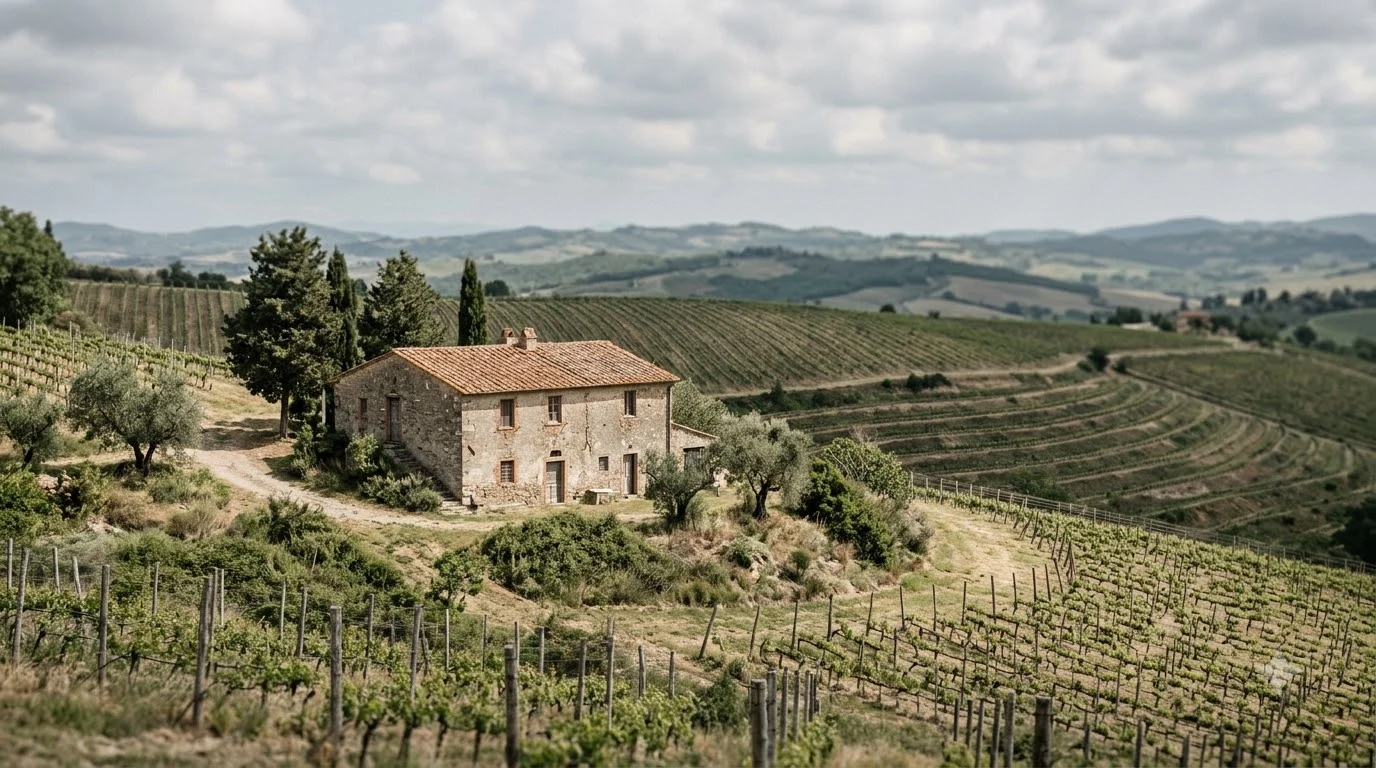
The luxembourg wine region is centered on the Moselle Valley in eastern Luxembourg, where limestone hillsides, clay-rich soils, and a cool continental climate produce distinctive white wines, traditional-method Crémant, and increasingly interesting red wines. Riesling, Pinot Blanc, Auxerrois, Pinot Gris, Elbling, and Rivaner are among its leading varieties. The region is particularly appealing to wine drinkers who enjoy fresh acidity, mineral character, aromatic whites, and sparkling wines with a strong sense of place.
Although Luxembourg is a small European country, its winemaking traditions stretch back to Roman times. Its vineyards occupy a relatively compact landscape along the Moselle River, where historic wine villages, family estates, and cooperatives maintain a distinctive regional identity. Understanding the local geography, grape varieties, and appellation system makes it easier to recognize what distinguishes Luxembourg wines from those of neighboring Germany and France.
Where the Luxembourg Moselle Vineyards Are Located
Luxembourg’s wine production is concentrated in the eastern Moselle Valley, close to the German border. The river creates a natural boundary between the two countries, while its slopes provide the exposure and growing conditions needed for quality wine production.
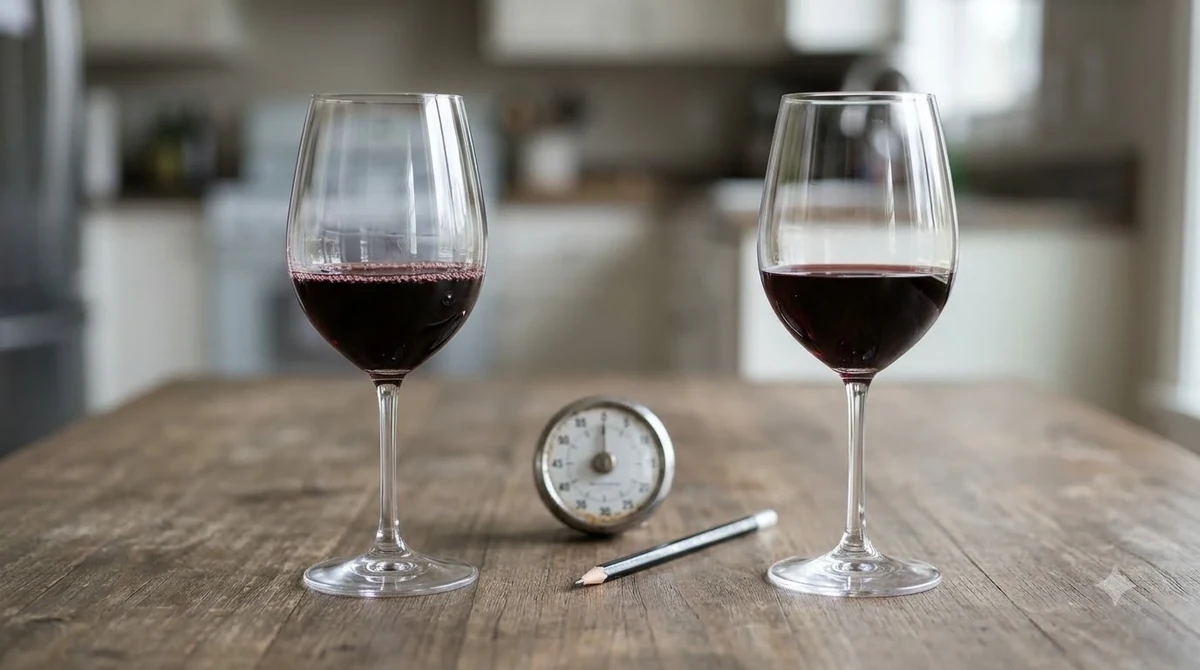
The Luxembourg Moselle extends through a landscape of riverside villages, vineyards, and rolling hills. The Moselle River forms approximately 42 kilometers of natural border between Luxembourg and Germany, and the vineyards are only about 20 kilometers from Luxembourg City. This makes the wine country relatively accessible for visitors staying in the capital.
The principal vineyard landscape stretches between Schengen in the south and Wasserbillig in the north. Schengen is internationally recognized for its connection with European integration, but it is also an important reference point for understanding the southern end of Luxembourg’s wine country. Further north, towns and villages including Remich, Stadtbredimus, Grevenmacher, Wormeldange, and Ahn are closely associated with local wine production.
Luxembourg’s wine country is not a collection of widely separated appellations. Instead, it forms a relatively continuous growing area along the river, with differences in slope, exposure, and soil creating recognizable local variations.
Two important soil environments
The southern section, particularly between Schengen and Greiveldange, generally has gentler slopes and clay-rich soils. These conditions are associated with wines that tend to have a rounder, fuller impression. The landscape gradually changes farther north, where the Grevenmacher canton has more prominent limestone slopes and a narrower valley.
According to Luxembourg’s official regional wine information, the limestone terrain contributes to wines with a more incisive character. This distinction is useful when comparing Riesling, Pinot Blanc, and other varieties from different parts of the Moselle. Soil does not determine flavor on its own, but it is an important part of the region’s identity.
The broader valley geology includes limestone and clayey marl. Combined with hillside exposure and the relatively cool climate, these conditions favor white grapes that retain freshness while developing aromatic complexity.
History, Climate, and the Development of Luxembourg Wine
Luxembourg has a long viticultural history, but its modern wine identity developed through several important stages. Roman-era cultivation, medieval monastery vineyards, twentieth-century diversification, and the introduction of protected wine designations all contributed to the region’s present character.
The Moselle Valley is estimated by Luxembourg’s tourism authorities to have geological origins dating back approximately 250 million years. The Celts, Gauls, and Romans cultivated vines in the area, while monasteries expanded vineyard production during the Middle Ages. Winegrowing subsequently became an important part of the local agricultural economy.
During the late nineteenth century, Elbling was especially important. Luxembourg’s wine industry was closely connected with the German market, and local grape must was used for blending or producing inexpensive sparkling wine. Luxembourg was part of the German Customs Union from 1842, helping explain the historical commercial connections between the two sides of the Moselle.
A major development came in 1925, when the Wine Institute, or Institut Viti-Vinicole, was established in Remich. Its foundation marked an important period of diversification and professional development. Producers increasingly focused on expressing individual grape varieties rather than relying primarily on traditional bulk production.
Modern quality standards
The establishment of the controlled designation for Moselle luxembourgeoise during the 1980s strengthened the connection between geographical origin and wine quality. This system gave producers a framework for distinguishing wines according to their origin and production requirements.
Climate is another defining factor. Luxembourg’s growing season is generally cool enough to preserve acidity in white grapes, while the river and surrounding slopes help create favorable vineyard conditions. These characteristics are especially useful for Riesling, Pinot Blanc, and Crémant production.
The result is a wine culture that shares characteristics with neighboring regions without simply copying them. German Riesling provides a useful comparison, while the Pinot varieties and Crémant production show the influence of northern French winemaking traditions. For additional context, the Savoie wine region offers another example of how cool European growing conditions can produce fresh, food-friendly wines with a strong geographical identity.
The Main White Grapes and Their Wine Styles
White wine is the foundation of Luxembourg’s reputation, and the region offers considerably more variety than Riesling alone. Elbling, Rivaner, Auxerrois, Pinot Blanc, Pinot Gris, Chardonnay, and Gewürztraminer each contribute different aromatic and structural characteristics.
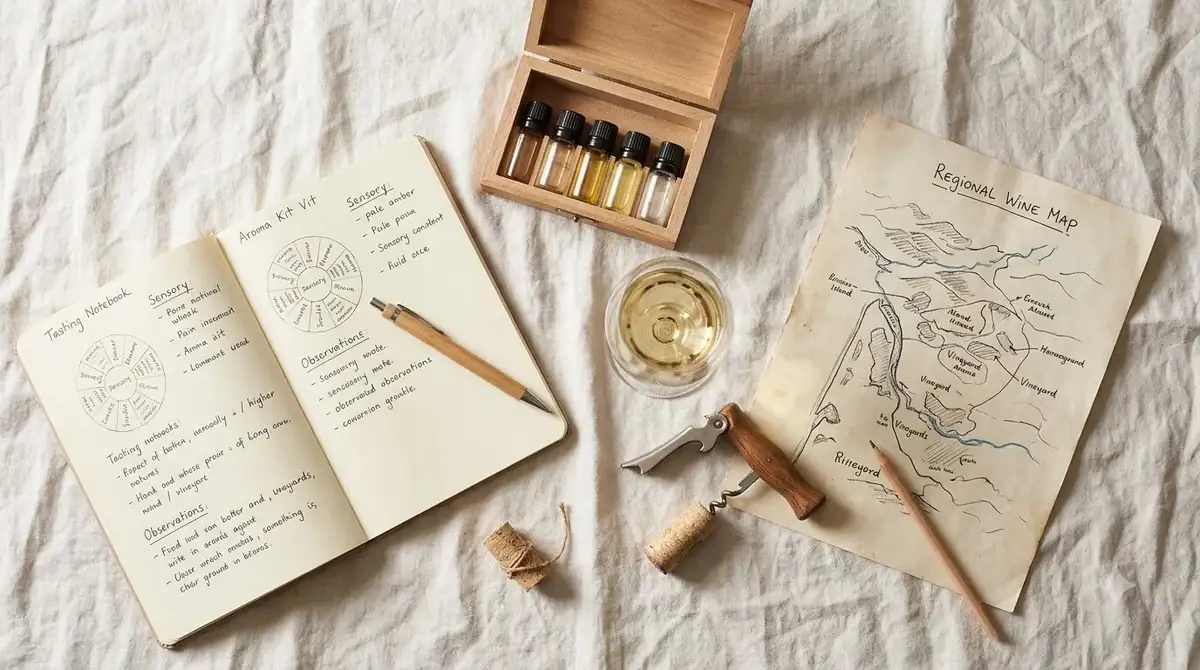
Many Luxembourg whites are produced as single-variety wines, allowing drinkers to identify the differences between grape varieties and vineyard locations. Broadly speaking, Elbling, Pinot Blanc, and Riesling are associated with lively, fresh profiles, while Rivaner, Auxerrois, and Pinot Gris often provide rounder, more aromatic expressions.
| Grape variety | Typical character | Food pairing |
|---|---|---|
| Elbling | Citrus, green apple, gooseberry; lively acidity | Shellfish, salads, fried fish |
| Rivaner | Light, soft, fruity, sometimes muscat-like | Light poultry, mild cheeses |
| Auxerrois | Fresh, mellow, pear, melon, floral notes | Smoked meats, pork, creamy dishes |
| Pinot Blanc | Delicate fruit, citrus, pear, mineral notes | Fish, chicken, egg dishes |
| Pinot Gris | Pear, citrus, nuts, fresh acidity | Roast poultry, fish in sauce |
| Riesling | Citrus, apple, quince, spice, pronounced minerality | Seafood, pork, spicy Asian cuisine |
| Gewürztraminer | Rose, lychee, peach, apricot, honey | Aromatic cheeses, fruit desserts |
| Chardonnay | Light fruit or richer vanilla and toasted notes | Roast chicken, creamy fish dishes |
Elbling and Rivaner
Elbling is one of Luxembourg’s historically significant varieties. It was once closely associated with basic sparkling wine production, but modern examples can be appealing still wines in their own right. Typical aromas include citrus, green apple, gooseberry, redcurrant, and pomegranate. Its lively acidity and relatively light character make it suitable for casual drinking and simple seafood dishes.
Rivaner, also known internationally as Müller-Thurgau, produces a softer and more approachable style. Apple, apricot, peach, and muscat-like notes are common characteristics. It is particularly useful as an introduction to Luxembourg wine because its gentle fruit character does not require extensive tasting experience to appreciate.
Auxerrois and the Pinot varieties
Auxerrois is one of the region’s most interesting alternatives to better-known international grapes. It generally produces mellow but flavorful wines with citrus, melon, stone fruit, and floral aromas. Higher-quality examples can develop additional complexity through barrel maturation and bottle aging. Its relatively delicate acidity makes it particularly suitable for smoked regional foods and dishes containing moderate amounts of fat.
Pinot Blanc offers another versatile option. It can be made into fresh, mineral still wine or used as a base for Crémant. Typical aromas include pear, apple, citrus, and white flowers. Oak-aged examples may develop buttery characteristics without losing their underlying fruit.
Pinot Gris has become particularly important in Luxembourg. According to the country’s official wine information, its cultivated area doubled over the twenty years discussed in the regional grape guide. Its combination of fresh acidity, pear, citrus, and nutty notes makes it a good partner for poultry, richer fish dishes, and traditional regional cooking.
Riesling, Chardonnay, and Gewürztraminer
Riesling is arguably the best-known representative of Luxembourg’s white wines. The variety is particularly associated with the region’s shell-limestone soils, which are linked to its pronounced mineral impression. Citrus, apple, quince, and spice are common aromatic characteristics. Depending on ripeness and production choices, the wine may be bone dry, more rounded, or made in a sweeter late-harvest style.
Chardonnay has also developed a following. Stainless-steel examples can be fresh and fruit-driven, while barrel-aged versions show vanilla, toast, and roasted notes. Gewürztraminer provides a more aromatic contrast, with rose, lychee, peach, apricot, orange, grapefruit, and honey characteristics. It is particularly suitable for cheese courses and dishes with fragrant spices.
For a comparison with another cool-climate wine-producing country, the Switzerland wine region also demonstrates the importance of regional white grapes and varied alpine-influenced growing environments.
Crémant de Luxembourg and Traditional Sparkling Wine
Crémant de Luxembourg is one of the country’s most recognizable wine specialties. It is a traditional-method sparkling wine made from local grapes, and its quality is protected through specific production requirements rather than relying on the word Crémant alone.
The designation has been used for qualifying Luxembourg sparkling wines since 1991. Its development gave local producers a recognizable identity in the wider European sparkling wine market. Both white and rosé versions are produced, with single-variety bottlings and blends offering different combinations of fruit, acidity, and texture.
How Crémant is produced
The most important technical distinction is its production method. Crémant undergoes a second alcoholic fermentation in the bottle, the same broad method used for Champagne and Cava. This fermentation creates the carbon dioxide responsible for the wine’s bubbles.
According to Luxembourg’s official AOP requirements, the grapes must be harvested by hand. The grapes are pressed whole or after destemming, and producers may obtain no more than 100 liters of must from 150 kilograms of grapes. This extraction limit helps establish a controlled approach to juice production.
Another important requirement is lees aging. The sparkling wine must remain on its lees for at least nine uninterrupted months in the same winery. Afterward, disgorgement separates the wine from the accumulated yeast sediment. The process contributes to the wine’s texture and can introduce subtle bread, pastry, or brioche characteristics.
These requirements help distinguish Crémant de Luxembourg from ordinary sparkling wine. The combination of local grape varieties, bottle fermentation, and controlled production standards gives it a recognizable regional identity. The official Luxembourg AOP grape and Crémant regulations provide further details about the permitted production conditions.
Styles and serving recommendations
Crémant is available in white and rosé styles. White versions can be crisp and citrus-driven, while rosé bottlings often show red-fruit and floral notes. Pinot Blanc, Riesling, and Pinot Noir are among the grapes that contribute to local sparkling wine production.
For a standard dry style, expect refreshing acidity and a lively mousse. Crémant works well as an aperitif, but it is equally useful at the table. Its acidity can balance fried foods, seafood, and richer appetizers. Rosé versions are especially versatile with salmon, poultry, and charcuterie.
Serve Luxembourg Crémant at approximately 40–50°F. This temperature helps preserve its freshness and makes the bubbles feel crisp without suppressing all of its aromas. A standard 5-ounce pour is appropriate for a sparkling wine tasting, although smaller pours are useful when comparing several cuvées.
Tip: When choosing your first Luxembourg sparkling wine, start with a Brut Crémant. Its dry, refreshing style provides a useful introduction to the region’s grape varieties and traditional bottle-fermentation method. Try a rosé version afterward to compare its red-fruit character and food-pairing possibilities.
Red Wines, Rosé, and Luxembourg’s Specialty Bottlings
Luxembourg may be best known for white wine and Crémant, but its smaller red wine category deserves attention. Pinot Noir is the most prominent red variety, supported by Saint Laurent, Pinot Noir Précoce, and Gamay.
Pinot Noir is particularly versatile in Luxembourg. It can produce red wine, rosé, and sparkling wine base material. Still red examples typically show red-fruit aromas, while more developed versions can display black cherry, blackberry, and plum characteristics. Oak maturation may introduce vanilla and toasted notes.
Saint Laurent is another interesting variety. Its darker color and more intense fruit profile distinguish it from lighter Pinot Noir styles. Wild berries, sour cherries, plums, and hints of bitter chocolate can appear as the wine matures. Gamay provides another option for lighter, fruit-oriented red wines.
Understanding the red wine profile
Luxembourg’s official wine information describes red wines as generally containing less than 5 grams per liter of residual sugar, with alcohol levels commonly around 12% to 13.5% by volume in the AOP grape information. Some broader regional descriptions give a range reaching 14% alcohol.
Production methods vary. Stainless-steel maturation can preserve freshness and fruit, while oak barrels or larger wooden vessels can contribute additional texture and complexity. Pinot Noir is especially suitable for these different approaches because it can produce both accessible fruit-driven wines and more structured bottlings.
Serve lighter Luxembourg Pinot Noir at 55–60°F. It can work with roast chicken, duck, pork, mushrooms, and moderately rich meat dishes. Its generally lower-to-medium tannin makes it more flexible than heavily structured Cabernet Sauvignon or Syrah.
Rosé and limited-production wines
Local rosé wines are made using Pinot Noir, Saint Laurent, and Gamay, or by blending qualifying AOP white and red wines. Their typical style is fresh and fruity, with a light salmon-pink appearance and aromas of red berries and flowers.
Luxembourg also produces several specialty wines in small quantities and only in suitable vintages. These include Vendange tardive, or late-harvest wine; Vin de paille, or straw wine; and Vin de glace, or ice wine. Each depends on particular harvesting and grape-concentration conditions, so availability is considerably more limited than that of ordinary dry white wines.
Late-harvest Riesling is especially interesting because the grape’s natural acidity can balance the concentrated sweetness. These wines can accompany fruit desserts, blue cheese, and aromatic cheeses. As with any sweet wine, the wine should be at least as sweet as the dessert to avoid tasting thin or excessively acidic.
Luxembourg Wine Appellations, Food Pairings, and Visiting the Region
The AOP Moselle luxembourgeoise designation connects the wine to a defined geographical area and production standards. Understanding its terminology helps consumers identify different levels of geographical specificity and recognize why two wines made from the same grape can offer different expressions.
The protected area extends from Schengen toward Wasserbillig and also includes vineyards near Rosport. The geographical designation covers the principal Luxembourg Moselle wine-growing landscape rather than a single village or vineyard.
Understanding the AOP classifications
Luxembourg’s wine classification includes several geographical and quality indications. The distinctions are useful when comparing bottles because they communicate something about the origin and production requirements of the wine.
- Lieu-dit: Identifies wines from strictly delimited vineyard sites considered among the best terroirs of the Luxembourg Moselle.
- Coteaux de: Identifies regional quality wines with typical characteristics of their named area.
- Côtes de: Identifies balanced, approachable wines intended for everyday enjoyment.
- Crémant de Luxembourg: Identifies qualifying white and rosé traditional-method sparkling wines.
The AOP system also requires wines marketed under the protected designation to comply with the applicable specifications and undergo chemical and sensory assessment. The designation therefore provides more than a geographical description: it connects origin with regulated quality controls.
Food pairings for Luxembourg wines
Food pairing is relatively straightforward because many Luxembourg wines combine moderate body with refreshing acidity. Riesling and Elbling are particularly useful with seafood, shellfish, and dishes containing citrus or fresh herbs. Their acidity helps balance fatty sauces and foods with a noticeable acidic component.
Pinot Blanc is a natural partner for white fish, poultry, and egg dishes. Auxerrois works especially well with smoked meats and Luxembourg specialties because its softer acidity and rounded fruit complement savory flavors. Pinot Gris is a good choice for roast chicken, pork, and fish served with cream-based sauces.
For more aromatic dishes, Gewürztraminer can accompany spiced poultry, aromatic cheeses, and fruit-based desserts. Its pronounced floral and tropical fruit aromas make it particularly suitable for meals containing ginger, mild curry spices, or fragrant herbs.
Crémant is an excellent match for fried appetizers, seafood, and salty snacks. Its bubbles and acidity refresh the palate between bites. Pinot Noir is better suited to duck, pork, mushrooms, and roast meats than to delicate oily fish, where firm red-wine tannins can create an unpleasant combination.
Exploring the Moselle wine villages
Visiting the Luxembourg Moselle is an opportunity to experience both wine and landscape. The villages of Remich, Wormeldange, Ahn, Stadtbredimus, and Grevenmacher provide convenient starting points for vineyard visits and tastings. More than 40 cellars and estates in the region welcome visitors interested in discovering local wines.
The 4.8-kilometer Crémant circular walking trail passes through Wellenstein, Bech-Kleinmacher, and Schwebsange. It provides a focused introduction to the villages and vineyards associated with local sparkling wine production. For a longer walk, the 8.4-kilometer Wine and Nature Path at Palmberg Ahn passes limestone formations and vineyard landscapes overlooking the Moselle Valley.
Visitors can also explore the valley by bicycle or boat. The river landscape and its wine villages make it possible to combine cellar visits with outdoor activities. Seasonal tastings and local gastronomic events offer further opportunities to sample regional specialties alongside wines from different producers.
Fiederwäissen is another traditional experience worth looking for during autumn. This slightly cloudy, sweet, partially fermented new wine is served as a seasonal specialty, often alongside onion tart. It offers a very different experience from finished Riesling or Crémant and provides a glimpse into the local harvest culture.
For readers interested in exploring other cool-climate wine destinations, the Tasmania wine region provides an interesting comparison through its emphasis on fresh white wines and traditional-method sparkling production. More regional comparisons are available in our broader Wine Regions collection.
Frequently Asked Questions
Is Luxembourg wine produced in the same region as German Mosel wine?
No. Luxembourg’s Moselle vineyards form a separate national wine-growing area on the western side of the river, while Germany’s Mosel wine region is across the border. The two areas share the river landscape and some grape varieties, but their wine appellations and production regulations are distinct. The Luxembourg designation is Moselle luxembourgeoise.
What does the word Rivaner mean on a Luxembourg wine label?
Rivaner is the regional name commonly used for Müller-Thurgau. The grape was created by Swiss viticulturist Hermann Müller, who came from the canton of Thurgau. It is generally associated with approachable wines featuring apple, peach, apricot, and gentle aromatic notes.
Can Luxembourg Riesling be sweet rather than dry?
Yes. Luxembourg produces Riesling in dry styles as well as specialty late-harvest and ice-wine expressions. The latter are made in limited quantities under suitable conditions. Natural acidity helps balance the concentrated sweetness and preserves freshness.
What is Fiederwäissen, and when is it available?
Fiederwäissen is a young, partially fermented wine made from the current grape harvest. Its cloudy appearance comes from active yeast still suspended in the liquid. It is a seasonal autumn specialty rather than a finished wine intended for long-term storage.
Does Luxembourg have a separate sparkling wine designation from Champagne?
Yes. Crémant de Luxembourg is its own protected designation, introduced for qualifying sparkling wines in 1991. Unlike Champagne, which is restricted to its own geographical production area and permitted grape varieties, Luxembourg Crémant can use local varieties including Riesling. Its production nevertheless follows strict traditional-method requirements.
The Luxembourg wine region offers much more than its reputation for Riesling and sparkling wine suggests. Its combination of limestone and clay soils, distinctive white grapes, regulated Crémant production, and smaller-scale red and specialty wines makes the Moselle a rewarding region to explore. For anyone interested in fresh European wines with a clear sense of place, Luxembourg deserves a place alongside its better-known neighbors.
More in Wine Regions
 Willcox Wine Trail: Discover Arizona’s High-Elevation Wine CountryUpdated Nov 20, 2026
 Yakima Valley Wine Region: Find the Best Styles to TryUpdated Nov 20, 2026
 Vosne Romanee Wine Tasting: Identify Aromas and Choose Better PairingsUpdated Nov 20, 2026
 Yakima Valley Wine Festival: Find the Best Seasonal Wine EventsUpdated Nov 20, 2026
 Wales Vineyards: Discover Cool-Climate Wines and Where to VisitUpdated Nov 20, 2026
 Yountville Wine Festival: Discover Napa Wines and Local FoodUpdated Nov 20, 2026