

We may earn a commission when you buy through links on this page, at no extra cost to you. Learn more.
The luxembourg wine festival is the Grevenmacher Grape and Wine Festival, a three-day September celebration featuring Luxembourg wine tastings, the crowning of the Wine Queen, traditional parades, live music, and fireworks along the Moselle River. Known locally as Gréiwemaacher Drauwen-a Wäifest, this popular event takes place in Grevenmacher, one of Luxembourg’s historic wine-growing towns. It offers visitors an opportunity to experience regional wine culture, discover local Crémants and white wines, and enjoy the traditions surrounding the annual grape harvest.
Luxembourg’s Moselle region has a distinctive wine identity shaped by its river valley, limestone slopes, and centuries of viticulture. The September festivities bring that heritage into the streets, combining wine appreciation with music, folklore, and community celebrations. Whether you are planning a dedicated wine trip or adding a festival weekend to a wider European itinerary, understanding the main events, local wine styles, and surrounding wine villages will help you make the most of your visit. The official Luxembourg wine and grape festivals overview provides additional information about the country’s seasonal celebrations.
What Makes the Grevenmacher Wine Festival Special?
The Grevenmacher Grape and Wine Festival is the centerpiece of Luxembourg’s September wine celebrations. It combines a traditional winegrowers’ gathering with public entertainment, making it an appealing event for both dedicated wine enthusiasts and visitors who simply want to experience Luxembourgish culture.
The festival’s official name is Gréiwemaacher Drauwen-a Wäifest, which translates roughly as Grevenmacher Grape and Wine Festival. It is also commonly called the Maacher Wäifest. The celebration traditionally takes place during the second weekend of September, when the Moselle wine-growing community turns its attention toward the harvest season. Luxembourg’s official tourism information describes it as the country’s biggest wine festival, attracting thousands of visitors.
One of its most distinctive traditions is the coronation of the Luxembourg Wine Queen, known in Luxembourgish as the Lëtzebuerger Wäikinnigin. This ceremony marks the official beginning of the festivities and recognizes the cultural importance of wine production in the country. The Wine Queen is accompanied by princesses and represents Luxembourg’s wine-growing traditions at public appearances and celebrations.
Wine is only one part of the experience. The streets fill with music groups, decorated floats, entertainment, and traditional processions. Visitors can enjoy regional wines and Crémants while experiencing a celebration that connects local winemakers, residents, and international guests.
The event also has a long history. The Luxembourg government identifies the Maacher Wäifest as one of the country’s oldest winemakers’ festivals, with its 75th anniversary celebrated in 2025. That history helps explain why the event is more than a seasonal party: it is an established part of the Moselle’s cultural calendar.
For visitors who want to understand Luxembourg’s broader wine culture, the festival is an excellent introduction. It brings together the region’s wine producers, traditional celebrations, and local specialties in one accessible setting.
When and Where to Attend the Celebrations
The main Luxembourg wine festival takes place in Grevenmacher, a Moselle town in eastern Luxembourg. The traditional September schedule makes it possible to combine the festival with visits to nearby wine villages and vineyards.
Grevenmacher sits beside the Moselle River, which forms the natural border between Luxembourg and Germany. Its position within the wine-growing valley makes it a convenient base for exploring the surrounding vineyards and neighboring communities. The main festival activities are centered around the town, including the Centre Culturel Machera and public areas such as Laangwiss.
The 2026 official programme provides a useful example of how the three-day celebration is organized:
| Day | Event | Scheduled time |
|---|---|---|
| Friday, September 11 | Luxembourg Wine Queen coronation | 8 p.m. |
| Friday, September 11 | After-coronation party | 10 p.m.-3 a.m. |
| Saturday, September 12 | Concerts and entertainment | 3 p.m.-3 a.m. |
| Saturday, September 12 | Showband parade | 7:30 p.m. |
| Saturday, September 12 | Torchlight procession | 9:30 p.m. |
| Saturday, September 12 | Fireworks over the Moselle | 10 p.m. |
| Sunday, September 13 | Concerts and entertainment | 10:30 a.m. onward |
| Sunday, September 13 | Kondschafter um Tour folkloric parade | 3 p.m. |
These scheduled times come from the official 2026 festival programme and provide a useful picture of the event’s structure. Future editions may have different dates, performers, or activities, so visitors should consult the festival organizer’s published schedule before making travel arrangements.
Grevenmacher is also well positioned for exploring the wider Luxembourg Moselle. The river valley stretches approximately 42 kilometers between Schengen and Wasserbillig. This relatively compact wine-growing area makes it practical to visit several wine villages during a longer weekend.
Visitors arriving from Luxembourg City can plan their journey by public transport or car. Public transportation is a practical option for people who intend to enjoy wine tastings. Drivers should arrange a designated driver and plan parking before arriving, particularly during the Saturday evening celebrations when attendance and traffic can increase.
Tip: Plan your arrival around the Friday Wine Queen coronation or Saturday evening parade and fireworks. These are signature moments of the festival, and arriving earlier gives you more time to explore the town and find a comfortable viewing position.
What Happens During the Three-Day Festival?
Each day has a different emphasis, from the formal Wine Queen coronation on Friday to the major street celebrations on Saturday and the traditional folkloric parade on Sunday. Planning around these highlights makes it easier to experience the festival without rushing between activities.
Friday: The Wine Queen Coronation
Friday is centered on the coronation of the Luxembourg Wine Queen. The ceremony is held at Centre Culturel Machera and officially opens the festival. It celebrates the people and traditions behind Luxembourg’s wine industry while introducing the figure who will represent the country’s wine culture.
The coronation is followed by an after-party, giving visitors an opportunity to continue celebrating into the night. For wine enthusiasts, Friday is a particularly interesting time to appreciate the cultural significance of the festival before the busier weekend street programme begins.
Saturday: Music, Parades, and Fireworks
Saturday is generally the most action-packed day. Concerts and entertainment take place throughout Grevenmacher, creating a festive atmosphere for families, local residents, and international visitors.
The showband parade is a major attraction. Music groups bring movement and sound to the streets, while the evening torchlight procession adds a traditional element to the celebrations. The fireworks display over the Moselle at 10 p.m. provides one of the weekend’s most recognizable visual highlights.
Visitors interested in photography should arrive early and consider a location with an unobstructed view of the river. The combination of the Moselle waterfront and evening fireworks gives the festival a distinctive setting.
Sunday: The Traditional Procession
Sunday features the Kondschafter um Tour, the festival’s folkloric parade. The procession includes the Wine Queen, Bacchus, international music groups, and elaborately decorated carriages and floats.
The parade connects the wine celebration with the region’s traditional customs. It is particularly appealing to visitors interested in local history, costumes, and community traditions. Sunday also offers another opportunity to enjoy music and explore the festival atmosphere at a more relaxed pace than Saturday night.
The three days work well as a complete experience, but visitors with limited time can still enjoy a substantial part of the celebration by attending the Friday coronation or concentrating on Saturday’s evening programme and Sunday procession.
Luxembourg Wines and Crémants to Discover
The festival is an excellent introduction to the wines of the Luxembourg Moselle, a region especially known for aromatic white wines and traditional-method sparkling wines. Visitors should pay particular attention to Riesling, Auxerrois, Pinot Gris, and Luxembourg Crémant.
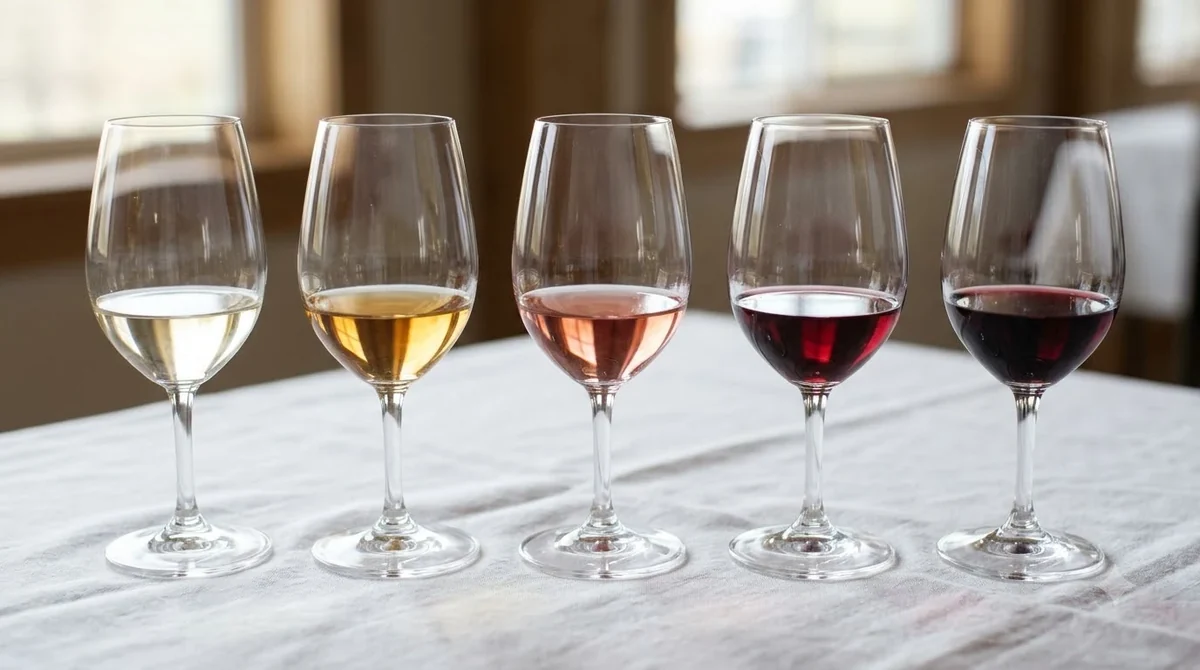
Luxembourg’s Moselle wine region benefits from a mild climate and a landscape shaped by limestone hills. These conditions support the production of fresh, structured wines, especially whites. The protected designation of origin, Moselle Luxembourgeoise, identifies wines associated with the country’s recognized wine-growing area. The government’s overview of Luxembourg’s vineyards and grape varieties provides further details about the region’s wine styles and production traditions.
Riesling
Riesling is one of the most important grapes in the Luxembourg Moselle. It is particularly appreciated for its lively acidity, mineral character, and expressive fruit aromas. Depending on the producer and style, visitors may encounter citrus, green apple, stone fruit, and floral notes.
Its acidity makes Riesling a flexible food-pairing wine. It works particularly well with freshwater fish, seafood, and dishes featuring lemon or herbs. For visitors who enjoy wines with freshness and definition, a dry Luxembourg Riesling is an excellent starting point.
Auxerrois
Auxerrois is another important white grape in Luxembourg. Compared with Riesling, it often has a softer acidity and a rounded texture. Typical flavor impressions can include apple, pear, and subtle floral notes.
Its approachable character makes Auxerrois a useful choice for visitors who prefer less sharply acidic white wines. It pairs naturally with mild cheeses, poultry, freshwater fish, and lighter regional dishes.
Pinot Gris
Pinot Gris can offer a fuller texture and richer fruit profile. Depending on the wine’s style, aromas may include ripe pear, peach, citrus, and subtle spice. It is a good option for visitors who enjoy white wines with more body.
Pair it with roasted poultry, creamy mushroom dishes, or richer fish preparations. Its additional weight can stand up to foods that might overwhelm a particularly delicate white wine.
Luxembourg Crémant
Crémant is one of the country’s best-known sparkling wine categories. Luxembourg Crémant is produced using the traditional method, with its second fermentation taking place in the bottle. This technique creates the fine bubbles and developed texture associated with bottle-fermented sparkling wine.
Crémant is a natural choice for a celebration, whether enjoyed as an aperitif or paired with appetizers. Brut styles are particularly versatile with salty snacks, seafood, and fried foods because their acidity and bubbles refresh the palate.
Specialty Wines
The Luxembourg Moselle also produces distinctive specialty wines. Late-harvest wines offer concentrated fruit character and can range from relatively balanced to distinctly sweet. Straw wine is made from grapes dried after harvesting, concentrating their sugars and flavors. Ice wine is produced from grapes harvested and pressed while frozen under suitable conditions.
These wines are especially interesting for visitors who want to explore more than the region’s everyday dry whites. Their sweetness makes them suitable companions for fruit desserts, pastries, and selected cheeses.
The festival’s Cuvée de la Reine is another wine-related highlight. Associated with the Wine Queen and the celebration, it gives the event a recognizable commemorative specialty. Visitors can ask participating wine stands about its availability and the local producers represented during the festival.
Food Pairings and Practical Wine-Tasting Advice
Food is an important part of enjoying Luxembourg’s wine festival, and regional white wines provide plenty of pairing opportunities. The best approach is to choose dishes that complement the acidity, body, sweetness, and texture of the wines being served.
For example, Riesling is an excellent match for fish dishes and shellfish. Its high acidity helps balance the natural richness of seafood, while its aromatic profile complements herbs and citrus. Auxerrois is a gentler alternative for mild cheeses, poultry, and lightly seasoned dishes.
Pinot Gris can accompany richer food, including roast chicken, creamy sauces, and mushroom preparations. Crémant works well with appetizers, salty snacks, and lighter fried foods. If a dessert wine is available, choose a dessert that is no sweeter than the wine itself so the wine does not taste overly sharp.
Visitors should also pay attention to serving temperatures. Sparkling wines generally show well at 40-50 degrees Fahrenheit, while light white wines are best around 45-50 degrees. Fuller white wines benefit from slightly warmer service at 50-55 degrees Fahrenheit.
| Wine style | Recommended serving temperature | Food pairing idea |
|---|---|---|
| Luxembourg Riesling | 45-50 F | Fish, shellfish, lemon-herb dishes |
| Auxerrois | 45-50 F | Mild cheese, poultry, freshwater fish |
| Pinot Gris | 50-55 F | Roasted poultry, creamy mushrooms |
| Luxembourg Crémant | 40-50 F | Salty appetizers, seafood, fried foods |
| Late-harvest white wine | 43-50 F | Fruit desserts, blue cheese |
When sampling several wines, begin with sparkling and lighter dry whites before moving toward fuller or sweeter styles. This progression makes it easier to appreciate differences in acidity, texture, and aromatic intensity. A small notebook or phone note can also help you remember producers and grape varieties you particularly enjoy.
Visitors should pace their tastings and take breaks between samples. Drinking water and enjoying the food and entertainment are practical ways to make a full festival day more comfortable.
Visitors who want to learn more about regional wine styles can explore our broader collection of Wine Regions. Understanding the differences between grape varieties and growing areas makes a festival tasting more rewarding.
Other Luxembourg Wine Festivals Worth Visiting
The Grevenmacher celebration is the country’s headline wine festival, but the Luxembourg Moselle has a full calendar of smaller events. Visiting more than one celebration provides a broader understanding of the region’s grape varieties, villages, and winemaking traditions.
One of the best alternatives is the Riesling Open in Wormeldange, traditionally held during September. The event focuses on Riesling, with participating wineries opening their cellars for visitors. Tastings, vineyard scenery, and the coronation of the Riesling Queen give this celebration a more grape-specific identity than the Grevenmacher festival.
Another worthwhile stop is Éiner Wënzerdag in Ehnen, held during July. The event takes place in the historic wine village, where visitors can sample new vintages, explore wine stands, and enjoy the atmosphere around traditional winemakers’ houses. Local brass bands and regional artistic activities contribute to its village-festival character.
In August, Picadilly in Stadtbredimus provides a livelier alternative. Its programme includes Luxembourg wines and Crémants, live concerts, and international food. The event is also known for Picadilly wine, a sparkling, sweet, and refreshing drink made with wine and blackcurrant.
Schengen offers another interesting experience through its Pinotsfest and the October Hunnefeier. The latter marks the end of the annual grape harvest. Its name refers to an old tradition in which the first winegrower to finish harvesting received a rooster as a prize. The modern celebration includes local crafts, entertainment, and the traditional Schengener Hinnchen, a handcrafted clay rooster.
Wine Taste Enjoy is particularly useful for visitors who want to explore several wineries rather than remain in one town. Held over Pentecost weekend, the event opens participating wineries and distilleries across the Luxembourg Moselle. Visitors can combine cellar visits with participating museums, nature conservation centers, and outdoor spaces.
For American visitors familiar with regional celebrations such as the Indiana wine festival, the Luxembourg Moselle offers a different experience centered on European wine-growing villages and historic vineyard landscapes. Those interested in comparing wine-country celebrations can also explore the Livermore wine festival and its California wine-country setting.
These events demonstrate that Luxembourg’s wine calendar extends beyond September. A summer visit can focus on village wine festivals, while an autumn itinerary can combine the Grevenmacher celebration with Riesling-focused tastings and harvest traditions.
Planning Your Visit to Grevenmacher and the Moselle
A successful festival visit involves more than choosing the right weekend. Accommodation, transportation, event timing, and winery reservations all affect how much you can comfortably experience during a short stay.
Grevenmacher is a practical starting point because the principal festival activities take place in town. Staying nearby reduces the need to travel after evening concerts or fireworks. Alternatively, visitors can stay in Luxembourg City and make a dedicated trip to the Moselle, provided they plan their return journey in advance.
Build a Three-Day Itinerary
A Friday-to-Sunday itinerary provides enough time to experience the main festival programme and explore the surrounding wine region.
Friday: Arrive in Grevenmacher during the afternoon, settle into your accommodation, and explore the town before attending the 8 p.m. Wine Queen coronation. The after-party provides an opportunity to enjoy the opening-night atmosphere.
Saturday: Spend the morning exploring the Moselle area or visiting a winery with an advance reservation. Return to Grevenmacher for the afternoon concerts, then attend the showband parade, torchlight procession, and fireworks. Keep the evening flexible so you can enjoy the main events without rushing.
Sunday: Enjoy a relaxed morning in town before finding a suitable viewing position for the 3 p.m. folkloric parade. If time allows, extend the visit with a walk along the river or a short trip through nearby vineyard villages.
Explore the Wine Villages
The Moselle region is compact enough to support several short excursions. Ehnen is a particularly attractive stop for visitors interested in traditional wine-growing architecture and village culture. Wormeldange is a natural choice for Riesling enthusiasts, while Schengen combines wine heritage with important European history.
The Luxembourg government also highlights guided vineyard experiences in the region. One guided wine tour concludes with a tasting of four local wines, while the Kanecher Wéngertsbierg Tour includes a 5-kilometer walk and an opportunity to sample still or sparkling wine.
These experiences are useful additions for travelers who want to understand the relationship between landscape, vineyard management, and the wines served at the festival.
Arrange Tastings and Transportation
Advance reservations are sensible when planning cellar visits, particularly during busy festival weekends. Some wineries welcome walk-in visitors, but group tastings and specific time slots may require arrangements ahead of arrival.
For wider regional exploration, Wine Taste Enjoy offers an opportunity to visit participating wine villages and wineries during one event weekend. Check the organizer’s transport information before planning several tasting stops. During the Grevenmacher festival itself, check local transport information and event announcements for any special arrangements.
It is also useful to bring comfortable walking shoes, a light jacket for cooler September evenings, and a small bag for personal essentials. Outdoor events can continue into the night, and the weather beside the Moselle may feel cooler than during the afternoon.
Travelers comparing different wine celebrations can also consider the Utah wine festival, which offers another perspective on regional wine culture. For Luxembourg, however, the defining attraction is the combination of traditional Moselle wine production, village festivities, and the distinctive Wine Queen ceremony.
Frequently Asked Questions
Is the Luxembourg Wine Festival suitable for visitors who do not drink wine?
Yes. The Grevenmacher festival includes international music groups, parades, fireworks, and public entertainment that do not require wine tasting. Families and visitors interested in Luxembourgish folklore can enjoy the celebrations without participating in alcoholic tastings. The Sunday procession is particularly interesting for people who want to experience the cultural side of the event.
What does Gréiwemaacher Drauwen-a Wäifest mean in English?
The Luxembourgish name translates approximately as Grevenmacher Grape and Wine Festival. Drauwen refers to grapes, while Wäifest refers to a wine festival. The word Maacher in the shorter name Maacher Wäifest refers to Grevenmacher in local usage.
What is the Cuvée de la Reine?
The Cuvée de la Reine is a special wine associated with the Luxembourg Wine Queen and the Grevenmacher celebration. It serves as a commemorative festival specialty rather than simply another name for the region’s everyday wines. Visitors can ask participating stands about its availability and the particular bottling offered during an edition.
What is Fiederwäissen in Luxembourg?
Fiederwäissen is a young wine that is still fermenting, traditionally enjoyed during the grape harvest season. Its character differs from fully fermented bottled wine because fermentation has not finished. It is particularly associated with autumn celebrations such as the Hunnefeier in Schengen.
Why is the Luxembourg Wine Queen important to local winemaking?
The Wine Queen represents Luxembourg’s wine-growing heritage at festivals and public events. The role helps maintain the connection between winemaking communities and the country’s wider cultural identity. The coronation at Grevenmacher is therefore both a ceremonial event and a symbolic recognition of the people involved in the wine industry.
The Luxembourg Wine Festival in Grevenmacher is one of the most distinctive ways to experience the country’s Moselle wine heritage. Its September celebrations combine regional wines, the Wine Queen coronation, traditional parades, live music, and fireworks in a memorable three-day programme. Add a visit to Wormeldange, Ehnen, or Schengen, and the festival becomes an excellent introduction to Luxembourg’s vineyards, wine traditions, and welcoming village culture.
More in Wine Regions
 Willcox Wine Trail: Discover Arizona’s High-Elevation Wine CountryUpdated Nov 20, 2026
 Yakima Valley Wine Region: Find the Best Styles to TryUpdated Nov 20, 2026
 Vosne Romanee Wine Tasting: Identify Aromas and Choose Better PairingsUpdated Nov 20, 2026
 Yakima Valley Wine Festival: Find the Best Seasonal Wine EventsUpdated Nov 20, 2026
 Wales Vineyards: Discover Cool-Climate Wines and Where to VisitUpdated Nov 20, 2026
 Yountville Wine Festival: Discover Napa Wines and Local FoodUpdated Nov 20, 2026