

We may earn a commission when you buy through links on this page, at no extra cost to you. Learn more.
Luigi Bosca red wine is an Argentine wine collection from Mendoza, best known for expressive Malbec with dark and red fruit flavors, balanced acidity, and integrated oak character. The winery also produces Cabernet Sauvignon, Cabernet Franc, and red blends with different levels of tannin, structure, and complexity. Understanding its grape varieties, Mendoza vineyard origins, and winemaking styles makes choosing the right bottle easier.
Argentina has become particularly associated with Malbec, and Luigi Bosca is one of the established names behind Mendoza’s reputation for quality red wine. Founded by the Arizu family, the winery combines a long history of regional viticulture with vineyards in several distinctive growing areas. Its range includes approachable varietal wines and more structured selections intended for longer cellaring. Here is what to know about its red wines, how they differ, and how to serve them with food.
Luigi Bosca’s History and Mendoza Wine Heritage
Luigi Bosca’s identity is closely connected to the Arizu family and the development of modern Argentine wine. Its history began in Mendoza in the late nineteenth century, and its long-standing relationship with Malbec helped establish the winery as an important name in the country’s wine industry.
Leoncio Arizu arrived in Mendoza in 1890 and founded Bodega Luigi Bosca in Luján de Cuyo in 1901. The family subsequently acquired Finca El Paraíso in 1926, creating an important foundation for vineyard development and winemaking research. Over generations, the family expanded its vineyards and continued refining its approach to traditional Argentine grape varieties.
An especially important milestone came in 1989, when Luigi Bosca became a founding member and driving force behind the creation of the Luján de Cuyo Denomination of Origin. This designation helped establish a stronger regional identity for Malbec and encouraged recognition of the relationship between grape variety, vineyard location, and wine quality. The winery’s history is therefore closely connected to the broader development of Argentine Malbec rather than simply to one commercial label.
The producer works with vineyards in three important Mendoza areas: Luján de Cuyo, Maipú, and Valle de Uco. Each location contributes different characteristics to the finished wines. Luján de Cuyo is particularly associated with traditional Malbec, Maipú offers warmer growing conditions, and the higher vineyards of the Uco Valley can contribute freshness and more pronounced aromatic detail.
Its portfolio also extends beyond standard varietal bottlings. The De Sangre collection includes wines such as Malbec D.O.C., Cabernet Sauvignon, Cabernet Franc, and Corte, a red blend based on Cabernet Sauvignon with smaller portions of Syrah and Merlot. These wines demonstrate how the producer uses several varieties and vineyard locations to create different expressions of Mendoza.
For readers exploring other established wine producers, the broader Wine Brands category provides additional background on wineries and their regional identities. Understanding a producer’s history is useful because a familiar grape variety can produce very different wines depending on vineyard conditions and cellar decisions.
Where Luigi Bosca Red Grapes Grow in Mendoza
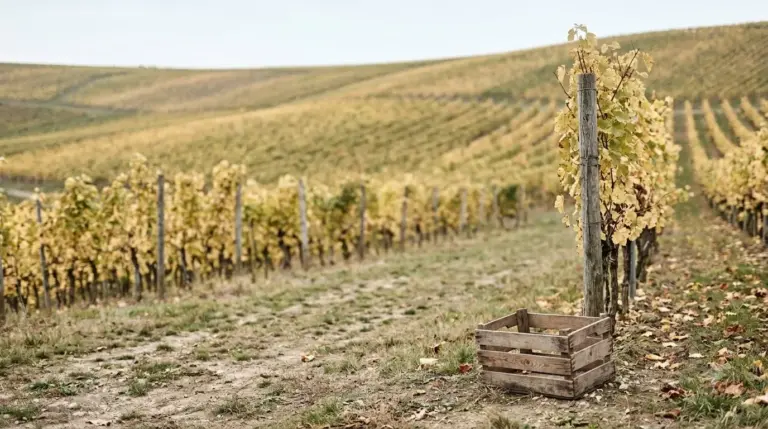
Mendoza’s high-altitude vineyards help explain the freshness, color, and structure associated with Luigi Bosca red wine. Luján de Cuyo, Maipú, and the Uco Valley each contribute different growing conditions, allowing the winery to produce several distinct styles.
Luján de Cuyo is one of Argentina’s most recognized Malbec regions. According to Decanter’s regional profile, it has more than 15,500 hectares under vine, with over half of that area planted to Malbec. Notable subregions include Agrelo, Las Compuertas, Perdriel, and Vistalba. Many vineyards sit between approximately 690 and 1,300 meters above sea level, creating a range of growing conditions within the same broader region.
The area is known for relatively dry conditions, substantial sunshine, and temperature differences between daytime and nighttime. These conditions help grapes ripen while retaining useful acidity. Malbec from Luján de Cuyo commonly develops ripe plum, blackberry, violet, and spice characteristics. Its wines can have generous fruit, substantial color, and smooth but noticeable tannins. Decanter’s regional profile of Luján de Cuyo explains how old vines, local soils, and different subregions contribute to the area’s distinctive Malbec styles.
Maipú offers a different perspective. Its vineyards generally sit at lower elevations, approximately 650 to 850 meters according to Argentina’s official tourism information. Warmer conditions and deeper, clay-rich soils can encourage earlier ripening and rounder fruit profiles. Luigi Bosca’s Finca El Paraíso is located in this area at approximately 2,362 feet above sea level.
The Uco Valley is another important source of grapes. Its vineyards commonly occupy elevations between approximately 1,000 and 1,500 meters, with some locations higher. Cold nights, sunny days, and stony or calcareous soils contribute to wines with freshness, aromatic intensity, and distinctive mineral impressions.
Two Luigi Bosca vineyard examples illustrate this variation. Los Miradores, in Los Árboles, Tunuyán, sits at approximately 3,510 feet, while Miralejos in Altamira, San Carlos, is located around 3,559 feet. Both are associated with Malbec, but differences in their individual sites influence the character of their fruit.
The winery’s standard Malbec combines grapes from Luján de Cuyo and Valle de Uco. This approach allows the producer to work with different expressions of the variety rather than relying on a single vineyard environment. It also helps explain why different Luigi Bosca Malbec bottlings can have distinct fruit, acidity, and structural characteristics.
Main Luigi Bosca Red Wine Varieties and Styles
Malbec is the most recognizable red variety in the Luigi Bosca portfolio, but Cabernet Sauvignon, Cabernet Franc, and red blends provide additional choices. The main differences involve tannin intensity, fruit character, oak influence, and overall structure.
Luigi Bosca Malbec
Malbec is the natural starting point for anyone exploring the winery. The standard bottling is made from 100 percent Malbec grapes, sourced from vineyards in Luján de Cuyo and the Uco Valley. The producer’s technical information describes a wine with bright violet-red color, strawberry and cherry aromas, and subtle herbal and spicy notes reminiscent of thyme.
On the palate, it combines expressive fruit with good volume and integrated oak. The finish is described as deep, long, and clean. Its tannins are generally more approachable than those of a strongly structured Cabernet Sauvignon, making it suitable for a range of grilled meats, pasta dishes, and mature cheeses.
Luigi Bosca Cabernet Sauvignon
Cabernet Sauvignon offers a firmer, more structured alternative to Malbec. Luigi Bosca’s Cabernet Sauvignon is made from 100 percent Cabernet Sauvignon, with grapes sourced from estate vineyards in Maipú and Luján de Cuyo.
The producer describes black-fruit aromas, including cassis, alongside spice and a structured palate. Twelve months in French and American oak barrels contribute additional complexity. Cabernet Sauvignon naturally has high tannin, so this wine generally makes a better match for protein-rich dishes than for delicate fish or lightly seasoned vegetables.
De Sangre Cabernet Franc
Cabernet Franc offers another expression of the winery’s red wine expertise. Its aromatic profile can include licorice, spices, pink pepper, and dark fruit. The De Sangre version receives barrel aging, contributing additional layers to the grape’s natural character.
Compared with Malbec, Cabernet Franc can provide a more herbal and peppery aromatic profile. Its acidity and firm structure make it a useful choice with roasted vegetables, grilled lamb, and herb-seasoned meat.
De Sangre Corte
Corte is a red blend built around Cabernet Sauvignon, with smaller contributions from Syrah and Merlot. This combination brings together Cabernet’s structural backbone, Syrah’s darker fruit and spice, and Merlot’s softer texture.
Blending allows the winemaker to adjust balance and complexity by combining varieties with complementary characteristics. Rather than emphasizing a single grape’s identity, Corte expresses a more integrated house style. It is a useful option for drinkers who enjoy structured reds but want something with multiple aromatic and textural layers.
For comparison, readers interested in another producer’s red wine portfolio can explore Campo Viejo red wine. Comparing Argentine Malbec with Spanish red blends is a practical way to understand how grape selection, regional climate, and winemaking traditions affect the final wine.
How Luigi Bosca Red Wine Is Made
Harvest selection, temperature-controlled fermentation, and barrel aging are important elements of Luigi Bosca’s red winemaking approach. The standard Malbec and Cabernet Sauvignon provide useful examples of how the producer develops fruit expression while adding structure through oak.
According to the producer’s technical information for its 2025 Malbec, grapes are harvested manually, selected in bunches, and destemmed before fermentation. The winemaking process begins with a pre-fermentation cold maceration at 8 degrees Celsius. This stage allows the grape skins to remain in contact with the juice before alcoholic fermentation begins, helping extract color and aromatic compounds.
Fermentation takes place in stainless steel tanks at controlled temperatures between 24 and 28 degrees Celsius, using selected yeasts. Stainless steel offers precise temperature management and helps maintain consistency throughout fermentation. After alcoholic fermentation, the wine moves into French oak barrels for 12 months.
Oak aging changes the wine’s texture and aromatic complexity. French oak can contribute subtle spice, toasted impressions, and additional structural integration. The goal is not simply to make the wine taste of wood. Properly integrated oak should support the fruit rather than overwhelm it.
The producer’s 2025 Malbec technical sheet lists several useful measurements:
| Characteristic | 2025 Luigi Bosca Malbec |
|---|---|
| Grape variety | 100 percent Malbec |
| Average vine age | 35 years |
| Vineyard elevation | 900–1,100 meters |
| Alcohol | 13.4 percent |
| pH | 3.6 |
| Total acidity | 5.32 |
| Residual sugar | 2.9 grams per liter |
| Cold maceration temperature | 8°C |
| Fermentation temperature | 24–28°C |
| French oak aging | 12 months |
| Stated aging potential | 5 years |
These figures describe a particular harvest rather than a permanent specification for every bottle carrying the Luigi Bosca name. Alcohol, acidity, and aromatic expression can vary with vintage conditions and vineyard selection. They nevertheless provide a useful indication of the wine’s general style.
The Cabernet Sauvignon follows a related but slightly different approach. Its 2024 technical sheet identifies a 12-month aging period in French and American oak barrels. The wine also uses grapes from Maipú and Luján de Cuyo, with an average vine age of 40 years. The combination of mature vineyard sources and barrel aging supports a more structured style.
For a useful comparison, Baron Philippe de Rothschild wine provides another example of how a producer’s grape selection, blending decisions, and oak treatment shape the identity of a wine. Different regions and winemaking traditions produce different results even when similar red varieties are involved.
How Luigi Bosca Red Wine Tastes and What to Expect
Luigi Bosca red wines generally emphasize ripe fruit, balanced acidity, and a noticeable but controlled tannin structure. Malbec is usually the most approachable starting point, while Cabernet Sauvignon and selected De Sangre bottlings offer firmer structure and additional complexity.
The standard Malbec combines red and dark fruit impressions. Depending on the vintage, drinkers may notice cherry, strawberry, plum, blackberry, violet, and herbal spice. The producer’s 2025 description emphasizes strawberry, cherry, and thyme, with oak that is integrated rather than dominant.
Independent tasting commentary also supports this fruit-forward profile. Wine Enthusiast’s review of Luigi Bosca 2023 Malbec describes floral aromas and hints of licorice, alongside lively fruit, good acidity, and fine tannins. These characteristics make the wine approachable without removing the structure expected from Argentine Malbec. Its Luigi Bosca 2023 Malbec review also recommends beef empanadas and casseroles as food matches.
Cabernet Sauvignon generally presents a more assertive experience. Cassis, blackcurrant, dark berries, and spice are typical aromatic markers. Its naturally high tannin provides grip and firmness, especially when compared with Malbec’s generally more rounded texture.
Cabernet Franc adds herbal and peppery elements, while a blend such as Corte combines the structural qualities of Cabernet Sauvignon with the different textures of Syrah and Merlot. The result can be more layered than a straightforward varietal wine.
Several characteristics are useful when comparing bottles:
- Fruit: Malbec commonly emphasizes cherry, plum, blackberry, and violet.
- Acidity: Freshness helps balance ripe fruit and oak.
- Tannin: Cabernet Sauvignon has high tannin, while Merlot generally has softer, medium tannin.
- Oak: Barrel aging can introduce spice and toasted notes while changing the wine’s texture.
- Finish: More structured bottlings tend to leave a longer impression of fruit, spice, and tannin.
Dryness is another important consideration. Luigi Bosca’s standard Malbec is a dry red wine rather than a sweet dessert wine. Its 2025 technical sheet lists residual sugar at 2.9 grams per liter, a low figure consistent with a dry style. The perception of sweetness that some drinkers associate with ripe berries comes from fruit aromas and flavors, not necessarily from substantial residual sugar.
Vintage differences should also be considered. Weather conditions during the growing season affect ripeness, acidity, alcohol, and tannin development. Two bottles of the same Luigi Bosca variety can therefore have different levels of concentration and freshness without changing the essential character of the grape.
Best Food Pairings and Serving Temperature
Luigi Bosca red wine pairs particularly well with grilled meats, roasted dishes, hearty pasta, and flavorful cheeses. Malbec is a versatile choice for everyday meals, while the firmer Cabernet Sauvignon works especially well with rich, protein-heavy dishes.
The producer specifically recommends grilled red meat for its standard Malbec. Skirt steak with mashed potatoes and ribeye with rosemary potatoes are suggested combinations. These dishes work because the savory meat and moderate fat complement the wine’s fruit and tannin.
Beef empanadas are another good option. Wine Enthusiast specifically recommends juicy beef empanadas and casseroles with its reviewed Luigi Bosca 2023 Malbec. The pastry, seasoned filling, and meat provide enough flavor to stand alongside the wine without making its acidity seem harsh.
For Cabernet Sauvignon, consider venison or wild boar served with roasted vegetables. Luigi Bosca identifies these game meats as suitable pairings for its Cabernet Sauvignon. Their intense savory flavors and substantial texture are appropriate for a wine with high tannin and pronounced structure.
Pairing suggestions by wine style
- Malbec: Grilled steak, beef empanadas, burgers, roast pork, and meat-filled pasta.
- Cabernet Sauvignon: Venison, wild boar, grilled ribeye, lamb, and roasted root vegetables.
- Cabernet Franc: Herb-roasted lamb, grilled mushrooms, tomato-based dishes, and moderately aged cheeses.
- Corte: Braised beef, slow-cooked short ribs, grilled sausages, and rich tomato sauces.
Food preparation matters as much as the main ingredient. Salt and fat soften the perception of tannin, making a structured red wine feel smoother alongside grilled meat or a dish with butter or olive oil. Tomato sauces, however, should have sufficient acidity to avoid making the wine seem flat.
Very spicy dishes require more care. Chili heat can feel stronger alongside wines with noticeable alcohol and tannin. For heavily spiced food, choose a less tannic wine or reduce the heat in the dish. Similarly, oily fish such as salmon or sardines can be difficult with strongly tannic reds because the combination may produce an unpleasant metallic impression.
Serving temperature and glassware
Temperature has a significant influence on how red wine smells and tastes. Luigi Bosca’s 2025 Malbec technical sheet recommends a serving temperature between 16 and 18 degrees Celsius, approximately 61 to 64 degrees Fahrenheit. This falls within the typical serving range for fuller-bodied reds.
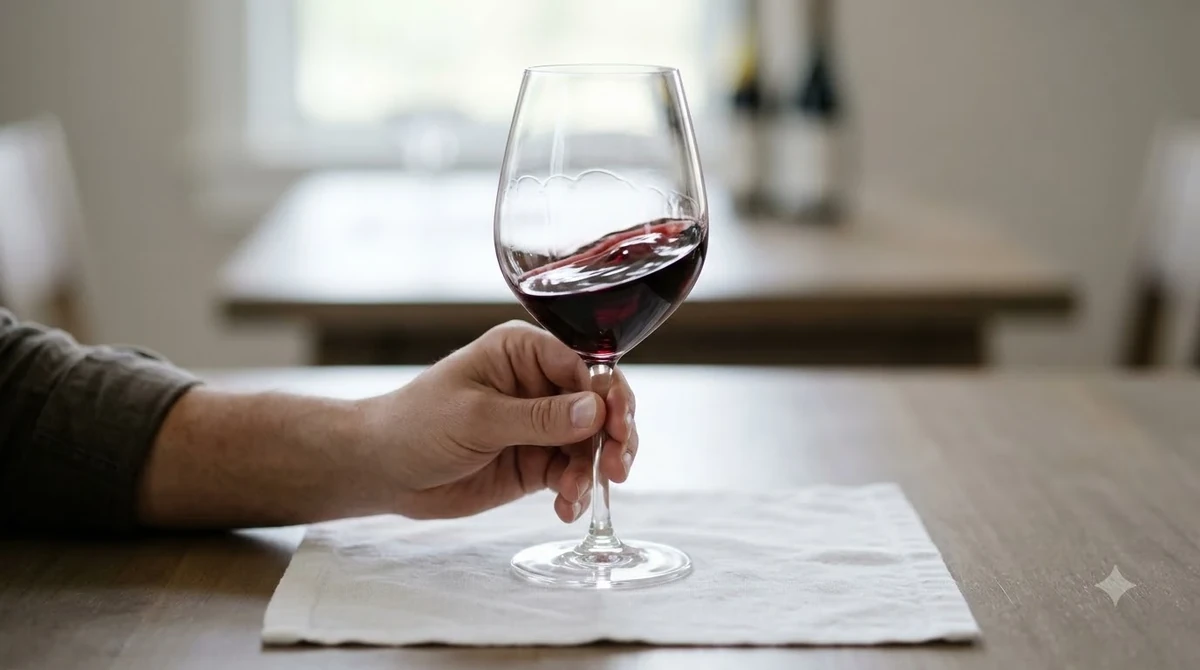
Serving Malbec slightly cool helps maintain freshness while allowing fruit aromas to develop. Excessive warmth can make alcohol seem more prominent and reduce the wine’s sense of balance. A standard red wine glass with a reasonably wide bowl gives the wine room to release its aromas.
Tip: If your room is warm, place the bottle in the refrigerator for approximately 15 to 20 minutes before serving. Aim for around 60 to 65 degrees Fahrenheit for fuller-bodied reds rather than serving them at typical warm room temperature.
A standard wine pour is 5 ounces, and a 750-milliliter bottle provides approximately five glasses. Allowing a little space in the glass makes it easier to swirl the wine and assess its aromas before drinking.
Cellaring, Decanting, and Storing Luigi Bosca Bottles
Most standard Luigi Bosca Malbec bottles are intended to be enjoyed while their fruit remains fresh, while selected De Sangre wines offer greater aging potential. Proper storage and appropriate decanting help preserve the wine’s character and improve the experience when opening a bottle.
The producer lists five years of aging potential for its 2025 standard Malbec. Its De Sangre Malbec D.O.C. technical information gives a longer potential of 10 years for the specified bottling. These figures are useful starting points, but they are not guarantees that every bottle will improve throughout that entire period.
Cellaring potential depends on the wine’s acidity, tannin, fruit concentration, vintage, and storage conditions. A more structured wine with substantial tannin and balanced acidity generally has better potential for extended aging than a lighter, fruit-focused bottling. Individual preferences also matter: some drinkers prefer the fresh cherry and plum character of younger Malbec, while others enjoy the softer texture that can develop with bottle age.
Store unopened bottles in a cool, dark place with a relatively stable temperature near 55 degrees Fahrenheit. Bottles sealed with natural cork should generally be stored horizontally so the cork remains in contact with the wine. Avoid direct sunlight, repeated temperature changes, and locations near appliances that produce heat or vibration.
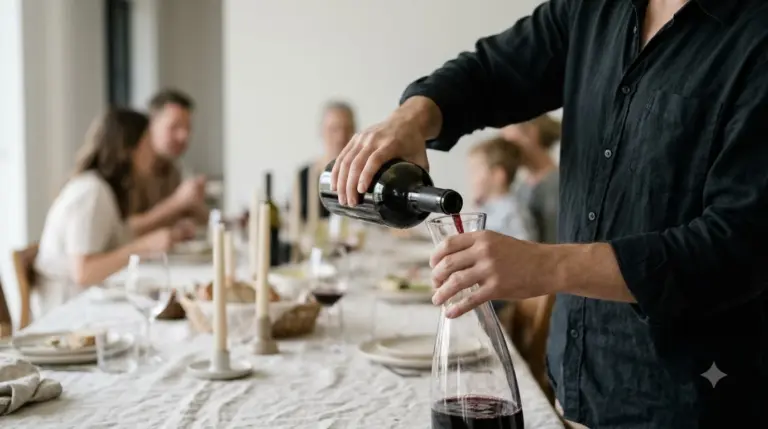
Decanting can help younger, fuller-bodied red wines become more expressive. A young Cabernet Sauvignon or a structured De Sangre bottling may benefit from approximately 30 to 60 minutes in a decanter before serving. Standard Malbec may need less time, depending on the vintage and the wine’s initial aromatic expression.
Decanting is not mandatory. Open the bottle, pour a small sample, and assess the aroma. If the wine seems closed or dominated by firm tannin, give it additional air and reassess after 15 minutes. If the fruit is already expressive and the texture feels balanced, there is no reason to wait.
Once opened, store leftover still wine in the refrigerator with a suitable closure. Standard red wines generally remain enjoyable for approximately three to five days, although their aromatic freshness gradually declines. Bring the remaining wine back toward its recommended serving temperature before pouring another glass.
For the best results, avoid leaving an opened bottle on a warm kitchen counter overnight. Oxygen exposure is necessary for some aromatic development, but prolonged exposure eventually reduces freshness and changes the fruit character.
Frequently Asked Questions
Is Luigi Bosca red wine suitable for beginners?
Yes. The standard Malbec is a sensible starting point because it combines expressive fruit with relatively approachable tannins. Beginners who prefer firmer, more structured wines can also explore the Cabernet Sauvignon after becoming familiar with Malbec.
What does the name De Sangre mean in the Luigi Bosca collection?
De Sangre is the name the Arizu family gives to a collection of outstanding wines intended to be shared with loved ones. The name reflects the family’s heritage and its longstanding relationship with winemaking. The collection includes several grape varieties and vineyard expressions rather than just one Malbec.
What is special about Luigi Bosca Malbec D.O.C.?
The De Sangre Malbec D.O.C. is produced under the Luján de Cuyo Denomination of Origin regulations. Its grapes come from selected vineyard plots in Las Compuertas, Vistalba, and Agrelo. The designation connects the wine to a defined geographical origin and production framework.
Does Luigi Bosca produce wine beyond Mendoza Malbec?
Yes. Its portfolio includes Cabernet Sauvignon, Cabernet Franc, Syrah-based selections, red blends, and white wines. The winery also produces sparkling wines, demonstrating that its production extends beyond traditional Argentine red varieties.
Can Luigi Bosca red wine be served at a dinner party?
Yes. A 750-milliliter bottle provides approximately five standard 5-ounce servings, making it suitable for a small dinner gathering. For a larger meal, serving Malbec alongside beef empanadas or grilled steak provides an easy pairing, while Cabernet Sauvignon works well with a more substantial main course.
Luigi Bosca red wine offers a useful introduction to Mendoza’s distinctive red wine styles, from fruit-forward Malbec to structured Cabernet Sauvignon and complex De Sangre blends. Its long family history, established vineyard sources, and careful oak aging give the portfolio a recognizable regional identity. For most drinkers, starting with the standard Malbec is the easiest way to discover the producer before exploring its more structured bottlings.
More in Wine Brands
 Wolffer Estate Rose Review: Choose the Right Bottle for Your TableUpdated Nov 21, 2026
 Wolf Blass Yellow Label Price: What to Expect for Each BottleUpdated Nov 21, 2026
 Yellow Tail Pinot Grigio Price: Compare Bottle Sizes and Retail CostsUpdated Nov 21, 2026
 Yellow Tail Big Bold Red Price and What Buyers GetUpdated Nov 21, 2026
 Winc Wine Price: Compare Bottle Costs and Membership PlansUpdated Nov 21, 2026
 Wolf Blass Wine Price: Compare Labels and Find the Right BottleUpdated Nov 21, 2026