

We may earn a commission when you buy through links on this page, at no extra cost to you. Learn more.
Lemelson wine comes from a family-owned Oregon winery in the Willamette Valley, and its focus is Pinot Noir grown on certified organic estate vineyards. According to the winery, its inaugural release was the 1999 vintage, and the estate is now marking 25 years. This guide covers the winery’s background, the wines it makes, and how to serve and pair them.
Lemelson is a name many Oregon Pinot Noir drinkers recognize, and the estate’s story is one of a single farm that grew into a winery over a long period. The wine list is built around Pinot Noir, with smaller plantings of white varieties. If you are new to the brand or trying to decide between bottles, the sections below explain what the label stands for and what to expect in the glass.
Where Lemelson Is Based and Its Origins
The winery sits at 12020 NE Stag Hollow Road in Carlton, Oregon, in the Willamette Valley. It describes itself as a family-owned estate, and its story begins with Eric Lemelson, who moved to a farm in Yamhill County and planted his first vineyard in 1995. He then added 30 more acres of Pinot Noir and planned a gravity-flow winery to handle the fruit.
The first wine released under the Lemelson name was the 1999 vintage, which went on sale in October 2001. The winery now says it is celebrating 25 years, a milestone that marks the time since that early start. For buyers, the history matters because the estate has been working the same vineyards for many seasons, which gives the team a long record of how the land behaves in different years.
You can explore the estate’s own story and current releases on the official Lemelson Vineyards website, which covers the vineyard, the winery, and the current wine list.
The Lemelson Wine Range
Pinot Noir is the heart of the Lemelson range. The estate describes it as one of the finest Pinot Noirs in the world, and the grape is the reason most visitors come to the tasting room. Pinot Noir is a thin-skinned variety that shows its character clearly, so the choice of site, vintage, and winemaking all come through in the glass.
Beyond Pinot Noir, the estate grows Pinot Gris, Chardonnay, and Riesling. The winery states that these are sourced from Willamette Valley vineyards, which keeps the range close to the region’s climate and soils. If you enjoy white wine, Pinot Gris and Riesling are good starting points because they show fresh fruit and bright acidity that suit a wide range of food.
Farming and Winemaking Approach
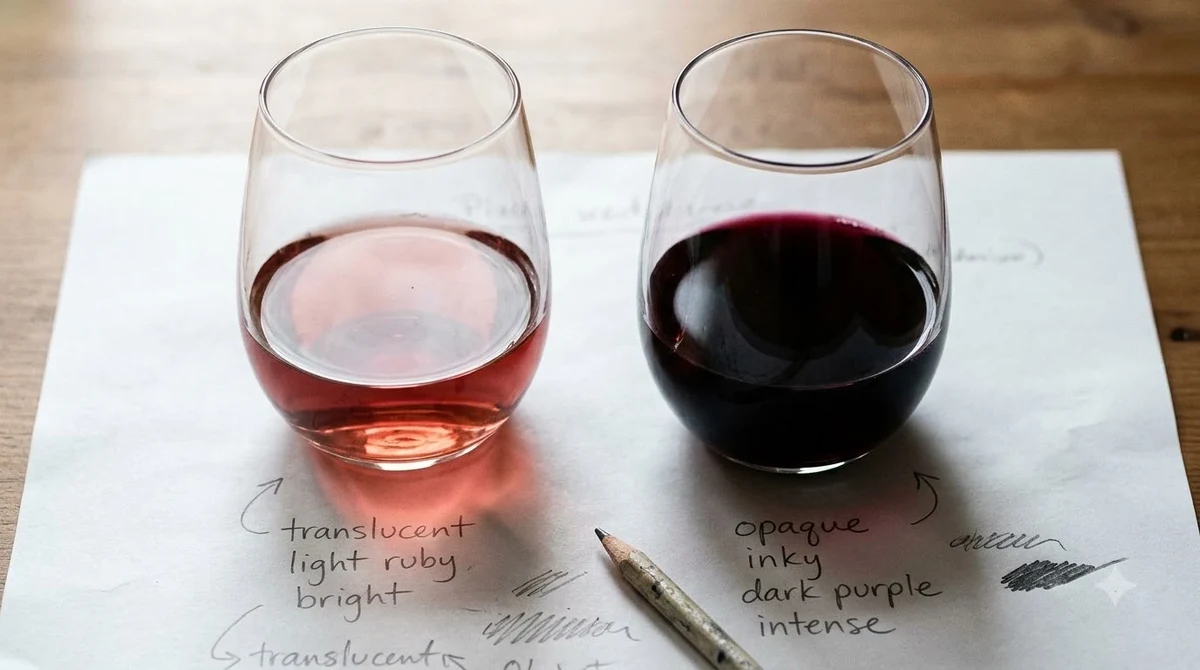
The vineyards are certified organic and estate grown, which means the grapes come from land the winery controls and farms itself. Organic certification sets rules on the materials used in the vineyard, and it is a meaningful signal for buyers who care about how their wine is grown. The estate also describes its aim as combining innovation, sustainability, and tradition, which is a useful lens for understanding the house style.
The winery uses gravity-flow production. In practice, this means fruit moves through the winery with the help of gravity rather than heavy pumping, which many winemakers believe is gentler on the grapes. It is one of the defining features of the estate’s approach and is worth noting if you visit the winery and want to see the process.
Taken together, the farming and winemaking choices point toward wines that reflect their site. Expect the vintage to shape the wine more than a heavy house style, which is a common goal among Oregon producers who focus on Pinot Noir.
| Wine | Core character | Good with |
|---|---|---|
| Pinot Noir | Red cherry, earth, and fine tannins | Roast duck, salmon, mushroom dishes |
| Pinot Gris | Fresh pear and citrus, light body | Seafood, salads, light poultry |
| Chardonnay | Stone fruit and a textured finish | Roast chicken, creamy pasta |
| Riesling | Bright acidity and floral aromas | Spicy Asian dishes, pork |
Tip: Pinot Noir from a cool region like the Willamette Valley often feels lighter than a warm-climate red, so you can serve it with dishes that would overwhelm a big Cabernet.
How to Serve Lemelson Pinot Noir
Serve Pinot Noir slightly chilled, around cellar temperature rather than warm room temperature. A short time in the refrigerator before pouring, perhaps fifteen to twenty minutes, brings the fruit forward and keeps the alcohol from feeling prominent. Use a wide-bowled glass so the aromas can develop as the wine opens.
Young Pinot Noir rarely needs decanting, but an older bottle can benefit from a gentle pour into a carafe about thirty minutes before serving. Keep the bottle upright for a day before opening if it has been lying down, so any sediment settles. For white wines such as Pinot Gris and Riesling, serve them cold but not ice cold, which keeps the fruit clear.
Food Pairings for Lemelson Wines
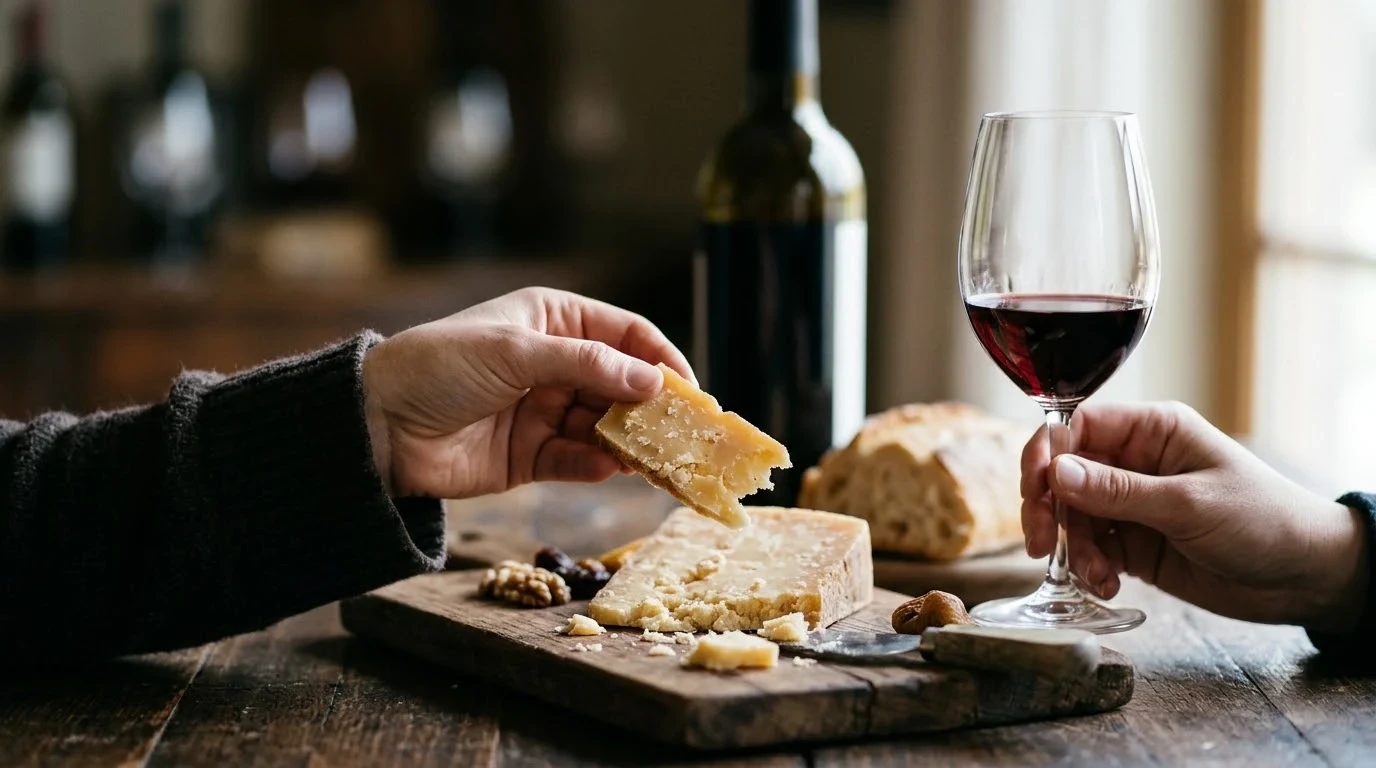
Pinot Noir is among the most food-friendly red wines because its acidity and modest tannins fit many dishes. Roast duck, salmon, mushroom risotto, and roast pork all suit it well. Earthy vegetables and herbs echo the wine’s savory side, while a little char from the grill adds a complementary note.
For the whites, Pinot Gris works with seafood, salads, and light poultry, and Chardonnay pairs with roast chicken or creamy pasta. Riesling is the most flexible of the three, handling spice, sweetness, and smoke in a way that many wines cannot. If you are planning a tasting dinner, start with the Riesling or Pinot Gris, then move to the Pinot Noir as the meal progresses.
Who Lemelson Suits and How to Choose a Bottle
Lemelson suits drinkers who want a focused Oregon estate with a clear identity and a strong Pinot Noir program. It is a good fit for people who enjoy food-friendly reds and for anyone interested in organic farming and a long-running family business.
It may be less appealing for those who want a bold, heavily oaked red or a sweet, easy-drinking white. Drinkers who prefer a richer, sweeter red may find a different style more to their taste, such as the stella rosa red profile. Comparing Pinot Noir with other regional reds can be helpful too, and the spottswoode wine and pedernales wine guides show how different producers approach their own reds.
When buying, check the vintage and read the winery’s description of that year’s release. Pinot Noir shows the vintage more openly than many grapes, so a good year and a cooler year can taste quite different. If you are unsure, start with a Pinot Noir and add a white from the same estate to see the range. The Wine Brands guide on this site is a helpful next read for comparing producers.
Frequently Asked Questions
Where is Lemelson located?
The winery is at 12020 NE Stag Hollow Road in Carlton, Oregon, in the Willamette Valley. It is a family-owned estate.
What is Lemelson best known for?
Pinot Noir is the main focus of the winery. The estate also grows Pinot Gris, Chardonnay, and Riesling from Willamette Valley vineyards.
Are Lemelson vineyards organic?
According to the winery, the vineyards are certified organic and estate grown. The estate describes its aim as combining innovation, sustainability, and tradition.
How should I serve Lemelson Pinot Noir?
Serve it slightly chilled, around cellar temperature. Young bottles rarely need decanting, while older bottles can benefit from a gentle pour about thirty minutes before serving.
Lemelson offers a clear look at an Oregon family estate built around Pinot Noir, organic farming, and a steady commitment to its own land. Read the vintage, serve the wine at the right temperature, and pair it with food that complements its savory and fruit-driven character. With a few simple choices, you can get the most from each bottle.
More in Wine Brands
 Underwood Wine Price: Compare Bottles, Cans, and Pack SizesUpdated Nov 21, 2026
 Zenato Wine Price: Compare Styles and Choose the Right BottleUpdated Nov 21, 2026
 Zuccardi Wine Price: Compare Bottles and Find the Right RangeUpdated Nov 21, 2026
 Yellow Tail Moscato Review: Taste, Sweetness and Serving TipsUpdated Nov 21, 2026
 Wolf Blass Yellow Label Review: Choose Your Best StyleUpdated Nov 21, 2026
 Wolffer Estate Rose Review: Choose the Right Bottle for Your TableUpdated Nov 21, 2026