

We may earn a commission when you buy through links on this page, at no extra cost to you. Learn more.
The best way to plan lancaster wine tasting in Pennsylvania is to combine a vineyard estate in Bainbridge or Mount Joy with a town tasting room in Lancaster or Manheim. The Lancaster Valley AVA is shaped by limestone soils and supports both classic European grapes and cold-hardy hybrids. A little advance planning helps you choose between relaxed outdoor sipping, seated flights, and a weekend that samples several parts of the county.
Lancaster County’s wine scene is spread across working countryside, small towns, and the city itself. Use this guide to understand the regional styles, choose tasting rooms that fit your interests, plan a sensible route, and pair the wines with food once you get home.
Lancaster Valley’s Limestone Landscape and Grape Mix
The Lancaster Valley AVA covers parts of Lancaster and Chester Counties in southeastern Pennsylvania and is centered on Lancaster city. The Pennsylvania Winery Association describes a 225,000-acre valley with roughly 400 acres planted to wine grapes, so vineyards are a small but distinctive part of a much larger agricultural landscape.
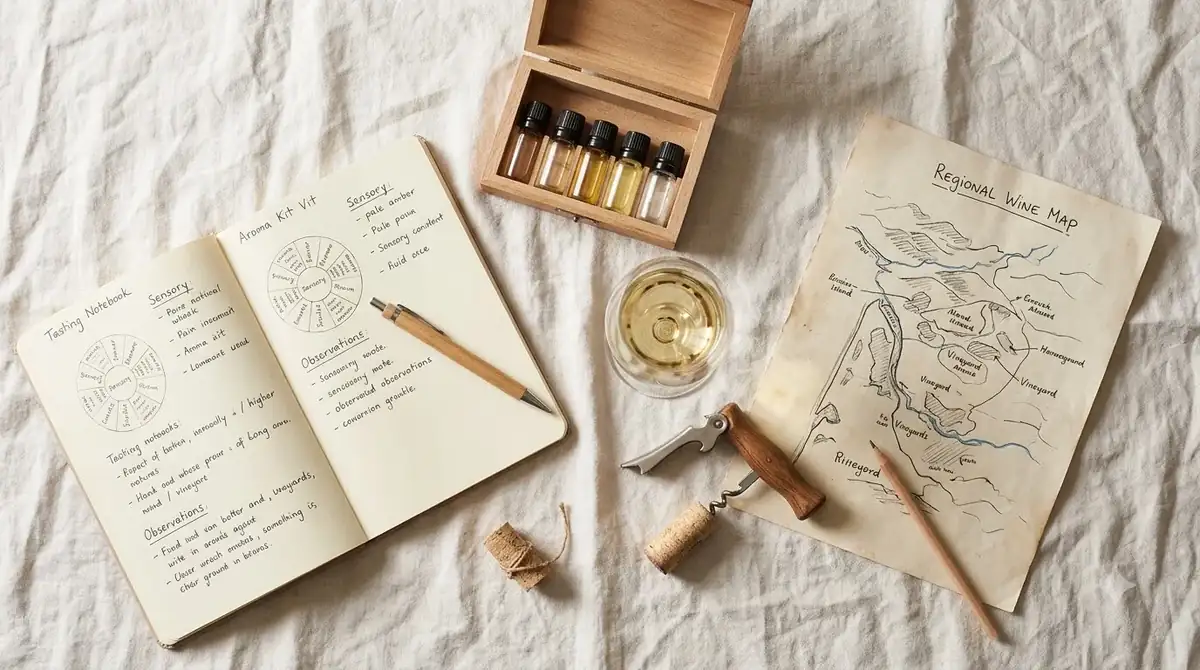
The region is not simply a river valley. It is a geological depression between ridges of the northern Appalachian Mountains, with the Susquehanna River forming its western boundary. The valley floor sits below surrounding areas that rise about 100 to 600 feet, and the AVA was established in 1982 as Pennsylvania’s first federally recognized wine region. Limestone is the signature feature beneath the valley: porous stone drains water away from vine roots while the larger basin can retain some moisture. The Atlantic Ocean and Chesapeake Bay also contribute to a moderate climate. Wine Enthusiast describes Lancaster Valley as having a comparatively long, warm growing season, with hot summer days and cooler nights that help grapes develop sugars while retaining acidity.
That setting supports a varied grape list rather than one signature style. Local wines may use classic vinifera such as Chardonnay, Pinot Noir, Riesling, and Cabernet Sauvignon; Bordeaux-inspired blends; French-American hybrids such as Chambourcin and Seyval Blanc; and native grapes such as Delaware. A tasting flight can therefore move from a crisp white to a fuller red, with a hybrid variety offering a useful point of comparison. The Pennsylvania Winery Association’s Lancaster Valley AVA profile explains the geology and grape mix in more detail.
What to Expect from Lancaster County Tasting Rooms
Lancaster County tastings range from informal flights in a city storefront to seated wine experiences at a family farm. The most useful visit gives you time to compare several styles, ask where the grapes were grown, and understand whether the venue is a vineyard estate, production winery, or satellite tasting room.
At an estate, the setting is part of the visit. You might taste indoors near the production area, sit on a shaded patio, or carry a glass outside to look across the vines. Nissley Vineyards in Bainbridge offers tastings during regular winery hours and says nearly all its wines are available to sample. Its tasting locations vary with the weather and season: warmer months can mean the lawn, archway, or shaded patios, while colder-weather seating can include heated outdoor areas or space near a fireplace and wine barrels.
Other tasting rooms use a more structured flight. Grandview Vineyard lists five wines in its tasting experience, while Waltz Vineyards describes a seated flight that guests can customize. These formats make it easier to compare sweetness, acidity, body, and finish. Ask whether the flight is fixed or flexible, whether the wines use estate-grown fruit, and whether staff can include a dry white, an aromatic white, and a red. Not every venue is a full winery: Deerfoot Downtown, on North Queen Street in Lancaster, is a satellite tasting room for Deerfoot Vineyards and Winery. A town location can suit visitors staying downtown or combining one wine stop with shops, galleries, and restaurants.
Wineries to Put on a Lancaster Wine Tasting Route
Start with the kind of setting you want, then choose two or three stops rather than trying to visit every winery in one afternoon. Nissley, Grandview, and Waltz offer contrasting estate experiences, while Deerfoot Downtown gives visitors an option within Lancaster city.
Nissley Vineyards & Winery Estate, Bainbridge: At 140 Vintage Drive, Nissley’s tasting experience is built around the estate. Nearly all of its wines are available for tasting during normal winery hours, and a self-guided tour introduces the property’s family history, vineyards, and winemaking process. Visitors can also enjoy a carry-in picnic with Nissley wine on the lawn, shaded patios, or beside Conoy Creek. This is a strong choice for travelers who want a vineyard setting and time to explore beyond the tasting counter. Grandview Vineyard, Mount Joy: At 1489 Grandview Road, Grandview pairs wine with a view across more than five acres of vines and neighboring farmland. Its tasting room and deck make the landscape part of the experience, and its tasting flight includes five wines. Saturday tours are scheduled on the hour from 1 p.m. to 4 p.m., subject to staffing and guest interest, so the tour can help anchor a weekend visit.
Waltz Vineyards Estate Winery, Manheim: Waltz welcomes visitors to its sixth-generation family farm at 1599 Old Line Road. Its estate tasting room offers seated, customizable flights, and guests can add a local cheese plate featuring Sturgis pretzels from Lititz and Miesse chocolate from Lancaster. The property also has a lawn where visitors can enjoy a bottle and picnic items; outside food is not allowed in the tasting room. Reserve a tasting ahead of time, especially for a weekend visit or a group. Deerfoot Downtown and other alternatives: Deerfoot Downtown is at 348 North Queen Street in Lancaster and brings farm wines into a walkable city setting. Discover Lancaster describes Deerfoot as a third-generation farm and micro-winery that primarily produces batches of 50 to 100 gallons. Other possibilities include Glasshouse Wineworks in Manheim, Britain Hill Venue & Vineyard near Quarryville, and Cullari Vineyards at Brickerville in Lititz. The Discover Lancaster winery directory and itinerary is a useful starting point for addresses and trip planning.
Build a Weekend Around Two or Three Stops
A relaxed Lancaster wine weekend works best when you group visits by area and leave room for food, shopping, and the countryside between tastings. Two estate visits in one day are usually more enjoyable than racing through four or five, especially if you want to compare flights and talk with tasting-room staff.
For a vineyard-focused Saturday, make Nissley in Bainbridge your first major stop, then plan another tasting at Grandview in Mount Joy or Waltz in Manheim. That sequence follows the kind of countryside itinerary promoted by the local tourism office, but adjust it to each venue’s current tasting availability and your own starting point. At Grandview, a Saturday tour slot between 1 p.m. and 4 p.m. can anchor the day; at Waltz, plan ahead for a seated tasting rather than expecting an unreserved walk-in flight.
Use the rest of the day for a slower meal or a scenic stop instead of adding another tasting just to increase the number of wineries. Lancaster Central Market and Bird-in-Hand Farmers Market are places to gather local food, and Kitchen Kettle Village or local meat and cheese shops can supply picnic additions. Nissley and Waltz both describe outdoor spaces for enjoying wine, but each property has its own rules about outside food, alcohol, and reservations. On a second day, keep the schedule closer to town with a downtown tasting at Deerfoot, or make a single stop in Lititz, Manheim, or Ephrata. A combination of one country estate and one town tasting room gives first-time visitors a useful sense of the county’s variety without an all-day driving loop.
Taste, Compare, and Take Notes on Each Flight
Use a tasting flight to compare styles rather than treating each pour as a separate verdict. Lancaster Valley’s mix of Riesling, Chardonnay, Pinot Noir, Cabernet Sauvignon, Chambourcin, and Seyval Blanc gives visitors several useful contrasts in acidity, tannin, body, and sweetness.
Begin with the lightest, driest white and move toward fuller whites and reds. If the flight includes Riesling, ask whether it is dry, off-dry, or sweet; the grape can show high acidity across different sweetness levels. Compare it with Chardonnay, which typically has medium acidity and may feel rounder on the palate. For reds, Cabernet Sauvignon generally has high tannin, while Pinot Noir tends to have low-to-medium tannin and higher acidity. Chambourcin and Seyval Blanc are useful reminders that Pennsylvania wine is not limited to familiar international grapes. Ask whether a wine is made from estate fruit or sourced from another Pennsylvania grower, and whether the producer uses a single variety or a blend.
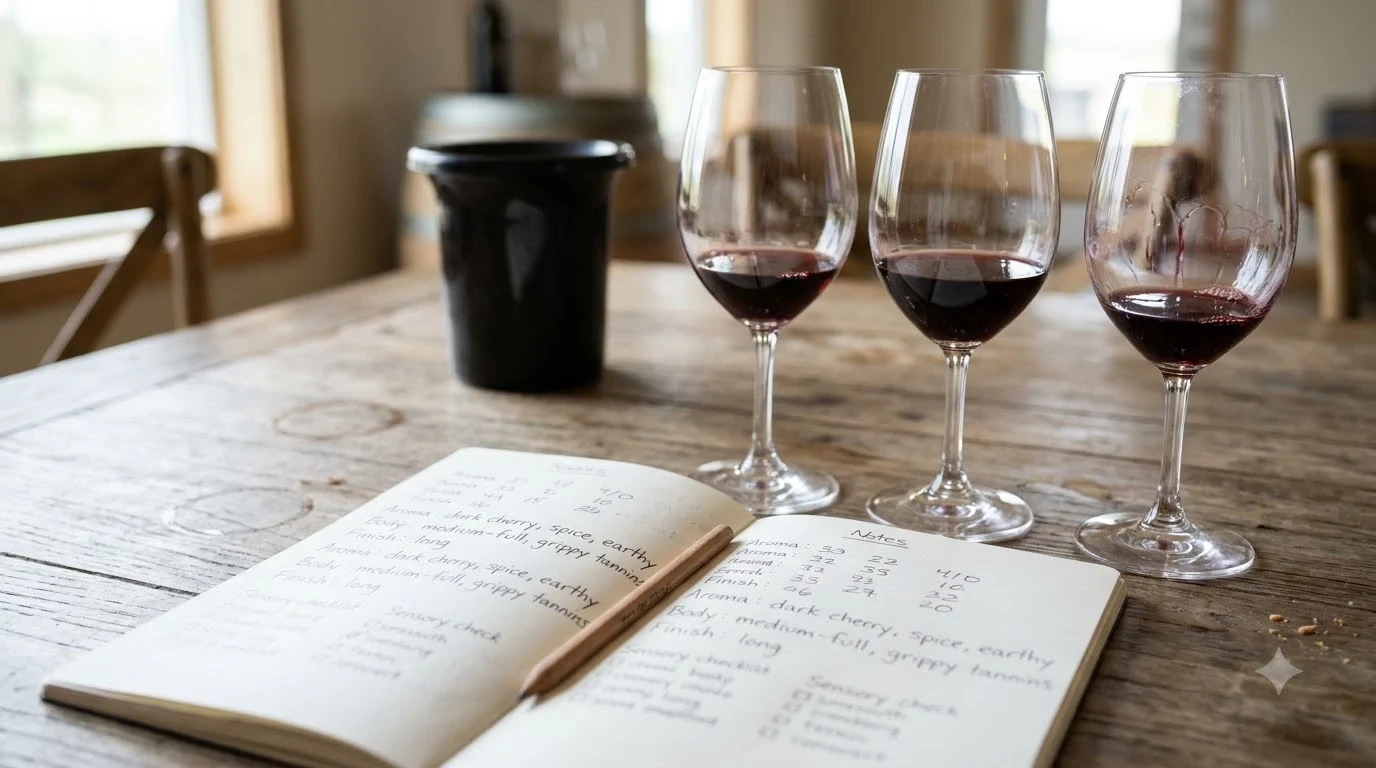
Keep a short note for each wine: grape or blend, sweetness, and one aroma or flavor that stands out. A few words are enough. Record whether the finish feels crisp or soft, whether acidity refreshes the palate, and whether tannin dries the gums. If you like a wine, note the producer and exact name so you can find it later. If you are comparing Lancaster Riesling with a better-known European expression, the Alsace wine tasting article offers another point of reference. For Bordeaux-style blends, the Bolgheri wine tasting guide can help explain the Cabernet-led blend tradition in a different region.
| Wine or style | Regional context | What to compare | Typical serving temperature |
|---|---|---|---|
| Riesling | A recognized Lancaster Valley variety | Sweetness against high acidity; look for a crisp finish | 45–50°F for a light white |
| Chardonnay | A classic vinifera grown in the valley | Medium acidity, weight, and any oak influence | 50–55°F for a fuller white |
| Chambourcin | A French-American hybrid used in Pennsylvania wines | Fruit character, body, and the balance of acidity and tannin | 55–60°F for a lighter red |
| Pinot Noir | A classic red variety in the valley’s grape mix | Higher acidity and low-to-medium tannin | 55–60°F for a lighter red |
| Cabernet Sauvignon or a Bordeaux-style blend | Part of the valley’s range of vinifera and blended wines | Fuller body, firmer tannin, and the effect of food | 60–65°F for a fuller red |
Pair Lancaster Wines with Food and Serve Them Well
Food pairing is a practical way to understand the wines you have tasted. Match the wine’s weight and sweetness to the dish, use acidity to balance rich foods, and pay attention to tannin when serving reds with meat, cheese, and other savory dishes.
Riesling’s acidity makes it a useful match for salty foods, pork dishes, and mildly spicy fare, especially when the wine has a touch of sweetness. A dry Seyval Blanc or another crisp white can work with fresh cheeses, chicken, salads, and lighter seafood. Chardonnay’s fuller body can stand up to roast chicken, creamy sauces, or a richer vegetable dish. With reds, try Pinot Noir alongside roast poultry, mushrooms, or salmon prepared without heavy chili sauce. A more tannic Cabernet Sauvignon or Bordeaux-style blend is better suited to grilled beef, lamb, or aged hard cheese than to delicate white fish.
Think about the effect of salt, fat, spice, and sugar. Salt and fat soften the sensation of tannin, which can make a structured red feel smoother beside steak or firm cheese. Chili heat can seem stronger with wines that have high alcohol or prominent tannin, so a lower-alcohol, fruitier wine or a slightly sweet white is often a safer match for spicy dishes. For desserts, choose a wine at least as sweet as the food; otherwise the wine may taste thin after the first bite. A very acidic dish also needs a wine with equal or higher acidity.
Serving temperature affects how a wine feels. Light whites and rosé are best around 45–50°F, fuller whites around 50–55°F, lighter reds around 55–60°F, and fuller reds around 60–65°F. Sparkling wines generally show best at 40–50°F, while sweet whites are usually served around 43–50°F. A young, full-bodied red may benefit from 30–60 minutes in a decanter. A standard 5-ounce pour means a 750-milliliter bottle yields about five glasses. Use your tasting notes to plan a meal: dry Riesling with roast pork and apples, Chardonnay with roast chicken and root vegetables, or a Cabernet-led blend with beef or mushrooms. For a very different American growing area, the Willcox wine tasting guide offers another regional perspective; explore more destinations in the broader Wine Regions library.
Tip: Chill a local white or rosé before guests arrive, but take a full-bodied red out of a cool cellar before serving. Store unopened bottles on their sides in a steady place near 55°F; refrigerate opened still wine and aim to finish it within 3–5 days for the freshest result.
Frequently Asked Questions
Can visitors take a self-guided tour at Nissley Vineyards?
Yes. Nissley offers a self-guided tour about the estate, its family history, vineyards, and winemaking process. It is designed for visitors who want context beyond the tasting flight rather than a staffed production tour.
Can guests bring a picnic to Nissley?
Nissley welcomes carry-in picnics with its wine on the lawn, shaded patios, or beside Conoy Creek. Outside alcohol is not permitted, and indoor seating may not be available during inclement weather.
Can someone under 21 visit a Lancaster winery?
Nissley states that guests under 21 must be accompanied by their own parent or legal guardian. It also says that sharing wine with children is not permitted, and other venues may set different rules.
Are dogs allowed at Lancaster County wineries?
Nissley permits leashed dogs but excludes pets during special events and from the winery’s second floor. Waltz also welcomes leashed pets, though restrictions differ by area of the property.
Does Grandview accommodate larger tasting groups?
Grandview asks groups of six or more to email before visiting so staff can confirm whether the date and party size can be accommodated. Larger parties and limousines may have a more limited flight selection.
Lancaster wine tasting is rewarding when the itinerary leaves room for both the vineyards and the people behind the wines. Choose a couple of stops, taste across the region’s range of grapes, and bring home the styles that best suit your table. For the best visit, confirm reservations and tasting details directly with each winery before setting out.
More in Wine Regions
 Willcox Wine Trail: Discover Arizona’s High-Elevation Wine CountryUpdated Nov 20, 2026
 Yakima Valley Wine Region: Find the Best Styles to TryUpdated Nov 20, 2026
 Vosne Romanee Wine Tasting: Identify Aromas and Choose Better PairingsUpdated Nov 20, 2026
 Yakima Valley Wine Festival: Find the Best Seasonal Wine EventsUpdated Nov 20, 2026
 Wales Vineyards: Discover Cool-Climate Wines and Where to VisitUpdated Nov 20, 2026
 Yountville Wine Festival: Discover Napa Wines and Local FoodUpdated Nov 20, 2026