

We may earn a commission when you buy through links on this page, at no extra cost to you. Learn more.
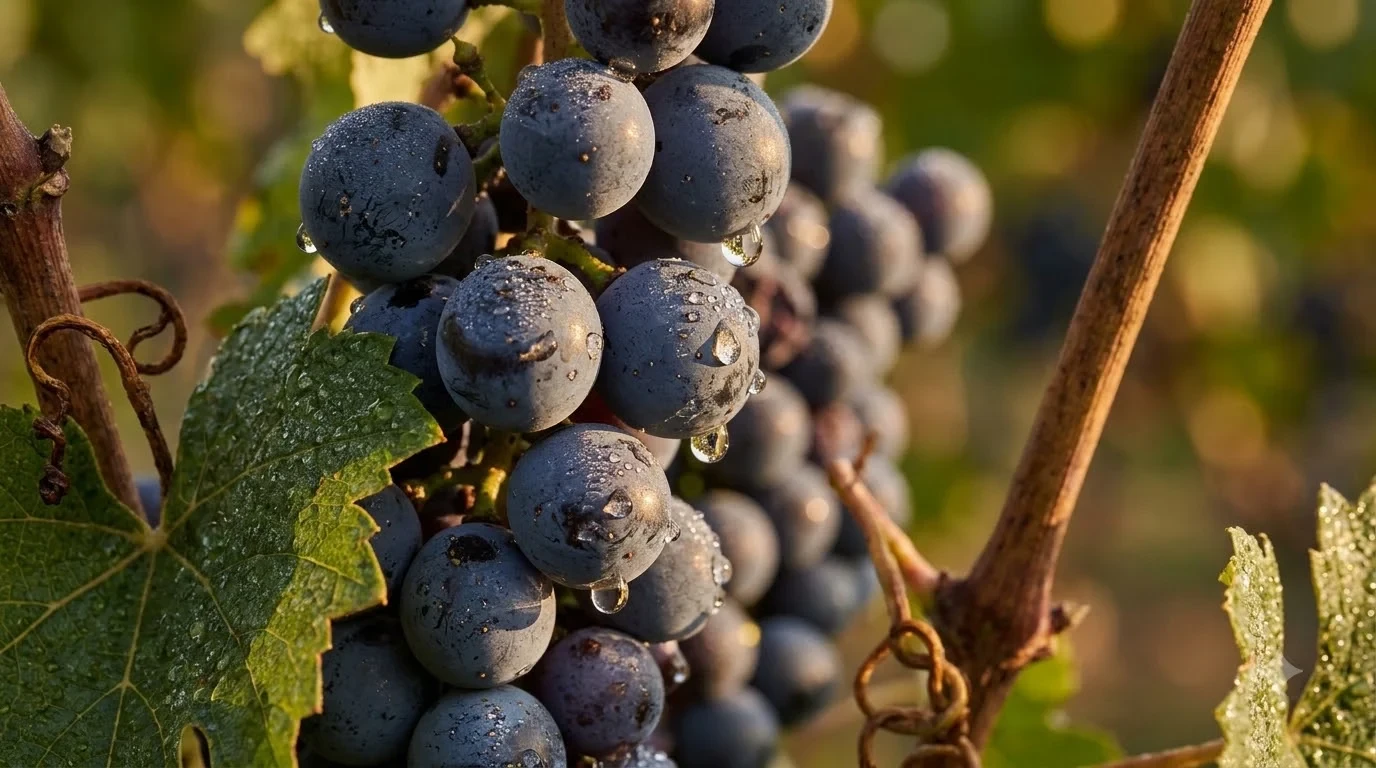
Lancaster wine comes mainly from the Lancaster Valley AVA, a small Pennsylvania wine region centered on the city of Lancaster and spread across Lancaster and Chester counties. The area is cool and humid compared with the big West Coast regions, so growers lean on cold-hardy grapes, French-American hybrids, and a handful of European varieties that handle Pennsylvania winters. The result is a regional style that is fresher and lighter than many people expect from the East Coast.
If you have seen “Lancaster wine” on a menu, a tasting room sign, or a travel guide, this page explains what that label usually means, which grapes to look for, and how to find a good bottle or a good winery visit without guessing.
Where Lancaster wine comes from
The Lancaster Valley AVA is one of five officially designated American Viticultural Areas in Pennsylvania. According to the AVA’s entry on Wikipedia, it covers about 225,000 acres, but only around 400 acres of that land is planted to vines. That small planted footprint is one reason Lancaster wine is easy to miss: most of the wine is made in small batches and sold close to where it is grown.
The region is part of a wider Pennsylvania wine industry. Pennsylvania ranks among the larger wine-producing states on the East Coast, and the state’s own history goes back much further than most people assume. The Wikipedia article on Pennsylvania wine notes that the first commercial vineyard in the country was founded near Philadelphia in 1786, which places the state’s winemaking tradition among the oldest in the nation.
Grapes and wine styles you will find
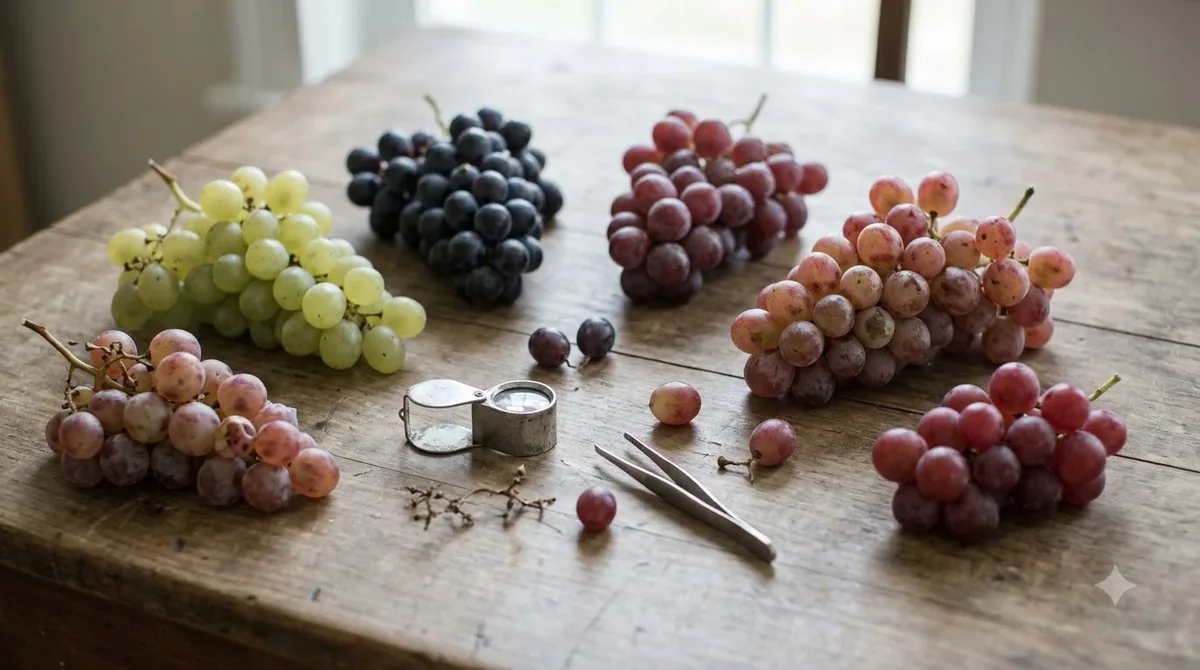
Lancaster wineries work with a mix of grapes, and the list is wider than the one you would see in Napa or Sonoma. Cold-hardy hybrids such as Vidal Blanc, Seyval Blanc, Chambourcin, and Vignoles handle winter well and show up in many tasting rooms. European vinifera varieties, including Chardonnay, Riesling, Merlot, and Cabernet Franc, appear too, usually in the warmest sites and the best vintages.
Whites tend to be bright and crisp, with apple, citrus, and floral notes. Reds range from light and fruity hybrid blends to firmer Merlot and Cabernet Franc with more structure. Sweeter styles are common, and many visitors find that a semi-dry Vidal or a fruity hybrid red is a friendlier introduction than a dry, oaky wine.
| Grape group | Common examples in Lancaster | What it tastes like |
|---|---|---|
| Cold-hardy whites | Vidal Blanc, Seyval Blanc, Vignoles | Crisp, floral, often off-dry |
| Classic whites | Chardonnay, Riesling | Apple, citrus, and stone fruit; Riesling can be sweet or dry |
| Hybrid reds | Chambourcin, Chancellor, De Chaunac | Bright red fruit, softer tannins |
| Vinifera reds | Merlot, Cabernet Franc | Plum, herb, and firmer structure |
Tip: If a label does not name the grape, ask the tasting room staff whether the wine is a hybrid or a vinifera blend. That one question tells you a lot about the style you are about to drink.
Climate and why it shapes the wine
The Lancaster Valley has a hot-summer humid continental climate. Summers are warm and humid, winters are cold enough to damage tender vines, and the growing season is shorter than in California or Virginia’s warmer sites. The Wikipedia entry for the AVA places the area in USDA plant hardiness zone 7a and describes annual precipitation of about 41 inches, which is generous for a vineyard region and means growers manage disease more than drought.
Those conditions favor grapes that ripen early and resist mildew and winter injury. Growers often pick a site on a slope to improve air drainage and sunlight, and many use trellising that keeps the canopy open. The payoff is wine with good acidity and a clear sense of place, even when the alcohol level stays moderate.
Visiting Lancaster wineries
A tasting visit is the easiest way to learn the local style. Wineries in the Lancaster area range from small family farms with a few acres of vines to larger operations that host events, weddings, and food trucks. The Wikipedia article for the AVA lists ten wineries in the appellation, and it names Conestoga Vineyards as one of the prominent producers. Because wineries open, close, and change their lineups, check the current hours and tasting menu before you plan a route.
A practical approach is to start with a flight of whites, move to a fruity hybrid red, and finish with the most structured wine on the menu. That order helps you compare styles without palate fatigue, and it gives staff a good cue to recommend a bottle to take home.
Pairing Lancaster wine with food
Lancaster wines are built for everyday meals more than for special-occasion tasting. Their acidity is usually lively, and the fruit tends to come forward, which makes them flexible at the table. A semi-dry white can balance spicy dishes that would overwhelm a bone-dry wine, and a light red can sit comfortably beside grilled vegetables and roast pork.
Regional cooking pairs well with the local style. Pennsylvania Dutch dishes such as chicken pot pie, ham, and sweet-and-sour preparations have sweetness and salt that match an off-dry white, while cheese plates with aged cheddar or a young tangy goat cheese work with a dry rosé or a fruity hybrid red. Desserts built on apples or cherries are a natural match for late-harvest or sweeter styles.
Serving temperature matters as much as the pairing. Whites are best chilled but not ice cold, which lets the aromas open. Lighter reds such as Chambourcin often taste best slightly cooler than room temperature, while firmer Merlot and Cabernet Franc benefit from ten to fifteen minutes in the glass before the first sip. Small changes like these can make a modest bottle taste much more polished.
How to choose a bottle of Lancaster wine
When you are buying Lancaster wine outside the region, look for the appellation on the label or in the winery’s description. A Lancaster Valley AVA label tells you the grapes were grown in the designated area, which is more informative than a generic “Pennsylvania” or “East Coast” claim. Read the back label for the grape list, and note whether the wine is marked sweet, off-dry, or dry.
For a dinner table, a crisp white made from Vidal or Seyval works with salads, soft cheeses, and roast chicken. A Chambourcin or Merlot-based red pairs well with burgers, mushroom dishes, and tomato-based pasta. If you are not sure, a dry rosé from a local producer is a versatile middle option that suits most meals.
Frequently Asked Questions
What is Lancaster wine?
Lancaster wine is wine made from grapes grown in the Lancaster Valley AVA, a Pennsylvania appellation covering Lancaster and Chester counties. Wineries there use both cold-hardy hybrids and some European varieties.
Is Lancaster wine sweet?
Many Lancaster wines are off-dry or semi-sweet, especially whites made from Vidal Blanc and some Riesling. Dry styles exist too, so read the tasting notes or ask staff about residual sugar.
What grapes grow best in Lancaster?
Cold-hardy hybrids such as Vidal Blanc, Seyval Blanc, Chambourcin, and Vignoles handle the region’s winters well. Chardonnay, Riesling, Merlot, and Cabernet Franc are planted at the best sites.
Can you visit Lancaster wineries without a reservation?
Many tasting rooms accept walk-ins, but busy weekends and event days can fill up. Check each winery’s website or call ahead, especially if you plan to visit several in one afternoon.
Lancaster wine rewards curiosity. Start with a few whites, try a hybrid red, and ask questions about the vineyard site. If you want to compare it with other regions, the Wine Regions guide is a good next stop, and the arizona wine and arizona vineyards pages show how a different climate changes the glass in front of you.
More in Wine Regions
 Willcox Wine Trail: Discover Arizona’s High-Elevation Wine CountryUpdated Nov 20, 2026
 Yakima Valley Wine Region: Find the Best Styles to TryUpdated Nov 20, 2026
 Vosne Romanee Wine Tasting: Identify Aromas and Choose Better PairingsUpdated Nov 20, 2026
 Yakima Valley Wine Festival: Find the Best Seasonal Wine EventsUpdated Nov 20, 2026
 Wales Vineyards: Discover Cool-Climate Wines and Where to VisitUpdated Nov 20, 2026
 Yountville Wine Festival: Discover Napa Wines and Local FoodUpdated Nov 20, 2026