


We may earn a commission when you buy through links on this page, at no extra cost to you. Learn more.
Korbel Extra Dry is an American sparkling wine from Korbel, made in Guerneville, Sonoma County, in the traditional method. The label says “Extra Dry,” which in sparkling wine terms means it is dry in the everyday sense but noticeably sweeter than Brut. That sweetness, plus fine bubbles and an easy fruit profile, is why it tends to appeal to people who find Brut too sharp. Below is what the name means, how the brand is made, and how to serve and pair it.
Korbel is one of the best-known sparkling wine names sold in the United States, and the Extra Dry bottling is often the first sparkling wine many American buyers try. Because “Extra Dry” is a style term rather than a brand promise, understanding it helps you pick the right bottle for brunch, a toast, or a dessert table.
What Korbel Extra Dry Means on the Label
Sparkling wine sweetness is set by how much sugar is added after the wine has been made, a step called dosage. The scale runs from the driest style to the sweetest, and the names are confusing because “dry” on a sparkling label is not the same as “dry” on a still red.
According to VinePair’s Wine 101 guide to sparkling wines, Extra-Brut is the driest style with no detectable sweetness, Brut is dry with a hint of sweetness, and Extra Dry is dry but sweeter than Brut or Extra-Brut. Demi-sec sits at the sweet end and is well suited to dessert. Extra Dry therefore sits between Brut and the sweeter styles, which is why it tastes softer and rounder on first sip.
The exact sugar level differs from bottle to bottle and vintage to vintage, so the safest way to know what you are buying is to check the producer’s technical information or the back label before a special event.
Where Korbel Is Made and How It Is Produced
Korbel’s California winery sits on River Road in Guerneville, in the Russian River area of Sonoma County. The company describes its sparkling wines as “California méthode champenoise,” meaning they are made by the traditional method in which the second fermentation takes place inside the bottle. The company traces its roots to 1882 and presents itself as “a true American original,” operating under the name F. Korbel & Bros.
Traditional method production is slower and more labor-intensive than the tank method used for many inexpensive sparklers. Wine ages on its yeast lees after the second fermentation, then is riddled and disgorged before dosage is added. Those steps give the wine finer, more persistent bubbles and a toasty, bready layer that many people notice in the glass even in an affordable bottle.
How Korbel Extra Dry Tastes
Expect a fresh, fruit-forward sparkling wine with a clear sweetness that sits on top of lively acidity. Ripe apple, pear, and citrus notes are common in this style, and the finish is clean rather than heavy. The sweetness is not cloying in most sparkling wines of this type, because the acidity keeps the wine balanced.
Compared with Brut, Extra Dry is easier to drink alone and less demanding with food. Compared with a sweet sparkling wine such as a demi-sec, it is less of a dessert wine and more of an everyday celebration bottle. That middle position is the main reason it sells so widely.
| Sparkling style | Sweetness impression | Best use |
|---|---|---|
| Extra-Brut | Driest, no detectable sweetness | Oysters, sushi, seafood |
| Brut | Dry with a hint of sweetness | Aperitif, general dining |
| Extra Dry | Dry but noticeably sweeter than Brut | Brunch, toasts, fruit desserts |
| Demi-sec | Sweet, clearly sugary | Cake, fruit tart, dessert pairing |
How to Serve Korbel Extra Dry
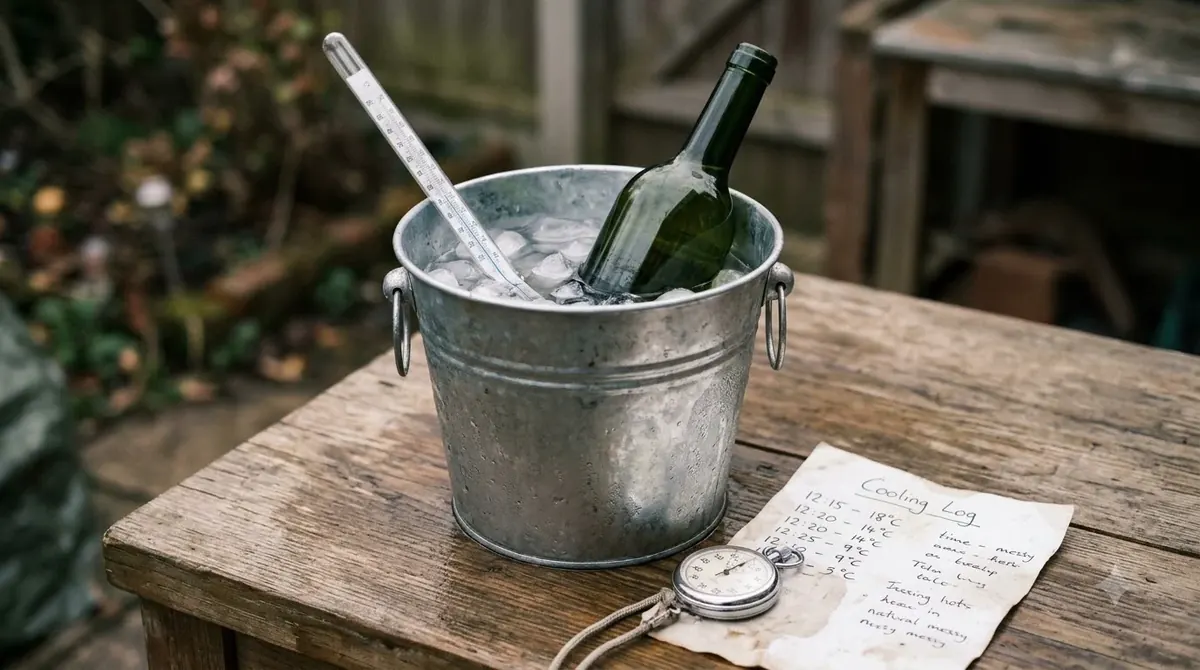
Chill the bottle well before opening, ideally until it is cold to the touch all the way through. Cold service keeps the bubbles lively and shows the fruit at its best. Pour into a flute or a tulip-shaped glass, which keeps the bubbles concentrated and the aromas inside the glass. Avoid very warm service, because the sweetness can feel flat and the wine loses its fizz quickly.
Once opened, reseal the bottle with a proper sparkling wine stopper and keep it in the refrigerator. Sparkling wine loses its fizz and freshness steadily after opening, so it is best to finish the bottle soon or use the leftovers in a mixed drink.
Tip: Extra Dry works well in a simple spritz with a splash of orange liqueur and a twist of citrus. The sweetness balances the bitterness of the liqueur without needing added sugar.
Many American shoppers use the word Champagne for any sparkling wine, but the distinction matters when you read a label. Champagne is a protected name for wines from the Champagne region of France, while sparkling wines from California, such as Korbel, are labeled as sparkling wine and often describe their production method on the back label. Korbel’s own description of its champagnes as “California méthode champenoise” refers to how the wine is made, not to where it comes from. Understanding that difference helps you compare bottles fairly and avoid paying more for a name than for the wine in the glass.
What to Pair With Extra Dry Sparkling Wine
Extra Dry is flexible at the table. It goes well with salty snacks such as potato chips, popcorn, and soft cheeses, because the sweetness contrasts with salt and the bubbles cut through richness. It also suits brunch dishes like fruit salad, pancakes, and eggs Benedict with a touch of sweetness from the sauce.
For dessert, pair it with light fruit pastries, strawberries, or a plain vanilla cake. Avoid very rich chocolate desserts, which can overpower a lighter sparkling wine. If you are serving a main course, choose a dish with moderate salt and acidity, such as roast chicken with lemon or a fresh shrimp dish.

Who Korbel Extra Dry Suits and How to Choose
This bottling is a good fit for guests who prefer a softer, slightly sweet sparkling wine, for hosts who want a crowd-pleasing toast without a long tasting discussion, and for anyone building a brunch menu. If your guests tend to like dry white wines, Brut may be a closer match. If they enjoy dessert wines, the sweeter styles will be more satisfying.
When choosing a bottle, check the label for the style term and the producer’s name, then compare with a Brut from another house if you want a reference point. Store the bottle upright in a cool, dark place, and drink it while it is still fresh rather than holding it for years.
Frequently Asked Questions
Is Korbel Extra Dry sweet?
It is sweeter than Brut and Extra-Brut, but it is not a dessert wine. Most people describe it as softly sweet with lively bubbles and a clean finish.
What does Extra Dry mean on a sparkling wine label?
Extra Dry is a sweetness category that sits between Brut and the sweeter demi-sec styles. Despite the name, it is sweeter than Brut.
Is Korbel made with the traditional method?
The company describes its California sparkling wines as made in the méthode champenoise style, with the second fermentation taking place in the bottle.
How should I serve Korbel Extra Dry?
Chill it well, pour it into a flute or tulip glass, and serve it on the cooler side of refrigerator temperature. Use a sparkling wine stopper if you do not finish the bottle.
Korbel Extra Dry is a practical choice for celebrations and brunch because it balances sweetness, fizz, and easy drinking. Decide how sweet you want the wine to taste, check the label, and serve it cold. For more on how sparkling wine styles are chosen and labeled, see the Wine Brands guide on this site, and compare the house style with other American producers such as Pedernales or Stella Rosa Red when you are planning a table with both still and sparkling wines.
Read more about the producer’s own history on the Korbel website, and the general sparkling wine styles in VinePair’s sparkling wine guide.
More in Wine Brands
 Underwood Wine Price: Compare Bottles, Cans, and Pack SizesUpdated Nov 21, 2026
 Zenato Wine Price: Compare Styles and Choose the Right BottleUpdated Nov 21, 2026
 Zuccardi Wine Price: Compare Bottles and Find the Right RangeUpdated Nov 21, 2026
 Yellow Tail Moscato Review: Taste, Sweetness and Serving TipsUpdated Nov 21, 2026
 Wolf Blass Yellow Label Review: Choose Your Best StyleUpdated Nov 21, 2026
 Wolffer Estate Rose Review: Choose the Right Bottle for Your TableUpdated Nov 21, 2026