

We may earn a commission when you buy through links on this page, at no extra cost to you. Learn more.
The typical korbel brut price in the United States is about $10 to $15 for a 750 ml bottle, while a 1.5 L bottle generally costs about $25 to $30. Korbel Brut is an accessible California sparkling wine with a medium-dry finish, lively bubbles, and citrus-forward flavors. Its relatively approachable retail range makes it a practical choice for casual celebrations, brunch, and everyday entertaining. The final cost depends on bottle size, retailer, location, and local alcohol taxes.
Korbel Brut occupies a familiar position in the American sparkling wine market: it offers traditional bottle fermentation and a recognizable sparkling-wine style without requiring the spending associated with many prestigious Champagne producers. However, finding the right bottle involves more than comparing shelf tags. Bottle size, serving occasion, flavor preferences, and the number of guests all affect the value of a purchase.
Who Should Consider Buying Korbel Brut?
Korbel Brut is particularly suitable for shoppers who want a familiar, moderately priced sparkling wine for informal celebrations and everyday occasions. Its medium-dry profile, 12% alcohol content, and versatile food-pairing potential make it useful for more than a single midnight toast.
The wine is made from Chardonnay, Chenin Blanc, French Colombard, and Pinot Noir. According to Korbel’s product information, the combination produces a medium-bodied sparkling wine with lively bubbles and a balanced finish. Its flavor profile includes orange, lime, vanilla, and strawberry, with citrus and cinnamon aromas.
That combination makes Korbel Brut a reasonable option for several occasions:
- Casual celebrations: The familiar Brut style works for birthdays, holidays, graduations, and informal gatherings.
- Brunch: Its acidity and bubbles make it suitable for serving alongside eggs, pastries, and other brunch dishes.
- Mimosa preparation: The wine can be mixed with orange juice for a straightforward sparkling brunch cocktail.
- Everyday entertaining: Its medium-dry character can accommodate a range of salty appetizers and lighter foods.
- Budget-conscious gifting: It offers a recognizable California sparkling wine without requiring a premium Champagne budget.
Korbel Brut may be less appropriate for someone specifically seeking a very dry sparkling wine, an intensely yeasty traditional-method Champagne, or a complex bottle intended for a major wine-focused tasting. Its accessible, fruit-oriented character is part of its appeal, but it also establishes the limits of what shoppers should expect.
Shoppers comparing the brand with other producers can browse our Wine Brands coverage. For a closer look at the bottle itself, the dedicated Korbel Brut overview explains its identity and general style.
Typical Korbel Brut Price Ranges by Bottle Size
A 750 ml bottle is generally the most economical starting point for individual shoppers, while a 1.5 L bottle makes more sense when several people will be sharing the wine. The difference in total purchase cost is important, but so is the number of servings each format provides.
Retailer listings provide useful examples of the range. Meijer’s listing for a 750 ml bottle displays a price of approximately $14.99, while its 1.5 L listing displays approximately $27.99. These are retailer-specific examples rather than universal prices, and prices vary by state and retailer.
| Bottle format | Volume | Typical US retail range | Approximate 5 oz servings | Best use |
|---|---|---|---|---|
| Mini bottle | 187 ml | Varies by retailer | About 1 | Individual portions |
| Standard bottle | 750 ml | About $10–$15 | About 5 | Small gatherings |
| Magnum | 1.5 L | About $25–$30 | About 10 | Larger celebrations |
The 750 ml price range is supported by examples from retailers including Total Wine & More and Meijer, while the 1.5 L range is supported by Meijer’s listing. Actual shelf prices vary by state, retailer, taxes, promotions, and availability. The mini format is listed by Korbel as an available size, but individual retailers may not carry it consistently.
Understanding the standard bottle cost
The 750 ml format is the most useful comparison point because it is a common retail bottle size. It contains approximately five standard 5 oz wine servings. A shopper planning a small dinner or a modest gathering can use that figure to estimate how many bottles are necessary.
For example, a gathering of 10 adults with one 5 oz serving each requires approximately two standard bottles. If guests are likely to have two glasses, four bottles would be a more practical starting estimate. Actual requirements depend on the length of the gathering and whether other beverages are available.
When the larger bottle makes sense
A 1.5 L magnum contains twice as much wine as a standard 750 ml bottle. Its larger format is useful for parties because it reduces the number of bottles that need to be opened and can simplify serving.
According to Meijer’s product listing, the 1.5 L format is available alongside the standard bottle. Its displayed retail price of approximately $27.99 places it within the typical $25 to $30 range. Although the initial purchase cost is higher, the larger format provides approximately 10 standard 5 oz servings.
The mini format has a different purpose. A 187 ml bottle provides approximately one standard serving and is convenient when individual portions are more useful than sharing a full bottle. Availability can be more limited than for the standard format.
Tip: Compare the bottle’s volume rather than just its shelf price. A 1.5 L magnum contains twice the wine of a 750 ml bottle, so a higher total purchase cost does not automatically mean poorer value per serving.
Key Factors to Compare Before Buying
The most useful Korbel Brut purchasing comparison includes bottle size, retail price, serving requirements, and the wine’s style. A low initial price may not be the most economical option if it leaves a larger gathering short of wine.
Start by identifying the occasion. A standard bottle is usually practical for a couple or a small dinner, while a magnum is more convenient for a larger table. The 187 ml format is useful for individual portions or occasions where opening a full bottle would leave too much wine.
Next, consider the wine itself. Korbel Brut is listed at 12% ABV, with a medium-dry finish and a blend of four grape varieties. These details help distinguish it from alternatives that are sweeter, drier, or made from different grape combinations.
The following comparison summarizes the most important purchasing considerations.
| Factor | Korbel Brut detail | Why it matters |
|---|---|---|
| Alcohol | 12% ABV | Helps identify the wine’s strength. |
| Grape varieties | 4 varieties | Combines Chardonnay, Chenin Blanc, French Colombard, and Pinot Noir. |
| Dosage | 1% | Provides context for the medium-dry profile. |
| Listed acidity | 7.6 g/L | Helps explain the wine’s freshness. |
| Standard bottle | 750 ml | Provides approximately 5 standard servings. |
| Large bottle | 1.5 L | Provides approximately 10 standard servings. |
| Production method | Traditional bottle fermentation | Creates the wine’s sparkling character. |
These specifications come from Korbel’s product information and the standard serving calculation. They are more useful than relying exclusively on a shelf label or a general impression of the brand.
Retailer and location differences
Retail availability is another important consideration. A national or regional chain may list Korbel Brut online, but the actual selection can differ between individual stores. Some locations may carry only the standard bottle, while others also stock the larger format.
For example, Meijer’s Korbel Brut product listing provides information for both the 750 ml and 1.5 L formats. A local store’s inventory and final checkout price may differ from the online listing.
State alcohol taxes and distribution systems can also influence shelf prices. This means a bottle purchased in one state may cost more or less than an identical bottle in another. Shoppers should compare the actual local price rather than assume that a national average will apply everywhere.
Step-by-Step: How to Buy the Right Korbel Brut Bottle
A simple purchasing process can prevent overspending and help ensure that there is enough wine for the occasion. Start with the number of guests, then compare bottle formats and the local retail price.
-
Decide how many people will drink the wine.
Count the expected wine drinkers rather than everyone attending the gathering. A party with 12 guests may need fewer bottles if only six people intend to drink sparkling wine.
-
Estimate the number of servings.
Use approximately five 5 oz servings per 750 ml bottle. For example, 10 standard servings require approximately two 750 ml bottles.
-
Choose the bottle format.
Select 187 ml bottles for individual portions, 750 ml bottles for small gatherings, or 1.5 L magnums for larger groups. The standard bottle is generally the easiest format to find.
-
Compare local retailers.
Check the price at supermarkets, dedicated wine stores, and larger beverage retailers. Compare equivalent bottle sizes and account for any local taxes.
-
Check the wine’s identity and specifications.
Confirm that the bottle is Korbel Brut rather than Korbel Extra Dry, Brut Rosé, or another sparkling wine in the brand’s portfolio. The different styles are not interchangeable in sweetness or flavor.
-
Consider how the wine will be served.
If the bottle is intended for mimosas, calculate the amount of orange juice and sparkling wine needed. If it will accompany dinner, consider the food before deciding how many bottles to purchase.
-
Chill the wine before the occasion.
Allow enough time for the sparkling wine to reach approximately 40–50°F. This serving temperature helps maintain a refreshing profile and makes the bubbles more enjoyable.
For a practical example, a small brunch with eight people may require two standard bottles if each guest receives one 5 oz serving. A larger celebration with 20 servings requires approximately four standard bottles or two magnums. The choice depends on local availability and whether guests prefer individual bottles or shared formats.
Korbel Brut Styles and What Shoppers Should Expect
Korbel Brut is one sparkling wine style within a broader range of sparkling wines. Understanding its sweetness category, grape blend, and production method helps shoppers decide whether it matches their preferences.
The word Brut describes a relatively dry sparkling-wine category, although it does not mean completely sugar-free. Korbel describes its Brut as medium-dry and identifies a touch of sweetness in its tasting information. The result is a wine that balances fruit character with refreshing acidity.
Brut versus sweeter sparkling wine
Sparkling wine sweetness categories generally progress from Brut Nature and Extra Brut through Brut, Extra Dry, Dry, Demi-Sec, and Doux. The terminology can be confusing because Extra Dry is sweeter than Brut.
Korbel Brut is a useful choice for shoppers who prefer a sparkling wine that is not strongly sweet but still has some fruit character. Someone who prefers a distinctly sweeter drink may want to compare it with a Demi-Sec or another sweeter sparkling option.
The grape blend
Korbel identifies four grape varieties in its Brut blend: Chardonnay, Chenin Blanc, French Colombard, and Pinot Noir. Each contributes to the finished wine’s overall structure and flavor profile.
Chardonnay is commonly associated with freshness and citrus character. Chenin Blanc can contribute acidity and fruit. Pinot Noir provides additional structure, while French Colombard is another component of the blend. The final wine is designed as a balanced sparkling style rather than a single-variety expression.
Traditional bottle fermentation
Korbel states that its California sparkling wines use the traditional méthode champenoise process. This involves a secondary fermentation in the bottle, producing the carbon dioxide responsible for the bubbles.
This distinction is relevant when comparing sparkling wines made using the tank method. Prosecco, for example, is typically made primarily from Glera grapes using tank fermentation, whereas traditional-method sparkling wines undergo their secondary fermentation in the bottle.
Korbel Brut is produced in California, not in the Champagne region of France. Its California origin and production method should be considered separately: a wine can use traditional bottle fermentation without being Champagne from France.
Common Mistakes When Comparing Korbel Brut Prices
Price comparisons become misleading when shoppers overlook bottle volume, sweetness differences, or the distinction between California sparkling wine and Champagne from France. A few straightforward checks make it easier to compare equivalent products.
Comparing different bottle sizes
The most obvious mistake is comparing a 750 ml bottle with a 1.5 L magnum based only on the total shelf price. The magnum contains twice as much wine, so its higher purchase cost is expected.
A more useful comparison is the cost per milliliter or standard serving. If a 750 ml bottle costs approximately $12, it provides five servings at approximately $2.40 per serving. A magnum costing approximately $28 provides 10 servings at approximately $2.80 per serving. These illustrative calculations show why a larger format is not automatically cheaper per glass.
Confusing Brut and Extra Dry
Brut and Extra Dry are separate sweetness categories. Extra Dry is actually sweeter than Brut, despite the name. A shopper who prefers a relatively dry sparkling wine should not assume that Extra Dry is the more appropriate choice.
This distinction matters when comparing Korbel Brut with other bottles from the same producer. Matching the sweetness category is a more meaningful comparison than simply selecting the least expensive bottle bearing the Korbel name.
Assuming every retailer has the same price
Online prices are not guaranteed to match local store prices. Retailers can have different distribution costs, state-specific taxes, inventory levels, and promotional schedules.
Check whether a displayed price applies to the exact bottle size and whether the store actually has the product available. A listing for a 1.5 L magnum should never be used as a direct comparison with a 750 ml bottle.
Expecting French Champagne characteristics
Korbel Brut uses traditional bottle fermentation, but it is California sparkling wine. Its production method does not make it French Champagne.
Shoppers looking for a wine from Champagne should compare regional origin and appellation, not just the production method. Korbel’s appeal is its accessible California sparkling-wine style rather than an attempt to replicate every characteristic of a prestige Champagne.
Ignoring the serving occasion
A sparkling wine purchased for a mimosa bar does not need to satisfy exactly the same requirements as a bottle intended for a formal dinner. Korbel Brut’s medium-dry style works in several casual settings, but a particularly sweet dessert or delicate seafood dish may call for a different pairing.
Serving and Storage Tips for Better Value
Proper storage and serving help preserve the wine’s freshness after purchase. Sparkling wine is best enjoyed well chilled, handled carefully, and consumed soon after opening.
Serve at the right temperature
Korbel Brut is best served at approximately 40–50°F, a suitable range for sparkling wine. Chilling the bottle in a refrigerator before serving is a straightforward way to reach the desired temperature.
A wine that is too warm can seem less refreshing, while excessively cold temperatures can make its aromas and flavors less expressive. The goal is to keep the wine cool enough to retain its lively character without completely suppressing its citrus and fruit aromas.
Open sparkling wine safely
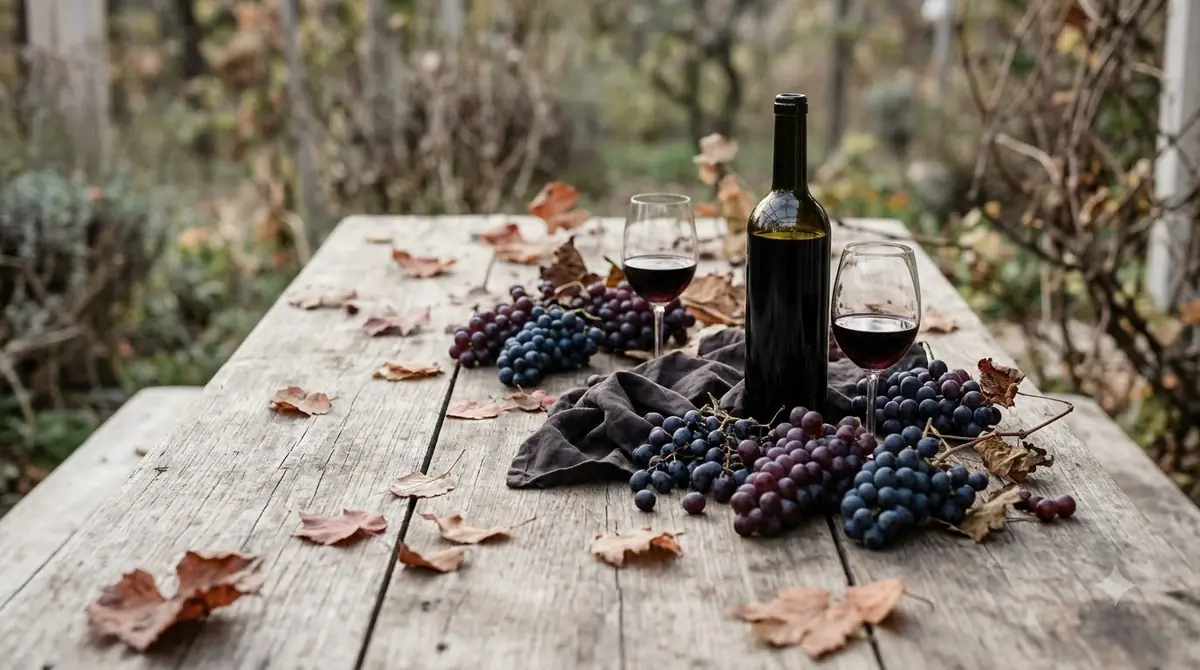
Sparkling wine bottles contain pressure, so opening them requires care. Keep the bottle pointed away from people, hold the cork securely, and slowly rotate the bottle rather than pulling sharply on the cork.
Never use a corkscrew to open a sparkling wine bottle. The pressure inside the bottle is sufficient to propel the cork unexpectedly if it is handled carelessly.
Preserve an opened bottle
Once opened, sparkling wine generally retains its best character for approximately one to three days in the refrigerator when properly sealed with a sparkling-wine stopper. Ordinary still-wine stoppers are not designed to retain sparkling wine’s carbonation as effectively.
For the best results, refrigerate the remaining wine promptly. Keep the bottle upright and use a stopper designed specifically for sparkling wine. The bubbles will gradually diminish even with careful storage, so an opened bottle is best enjoyed sooner rather than later.
Plan servings carefully
A standard 750 ml bottle provides approximately five 5 oz servings, while a 1.5 L bottle provides approximately 10. These calculations offer a practical starting point for entertaining.
For a party where sparkling wine is only one of several beverage options, smaller portions may be sufficient. For a dedicated sparkling-wine toast, a larger quantity may be necessary. Planning the number of servings ahead of time is often more useful than purchasing bottles solely according to their advertised price.
Food pairing also influences the overall value of a bottle. Korbel specifically recommends caviar, fried foods, salty snacks, and shellfish. The wine’s acidity and bubbles can provide a refreshing contrast to rich or salty foods, making it useful at informal gatherings and appetizer tables.
For more detail on the aromas and flavors described by the producer, see our Korbel Brut tasting notes. Shoppers comparing alcohol levels across sparkling wines can also consult our explanation of Korbel Brut alcohol content.
Frequently Asked Questions
Is Korbel Brut considered Champagne?
Korbel Brut is California sparkling wine, not Champagne from the French Champagne region. The winery uses traditional bottle fermentation, a method also used in Champagne production. The regional designation and the production method are two separate characteristics.
Does Korbel Brut contain sulfites?
Yes. The Stater Bros. product information identifies sulfites on the bottle’s warning information. Sulfites are commonly present in wine, including many sparkling wines, and their presence is a separate consideration from the wine’s sweetness or alcohol content.
Can Korbel Brut be used in a French 75 cocktail?
Yes. Korbel Brut can be used as the sparkling-wine component in a French 75, traditionally combined with gin, lemon juice, and simple syrup. Its bubbles and citrus-oriented flavor profile make it suitable for this classic cocktail. The finished drink will differ according to the gin and proportions used.
Does Korbel Brut require aging before drinking?
No special cellaring period is necessary for ordinary enjoyment. It is designed as an accessible sparkling wine that can be served without an extended aging program. Long-term storage conditions should not be confused with a requirement to mature the wine before opening.
What glassware works best for Korbel Brut?
A flute or tulip-shaped sparkling-wine glass is suitable for serving Korbel Brut. A tulip glass provides more room for aromas to develop while retaining the wine’s visual presentation. Clean glassware without detergent residue also helps preserve the appearance of the bubbles.
Korbel Brut remains a practical California sparkling-wine choice for shoppers looking for an approachable bottle for brunch, celebrations, and casual entertaining. A standard 750 ml bottle is the sensible starting point for smaller occasions, while a 1.5 L magnum offers a convenient alternative for larger gatherings. Compare local prices by volume, account for serving requirements, and choose the format that best suits the occasion.
More in Wine Brands
 Underwood Wine Price: Compare Bottles, Cans, and Pack SizesUpdated Nov 21, 2026
 Zenato Wine Price: Compare Styles and Choose the Right BottleUpdated Nov 21, 2026
 Zuccardi Wine Price: Compare Bottles and Find the Right RangeUpdated Nov 21, 2026
 Yellow Tail Moscato Review: Taste, Sweetness and Serving TipsUpdated Nov 21, 2026
 Wolf Blass Yellow Label Review: Choose Your Best StyleUpdated Nov 21, 2026
 Wolffer Estate Rose Review: Choose the Right Bottle for Your TableUpdated Nov 21, 2026