


We may earn a commission when you buy through links on this page, at no extra cost to you. Learn more.
Korbel Brut is a dry sparkling wine from Korbel, the Sonoma County producer founded in 1882, and “brut” is the label for a dry style with little residual sugar. Korbel’s California sparkling wine is made using the traditional method, which gives the wine fine bubbles and a toasty, yeasty depth that suits both celebrations and everyday meals.
If you have picked up a bottle of Korbel Brut and want to know what the word “brut” means, how the wine is made and how to serve it well, this guide covers the basics and offers practical tips for enjoying it at home.
Who Makes Korbel Brut
Korbel is a long-running California winery based in Guerneville, in Sonoma County, at 13250 River Road. The brand’s own website describes it as “a true American original since 1882,” and says its California Champagne is made the long way, one bottle at a time, using the traditional method known as méthode champenoise.
That method is what separates Korbel’s sparkling wine from cheaper carbonated bottlings. The wine ferments a second time inside the bottle, and that secondary fermentation creates the bubbles and adds layers of flavor during aging on the yeast. It is slower and more labor-intensive than tank-based methods, which is why it remains the benchmark for quality sparkling wine.
If you want to see how Korbel fits among other sparkling brands, the Korbel wine guide covers the wider range, and the wine brands guide explains how producers compare on the shelf.
What “Brut” Means on the Label
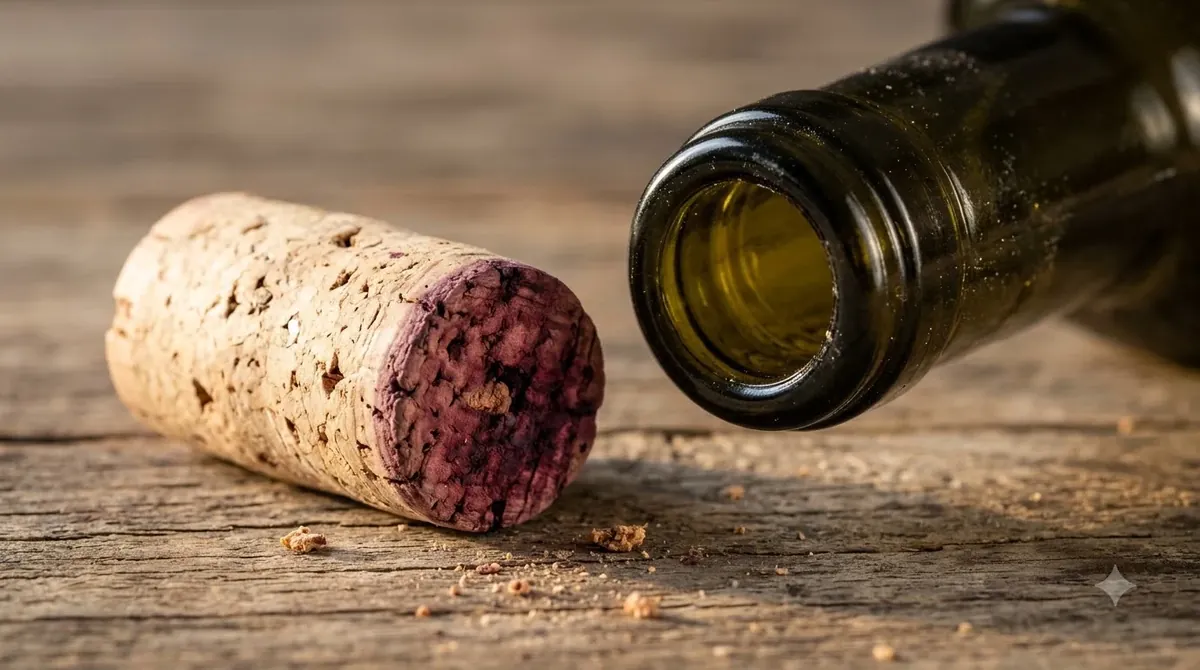
Brut is a sweetness designation. It describes a dry sparkling wine, meaning the wine has very little sugar left after fermentation. In practice, a brut sparkling wine tastes crisp and clean rather than sweet, with a finish that feels refreshing instead of syrupy.
Sparkling wine comes in several sweetness levels. From driest to sweetest, the common labels are brut nature or extra brut, brut, extra dry, sec, demi-sec and doux. Extra dry is a little sweeter than brut despite the name, which trips up many shoppers. If you want a dry bottle, brut is the label to look for.
Because the sugar level is low, the wine’s acidity and bubbles do more of the work. That makes brut a versatile choice for a wide range of foods, and it is why many people reach for a brut bottle as their default sparkling wine.
| Label | Sweetness | What it tastes like |
|---|---|---|
| Brut nature or extra brut | Very dry | Sharp and mineral, with very little sweetness |
| Brut | Dry | Crisp and clean, with bright acidity |
| Extra dry | Off-dry | Slightly sweeter, with more fruit |
| Demi-sec | Sweet | Round and fruity, good with dessert |
How Korbel Brut Is Made
The traditional method starts with a base wine that is fermented once, then blended and bottled with a small amount of sugar and yeast. The second fermentation in the bottle produces carbon dioxide, which stays dissolved and becomes the fine bubbles you see when you open the bottle.
After the second fermentation, the wine ages on its lees, the spent yeast cells, for a period before disgorgement. Aging on lees adds biscuit, brioche and toasty notes, and it gives the wine a richer texture. The bottle is then finished and labeled as dry or sweet according to the final dosage.
Korbel’s own website describes its process as one bottle at a time, a reminder that traditional-method sparkling wine takes more time and handling than tank-method wine. That care shows in the finer bubbles and softer texture that many drinkers notice in the glass.
How to Serve Korbel Brut
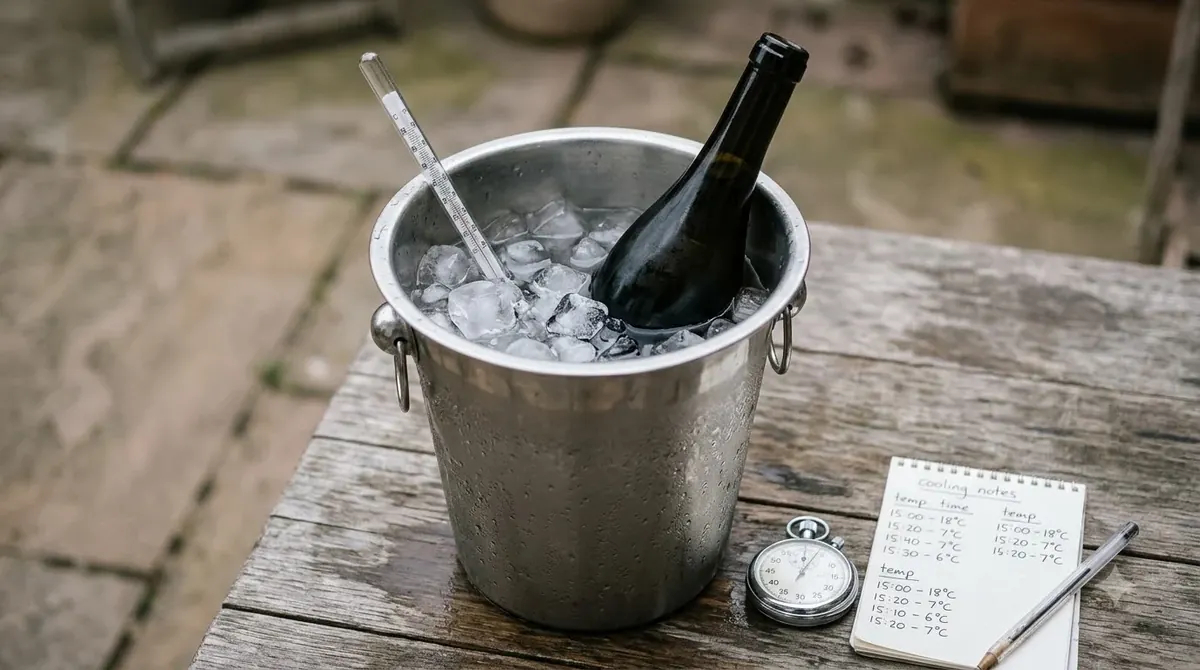
Serve brut sparkling wine well chilled. The Wine Folly Champagne guide gives 38 to 45 degrees Fahrenheit (3 to 7 degrees Celsius) as the serving range, and the same range works well for most dry sparkling wines from California. For a closer look at other sparkling labels, the Chandon Brut guide is a useful comparison. Chill the bottle in the refrigerator for a few hours, or place it in an ice bucket with water and ice for about 20 minutes before pouring.
Use a tall, narrow flute to keep the bubbles lively and concentrate the aromas. A wider glass lets the wine open up more quickly, so a tulip-shaped glass is a good alternative if you want to smell the fruit and toast more clearly. Pour gently down the side of the glass to keep the foam under control.
Keep the bottle sealed between pours. Use a sparkling wine stopper to hold the carbonation for a day or two. Once a bottle has been open for long, the fizz fades and the wine becomes flat, so plan to finish it within a day.
Food Pairings for Korbel Brut
Brut is one of the most food-friendly sparkling styles. Its acidity cleanses the palate between bites, and its dryness keeps it from clashing with savory dishes. Fried foods, salty snacks, oysters and fresh seafood are classic matches.
It also works well with soft and semi-hard cheeses, roast chicken, shrimp dishes and creamy pasta. The wine’s bubbles lift rich sauces, which is why a glass of brut with a buttery dish feels balanced rather than heavy.
For desserts, choose a sweeter sparkling wine instead. Brut can taste sharp next to very sweet pastries, so save it for the start of the meal or for savory courses. For brunch, a glass of brut with smoked salmon or eggs Benedict is a simple and reliable pairing.
When to Choose Korbel Brut
Korbel Brut is a practical choice for celebrations, parties and holiday meals. Its dry style suits a wide range of guests, and its clean finish keeps the glass refreshing through the evening.
It also works as an everyday sparkling wine. A glass before dinner, a bottle with a simple seafood meal or a toast at a casual gathering all fit its character. Because brut sits in the middle of the sweetness range, it is easy to drink on its own or with food.
If your guests prefer sweeter wine, consider pairing a brut with a sweeter sparkling option or with a fruit-forward dessert. Offering both lets everyone find a favorite without a long discussion.
Common Mistakes With Sparkling Wine
The most common mistake is serving sparkling wine too warm. Warm bubbly loses its crispness and can taste flat or heavy. A short chill makes a noticeable difference, and it is worth doing even for a casual evening.
Another mistake is leaving the bottle open for hours. The carbon dioxide escapes quickly, so pour when you are ready and reseal the bottle between glasses. Keeping the bottle cold also slows the loss of fizz.
Frequently Asked Questions
What does brut mean on a sparkling wine label?
Brut means the wine is dry, with very little residual sugar. It tastes crisp and clean rather than sweet, and it is the most common style for everyday sparkling wine.
How is Korbel Brut made?
Korbel describes its California Champagne as made the traditional way, with a second fermentation inside each bottle. The producer says the wine is made one bottle at a time, using the méthode champenoise process.
What temperature should I serve Korbel Brut at?
Wine Folly suggests 38 to 45 degrees Fahrenheit for Champagne, and that range is a good target for dry sparkling wine. Chill the bottle for a few hours before serving, or place it in an ice bucket for about 20 minutes.
Is Korbel Brut sweet?
No. Brut is a dry style, so the wine should taste crisp rather than sweet. If you prefer a sweeter bottle, look for extra dry or demi-sec on the label instead.
Korbel Brut is an approachable way to enjoy traditional-method sparkling wine. Chill it well, choose a glass that keeps the bubbles lively and pair it with salty snacks, seafood or simple roast dishes. For more on how this brand compares with other sparkling labels, visit the wine brands guide.
More in Wine Brands
 Underwood Wine Price: Compare Bottles, Cans, and Pack SizesUpdated Nov 21, 2026
 Zenato Wine Price: Compare Styles and Choose the Right BottleUpdated Nov 21, 2026
 Zuccardi Wine Price: Compare Bottles and Find the Right RangeUpdated Nov 21, 2026
 Yellow Tail Moscato Review: Taste, Sweetness and Serving TipsUpdated Nov 21, 2026
 Wolf Blass Yellow Label Review: Choose Your Best StyleUpdated Nov 21, 2026
 Wolffer Estate Rose Review: Choose the Right Bottle for Your TableUpdated Nov 21, 2026