

We may earn a commission when you buy through links on this page, at no extra cost to you. Learn more.
This kirkland champagne review finds Kirkland Signature Brut Champagne a worthwhile choice for shoppers seeking genuine French Champagne with fresh citrus, green apple, lively bubbles, and a balanced dry style. Made with Chardonnay, Pinot Noir, and Pinot Meunier, this non-vintage bottle offers an approachable introduction to Champagne without requiring a special occasion. Its main strengths are freshness, versatility, and accessibility, while its relatively light body and limited developed, yeasty complexity make it less suitable for drinkers seeking a deeply layered prestige-style Champagne.
Kirkland Signature Brut Champagne occupies an interesting position in the sparkling wine aisle. It carries Costco’s private-label identity, but the wine comes from France’s Champagne region and has a named winemaking connection to Manuel Janisson. That distinction matters because Champagne is a protected regional designation, not simply another word for bubbly wine. Understanding its grapes, production style, flavor profile, and practical uses makes it easier to decide whether this bottle belongs at a dinner party, holiday gathering, or casual weekend celebration.
Who This Champagne Is For
Kirkland Signature Brut Champagne is particularly suitable for shoppers who want traditional French Champagne in a straightforward, food-friendly style. Its combination of fresh fruit, acidity, and moderate body makes it adaptable to different occasions and a wide range of meals.
The bottle is a sensible option for someone hosting a celebration where sparkling wine will be poured throughout the evening. Its familiar apple and citrus character makes it approachable for guests who enjoy sparkling wine but do not necessarily have experience with Champagne. The 12% alcohol content also places it within the typical range for traditional Champagne.
It is especially appropriate for these situations:
- Holiday gatherings: The fresh fruit and lively bubbles work well for Thanksgiving appetizers, Christmas meals, and New Year’s Eve celebrations.
- Casual entertaining: Its approachable character makes it suitable for serving alongside cheese, seafood, and light appetizers.
- First-time Champagne buyers: The recognizable Brut style provides a useful introduction to traditional French sparkling wine.
- Champagne cocktail occasions: Its acidity and citrus character can complement simple sparkling wine cocktails.
- Everyday celebrations: It suits birthdays, anniversaries, dinner parties, and smaller personal milestones.
However, drinkers who prefer rich, mature Champagne with pronounced brioche, roasted nuts, pastry, and extended savory complexity may find the style relatively simple. Decanter describes the wine as fresh, bright, and light-bodied, with minimal lees-derived character. That description helps establish realistic expectations: this is an approachable Champagne rather than a bottle designed primarily around extended aging or intricate cellar-developed flavors.
It is also worth distinguishing between a wine’s regional authenticity and its prestige. A Champagne does not have to come from a famous luxury house to qualify as genuine Champagne. The protected appellation and production requirements establish its regional identity, while the individual producer, vineyard sourcing, blending, and maturation determine its character.
Readers comparing other bottles in the retailer’s private-label range can also explore our overview of Kirkland Signature wine to understand how the brand approaches different wine categories.
Key Factors to Compare Before Buying
The most useful factors to consider are regional origin, grape composition, sweetness, alcohol content, flavor intensity, and production style. Together, these details explain what Kirkland Signature Brut offers and where its limitations are likely to matter.
| Factor | Kirkland Signature Brut Champagne | What It Means |
|---|---|---|
| Country | France | French sparkling wine from the Champagne region |
| Appellation | Champagne | Protected regional wine designation |
| Wine style | White Brut Champagne | Dry sparkling wine |
| Vintage | Non-vintage | May combine wines from multiple harvests |
| Grapes | Chardonnay, Pinot Noir, Pinot Meunier | Three principal Champagne varieties |
| Alcohol | 12% ABV | Typical Champagne alcohol level |
| Bottle size | 750 ml | Approximately five standard 5 oz pours |
| Item number | 942108 | Costco product identification |
| Body | Light | Approachable rather than particularly weighty |
| Closure | Cork | Traditional sparkling wine closure |
Origin and producer
The most important distinction is that this bottle is identified as Champagne from France. Champagne comes from a legally defined region in northeastern France. Other sparkling wines, including Prosecco from Italy and Cava from Spain, can be excellent alternatives, but they are not Champagne.
Published accounts from Decanter and Costco Wine Blog identify Manuel Janisson of Verzenay as the producer associated with the bottle they reviewed. Food Republic also identifies Janisson on the bottle’s labeling. This gives the private-label wine a more specific production connection than its front-facing Kirkland Signature branding might suggest. Decanter’s Kirkland Signature Champagne review also describes the wine’s fresh apple and citrus character and identifies its Champagne origin and producer.
However, Costco’s sourcing information is not entirely consistent across all its international product listings. For example, its UK product description refers to vineyards associated with Roland de Brayne and Manuel Janisson in Sézanne. Buyers should therefore distinguish between information associated with particular bottle descriptions and claims about every production batch.
Grape composition
The three grapes associated with this Champagne are Chardonnay, Pinot Noir, and Pinot Meunier. Each contributes a different component to the finished blend.
- Chardonnay: Contributes freshness, acidity, citrus character, and structure. It helps maintain a clean, lively impression.
- Pinot Noir: Adds body, fruit intensity, and structure. It can contribute red-fruit character even in a white Champagne.
- Pinot Meunier: Helps provide approachable fruitiness and a softer impression, making the blend accessible when young.
The balance between these varieties is an important part of Champagne production. Rather than expecting one grape to dominate, think of the finished wine as a combination of freshness, fruit, and structure. Costco does not publish a dependable percentage breakdown for each grape in the blend, so assigning exact proportions would be misleading.
Sweetness and alcohol
Brut is a dry Champagne category. Under Champagne sweetness classifications, Brut contains less than 12 grams of residual sugar per liter. It can still taste fruity because ripe apple, apricot, and peach aromas may give an impression of sweetness even when the wine is classified as dry.
The listed alcohol content is 12% ABV. This is a useful detail when planning a celebration because it indicates a typical wine-strength sparkling beverage rather than a particularly low-alcohol alternative. The standard 750 ml bottle provides approximately five servings when each glass contains 5 oz.
For a more detailed look at how Champagne sweetness categories compare, understanding the difference between Brut, Extra Dry, and Demi-Sec is particularly useful before choosing a bottle for guests with different preferences.
Step-by-Step: How to Choose and Serve Kirkland Champagne
Choosing a good bottle involves more than recognizing the Champagne label. Consider the occasion, the number of guests, the wine’s freshness, and the food being served before opening it.
-
Identify the occasion.
Decide whether the bottle is intended for a formal toast, a meal, or casual entertaining. Kirkland Brut’s fresh and relatively light profile is particularly suitable for informal celebrations and food pairing.
-
Confirm the product identity.
Look for Kirkland Signature Brut Champagne and the 942108 product number when comparing retailer listings. A similarly branded Kirkland sparkling wine may be Prosecco or another regional style, which has different production methods and flavor characteristics.
-
Consider the number of servings.
A 750 ml bottle contains approximately five standard 5 oz glasses. For eight guests receiving one full glass each, plan on purchasing two bottles. If sparkling wine is being served throughout an extended event, additional bottles may be necessary.
-
Chill the bottle properly.
Serve sparkling Champagne at approximately 40–50°F. Allow enough refrigeration time for the wine to become cold without freezing it. A properly chilled bottle generally produces a more controlled opening and a refreshing drinking experience.
-
Select suitable glassware.
A tulip-shaped sparkling wine glass is a useful choice because its shape allows aromas to develop while retaining carbonation. A standard white wine glass can also work well for people who prefer more room to appreciate the wine’s fruit and yeast aromas.
-
Open the bottle safely.
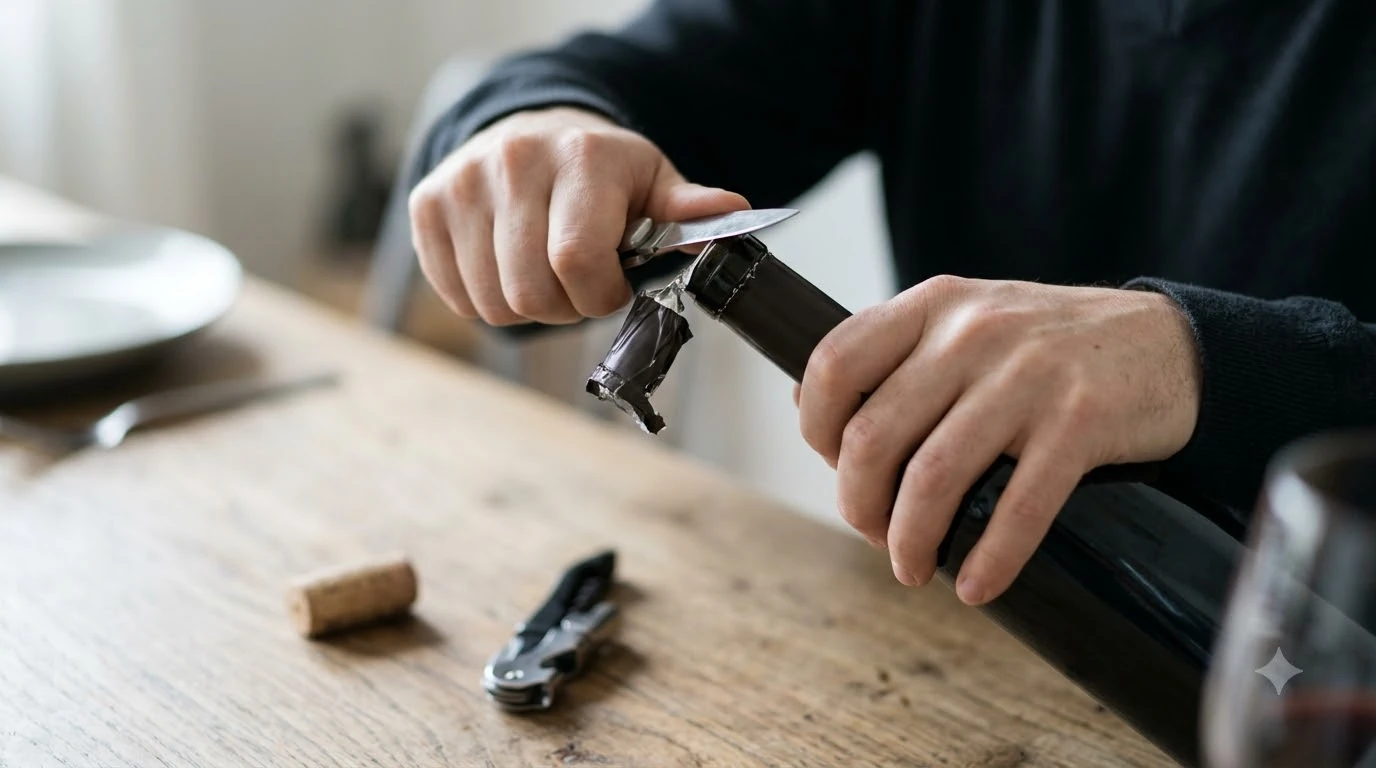
Remove the foil and loosen the wire cage while keeping a thumb over the cork. Hold the cork firmly, angle the bottle away from people, and slowly rotate the bottle rather than pulling the cork forcefully. A controlled release is preferable to a loud pop.
-
Pour in moderate amounts.
Pour approximately 5 oz per serving, allowing the bubbles to settle between pours. For a celebration, smaller initial pours can help preserve the sparkling character while guests mingle.
-
Serve alongside complementary food.
Begin with oysters, shrimp, soft cheeses, or salty appetizers. Its acidity can cut through rich foods and provide contrast to savory flavors. Adjust the menu according to the wine’s relatively light body and fresh fruit profile.
Tip: Chill Kirkland Brut to approximately 45–48°F before serving. This falls within the recommended sparkling wine temperature range and provides a practical starting point for balancing freshness, aromas, and bubbles.
Once the bottle is open, avoid leaving it sitting in a warm dining room for an extended period. Heat and exposure to air can reduce freshness and carbonation. If guests are drinking slowly, return the bottle to the refrigerator between pours.
Types or Styles Explained
Understanding the main Champagne categories helps explain why Kirkland Signature Brut tastes different from other sparkling wines. Its identity comes from the Champagne region, its blend of three principal grape varieties, and its non-vintage Brut classification.
Non-vintage Champagne
Non-vintage, commonly abbreviated NV, means that the wine is not presented as the product of one specific harvest year. Champagne producers can blend wines from different harvests to maintain a recognizable house style and achieve consistency.
This approach is particularly useful in regions where growing conditions change from one season to another. A producer can use reserve wines from previous harvests to help balance freshness, fruit, and structure. It also explains why non-vintage Champagne is often intended for relatively accessible drinking rather than long-term cellaring.
Kirkland Signature Brut belongs to this category. Its appeal is therefore based on the finished blend rather than the reputation of an individual vintage.
Brut versus other sweetness levels
Champagne sweetness terminology can be confusing because Extra Dry is actually sweeter than Brut. The classification refers to residual sugar levels, not a general impression of how fruity or refreshing the wine tastes.
| Champagne Category | Residual Sugar Per Liter | General Style |
|---|---|---|
| Brut Nature | 0–3 g | Very dry |
| Extra Brut | 0–6 g | Extremely dry |
| Brut | Under 12 g | Dry |
| Extra Dry | 12–17 g | Off-dry impression |
| Dry | 17–32 g | Noticeably sweeter |
| Demi-Sec | 32–50 g | Sweet |
| Doux | Over 50 g | Very sweet |
These classifications explain why Kirkland Brut is a practical option for people who prefer dry sparkling wine. It is not intended to taste like a dessert Champagne. Its apple, citrus, and apricot character comes through with refreshing acidity rather than an overtly sugary finish.
Traditional-method Champagne versus Prosecco
One common comparison is Champagne versus Prosecco. Both are sparkling wines, but they generally use different production methods.
Champagne undergoes its second fermentation in the bottle. This traditional method creates the carbonation and allows the wine to develop additional characteristics through contact with spent yeast cells. Prosecco is generally produced using the tank method, in which the second fermentation takes place in a pressurized tank.
Prosecco is primarily made from Glera grapes and typically has an alcohol content around 11–12% ABV. It often emphasizes fresh pear, apple, and floral aromas. Champagne made from Chardonnay, Pinot Noir, and Pinot Meunier can develop more pronounced acidity, citrus character, and yeast-derived flavors.
Neither category is automatically superior. Prosecco may suit someone seeking an easygoing aperitif, while Kirkland Brut is more appropriate for someone specifically looking for French Champagne and traditional-method production.
What distinguishes the Kirkland style?
The available tasting descriptions suggest that this bottle emphasizes freshness and fruit rather than pronounced mature Champagne complexity. Green apple, lemon, apricot, citrus, and light toast are recurring characteristics in published reviews and product descriptions.
That profile makes it flexible. It can be served before a meal, alongside appetizers, or throughout a casual dinner. A more heavily developed Champagne might be preferable for someone who prioritizes deep brioche, toasted hazelnut, and extended lees-aged complexity, but those characteristics are not the main selling point of this particular wine.
Common Mistakes When Buying and Drinking Kirkland Champagne
Many disappointments with Champagne come from incorrect expectations or poor serving practices rather than the bottle itself. Understanding the difference between dry sweetness, fruit aromas, production methods, and serving temperature helps prevent common mistakes.
Confusing Brut with Extra Dry
One of the most common misunderstandings is assuming Extra Dry means less sweet than Brut. In Champagne terminology, the reverse is true. Brut contains less than 12 grams of residual sugar per liter, while Extra Dry contains approximately 12–17 grams.
Someone looking for a relatively dry sparkling wine should generally start with Brut or Extra Brut. Kirkland Signature Brut is therefore a suitable category for those who prefer freshness over pronounced sweetness.
Expecting a luxury Champagne experience
Champagne is a regional designation, not a guarantee that every bottle will have the same complexity or maturation. A non-vintage Champagne designed for accessible drinking can be completely authentic while offering less depth than a prestigious vintage release.
Decanter specifically notes the relatively minimal lees-derived character of Kirkland Brut. This is important for drinkers who associate Champagne with pronounced brioche, roasted nuts, and pastry aromas. The bottle’s more direct fruit and citrus profile should be treated as a stylistic characteristic rather than automatically interpreted as a defect.
Serving the wine too warm
Serving sparkling wine at room temperature can make the alcohol and sweetness seem more pronounced while reducing the refreshing impression of the bubbles. Kirkland Brut should be served around 40–50°F rather than at the 60–65°F range sometimes used for full-bodied red wines.
However, extremely cold temperatures can also suppress aromas. If the wine seems unusually muted immediately after refrigeration, allow it to warm slightly in the glass before judging its character.
Confusing Champagne with other Kirkland sparkling wines
Kirkland Signature offers different wine styles, and not every sparkling bottle carries the Champagne appellation. A Kirkland Prosecco, for example, is associated with Italy and the Glera grape rather than the traditional three-grape Champagne blend.
The distinction affects both production and flavor expectations. Champagne uses bottle fermentation, while Prosecco generally uses tank fermentation. Comparing the two solely by their shared bubbles can lead to the wrong buying decision.
Assuming every bottle has identical sourcing
Private-label wine sourcing can involve multiple production partners, and published descriptions may differ between markets. The association with Manuel Janisson appears in multiple accounts of Kirkland Brut, but Costco’s international descriptions are not perfectly uniform in their producer and vineyard references.
It is better to use the specific bottle’s regional designation, product identification, and available producer information rather than assume that every Kirkland wine comes from one winery. This distinction also matters when comparing different bottlings over time.
Using the wrong food pairing
Although Champagne is versatile, some foods are more compatible than others. Very tannic red meats or intensely spicy dishes can overwhelm a relatively light Brut Champagne. Chili heat can become more pronounced alongside alcoholic beverages, so heavily spiced dishes may not show the wine at its best.
For a more reliable result, focus on salty, lightly seasoned, creamy, and seafood-based dishes. These provide contrast without overwhelming the wine’s acidity and delicate fruit.
Care and Storage Tips
Proper storage protects the wine’s freshness, carbonation, and overall drinking quality. Kirkland Brut is best treated as a Champagne intended for enjoyable drinking rather than a bottle that needs years of additional cellar aging.
Store unopened bottles consistently
A cool, dark storage area around 55°F is a practical target for wine storage. Avoid placing Champagne near ovens, radiators, sunny windows, or other sources of temperature fluctuations.
For longer storage, bottles with cork closures are commonly kept on their sides to help maintain cork moisture. Keep the storage environment reasonably stable and avoid frequent movement or vibration. A kitchen cabinet directly above an oven is not an ideal place for storing sparkling wine.
Non-vintage Champagne generally does not need extended home aging to be enjoyable. Costco Wine Blog describes this Kirkland bottling as a light, clean style with relatively little lees-derived depth and recommends prioritizing its freshness rather than intentionally holding it for many years.
Chill before opening
Refrigerate the bottle until it reaches approximately 40–50°F. If the wine needs chilling quickly, an ice bucket filled with ice and water is a practical alternative to placing it in the freezer for an extended period.
The combination of ice and water provides contact around more of the bottle’s surface than ice cubes alone. Once properly chilled, dry the bottle, remove the foil, and keep the cork pointed away from everyone while opening it.
Preserve carbonation after opening
Once opened, sparkling wine loses carbonation as carbon dioxide escapes. A dedicated sparkling wine stopper helps retain bubbles more effectively than simply replacing the cork.
Keep the remaining Champagne refrigerated and aim to consume it within approximately one to three days. The wine may remain drinkable beyond that point, but its lively effervescence and fresh aromatic character will gradually diminish.
Plan servings to reduce waste
A standard 750 ml bottle provides approximately five 5 oz servings. For a small gathering of four people, one bottle can provide a full glass for everyone with a little remaining. For a larger gathering of ten people, plan on at least two bottles for one standard serving each.
If Champagne is only one part of a larger drinks menu, smaller initial pours can help distribute the wine more efficiently. Keep the bottle cold and replenish glasses as guests are ready rather than pouring every glass at the beginning of the event.
Good storage and serving practices will not transform a straightforward non-vintage Champagne into a mature prestige bottling, but they will help preserve the qualities that make Kirkland Brut appealing: fresh fruit, lively bubbles, and refreshing acidity.
Frequently Asked Questions
Is Kirkland Champagne made using the traditional Champagne method?
Yes. Genuine Champagne must undergo its second fermentation in the bottle under the traditional method. This is different from the tank fermentation generally used for Prosecco. The production method is an essential part of what distinguishes Champagne from many other sparkling wine categories.
Does Kirkland Champagne contain sulfites?
Yes. Sulfites are a normal component of wine production and can occur naturally during fermentation, with additional sulfur dioxide sometimes used during winemaking. Costco’s UK product information specifically identifies sulfites as present in the bottle. Sulfite labeling is a separate consideration from whether a Champagne is classified as Brut or Extra Brut.
Can Kirkland Champagne be used to make mimosas?
Yes. Its fresh citrus and apple characteristics make it suitable for a mimosa. A practical starting ratio is two parts sparkling wine to one part orange juice, although the proportions can be adjusted according to preference. Chill both ingredients before mixing and pour gently to preserve carbonation.
Can Kirkland Champagne be served with sushi?
Yes. Its acidity and bubbles can complement sushi, particularly lighter preparations featuring shrimp, scallops, and white fish. Avoid pairing it with heavily chili-seasoned rolls if the goal is to appreciate the wine’s more delicate citrus and fruit character. Soy sauce and other salty accompaniments can provide a useful contrast.
Does Kirkland Champagne need to be decanted?
No. Standard non-vintage Brut Champagne is generally served directly from the bottle. Decanting can cause unnecessary loss of carbonation and is not required for this light-bodied style. A clean tulip-shaped glass is a more practical choice for appreciating its aromas while retaining the bubbles.
Kirkland Signature Brut Champagne is a sensible option for shoppers who want genuine French Champagne with approachable fruit, refreshing acidity, and a versatile dry style. Its relatively light body and restrained lees-derived character mean it is better suited to casual celebrations and food pairing than to drinkers seeking highly developed luxury Champagne. For a straightforward bottle to share with seafood, appetizers, or a festive meal, it deserves consideration. Explore our Andre Champagne overview and broader Wine Brands collection to compare other sparkling wine choices and find a style that suits your next occasion.
More in Wine Brands
 Underwood Wine Price: Compare Bottles, Cans, and Pack SizesUpdated Nov 21, 2026
 Zenato Wine Price: Compare Styles and Choose the Right BottleUpdated Nov 21, 2026
 Zuccardi Wine Price: Compare Bottles and Find the Right RangeUpdated Nov 21, 2026
 Yellow Tail Moscato Review: Taste, Sweetness and Serving TipsUpdated Nov 21, 2026
 Wolf Blass Yellow Label Review: Choose Your Best StyleUpdated Nov 21, 2026
 Wolffer Estate Rose Review: Choose the Right Bottle for Your TableUpdated Nov 21, 2026