

We may earn a commission when you buy through links on this page, at no extra cost to you. Learn more.
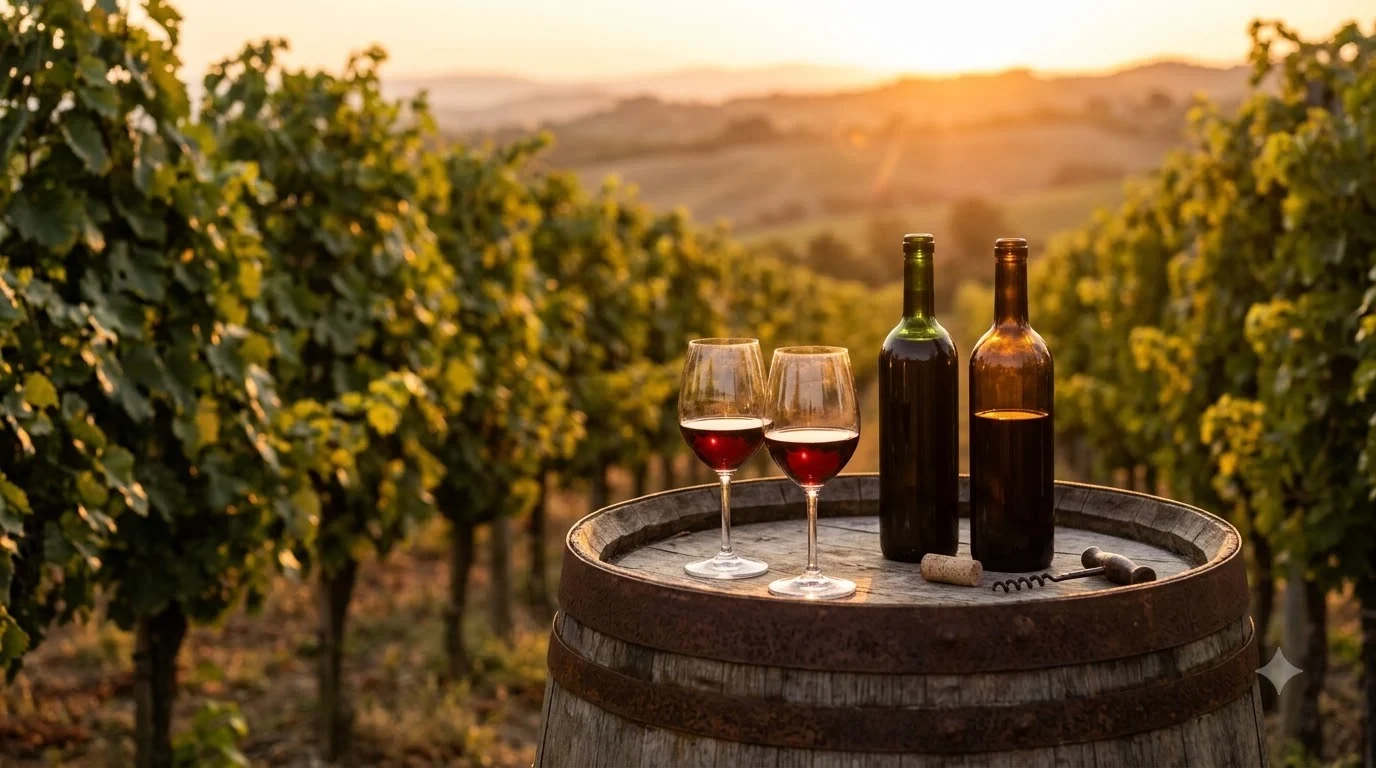
Kentucky wine country stretches across the Commonwealth, offering historic vineyards, more than 65 wineries, and six distinct regional destinations for wine lovers. Its winemaking history reaches back to the late 18th century, when Kentucky became an important center of early American commercial viticulture. Today, visitors can explore Bluegrass vineyards near Lexington, countryside tasting rooms around Louisville, historic communities near Bardstown, and winery destinations in Western Kentucky. The state’s wine scene combines locally adapted grape varieties, farm-based production, regional food traditions, and welcoming visitor experiences.
Kentucky is widely associated with bourbon, thoroughbred horses, and rolling limestone countryside, but its relationship with wine is considerably older than many visitors realize. The Commonwealth played an important role in the beginnings of American commercial winemaking. Its modern vineyards reflect a different agricultural landscape, with growers working to match grape varieties to local weather, soil, and growing conditions. Whether planning a dedicated vineyard weekend or adding a tasting stop to a broader Kentucky road trip, understanding the state’s six wine regions makes exploring easier.
How Kentucky Became an Important Part of American Wine History
Kentucky has one of the oldest documented commercial winemaking histories in the United States. Its early vineyards helped establish grape growing as a serious agricultural enterprise in the young country, long before the state became internationally recognized for bourbon.
The story centers on Swiss-born winemaker John James Dufour and First Vineyard in Jessamine County. Dufour established the vineyard in the spring of 1799 in the Big Bend of the Kentucky River, approximately nine miles south of Nicholasville. The historic operation occupied six acres, with terraces positioned on a hillside overlooking the river. Its location offered a favorable growing environment, including southern exposure and some protection from winter winds.
Dufour initially experimented with more than 35 grape varieties. Many European vines struggled with American growing conditions, but the Cape grape and Madeira grape performed better. These varieties became central to his early winemaking efforts. On March 29, 1803, Dufour presented wines from First Vineyard to members of the Kentucky Vineyard Society and other guests at Postlethwait’s Tavern in Lexington. This event is an important milestone in the development of American commercial wine production.
The vineyard’s reputation extended beyond Kentucky. Wine from the operation reached President Thomas Jefferson in 1805, and James Madison also received wine associated with First Vineyard in 1806. Dufour’s work helped spread practical knowledge about grape cultivation and encouraged other growers to experiment with commercial vineyards.
The historic First Vineyard property retains important physical features, including stone fencing, terraces, and the remains of its early stone winery. The National Register documentation identifies the historic vineyard area as six acres, with 1.2 acres of terraces restored. Its significance makes Jessamine County an especially meaningful destination for visitors interested in the origins of American wine.
Prohibition later devastated Kentucky’s wine industry. The Commonwealth eventually passed legislation in 1976 allowing wineries to resume operations, helping establish the foundation for the modern industry. Agricultural diversification and renewed interest in locally produced wine contributed to its gradual recovery.
For visitors, this history provides a useful starting point. Kentucky is not simply a place where a few wineries operate alongside bourbon distilleries. It has a longstanding connection to American viticulture, and that heritage continues to influence the identity of its modern wine producers.
Six Kentucky Wine Regions to Explore
Kentucky wine country is best approached as a collection of regional destinations rather than one compact vineyard district. The Kentucky Winery Guide identifies six regions, stretching from the northern and eastern hills to the river landscapes of the west.
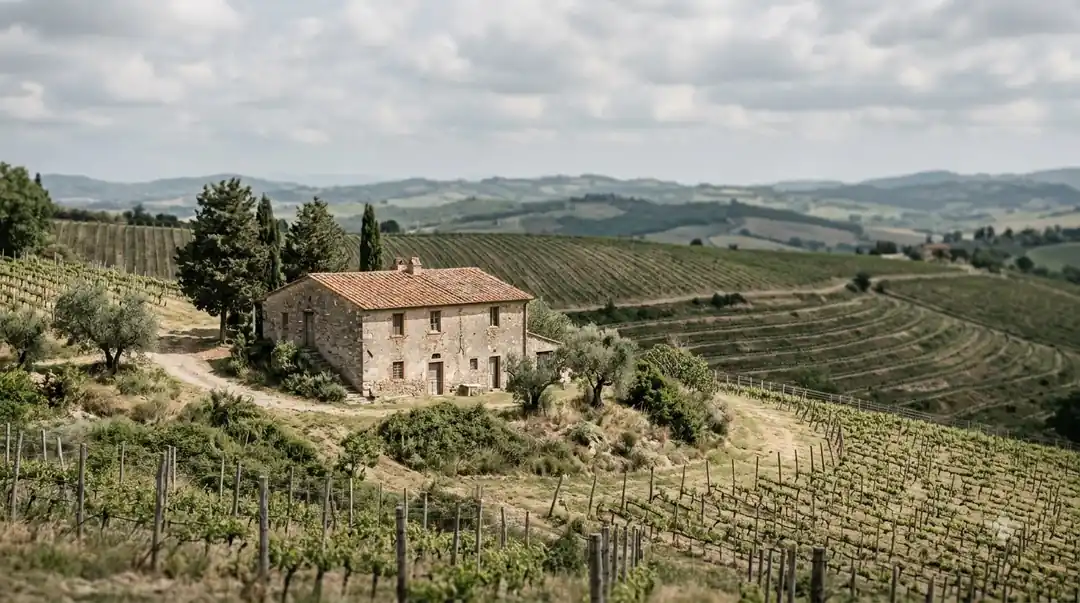
The Lexington Bluegrass region is an especially appealing starting point for first-time visitors. The Kentucky Winery Guide lists 24 wineries in this region, making it the largest of its six regional groupings. Its countryside is characterized by horse farms, rolling pastures, historic communities, and limestone landscapes. Visitors can combine vineyard stops with Lexington attractions, thoroughbred farm visits, and regional restaurants.
Northern and Eastern Kentucky offers another substantial selection, with 18 wineries listed in the regional directory. The area includes rolling hills above the Ohio River and communities with strong agricultural traditions. The Louisville Area has eight listed wineries, providing opportunities to combine urban dining and sightseeing with visits to vineyards and suburban tasting rooms.
Bardstown and Beyond includes six wineries, making it an interesting destination for visitors exploring Kentucky’s historic spirits country. Central Kentucky offers a quieter countryside experience, with 10 wineries listed in the regional directory. Western Kentucky, meanwhile, has 15 wineries listed and features wide river bottoms and forested ridges along the Mississippi and Ohio rivers.
The Kentucky Winery Guide’s regional directory provides a useful starting point for comparing destinations and identifying participating wineries. Its six regional groupings help visitors organize a trip around a particular part of the Commonwealth rather than attempting to cover the entire state.
| Wine region | Listed wineries | Regional character |
|---|---|---|
| Lexington Bluegrass | 24 | Horse farms and limestone countryside |
| Northern and Eastern Kentucky | 18 | Rolling hills and Ohio River landscapes |
| Louisville Area | 8 | Urban tasting rooms and nearby vineyards |
| Bardstown and Beyond | 6 | Historic spirits country and rural estates |
| Central Kentucky | 10 | Quiet countryside and established vineyards |
| Western Kentucky | 15 | River bottoms and forested ridges |
Source: Kentucky Winery Guide regional directory. Counts represent the listings in its six regional groupings and are useful for comparing destinations rather than establishing a permanent statewide winery total.
These regional distinctions matter when planning a trip. Lexington offers the greatest concentration of listed winery destinations, while Western Kentucky provides a more dispersed itinerary. Travelers who want to explore more than one area should account for driving distances instead of assuming that every vineyard is close to the next.
Visitors interested in comparing Kentucky with other American wine destinations can also explore Yadkin Valley wine country, which offers a useful example of a Southern wine region shaped by its own grape-growing conditions and regional identity.
Which Grapes Grow Best in Kentucky?
Kentucky growers work with three broad grape categories: European vinifera, French-American hybrids, and American or native grapes. The state’s climate makes variety selection particularly important, and successful vineyards often focus on cultivars that can handle local winter conditions and disease pressure.
European vinifera grapes are familiar to many wine drinkers because they include internationally recognized varieties such as Chardonnay, Cabernet Sauvignon, Merlot, and Riesling. These grapes can produce wines with familiar international styles, but they are generally more challenging to grow in Kentucky. According to the University of Kentucky’s Center for Crop Diversification, European cultivars are more susceptible to winter injury and diseases than American and hybrid varieties.
French-American hybrids offer another approach. These grapes were developed through breeding involving European and American grape varieties, combining characteristics useful for wine production with traits that can improve adaptation to difficult growing conditions. Depending on the vineyard, hybrid grapes may offer more dependable production than sensitive vinifera varieties.
American and native grapes are also part of Kentucky’s viticultural identity. Their suitability depends on the individual cultivar and vineyard site, but they can provide growers with additional choices in a climate where temperature fluctuations and disease management are important concerns.
Understanding the Main Grape Categories
Rather than assuming that every Kentucky vineyard grows the same varieties, visitors should approach tastings as an opportunity to discover the grapes each producer has chosen. A winery’s selection may reflect its agricultural conditions, winemaking approach, and preferred wine styles.
Cabernet Franc, Cabernet Sauvignon, Chardonnay, Merlot, Riesling, and other familiar varieties can provide useful reference points when exploring the state’s wines. Hybrid and native varieties may offer a more distinctly regional experience. The finished wines can range from dry whites and fruit-forward reds to sweeter wines designed for casual drinking and food pairings.
Some vineyards also experiment with multiple grape categories to spread agricultural risk. A producer might cultivate European varieties where site conditions are favorable while relying on hybrids or American grapes for other parts of the vineyard. This flexibility helps explain why Kentucky wineries can have different grape selections even when they operate within the same general region.
The University of Kentucky identifies black rot as one of the most important grape diseases affecting local vineyards. Other challenges include grape berry moth, grape flea beetle, Japanese beetle, and phylloxera. These pressures make vineyard management an essential part of producing consistent fruit.
The University of Kentucky’s grape production overview explains how climate, cultivar selection, and vineyard management influence commercial grape growing in the state. For additional background on how geography influences wine production elsewhere, see our overview of wine regions. The same principle applies in Kentucky: local growing conditions have a direct influence on which grapes are practical and which wine styles producers can make reliably.
What Kentucky Wine Tastes Like
There is no single flavor profile that defines Kentucky wine. The state produces wines from different grape categories, and individual wineries follow their own approaches to sweetness, acidity, oak aging, and fermentation. The best way to understand the region is to sample several styles rather than expecting every bottle to taste alike.
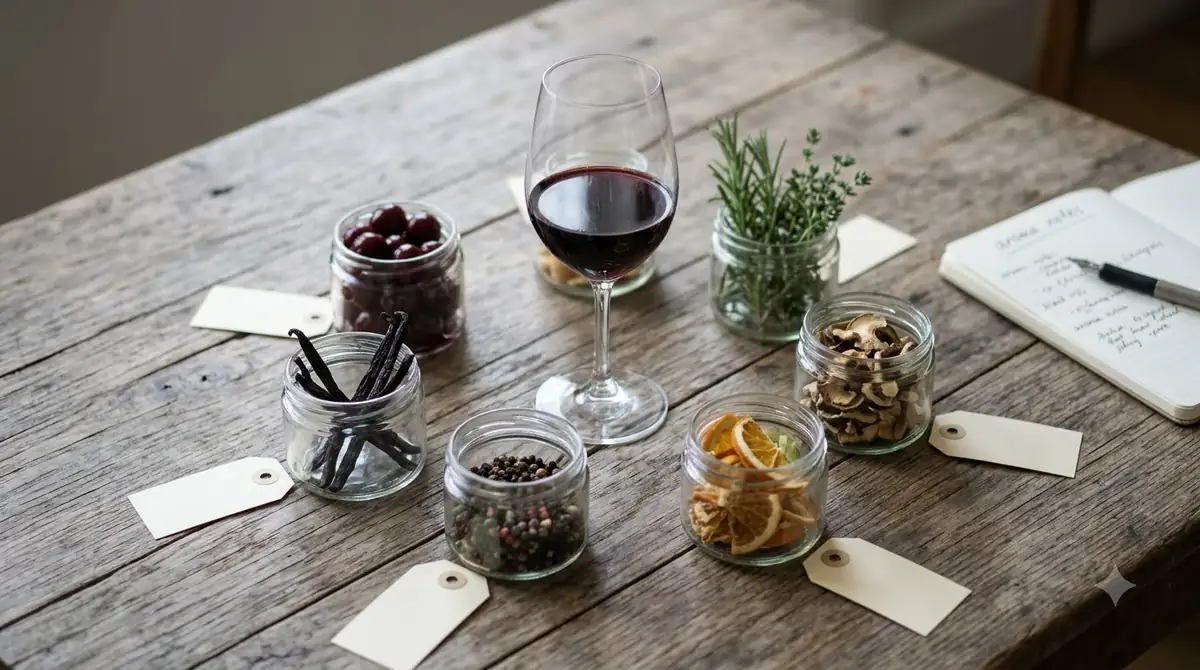
Dry white wines are a useful place to begin. Chardonnay can provide familiar flavors associated with apple, pear, citrus, and sometimes vanilla or toast when oak is used. Riesling generally offers higher acidity and can range from dry to sweet. Other white varieties may show floral, tropical fruit, or citrus characteristics depending on the grape and harvest conditions.
Red wines offer another range of possibilities. Cabernet Sauvignon typically produces fuller-bodied wines with substantial tannin, while Merlot tends to have softer tannins and a rounder texture. Cabernet Franc can show fresh red fruit, herbal notes, and moderate structure. Hybrid and American grape varieties can produce different combinations of fruit, acidity, and body.
Sweet wines are also part of the American regional winery experience. Some Kentucky producers offer fruit-forward bottles and sweeter selections for visitors who prefer a less tannic or more approachable style. These wines can be particularly useful when pairing with desserts or spicy dishes, provided the sweetness is matched to the food.
How to Approach a Kentucky Wine Tasting
A tasting flight is an effective way to compare styles. Begin with lighter whites, move toward fuller whites, then sample rosé and lighter reds before finishing with fuller-bodied or sweeter wines. This progression helps preserve your ability to notice differences in acidity, fruit intensity, tannin, and finish.
Pay attention to acidity as well as sweetness. Riesling and Sauvignon Blanc generally have high acidity, making them useful with dishes that contain lemon, vinegar, or tomatoes. Chardonnay usually has medium acidity and can complement poultry, creamy dishes, and roasted vegetables.
Red wines require a little more attention to tannin. Cabernet Sauvignon has high tannin, Merlot has medium and softer tannin, and Pinot Noir typically has lower to medium tannin with relatively high acidity. Salt and fat can soften the perception of tannin, which is why structured reds often work well with grilled meats and rich cheeses.
Tip: Ask the tasting-room staff which wines are made from Kentucky-grown grapes rather than fruit sourced elsewhere. This distinction helps you understand the local agricultural character of the wine and makes comparisons between producers more meaningful.
When building a tasting flight, compare two wines made from the same grape if possible. A Chardonnay from one producer may have a different texture and oak influence from another, while two Rieslings may differ considerably in residual sugar. Comparing similar varieties helps identify winemaking choices without confusing them with grape differences.
Planning a Kentucky Vineyard Trip
The most practical way to visit Kentucky wineries is to choose one regional base and organize a manageable route around it. Lexington, Louisville, Bardstown, and communities in Western Kentucky each provide different opportunities for combining wine visits with local attractions.
For a first trip, the Lexington Bluegrass area is a strong option because its regional directory includes 24 wineries. Visitors can build a countryside itinerary around vineyard visits, horse farms, historic sites, and local restaurants. The surrounding communities also provide opportunities to experience Kentucky’s agricultural heritage beyond the tasting room.
Louisville works well for travelers who prefer a combination of city attractions and rural excursions. The regional directory lists eight wineries in the Louisville Area. Visitors can spend part of the day exploring restaurants, museums, and historic neighborhoods before traveling outside the city for a vineyard visit.
Bardstown and its surrounding communities offer another interesting option. With six wineries listed in the regional directory, this area is smaller than Lexington’s winery grouping, but its location makes it attractive to visitors interested in Kentucky’s broader food and drink traditions. Wine visits can be combined with historic architecture, local dining, and distillery-related tourism.
Western Kentucky deserves consideration for a dedicated wine-focused road trip. The Kentucky Winery Guide lists 15 wineries in this region, and the West Kentucky Wine Trail provides an additional way to organize visits. The trail’s passport program features nine wineries, allowing visitors to collect stamps at participating destinations.
Travelers comparing Southern wine destinations might also enjoy Hill Country vineyards. Both destinations demonstrate how regional wine tourism can be combined with local food, rural scenery, and other attractions, although their grape-growing conditions and wine identities are different.
Practical Details Before Leaving
Winery hours, tasting policies, food availability, and reservation requirements vary by establishment. Some properties emphasize scheduled tastings, while others offer more casual experiences. Checking the individual winery’s visitor information before departure helps prevent unnecessary driving and missed appointments.
Allow enough time between stops. A tasting can take longer than expected, particularly when a producer offers several wines or a vineyard tour. Planning two or three winery visits in one day is generally more comfortable than trying to cover an entire regional directory in a single afternoon.
Seasonal weather also matters. Spring and summer provide opportunities to see actively growing vines, while late summer and early fall can bring harvest activity. Fall visits may offer attractive countryside scenery, although harvest schedules vary according to grape variety, weather, and producer decisions.
Visitors should arrange a designated driver or transportation service whenever wine tastings are part of the itinerary. Rural winery locations can involve significant distances between stops, and a planned transportation arrangement makes the experience more comfortable for everyone.
Food Pairings and Serving Kentucky Wines
Kentucky wines can complement many of the foods associated with the region, including grilled meats, fried chicken, barbecue, cheeses, and seasonal produce. The best pairing depends on the wine’s acidity, sweetness, body, and tannin rather than simply matching a bottle to a regional dish.
For richer meals, medium- to full-bodied red wines can work particularly well. Cabernet Sauvignon can accompany grilled beef and other fatty meats because the protein and fat soften its tannin. Merlot offers a gentler alternative for roast chicken, pork, and dishes with moderate richness. Lighter Pinot Noir can complement roasted poultry, mushrooms, and dishes that benefit from fresh acidity rather than substantial tannin.
White wines provide more flexibility with lighter meals. Chardonnay can work with roasted chicken, creamy pasta, and mild cheeses. Riesling is particularly useful with dishes that include acidity, sweetness, or spice. Its acidity can refresh the palate, while an off-dry style can balance moderate chili heat when alcohol and tannin are not excessive.
Rosé is a practical choice for picnic food, salads, sandwiches, and grilled vegetables. Its versatility makes it useful for outdoor meals and casual gatherings. Sparkling wine can also be a good match for fried foods, salty appetizers, and lighter seafood dishes.
Serving Temperatures and Storage
Serving temperature influences how a wine’s aroma, acidity, sweetness, and alcohol are perceived. Many visitors make the mistake of serving all white wines extremely cold and all red wines at room temperature. A more precise approach brings out the character of each style.
| Wine style | Recommended serving temperature |
|---|---|
| Sparkling wine | 40–50°F |
| Light whites and rosé | 45–50°F |
| Full-bodied whites | 50–55°F |
| Light-bodied reds | 55–60°F |
| Full-bodied reds | 60–65°F |
| Sweet whites | 43–50°F |
A standard tasting pour is approximately 5 ounces, and a 750-milliliter bottle provides about five such glasses. If a bottle is opened but not finished, sparkling wine generally keeps for one to three days in the refrigerator, while most still wines remain enjoyable for approximately three to five days when properly sealed and refrigerated.
Young, full-bodied red wines may benefit from 30 to 60 minutes of decanting, especially when their tannins are pronounced. Long-term storage is best handled in a cool, consistent environment near 55°F, with cork-finished bottles stored on their sides to keep the cork from drying out.
For dessert pairings, select a wine that is at least as sweet as the dessert. A dry wine paired with a very sweet dessert can taste thin or excessively acidic. For cheese boards, consider the contrast between creamy textures and fresh acidity, while remembering that salty foods can soften the perception of tannin in red wines.
Frequently Asked Questions
Was Kentucky really home to America’s first commercial vineyard?
First Vineyard in Jessamine County is recognized in its National Register documentation as the first viable commercial winery and vineyard in the United States. John James Dufour’s operation began in 1799, and its early wines were presented at a Lexington gathering in 1803. The historic site also played a role in distributing grape cuttings and practical vineyard knowledge to other American growers.
Did Kentucky wine once reach the White House?
Yes. Historical documentation records that wine from First Vineyard was sent to Thomas Jefferson in 1805. James Madison also received wine associated with the vineyard in 1806. These connections illustrate the national visibility of Kentucky’s early commercial winemaking efforts.
Why did Kentucky’s early wine industry struggle?
Early growers faced significant difficulties adapting European grape varieties to American conditions, including diseases and unsuitable growing environments. At First Vineyard, many of the original plantings failed, while the Cape and Madeira grapes performed better. A severe freeze in March 1809 subsequently destroyed the vineyard’s grape crop and contributed to the end of Dufour’s original operation.
Can visitors see the historic First Vineyard property?
First Vineyard is a documented historic property near Nicholasville in Jessamine County. Its National Register record describes surviving stone fencing, winery remains, and vineyard terraces. Visitors should verify current access arrangements and permission requirements before attempting to visit the privately situated historic property.
How many grape growers operate in Kentucky?
The Kentucky Department of Agriculture reports more than 113 grape producers in the Commonwealth. These producers work with European, French-American hybrid, and American or native grape categories. Grape producers and winery facilities are different measurements, so their totals should not be treated as interchangeable.
Kentucky wine country offers something beyond its familiar bourbon reputation: a deep American winemaking history, six regional destinations, and a growing community of vineyard producers. From the historic landscape of Jessamine County to the tasting rooms of the Lexington Bluegrass and Western Kentucky regions, visitors can discover wines shaped by local agriculture and individual winemaking traditions. Choosing one region, exploring its wineries at a comfortable pace, and sampling several grape varieties provides an excellent introduction to the Commonwealth’s distinctive wine culture.
More in Wine Regions
 Willcox Wine Trail: Discover Arizona’s High-Elevation Wine CountryUpdated Nov 20, 2026
 Yakima Valley Wine Region: Find the Best Styles to TryUpdated Nov 20, 2026
 Vosne Romanee Wine Tasting: Identify Aromas and Choose Better PairingsUpdated Nov 20, 2026
 Yakima Valley Wine Festival: Find the Best Seasonal Wine EventsUpdated Nov 20, 2026
 Wales Vineyards: Discover Cool-Climate Wines and Where to VisitUpdated Nov 20, 2026
 Yountville Wine Festival: Discover Napa Wines and Local FoodUpdated Nov 20, 2026