

We may earn a commission when you buy through links on this page, at no extra cost to you. Learn more.
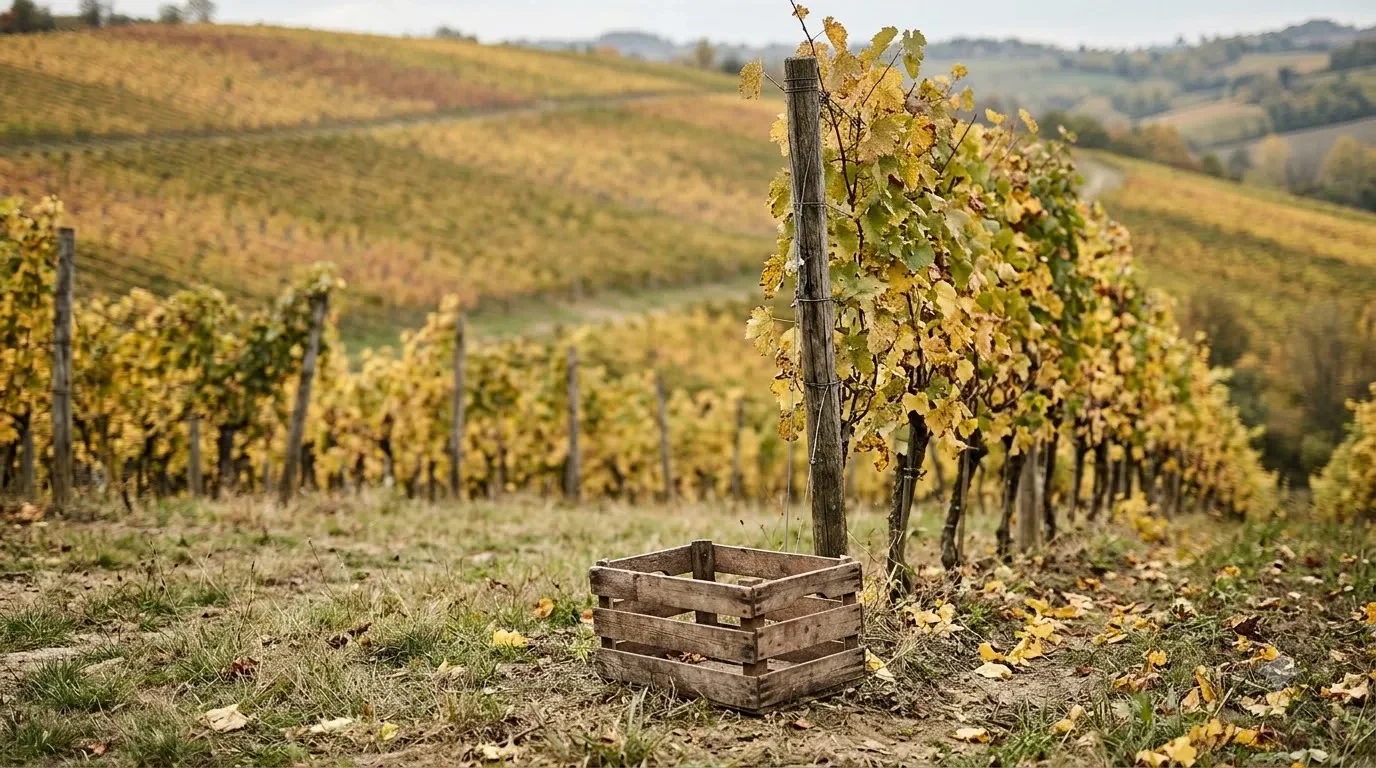
Kentucky vineyards are spread across the Bluegrass, northern river counties, and the western part of the state, with most of them run as small, family-owned farms. The state has close to 70 small-farm wineries, and many of them grow French-American hybrids and native grapes that handle humid summers better than classic European vines. Knowing which part of the state a vineyard sits in helps explain its grapes and its style.
This guide walks through where Kentucky’s vineyards are, how the industry developed from its earliest plantings, and what to look for when you visit. If you plan a trip, the regional breakdown below is the quickest way to plan a route.
How Kentucky’s Vineyards Started
Kentucky has a longer vineyard history than many people expect. The Ohio River Valley’s relatively mild climate attracted early winemakers, and the state’s wine history describes it as the largest wine-producing state by volume in the American South.Jean-Jacques Dufour, a Swiss immigrant, planted what is often described as the first commercial vineyard in the United States near the Kentucky River in Jessamine County in 1799. The Kentucky Vineyard Society also began plantings that year, and it is remembered as one of the first serious attempts at large-scale American viticulture.
By the late 1800s, Kentucky ranked as the third-largest grape and wine producer in the country. Prohibition wiped out most of the industry, and recovery was slow. Kentucky passed legislation in 1976 that allowed wineries to operate, and many of today’s vineyards date to the mid-1990s and later, when growers began planting again in earnest.
Where the Vineyards Are Located
Kentucky’s vineyards cluster in a few distinct areas, and each one has its own terrain and local market. The state has two federally recognized viticultural areas, the Indiana Uplands and the Ohio River Valley, which cover much of the southern and western part of the region. Wineries in the Bluegrass, along the Ohio River, and in the west each have their own identity.

| Area | Examples of towns and wineries | What to expect |
|---|---|---|
| Central Kentucky and the Bluegrass | Lexington, Midway, Frankfort; Equus Run Vineyards, Talon Winery, Prodigy Vineyards | Many of the state’s best-known small wineries, with farm and horse-country settings |
| Northern Kentucky | Covington and the Rabbit Hash area; Camp Springs Vineyard, Verona Vineyards | Vineyards close to the Ohio River and to Cincinnati |
| Western Kentucky | Paducah; Purple Toad Winery, Bluegrass Vineyard | The Western Kentucky Wine Trail links wineries across the region |
| Bullitt County | Brooks Hill Winery, Forest Edge Winery, Wight-Meyer Vineyard and Winery | A Wine and Whiskey Trail that pairs tasting rooms with bourbon stops |
The Bluegrass has the densest mix of tasting rooms, which makes it the easiest starting point for first-time visitors. The northern river counties offer a different experience, with vineyards that look toward the Ohio River and the Cincinnati market. In the west, the wine trail structure makes it easy to visit several wineries in one day.
Grapes Grown in Kentucky Vineyards
Kentucky’s climate favors French-American hybrids and native grapes over classic vinifera. Hybrids are bred to handle humid summers and disease pressure, which is why they dominate the state’s plantings. Vidal Blanc, Chambourcin, and Chardonel are among the most common examples, and many winemakers use them for fresh whites and fruity reds.
Older vineyards also grew Concord, Catawba, and Norton, which remain part of the state’s wine story. In recent years, growers have added more Cabernet Sauvignon, Chardonnay, and Cabernet Franc, which reflects both consumer demand and a wider interest in classic varietals. Visitors who want to understand the land should taste a hybrid white and a classic red side by side. When a hybrid name appears on a Kentucky label, it signals a grape chosen for local growing conditions, and the easiest way to learn its style is to taste it at the winery where it was grown, ideally with a staff member who can explain the vineyard’s approach.
Visiting Kentucky Vineyards
Most Kentucky vineyards are small and family run, so hours and offerings can change from season to season. A Kentucky wine guide lists dozens of small wineries across the state and advises visitors to contact each winery directly before a trip. Many tasting rooms also host seasonal festivals, and the dates shift from year to year.
The state’s Kentucky Proud program promotes locally made products, which gives visitors an easy way to look for local bottles at shops and restaurants. Bullitt County’s wine and whiskey trail is a good example of how Kentucky wineries work with other local producers, since visitors can combine a tasting with a bourbon stop in the same afternoon.
Tip: Ask the tasting room staff about the sweetness level before you buy. Many Kentucky wineries show a standardized number on the label, which makes it easier to choose a bottle that matches your taste.
Why Kentucky-Grown Fruit Matters
Kentucky’s state government runs a commercial wine competition with the Kentucky Winery Association, and it is one of the clearest ways to see how local vineyards are recognized. The competition rewards wines that are made from local fruit, and the state’s top honor, the Commissioner’s Cup, goes to gold-medal wines made from at least 75 percent Kentucky-grown fruit.
That rule matters for anyone reading a label. A bottle that carries a Kentucky-grown designation tells you that the fruit came from the state’s vineyards rather than being shipped in from elsewhere. It also tells you that the vineyard had to produce enough quality fruit to win a medal in a competitive field, which is a useful signal when you are choosing between a local bottle and an imported one.
What Makes Kentucky Vineyards Different
Kentucky vineyards are shaped by the state’s humid climate, its river valleys, and its long history of small farms. Compared with dry-summer vineyards such as those in the Arizona vineyards guide, Kentucky growers must manage humidity and disease more closely, which explains the focus on hybrids and resilient native varieties.
The result is a wine scene that feels personal. Many wineries are family businesses, and the people pouring at the tasting room are often the people who planted the vines. For readers who want to compare another American growing area, the Chalk Hill vineyards guide shows how a different setting leads growers to make different choices about grapes and farming.
Frequently Asked Questions
Where are most Kentucky vineyards located?
Vineyards are concentrated in central Kentucky and the Bluegrass, in the northern river counties near Covington, and in the western part of the state around Paducah. Bullitt County also has a wine and whiskey trail.
What grapes do Kentucky vineyards grow?
Most vineyards grow French-American hybrids and native grapes, including Vidal Blanc, Chambourcin, and Chardonel. Some also grow Cabernet Sauvignon, Chardonnay, and Cabernet Franc, while older plantings included Concord, Catawba, and Norton.
How many wineries does Kentucky have?
Estimates vary, but a source covering the state’s wine industry describes close to 70 small-farm wineries. Counts change as new wineries open and others close, so check a current trail guide before planning a route.
When did Kentucky vineyards start?
Kentucky’s first commercial plantings date to 1799, when Jean-Jacques Dufour planted a vineyard in Jessamine County. The state was once a major wine producer before Prohibition, and the modern industry grew back from the mid-1990s onward.
If you want to see Kentucky vineyards in person, start in the Bluegrass and then plan a longer loop through the western trail. Keep a current trail guide handy, since winery hours and festival dates change from year to year. Use the wine regions guide to compare what you taste with other American growing areas, and take notes on the hybrid and native grapes you sample so you can recognize them on future labels.
More in Wine Regions
 Willcox Wine Trail: Discover Arizona’s High-Elevation Wine CountryUpdated Nov 20, 2026
 Yakima Valley Wine Region: Find the Best Styles to TryUpdated Nov 20, 2026
 Vosne Romanee Wine Tasting: Identify Aromas and Choose Better PairingsUpdated Nov 20, 2026
 Yakima Valley Wine Festival: Find the Best Seasonal Wine EventsUpdated Nov 20, 2026
 Wales Vineyards: Discover Cool-Climate Wines and Where to VisitUpdated Nov 20, 2026
 Yountville Wine Festival: Discover Napa Wines and Local FoodUpdated Nov 20, 2026