

We may earn a commission when you buy through links on this page, at no extra cost to you. Learn more.
Juvé y Camps wine is premium Spanish sparkling wine, best known for traditional-method Cava made with local Penedès grapes and extended bottle aging. This family-owned producer combines Xarel·lo, Macabeo and Parellada with carefully selected international varieties to create fresh Brut wines and complex Gran Reserva bottlings. Its range includes approachable sparkling wines for aperitifs as well as distinctive, long-aged bottles suited to celebrations and food-focused dinners.
Based in Sant Sadurní d’Anoia in Catalonia, Juvé & Camps has developed a reputation around patience, vineyard care and the character of traditional-method sparkling wine. Understanding its history, grape varieties, sweetness levels and individual cuvées makes it easier to choose a bottle that suits your taste and occasion. The following guide explains what distinguishes the producer and how to enjoy its wines.
The History and Identity of Juvé & Camps
Juvé & Camps is a historic family wine producer from the Penedès region of northeastern Spain. Its identity is closely connected to Cava, the country’s traditional-method sparkling wine, and to the town of Sant Sadurní d’Anoia, an important center of Spanish sparkling wine production.
The family’s winemaking history reaches back to 1796, when Joan Juvé Mir began establishing the family’s winegrowing activities. The business developed over successive generations, but an important milestone arrived in 1921. That year, Joan Juvé Baqués and his wife, Teresa Camps Ferrer, established underground production facilities at their family home and produced the first sparkling wine under the Juvé name.
The next generation expanded the operation. In 1940, Josep and Joan Juvé Camps joined the management team and developed a new winery outside Sant Sadurní d’Anoia. Further expansion followed in 1960, when the winery improved its underground cellars and introduced temperature control and pneumatic pressing. These investments helped combine traditional bottle fermentation with greater precision during the early stages of winemaking.
Two releases helped define the modern identity of the house. Gran Juvé & Camps appeared in 1972 as a long-aged sparkling wine associated with exceptional vintages. Reserva de la Familia followed in 1976, originally created for the family’s private enjoyment before becoming one of the producer’s signature wines.
International expansion began in 1982, with exports reaching the United States, United Kingdom, Germany, Japan and other markets. Today, the producer’s identity rests on four generations of family winemaking, organic vineyard management and a focus on premium sparkling wine rather than competing solely on production volume.
For readers exploring other established wine producers, the broader Wine Brands collection offers useful comparisons. Juvé & Camps stands apart because its best-known wines are sparkling rather than conventional still reds or whites.
Penedès Vineyards and the Mediterranean Growing Environment
The character of Juvé & Camps begins in Penedès, a wine region in Catalonia between Barcelona and the Mediterranean coast. Its vineyards occupy different elevations and soil types, allowing the winery to select grapes according to the requirements of individual sparkling wine styles.
The producer reports owning 271 hectares of vineyards across its estates. Three important vineyard areas are Espiells, Mediona and La Cuscona. Their differences in altitude, soil composition and local climate help explain why the winery can produce both fresh, fruit-driven sparkling wines and more structured, complex bottlings.
Espiells is the largest estate, with 200 hectares of vineyards. Its clay and limestone soils sit at elevations between 180 and 245 meters. The estate is particularly important for varieties such as Xarel·lo and Macabeo, while Chardonnay and Pinot Noir also grow successfully in suitable vineyard locations. The celebrated La Capella vineyard is located within this estate.
Mediona provides a different growing environment. Its vineyards sit between 500 and 750 meters above sea level, where cooler conditions and noticeable differences between daytime and nighttime temperatures help preserve freshness. Parellada, a traditional Cava grape, is particularly suited to these higher-altitude conditions.
La Cuscona is a smaller, 17-hectare estate south of Sant Sadurní d’Anoia. Its deep limestone soils and distinctive microclimate make it particularly useful for Macabeo, a grape valued for its contribution to freshness, fruit and balance.
These different vineyard environments matter because sparkling wine depends on the balance of acidity, fruit and structure. Grapes harvested with sufficient acidity can produce refreshing base wines that remain lively after secondary fermentation and extended bottle aging.
Juvé & Camps also emphasizes organic vineyard management. The producer received organic winegrowing certification in 2015 following a conversion process that began several years earlier. Its approach includes manual harvesting, careful grape selection and an emphasis on maintaining biodiversity in vineyard surroundings.
For wine drinkers, the practical takeaway is that the producer’s style is not based on one grape or one vineyard environment. Different sites contribute different characteristics to the finished blends, allowing the winemaking team to create wines with distinct levels of freshness, concentration and complexity.
Grape Varieties Behind Juvé & Camps Sparkling Wine
Traditional Cava grapes form the foundation of many Juvé & Camps wines. Xarel·lo, Macabeo and Parellada each contribute different qualities, while Chardonnay and Pinot Noir provide additional options for selected cuvées.
Xarel·lo is an important indigenous white grape in Penedès. It contributes acidity, structure and a distinctive savory character to sparkling blends. Depending on the vineyard and maturation period, it can develop notes associated with citrus, herbs, ripe orchard fruit and mineral impressions. Its ability to retain structure makes it particularly valuable in wines intended for extended aging.
Macabeo, also known as Viura in other Spanish wine regions, contributes fruit, freshness and aromatic balance. Its profile can include apple, pear and subtle floral notes. In a traditional Cava blend, it helps provide a rounded fruit foundation that complements the more structured character of Xarel·lo.
Parellada generally grows in cooler, higher-altitude locations. It contributes delicate aromas, elegance and freshness. Its lighter character helps balance the other varieties, particularly in blends intended to emphasize finesse rather than weight.
International varieties also appear in the producer’s portfolio. Chardonnay is used for wines such as Milesimé Chardonnay, while Pinot Noir appears in rosé, Blanc de Noirs and selected single-variety sparkling wines. Pinot Noir is a black grape, but its juice can produce a white sparkling wine when the skins are separated quickly during pressing.
The following table summarizes the main varieties and their typical contributions to the producer’s range.
| Grape variety | Color | Typical contribution | Common role |
|---|---|---|---|
| Xarel·lo | White | Structure, acidity and savory character | Traditional Cava blends and single-variety wines |
| Macabeo | White | Apple, pear and balanced fruit | Traditional Cava blends |
| Parellada | White | Freshness, delicacy and floral notes | Traditional Cava blends |
| Chardonnay | White | Orchard fruit, citrus and body | Selected premium sparkling wines |
| Pinot Noir | Black | Red fruit, texture and structure | Blanc de Noirs and rosé styles |
Blending allows the producer to adjust the balance between freshness, fruit, texture and aging potential. A wine dominated by Xarel·lo can feel more structured, while a blend containing more Parellada may emphasize delicacy. Chardonnay and Pinot Noir provide further opportunities to create distinctive expressions.
This approach is one reason Juvé & Camps offers more variety than a simple comparison between Brut and Brut Nature might suggest. The grape combination, vineyard origin and time spent on the lees all influence the final wine.
Traditional Bottle Fermentation and Extended Lees Aging
Juvé & Camps uses the traditional method, in which a still base wine undergoes a second fermentation inside the bottle. This process produces the carbon dioxide responsible for the wine’s bubbles and allows the sparkling wine to develop additional complexity during contact with spent yeast cells, known as lees.
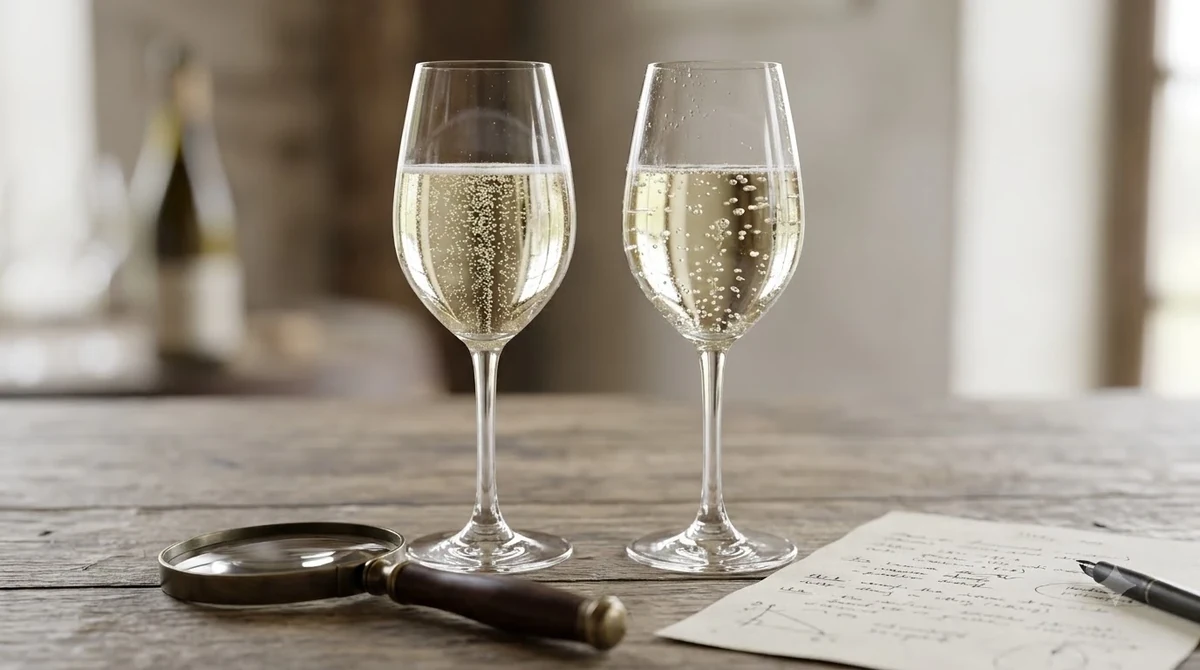
Winemaking starts with grape selection and the production of base wines. The grapes are harvested by hand and selected for quality before gentle pressing. The resulting juice undergoes its first fermentation, generally in temperature-controlled stainless-steel tanks. The winemaking team then assembles the blend before bottling it with the ingredients needed for the second fermentation.
Once the second fermentation takes place, the wine remains in contact with the lees. This period is important because yeast autolysis gradually contributes aromas and texture associated with bread, pastry, brioche and toasted nuts. These characteristics become more noticeable in wines that spend extended periods aging in the bottle.
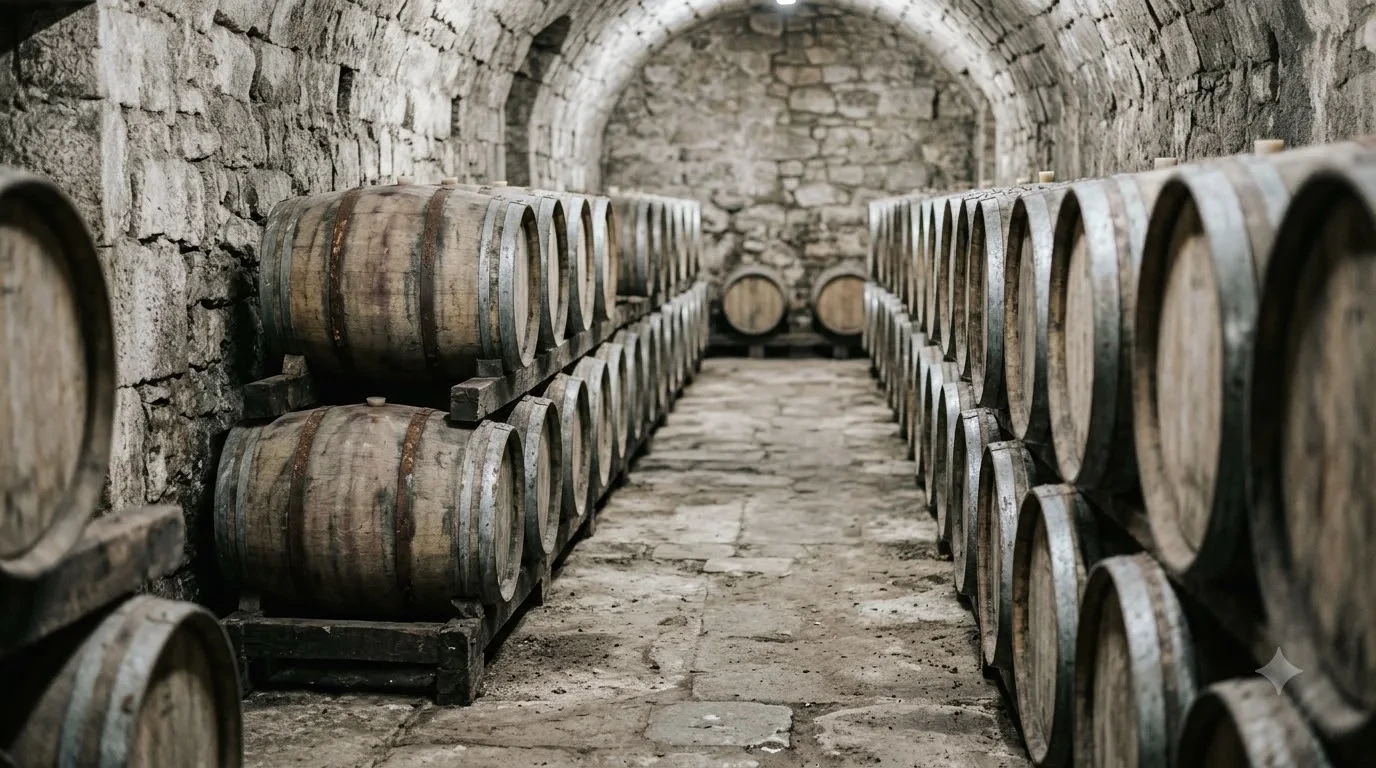
The producer’s underground cellars in Sant Sadurní d’Anoia are central to this process. The historic facilities contain six levels of tunnels beneath adjoining buildings. According to the winery, temperatures range from approximately 12 to 18 degrees Celsius depending on the season and the depth of the galleries.
Bottles mature on racks, and manual riddling remains part of the traditional cellar work. Riddling gradually moves the yeast sediment toward the neck of the bottle. After aging, the neck can be chilled and the sediment removed during disgorgement.
Dosage is another important decision. After disgorgement, a small quantity of wine-based solution may be added to determine the finished sweetness level. Brut Nature wines receive no added dosage, making them especially suitable for drinkers who prefer very dry sparkling wine.
Juvé & Camps is particularly associated with extended lees aging and relatively minimal dosage. Decanter highlights these elements, together with vintage specificity, as defining aspects of the producer’s approach. Its discussion of Juvé & Camps long-aged sparkling wines also explains how vineyard quality and maturation influence the development of premium cuvées.
Longer aging does not automatically mean that every bottle will taste better to every drinker. A younger Brut may offer more direct citrus and orchard-fruit flavors, while a long-aged Gran Reserva generally provides greater complexity, a more developed texture and additional savory or pastry-like notes.
Popular Juvé & Camps Wines and Their Differences
The producer’s portfolio includes fresh, accessible Cava, premium Brut Nature wines, single-variety bottlings and long-aged Gran Reserva selections. Choosing between them is easier when you understand their grape composition, maturation and intended drinking style.
Reserva de la Familia Brut Nature
Reserva de la Familia is one of the most recognizable wines in the Juvé & Camps collection. Introduced in 1976, it began as a wine intended for the family’s own consumption. Its traditional blend centers on Xarel·lo, Macabeo and Parellada, and its Brut Nature classification indicates an especially dry style.
The wine is a strong starting point for anyone interested in the producer’s house style. Expect a combination of freshness, citrus and orchard fruit with additional complexity from lees aging. Its dry profile makes it suitable for seafood, shellfish, savory appetizers and dishes containing richer ingredients.
Gran Juvé & Camps
Gran Juvé & Camps is an important prestige cuvée, first released in 1972. It is produced only in exceptional vintages and is associated with the Espiells vineyards. Its extended maturation gives the wine greater aromatic and textural complexity than a straightforward young Cava.
The cuvée is a good choice for a formal dinner, a milestone celebration or a tasting focused on the development of traditional-method sparkling wine. Its more developed profile can complement roasted poultry, richer seafood preparations and dishes featuring mushrooms.
La Capella
La Capella is a distinctive single-vineyard wine associated with the producer’s emblematic vineyard in Espiells. It is made from Xarel·lo and represents the winery’s interest in expressing the character of a particular site rather than relying exclusively on a blended house style.
Extended maturation and the variety’s natural structure help create a sparkling wine with depth and a savory character. This is an interesting selection for experienced sparkling wine drinkers who want to explore how vineyard origin influences Cava.
Essential Púrpura Brut
Essential Púrpura offers a more approachable expression of the winery’s traditional grape blend. It uses Xarel·lo, Macabeo and Parellada and spends at least 24 months aging on its lees. The producer’s technical information identifies an alcohol level of 12% ABV and a Brut sweetness classification.
Its profile emphasizes fresh fruit and floral aromas, with a subtle toasted character from maturation. This style works well as an aperitif and alongside lighter meals, including vegetable tempura, eggs Benedict and pasta dishes.
Blanc de Noirs and Pinot Noir Wines
Juvé & Camps also produces sparkling wines based on Pinot Noir. Blanc de Noirs demonstrates how a black grape can create a white sparkling wine when the juice is separated from the skins before significant color extraction occurs.
Pinot Noir can contribute red-berry fruit, structure and a different aromatic profile from the traditional white Cava grapes. Rosé bottlings provide another expression of the variety, making this part of the range worth considering for drinkers who prefer a more fruit-forward sparkling style.
Sweetness, Flavor and How to Choose a Bottle
Sweetness classification is one of the simplest ways to understand the style of a sparkling wine. Juvé & Camps produces Brut and Brut Nature bottlings, so its portfolio generally suits drinkers who prefer dry sparkling wines rather than noticeably sweet styles.
Brut Nature is the driest commonly encountered category in the traditional sparkling wine sweetness scale. It allows the natural acidity, fruit and lees-derived character to remain prominent without the addition of dosage. This is particularly appealing for people who enjoy crisp, refreshing sparkling wines with a savory finish.
Brut is also dry, but it permits a higher residual sugar level than Brut Nature. The difference can be subtle in a well-balanced wine, although Brut may seem slightly rounder or softer on the palate.
The usual sweetness classifications, from driest to sweetest, are:
- Brut Nature: The driest category, with no added dosage.
- Extra Brut: Very dry, with slightly more permitted residual sugar.
- Brut: Dry, with a little more sweetness than Extra Brut.
- Extra Dry: Noticeably softer than Brut despite its name.
- Dry: Sweeter than Extra Dry.
- Demi-Sec: Moderately sweet and suitable for some desserts.
- Doux: The sweetest category.
Flavor also depends on aging. Younger sparkling wines commonly emphasize lemon, green apple, pear and fresh citrus. With additional time on the lees, wines can develop notes of toasted bread, brioche, nuts, pastry and savory herbs.
Vintage and vineyard differences add another layer. A single-vineyard Xarel·lo wine may show a more focused expression of its site, while a blend of three traditional grapes can provide a broader combination of fruit and structure.
When selecting a bottle, consider the occasion as well as your preferred flavor profile. A fresh Brut is useful for casual gatherings and aperitifs, while Reserva de la Familia provides greater depth for a meal. Gran Juvé and La Capella are more appropriate choices when the emphasis is on distinctive vineyard expression and extended maturation.
Tip: If you are new to Juvé & Camps, begin with a Brut or Reserva de la Familia. Compare it with a younger Cava and a longer-aged Gran Reserva to understand how additional lees contact changes texture, aroma and finish.
Serving Temperature, Glassware and Food Pairings
Serving temperature has a noticeable effect on sparkling wine. Juvé & Camps Cava is generally best served between 40 and 50 degrees Fahrenheit, depending on its age and structure. Younger, fresher wines benefit from the cooler end of the range, while complex Gran Reserva bottlings can show more aromatic detail when served slightly warmer.
A standard five-ounce pour is a practical serving size. A 750-milliliter bottle provides approximately five such glasses, making it suitable for a small dinner gathering. Use a tulip-shaped sparkling wine glass when possible. Its narrower opening helps preserve the bubbles while providing more room for aromas to develop than a very narrow flute.
Food pairing is another strength of dry Cava. Its acidity and carbonation help refresh the palate between bites, particularly when food contains salt, fat or rich sauces. The following combinations are useful starting points.
Seafood and Shellfish
Oysters, shrimp, scallops and grilled white fish work particularly well with a crisp Brut Nature. The wine’s acidity complements seafood’s delicate flavors, while the bubbles help refresh the palate. Reserva de la Familia is a suitable choice for grilled prawns, seafood rice and shellfish served with lemon.
Fried Foods and Salty Appetizers
Fried calamari, croquettes, potato chips and vegetable tempura benefit from the refreshing character of sparkling wine. Salt and fat soften some of the wine’s sharper impressions, while acidity helps balance the richness of fried dishes. A fresh Brut is particularly effective with tapas and casual appetizers.
Cheese and Cured Meats
Manchego, aged sheep’s milk cheese, prosciutto and Spanish ham can all work with dry Cava. The saltiness and fat in these foods provide a pleasing contrast to the wine’s acidity. A more mature Gran Reserva is particularly suitable for aged cheese and savory cured meats.
Poultry and Main Courses
Roasted chicken, turkey and pork can pair well with a structured sparkling wine. Reserva de la Familia offers enough depth to complement roasted poultry without overwhelming the dish. For richer preparations featuring mushrooms, cream or roasted vegetables, a more mature Gran Reserva may provide a better match.
Desserts
Dry Brut Nature is not the best match for very sweet desserts because sugar can make the wine taste more acidic and austere. If serving a sweet dessert, choose a sparkling wine with at least as much sweetness as the food. Fresh fruit desserts with restrained sugar may work better with a dry sparkling wine than heavily sweetened pastries or chocolate desserts.
Chili-heavy dishes also require care. Alcohol can amplify the sensation of heat, so strongly spiced food is generally easier to pair with a lower-alcohol, fruitier wine than with a powerful, highly structured bottle.
For a useful comparison of Spanish and Chilean wine styles, explore Concha y Toro white wine. It offers a different approach to white wine, particularly for drinkers interested in comparing still wines with the acidity and texture of traditional-method sparkling wine.
Frequently Asked Questions
Is Juvé & Camps an independent family winery?
Juvé & Camps has a family-owned history extending across four generations. The company is associated with the Juvé and Camps families and has maintained its base in Sant Sadurní d’Anoia. Its history includes the contributions of Teresa Camps Ferrer and later generations of the family.
Does Juvé & Camps produce still wine as well as Cava?
Yes. The producer’s portfolio includes still wines in addition to sparkling wines. Its history records the release of the organic wine line led by Ermita Espiells in 2016, following its first fully organic harvest in 2015.
What does Cava de Paraje Calificado mean?
Cava de Paraje Calificado is a special designation for Cava associated with a specific qualified vineyard site. La Capella is the vineyard identified by Juvé & Camps for this category. The designation emphasizes vineyard origin and the distinct character of an individual location.
Can an unopened bottle of Juvé & Camps age in a wine cellar?
Some premium traditional-method sparkling wines can develop further in bottle, particularly those designed for extended maturation. Store bottles on their sides in a dark location near 55 degrees Fahrenheit, with stable temperatures and limited vibration. Aging potential varies by cuvée and vintage, so not every bottle benefits from prolonged storage.
How long can an opened bottle of Juvé & Camps remain drinkable?
Opened sparkling wine is generally best consumed within one to three days when refrigerated and sealed with a suitable sparkling wine stopper. The bubbles gradually diminish after opening, even when the bottle is stored carefully. More delicate aromas can also fade, so enjoying the wine promptly provides the best experience.
Juvé & Camps offers a clear introduction to the quality and variety of premium Spanish Cava, from fresh Brut wines to complex, long-aged Gran Reserva selections. Its combination of traditional Penedès grapes, organic vineyard management and careful bottle maturation gives the collection a distinctive identity. Whether choosing Reserva de la Familia for dinner or Gran Juvé for a special celebration, understanding the differences between its cuvées helps make every bottle a more rewarding choice.
More in Wine Brands
 Underwood Wine Price: Compare Bottles, Cans, and Pack SizesUpdated Nov 21, 2026
 Zenato Wine Price: Compare Styles and Choose the Right BottleUpdated Nov 21, 2026
 Zuccardi Wine Price: Compare Bottles and Find the Right RangeUpdated Nov 21, 2026
 Yellow Tail Moscato Review: Taste, Sweetness and Serving TipsUpdated Nov 21, 2026
 Wolf Blass Yellow Label Review: Choose Your Best StyleUpdated Nov 21, 2026
 Wolffer Estate Rose Review: Choose the Right Bottle for Your TableUpdated Nov 21, 2026