

We may earn a commission when you buy through links on this page, at no extra cost to you. Learn more.
Justin wine price typically ranges from about $20 to $85 for a standard 750 ml bottle, depending on the wine, vintage and retailer. The approachable Paso Robles Cabernet Sauvignon generally occupies the lower end of the range, while Reserve Cabernet Sauvignon and the flagship ISOSCELES sit higher. Comparing the wine style, bottle size and vintage helps determine whether a particular JUSTIN bottle represents the right purchase for your budget.
JUSTIN Vineyards & Winery has developed a recognizable portfolio of California wines, with Paso Robles Cabernet Sauvignon and Bordeaux-inspired blends among its best-known offerings. Its lineup includes accessible everyday reds, more structured reserve bottlings and special-occasion wines. Understanding the differences between these selections makes it easier to compare retail listings and avoid paying a premium for a bottle whose style does not match your preferences.
Who Should Compare JUSTIN Wine Prices?
JUSTIN wine is worth comparing for shoppers who enjoy California reds, particularly Cabernet Sauvignon and blends built around Bordeaux varieties. The portfolio offers several levels of complexity, making it relevant to both casual wine drinkers and people looking for a more substantial bottle for dinner or a celebration.
Buyers looking for an approachable red to serve with burgers, pasta or grilled meat can start with the standard Cabernet Sauvignon. It is the practical entry point for understanding the winery’s style without immediately moving into its more expensive selections. Someone who prefers more concentration, oak influence and structure may find Reserve Cabernet Sauvignon a more appropriate comparison.
Shoppers planning a special dinner or looking for a bottle to give as a gift may want to compare ISOSCELES. This flagship wine is a Cabernet Sauvignon-based blend with Cabernet Franc and Merlot. Its fuller body, dark-fruit character and more involved oak maturation give it a different position in the lineup from the standard varietal Cabernet.
The range is also useful for people who want to explore several red varieties from one producer. JUSTIN’s collection includes Merlot, Syrah, Malbec, Tempranillo and Zinfandel in addition to Cabernet Sauvignon. These wines offer different flavor profiles, so choosing by grape variety can be more useful than simply selecting the least expensive or most expensive bottle.
There are several situations in which comparing prices is especially helpful:
- Everyday drinking: Focus on standard Cabernet Sauvignon and other accessible varietal wines.
- Dinner parties: Compare Reserve Cabernet Sauvignon with ISOSCELES for a fuller, more structured red.
- Gift buying: Consider ISOSCELES or JUSTIFICATION when presentation and a more distinctive wine style matter.
- Wine exploration: Compare Merlot, Syrah and Malbec to discover which grape variety best matches your preferences.
- Cellar purchases: Consider vintage, storage history and bottle format rather than comparing shelf prices alone.
Readers unfamiliar with the producer can begin with our overview of justin wine before deciding which bottle deserves a place in their shopping list.
Key Factors That Determine JUSTIN Wine Price
The biggest differences in JUSTIN retail pricing come from the wine’s position in the portfolio, its production choices, the vintage and the bottle format. Comparing these details gives a more meaningful picture than looking at the producer name alone.

The following table provides practical reference ranges for standard 750 ml bottles. The ranges are based on Caveau’s tracked US retail listings and the winery’s published retail listings; actual availability and pricing vary by state, vintage and retailer.
| Wine | Typical US retail range | General buying position |
|---|---|---|
| JUSTIN Cabernet Sauvignon | About $20–$30 | Entry-level varietal red |
| JUSTIN Reserve Cabernet Sauvignon | About $45–$60 | More substantial Cabernet |
| JUSTIN ISOSCELES | About $62–$85 | Flagship Bordeaux-style blend |
| JUSTIN JUSTIFICATION | About $50–$65 | Premium Bordeaux-style blend |
| JUSTIN Merlot | About $30–$40 | Alternative varietal red |
| JUSTIN Syrah | About $30–$40 | Fuller-bodied alternative |
For standard Cabernet Sauvignon, Caveau tracks approximately $20 to $22 for the 2022 and 2023 vintages, while JUSTIN’s official collection lists its 2023 bottling at a $30 retail price. This difference illustrates why it is sensible to distinguish a market-based estimate from the winery’s own published retail listing. Prices vary by state and retailer.
For Reserve Cabernet Sauvignon, the winery’s official collection lists the 2023 release at $60 retail. Retailer listings can differ, depending on the location, vintage and availability. Prices vary by state and retailer, so shoppers should compare the same bottle size and vintage before making a decision.
ISOSCELES occupies a higher position. Caveau reports approximately $62 to $85 across the tracked 2018–2023 vintages, while JUSTIN’s official collection lists the 2023 release at $85 retail. These figures illustrate the premium attached to the flagship selection. Prices vary by state and retailer.
Vintage is another important consideration. A current release and an older vintage are not automatically equivalent purchases. Differences in growing conditions, production choices, availability and demand can influence what retailers charge. Older bottles may also carry additional concerns about storage conditions, making provenance important when purchasing wine intended for longer-term cellaring.
Bottle size can further complicate comparisons. JUSTIN’s official collection includes 375 ml half bottles, standard 750 ml bottles and 1.5 L magnums. A magnum contains twice the volume of a standard bottle, but its price should not be assumed to equal exactly twice the standard retail price. Packaging, availability and market demand can all influence the final amount.
Finally, consider where the wine sits in the portfolio. A varietal Cabernet Sauvignon, a Reserve Cabernet and a Bordeaux-style blend are different products with different production goals. Paying more does not necessarily mean receiving a wine that is more enjoyable for every buyer.
Step-by-Step: How to Find the Right JUSTIN Bottle
A reliable comparison starts with the wine style and ends with a check of the exact bottle being purchased. Following these steps helps prevent confusion between similarly named wines, different vintages and different bottle sizes.
-
Set your budget.
Decide how much you want to spend on a 750 ml bottle before browsing. A buyer seeking a straightforward Cabernet should begin with the standard bottling, while someone planning a special dinner can compare Reserve Cabernet Sauvignon and ISOSCELES. Setting the budget first helps avoid being distracted by premium options that may not offer the style you actually want.
-
Choose the grape variety or blend.
Cabernet Sauvignon is a natural starting point for people who enjoy structured red wines with substantial tannin. Merlot generally offers softer tannins, while Syrah can provide a fuller-bodied profile with darker fruit and savory notes. ISOSCELES combines Cabernet Sauvignon with Cabernet Franc and Merlot, making it a useful option for shoppers interested in a Bordeaux-inspired blend.
-
Compare the exact wine name.
Do not treat standard Cabernet Sauvignon, Reserve Cabernet Sauvignon and ISOSCELES as interchangeable products. Each has a distinct position in the portfolio. Look for the full product name when comparing listings, because a lower-priced result may represent a different wine rather than a better offer on the bottle you originally wanted.
-
Match the vintage.
Compare the same vintage whenever possible. If a retailer lists multiple vintages, look at each one separately instead of assuming the differences are purely cosmetic. For older bottles, consider the seller’s storage practices and the condition of the bottle, particularly if you intend to keep it for a special occasion.
-
Check bottle volume.
A standard 750 ml bottle is the most useful reference for comparing prices. A 375 ml bottle contains half that volume, while a 1.5 L magnum contains twice the volume. Calculate the cost per 750 ml equivalent when comparing different formats so that the comparison reflects the actual quantity of wine.
-
Compare several retailers.
Look at the winery’s official collection and established wine retailers. Check whether the listing identifies the vintage, bottle size and exact product. A retailer’s listed amount may differ from the winery’s suggested retail amount because of regional distribution, inventory and local market conditions.
-
Make the decision based on use.
For a casual dinner, a standard Cabernet may be sufficient. For a formal meal featuring steak, ISOSCELES may be a more suitable choice. For a gift, consider the recipient’s preference for full-bodied reds and whether the premium blend is likely to be appreciated.
Tip: Compare the same JUSTIN wine, vintage and bottle size across at least two retailers. A $30 listing for standard Cabernet Sauvignon is not a direct comparison with an $85 listing for ISOSCELES, even though both bottles come from the same winery.
For additional context about the winery’s red portfolio, the official JUSTIN red wine collection provides product names, bottle formats and winery retail listings. It is a useful starting point for confirming which wines are currently represented in the collection.
JUSTIN Wine Types and Styles Explained
JUSTIN’s red wine portfolio includes approachable varietal bottlings and more elaborate blends. Understanding the differences between Cabernet Sauvignon, Reserve Cabernet Sauvignon, ISOSCELES and JUSTIFICATION makes it easier to decide which wine deserves the higher retail price.

Standard Cabernet Sauvignon
Standard JUSTIN Cabernet Sauvignon is the natural entry point for someone exploring the producer’s red wines. Cabernet Sauvignon is known for substantial tannin, dark fruit and a structured palate. Depending on the vintage and production, flavors can include blackcurrant, blackberry, plum, cedar and oak-related spice.
This style is particularly suitable for people who enjoy full-bodied California reds without immediately choosing a flagship blend. It can accompany grilled steak, burgers, roasted lamb and tomato-based dishes. Its structure also makes it a practical option for meals with richer flavors and substantial protein.
Buyers who want a familiar Cabernet profile should start here rather than assuming that a premium blend is automatically a better match. The standard bottling provides a straightforward way to become familiar with the winery’s approach to Paso Robles fruit.
Reserve Cabernet Sauvignon
Reserve Cabernet Sauvignon sits above the standard bottling in the portfolio. The winery’s 2023 collection lists it separately, reflecting its position as a more premium selection. Reserve wines generally appeal to buyers looking for additional concentration, complexity or oak influence, although the exact expression depends on the vintage.
The winery’s published description of its 2022 Reserve Cabernet Sauvignon highlights blueberry, strawberry and red currant alongside aromas associated with new French oak. The palate is described as rich and fruit-driven, with integrated oak and structured tannins. These characteristics make it worth considering for meals involving grilled beef, lamb or roasted mushrooms.
It is a logical comparison for someone who enjoys the standard Cabernet but wants a more substantial bottle. However, the price difference should be considered alongside the buyer’s actual preferences. Someone who prefers fresher, less oak-influenced reds may not necessarily benefit from moving up to the Reserve selection.
ISOSCELES
ISOSCELES is JUSTIN’s flagship wine. According to the winery, its first vintage was produced in 1987, and the blend was designed with inspiration from the celebrated wines of Bordeaux. Its composition is based on Cabernet Sauvignon, supported by Cabernet Franc and Merlot.
The 2023 vintage is described by the winery as full-bodied, dry and rich in dark fruit. Its tasting profile includes blackberry cobbler, black cherry, ripe plum, dried sage, tobacco, cinnamon and vanilla. These flavors are supported by refined tannins and balanced acidity, producing a structured wine with a long finish.
The winery also specifies 21 months of barrel aging in French oak, with 62% new French oak for the 2023 bottling. Its listed alcohol content is 15.5% ABV. These production details help explain why ISOSCELES occupies a different position from standard Cabernet Sauvignon.
For food, the winery recommends New York strip steak with sautéed wild mushrooms or Chicago-style deep-dish pizza with Italian sausage. Both dishes have enough flavor and richness to complement the wine’s full body and tannin structure.
JUSTIFICATION
JUSTIFICATION is another Bordeaux-inspired blend in the JUSTIN red collection. It provides an alternative for shoppers who like the concept of a multi-grape blend but want to compare something other than the flagship ISOSCELES.
The official collection lists the 2022 JUSTIFICATION alongside Cabernet Sauvignon and ISOSCELES. Its separate position in the lineup makes it worth considering for people interested in blends rather than single-variety wines. Buyers should compare its vintage-specific tasting information with ISOSCELES instead of assuming that the two wines have identical compositions or flavor profiles.
Other Red Varieties
JUSTIN’s collection also includes Merlot, Syrah, Malbec, Tempranillo and Zinfandel. These varieties give shoppers alternatives to Cabernet-based wines and can be useful when the intended meal calls for a different structure or flavor profile.
Merlot generally has softer, medium tannins than Cabernet Sauvignon, which can make it attractive to people who prefer a less firm red. Syrah is typically fuller-bodied, with medium-plus to high tannin, while Malbec often offers dark fruit and a substantial palate. Tempranillo and Zinfandel provide additional options for buyers looking to explore beyond the winery’s flagship Cabernet-based selections.
For a closer look at the winery’s principal Cabernet offerings, our justin red wine overview provides a useful starting point for comparing the styles.
Common Mistakes When Comparing JUSTIN Prices
The most common pricing mistakes involve comparing different wines, ignoring bottle size or assuming that every higher-priced bottle offers better value. A careful comparison of product details prevents these problems.
Comparing Different Wines as if They Were Identical
One of the biggest mistakes is comparing standard Cabernet Sauvignon directly with ISOSCELES based only on the producer name. The two wines have different compositions, production choices and intended positions in the lineup. A higher retail listing for ISOSCELES should not automatically be interpreted as an inflated price for the same wine.
The distinction matters particularly when shopping online. Search results may display several JUSTIN products together, and abbreviated titles can make them appear more similar than they actually are. Always compare the full wine name before making a purchasing decision.
Ignoring the Vintage
Wine is an agricultural product, and each vintage can have its own characteristics. A bottle from one vintage may have different fruit expression, acidity, tannin balance and availability from another. Older vintages may also be priced differently because fewer bottles remain on the market.
For example, the winery’s 2023 ISOSCELES description includes 21 months of French oak aging and 15.5% ABV. Those details should not automatically be applied to an older vintage. Production information needs to match the specific bottle being compared.
Forgetting Bottle Size
A 375 ml half bottle is not equivalent to a 750 ml standard bottle. Likewise, a 1.5 L magnum contains twice the wine of a standard bottle. Looking only at the total retail amount can make larger formats appear expensive even when the cost per milliliter is competitive.
Use volume as a common comparison point. If two listings are for the same wine and vintage, dividing the price by the number of milliliters gives a clearer picture of relative value. This approach is especially useful when comparing standard bottles and magnums for a dinner party.
Assuming the Most Expensive Wine Is Always Better
Personal preference matters more than the price hierarchy. Someone who enjoys a straightforward Cabernet Sauvignon may prefer the standard bottling to a fuller-bodied blend with more pronounced oak and tannin. Another buyer may find the complexity of ISOSCELES more appealing for a formal meal.
Consider the wine’s intended role before spending more. Everyday drinking, food pairing, gifting and collecting are different purchasing situations. The right bottle is the one that fits the occasion and the drinker’s preferred style.
Overlooking Retailer Differences
Retail prices can differ because of state distribution rules, retailer inventory, vintage availability and shipping arrangements. A bottle listed at one store may not be available in another state, and the same retailer may show different prices across locations.
Use published winery listings and independent retailer listings as comparison points, not guarantees of what every store will charge. Check whether the product is actually available and whether the listing refers to the correct bottle size and vintage.
Storage and Serving Tips for JUSTIN Wines
Proper storage and serving can make a noticeable difference to the experience of drinking JUSTIN reds. Temperature, light exposure and bottle handling matter whether the purchase is a standard Cabernet Sauvignon or a more premium bottle of ISOSCELES.
Store Bottles in Stable Conditions
Store wine in a cool, dark location with minimal temperature fluctuations. A temperature near 55°F is a useful target for long-term storage. Avoid placing bottles near ovens, radiators, sunny windows or appliances that produce heat and vibration.
For cork-sealed bottles intended for longer storage, keep them on their sides so the cork remains in contact with the wine. This helps reduce the risk of the cork drying out. Maintain a relatively consistent environment rather than repeatedly moving bottles between warm and cold locations.
Premium Cabernet-based wines such as ISOSCELES may appeal to collectors interested in keeping bottles for future occasions. However, not every purchase needs to be cellared. The winery describes the 2023 ISOSCELES as ready to drink, while also suggesting that it can continue to develop with time in the cellar.
Serve at an Appropriate Temperature
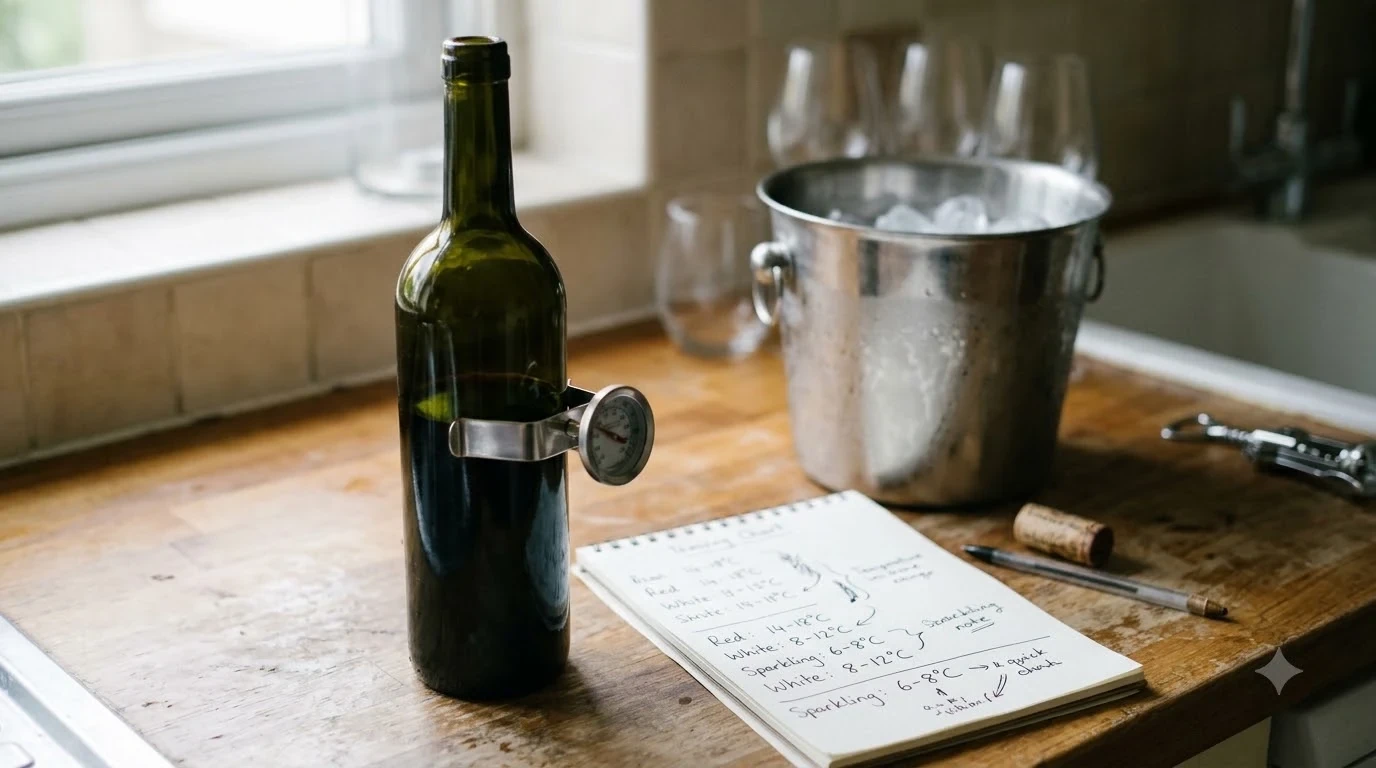
Full-bodied red wines generally show their character best at approximately 60°F to 65°F. Serving Cabernet Sauvignon or ISOSCELES much warmer can make alcohol feel more prominent and the wine seem heavier. Serving it slightly cool helps maintain freshness and gives the fruit, tannin and oak a better sense of balance.
If the bottle has been stored at ordinary room temperature, place it in a cool location briefly before serving. Avoid relying on the idea that every red wine should be served warm. Modern indoor temperatures can be considerably higher than the traditional cellar conditions associated with red wine service.
Decant Young Full-Bodied Reds
Young, full-bodied Cabernet-based wines can benefit from 30 to 60 minutes of decanting before serving. This allows the wine to interact with oxygen and can help soften the initial impression of firm tannins. It also gives aromatic characteristics such as blackberry, cedar and baking spice more opportunity to emerge.
ISOSCELES is a natural candidate for decanting when served young, especially alongside a substantial meal. However, decanting time is not a rigid rule. Taste the wine after pouring and adjust the amount of aeration according to how its aromas and texture develop.
Choose Food That Matches the Structure
Cabernet Sauvignon and Bordeaux-style blends are particularly suitable for foods with rich flavors, protein and fat. Grilled steak, beef short ribs, roasted lamb and hard cheeses are useful pairing choices because their richness can soften the perception of tannin.
For ISOSCELES, the winery’s own suggestions include New York strip steak, sautéed wild mushrooms and Italian sausage pizza. A mushroom-based dish can complement the wine’s savory notes, while the fat and protein in beef provide a natural balance to its firm structure.
For a lighter meal, consider a different JUSTIN variety rather than forcing a powerful Cabernet into an unsuitable pairing. A less tannic Merlot may be more flexible with certain poultry and vegetable dishes, while a white wine from the collection may suit seafood more naturally.
Preserve Opened Bottles
After opening, reseal the bottle and keep it in the refrigerator. Most still wines retain their best qualities for approximately 3 to 5 days after opening, although the exact period depends on the wine, storage conditions and how much air remains in the bottle.
Allow a refrigerated red wine to warm slightly before serving again. Smaller remaining quantities generally experience more oxygen exposure, so a bottle that is nearly empty may lose freshness faster than one with most of its contents remaining.
For a premium purchase, opening the bottle for a meal with enough guests to enjoy it is often a sensible approach. A 750 ml bottle provides approximately five standard 5 oz servings, making it relatively easy to plan portions for a small dinner gathering.
Frequently Asked Questions
Is JUSTIN wine made in Napa Valley?
No. The winery identifies Paso Robles, California, as its home, and its ISOSCELES carries the Paso Robles appellation. Paso Robles is part of California’s Central Coast wine region, not Napa Valley. This distinction is useful because the two regions have different growing environments and wine identities.
What does the name ISOSCELES refer to?
ISOSCELES is the name of JUSTIN’s flagship wine rather than a grape variety or an appellation. The winery uses the name for its Bordeaux-inspired blend based on Cabernet Sauvignon, with Cabernet Franc and Merlot as supporting varieties. It has been part of the producer’s portfolio since the first vintage in 1987.
Does JUSTIN make white wine as well as red wine?
Yes. JUSTIN has a separate white wine collection in addition to its red portfolio. Its range includes Chardonnay and Sauvignon Blanc, giving shoppers alternatives when they want a lighter wine for seafood, poultry or warm-weather meals.
What alcohol percentage does JUSTIN ISOSCELES contain?
The winery lists the 2023 ISOSCELES at 15.5% alcohol by volume. This is a relatively substantial alcohol level for a table wine and contributes to its full-bodied character. The percentage can differ between vintages, so older releases should be evaluated individually.
Can JUSTIN ISOSCELES be stored for several years?
The winery indicates that ISOSCELES can continue evolving after time in the cellar. Long-term storage requires stable temperatures, darkness and suitable humidity, with a target temperature near 55°F. The wine’s development will depend on the vintage and the conditions in which the bottle is kept.
JUSTIN offers several ways to explore Paso Robles wine, from standard Cabernet Sauvignon to Reserve bottlings and its flagship ISOSCELES. Compare the exact vintage, bottle size and wine style before purchasing, and choose according to the occasion rather than price alone. For shoppers who enjoy structured California reds, understanding these distinctions makes finding the right JUSTIN bottle considerably easier.
More in Wine Brands
 Underwood Wine Price: Compare Bottles, Cans, and Pack SizesUpdated Nov 21, 2026
 Zenato Wine Price: Compare Styles and Choose the Right BottleUpdated Nov 21, 2026
 Zuccardi Wine Price: Compare Bottles and Find the Right RangeUpdated Nov 21, 2026
 Yellow Tail Moscato Review: Taste, Sweetness and Serving TipsUpdated Nov 21, 2026
 Wolf Blass Yellow Label Review: Choose Your Best StyleUpdated Nov 21, 2026
 Wolffer Estate Rose Review: Choose the Right Bottle for Your TableUpdated Nov 21, 2026