

We may earn a commission when you buy through links on this page, at no extra cost to you. Learn more.
The typical Josh cabernet price in the United States is approximately $9 to $19 for a standard 750 ml bottle, depending on the retailer, location, and bottle availability. Josh Cellars Cabernet Sauvignon is an accessible California red wine with flavors of blackberry, black cherry, cinnamon, vanilla, and toasted oak. It is generally positioned as an everyday Cabernet rather than a premium collectible wine, making it an option for casual dinners, cookouts, and informal gatherings.
Josh Cellars has developed a recognizable place in the American wine market, particularly among shoppers looking for familiar California Cabernet Sauvignon without moving into expensive premium-wine territory. However, the amount charged at a supermarket, warehouse club, specialty wine shop, or online retailer can differ considerably. Understanding standard bottle pricing, retailer differences, and the wine’s characteristics makes it easier to decide whether a particular bottle represents reasonable value.
Who Should Consider Josh Cabernet Sauvignon?
Josh Cellars Cabernet Sauvignon is a practical choice for shoppers seeking an approachable California red with recognizable dark-fruit flavors and a fuller-bodied profile. Its everyday positioning makes it especially relevant for people who want a familiar bottle for dinner rather than a wine intended for long-term cellaring or formal collecting.
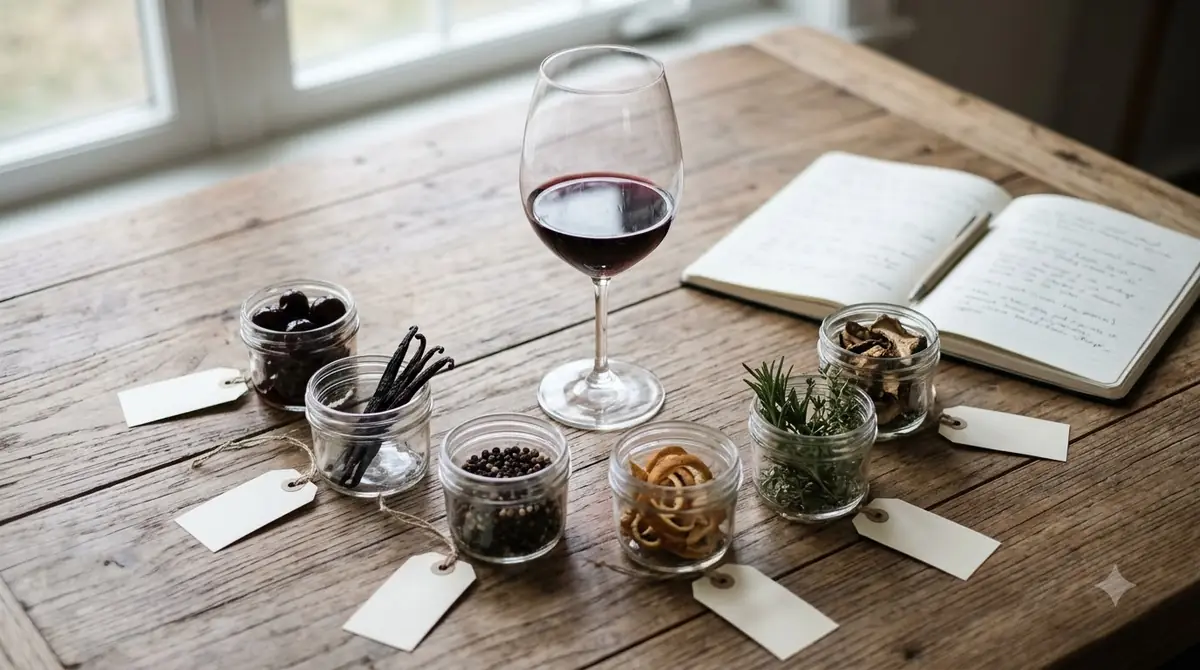
The standard Cabernet Sauvignon is particularly suitable for people who enjoy ripe blackberry and black cherry flavors, complemented by baking spices and oak. According to the producer’s product description, the wine also features toasted hazelnut, vanilla, and cinnamon. These characteristics give it a recognizable California Cabernet profile that works with a variety of familiar meals.
It is worth distinguishing the standard Josh Cellars Cabernet Sauvignon from the brand’s other Cabernet offerings. The portfolio includes variations such as Bourbon Barrel Aged Cabernet Sauvignon, Hearth Cabernet Sauvignon, Paso Robles Cabernet Sauvignon, and North Coast Cabernet Sauvignon. These are separate purchasing options rather than interchangeable names for the standard bottle.
Shoppers who already enjoy California Cabernet Sauvignon may appreciate the standard bottling as an accessible everyday option. People who prefer lighter reds with less tannin might be happier comparing it with Pinot Noir. Similarly, shoppers seeking a particularly structured, cellar-worthy Cabernet should compare more premium regional and producer-specific alternatives before deciding.
The wine also suits households that want a bottle for several dinner occasions. A 750 ml bottle provides approximately five standard 5 oz servings, making it a useful reference when estimating how many bottles a gathering requires. For a dinner involving four adults, one bottle can provide a modest pour for each person, although the amount needed depends on the occasion and serving preferences.
For shoppers researching the wider range, the Josh Cabernet overview provides additional context about the brand’s Cabernet Sauvignon offerings. It is also useful to compare the wine’s alcohol strength and flavor profile before making a final purchase.
Key Factors That Influence Josh Cabernet Price
The main factors affecting Josh Cabernet pricing are retailer choice, bottle format, location, product variation, and availability. Comparing these details is more useful than judging a bottle solely by its shelf price.
| Buying factor | Typical detail | Why it matters |
|---|---|---|
| Standard bottle | 750 ml | The main format for everyday purchases |
| Standard retail range | About $9–$19 | Varies by retailer and location |
| Standard serving | 5 oz | Approximately five servings per bottle |
| Wine category | California Cabernet Sauvignon | Provides a useful comparison category |
| Alternative format | 375 ml | Useful for smaller occasions |
| Larger format | 1.5 liters | Provides approximately ten standard servings |
Retailer and location differences
Retailer selection is one of the most important considerations. Warehouse clubs, large grocery chains, independent wine shops, and online wine merchants operate with different pricing structures. Some retailers emphasize everyday shelf pricing, while others may have higher operating costs or different distribution arrangements.
For example, Sam’s Club has listed its 750 ml Josh Cellars Cabernet Sauvignon at approximately $9 to $10, while ABC Fine Wine & Spirits has listed the same standard format around $10 to $11. These are retailer-specific examples rather than guaranteed national prices. The ABC Fine Wine & Spirits product listing provides a useful reference for the standard bottle and its product specifications.
Specialty retailers can charge more. Availability, local distribution, shipping costs, and retailer positioning can all influence the final amount. Prices vary by state and retailer, and taxes, delivery charges, and shipping fees may increase the amount paid at checkout.
Bottle size and value
The standard 750 ml bottle is the easiest format to compare because it is widely used across the wine industry. Smaller bottles can be convenient when buying wine for one or two people, while larger bottles can make more sense for a dinner party or family gathering.
However, a larger bottle is not automatically better value. The correct comparison involves the amount of wine purchased, the price per milliliter, and whether the bottle can realistically be consumed during the intended occasion. A standard bottle is usually the more flexible option for someone who wants to try Josh Cabernet without committing to a larger quantity.
Standard Cabernet versus specialty variations
Josh Cellars offers more than one Cabernet Sauvignon expression. Its Bourbon Barrel Aged, Hearth, Paso Robles, and North Coast variations are distinct products that should be compared separately from the standard California bottling.
A shopper should not assume that a higher shelf price automatically means the standard Cabernet is a better or worse purchase. The alternative might offer a different regional emphasis, oak treatment, or flavor profile. Choosing the right wine depends on whether the desired characteristics justify the additional expense.
Step-by-Step: How to Compare Josh Cabernet Prices
A sensible buying process begins with the standard 750 ml bottle and then considers retailer availability, product identity, and the final checkout cost. These steps help prevent misleading comparisons between different bottle sizes and Cabernet variations.
-
Identify the exact wine.
Start with the standard Josh Cellars Cabernet Sauvignon. Make sure the listing does not describe Bourbon Barrel Aged Cabernet Sauvignon, Hearth Cabernet Sauvignon, or another separate expression. Similar labels can make it easy to compare the wrong products. -
Confirm the bottle volume.
Look for the 750 ml format when comparing standard retail prices. A 375 ml bottle contains half as much wine, while a 1.5 liter bottle contains twice as much. Comparing shelf prices without checking volume can produce an inaccurate impression of value. -
Check several retailers.
Compare supermarket, warehouse club, and specialist wine-shop listings. A retailer with a lower advertised price may not offer the same availability or delivery arrangements as another seller. -
Consider the final purchase cost.
Include applicable taxes, delivery charges, and shipping expenses. This is especially important when buying online, because the displayed bottle price may not represent the complete checkout total. -
Compare the wine’s characteristics.
Review the grape variety, California origin, flavor description, and alcohol content. These details help determine whether the wine matches the preferences of the people who will drink it. -
Consider how many bottles are needed.
A 750 ml bottle provides about five standard 5 oz servings. For a gathering of ten adults, two bottles provide approximately ten standard servings, assuming everyone receives one pour. -
Make the purchase based on total value.
Choose a retailer offering the correct product, suitable availability, and a reasonable final price. The lowest advertised figure is not necessarily the most convenient purchase once additional charges are included.
One useful way to simplify the process is to compare two or three retailers at the same time. If the standard bottle is available at similar prices, convenience, freshness of stock, and local availability can become more important than a small difference in shelf price.
Tip: Always compare the same 750 ml Josh Cellars Cabernet Sauvignon across retailers. A smaller bottle, larger format, or specialty Cabernet variation can make a direct shelf-price comparison misleading.
Josh Cellars Cabernet Styles and Bottle Options Explained
The standard Josh Cellars Cabernet Sauvignon is the main reference point for understanding the brand’s Cabernet pricing. However, the wider selection includes different expressions that may appeal to shoppers looking for a particular flavor emphasis or regional identity.
Standard Josh Cellars Cabernet Sauvignon
The standard Cabernet is a California red wine described by its producer as round, juicy, and easy to enjoy. Its published flavor notes include blackberry, toasted hazelnut, cinnamon, vanilla, and toasted oak. These characteristics make it a straightforward choice for shoppers seeking a familiar Cabernet profile.
Its broad California designation also makes it different from wines carrying a more narrowly defined regional identity. The standard bottling is therefore a practical starting point when comparing the brand’s offerings and evaluating the usual Josh Cabernet price.
Josh Bourbon Barrel Aged Cabernet Sauvignon
The Bourbon Barrel Aged expression is a separate product within the Josh Cellars Cabernet selection. The barrel-aging distinction gives shoppers a reason to consider it separately rather than assuming that it offers precisely the same flavor experience as the standard Cabernet.
People interested in oak-influenced red wines may find this variation worth comparing. However, shoppers who simply want the familiar standard California Cabernet should make sure they are not paying for a specialty variation they did not intend to purchase.
Josh Paso Robles Cabernet Sauvignon
The Paso Robles Cabernet is another distinct option. Paso Robles is a recognized California wine-growing area, and the regional designation makes this bottling different from the broader California Cabernet.
Someone interested in comparing regional Cabernet expressions may want to consider it alongside the standard Josh Cellars bottling. It should not be treated as an identical replacement, since regional identity is part of the distinction between the products.
Josh North Coast Cabernet Sauvignon
The North Coast Cabernet is another variation in the brand’s selection. Its regional designation provides an additional point of comparison for people who want to explore Cabernet Sauvignon from a more specific part of California.
When comparing this wine with the standard bottle, focus on the differences in origin, presentation, and intended style. The right choice depends on individual preferences rather than the assumption that one expression must always be superior.
Smaller and larger bottle formats
Josh Cellars also lists alternative bottle formats for its Cabernet Sauvignon. A 375 ml format is useful for a smaller serving occasion, while a 1.5 liter bottle offers twice the volume of a standard 750 ml bottle.
The smaller format can be practical for someone who wants to enjoy wine with a single meal without opening a full bottle. The larger format is more appropriate for entertaining or sharing across several servings. The best option depends on the number of guests and the amount of wine likely to be consumed.
For more information about the standard wine’s flavor characteristics, the Josh Cabernet tasting notes provide another useful point of reference.
Common Mistakes When Shopping for Josh Cabernet
Most pricing mistakes happen because shoppers compare different products, overlook bottle volume, or focus too heavily on the advertised price. A few simple checks can make the buying process more accurate.
Comparing different Cabernet variations
One common mistake is treating every Josh Cellars Cabernet as the same wine. The standard Cabernet, Bourbon Barrel Aged Cabernet, and regional variations are separate expressions. Their prices may differ because they have different product identities and positioning.
Before comparing prices, make sure both listings identify the standard Josh Cellars Cabernet Sauvignon. If one listing describes a specialty version, it should be evaluated separately.
Ignoring the bottle size
A smaller bottle may appear inexpensive, but it contains less wine. Similarly, a larger bottle may have a higher shelf price while providing more servings. The correct comparison is the cost relative to the volume purchased.
For example, a 375 ml bottle contains half the wine of a 750 ml bottle. A 1.5 liter bottle contains twice as much. These straightforward volume differences should be considered before deciding which listing provides better value.
Assuming every retailer has the same price
Prices can differ between a warehouse club, grocery chain, local wine merchant, and online seller. Stock availability can also change. A bottle listed at one retailer may not be available at another location or for delivery to a particular address.
Shoppers should also avoid assuming that a price found in one state will be available elsewhere. Alcohol distribution and taxes vary by location, and retailer pricing is not uniform across the country.
Overlooking alcohol content
Alcohol content is another specification worth comparing. Retailer listings do not always agree, and different vintages or production lots can have different stated values.
For example, an ABC Fine Wine & Spirits listing has displayed 14.1% ABV, while other retailer information has listed 13.5%. This difference illustrates why shoppers should distinguish between a general product description and the specific bottle being purchased.
The Josh Cabernet alcohol content discussion provides additional context for understanding this specification and why retailer information can differ.
Expecting premium Napa Cabernet characteristics
Josh Cellars standard Cabernet Sauvignon carries a broad California designation. It should not automatically be compared with expensive, single-vineyard, or narrowly designated Napa Valley wines as though the products were identical.
Both may use Cabernet Sauvignon grapes, but the region, production approach, intended style, and positioning can be different. A fair comparison starts with wines occupying a similar market category.
Serving, Care, and Storage Tips for Josh Cabernet
Proper serving and storage help preserve the wine’s intended characteristics after purchase. Temperature, exposure to light, and the time a bottle remains open all influence the drinking experience.
Serve at the right temperature
Full-bodied red wines such as Cabernet Sauvignon are generally served at approximately 60–65°F. This is cooler than a typical warm room, particularly in homes where indoor temperatures may rise above that range.
Serving the wine too warm can make its alcohol more noticeable and reduce the balance between fruit and structure. Serving it too cold can make the tannins seem more prominent and mute some of the aromatic characteristics.
If the bottle has been stored in a warm room, a short period of refrigeration before serving can help bring it closer to the preferred temperature. A wine thermometer can be useful, but a general temperature range is sufficient for most everyday occasions.
Choose suitable food pairings
The producer recommends pairing Josh Cellars Cabernet Sauvignon with well-seasoned beef, pork, lamb, and chocolate desserts. These suggestions make sense for a red wine with Cabernet Sauvignon’s fuller body and tannin structure.
Grilled steak, roasted beef, lamb chops, and burgers are natural options. The wine’s dark-fruit character can complement savory meat dishes, while the richness of the food can soften the perception of tannin.
Hard cheeses such as aged cheddar can also work well. Salt and fat generally soften the impression of tannin, helping the wine feel more balanced alongside richer foods.
Chocolate desserts require a little more care. A dessert that is sweeter than the wine can make the wine seem bitter or overly dry. For sweeter chocolate preparations, choosing a dessert with restrained sweetness is a more reliable approach than assuming every chocolate pairing will work equally well.
Store unopened bottles correctly
Unopened wine should be kept away from direct sunlight and major temperature fluctuations. A consistent storage environment is preferable to a location that becomes hot during the day and cools significantly overnight.
For bottles with traditional cork closures, horizontal storage helps maintain contact between the wine and cork. A temperature near 55°F is a useful general storage reference for wine. An ordinary cool, dark cupboard can be more appropriate than a sunny kitchen counter or a warm area beside an appliance.
Josh Cellars Cabernet is generally positioned as an accessible wine for relatively straightforward enjoyment rather than a bottle that shoppers need to purchase specifically for extended aging. Buying it for a planned meal or gathering is therefore a sensible approach.
Preserve an opened bottle
Once opened, still red wine can generally be refrigerated and enjoyed within approximately 3–5 days. Replace the cork or use a suitable wine stopper, then keep the bottle refrigerated between servings.
Allow the wine to warm slightly toward its preferred serving temperature before pouring another glass. Refrigeration slows the deterioration of opened wine, but it does not stop the process completely.
A 750 ml bottle contains approximately five standard servings, so households that do not regularly finish an entire bottle in one sitting should consider the smaller format when available. This can help reduce leftover wine and unnecessary waste.
Frequently Asked Questions
Does Josh Cellars Cabernet Sauvignon have a screw cap or cork?
The standard bottle is listed with a cork closure by ABC Fine Wine & Spirits. Closure details can be useful when selecting storage accessories or planning to preserve an opened bottle. A suitable wine stopper can help reduce air exposure after opening.
How many calories are in a glass of Josh Cellars Cabernet Sauvignon?
Calorie information is not consistently published on the standard product page. The exact amount depends on the wine’s composition and serving size. A 5 oz pour is the conventional serving reference used for comparing wine nutrition information.
Does Josh Cellars make Cabernet Sauvignon without alcohol?
The standard Josh Cellars Cabernet Sauvignon is an alcoholic California red wine, not a dealcoholized product. The brand’s broader portfolio includes multiple wine categories, but shoppers seeking a nonalcoholic Cabernet-style alternative should look for a product explicitly identified as dealcoholized or nonalcoholic.
Can Josh Cellars Cabernet Sauvignon be used for cooking?
Yes, a dry Cabernet Sauvignon can be used in recipes such as beef stews, red-wine pan sauces, and braised meat dishes. Its dark-fruit and oak characteristics can contribute depth to savory preparations. Avoid using a bottle with obvious spoilage characteristics, since cooking does not reliably correct an unpleasant wine flavor.
Does Josh Cellars Cabernet Sauvignon need to be decanted?
Decanting is optional for this everyday Cabernet. Young, fuller-bodied red wines can benefit from approximately 30–60 minutes of aeration, although individual bottles may respond differently. A simple glass pour and a few minutes of breathing time are also reasonable approaches for casual meals.
Josh Cellars Cabernet Sauvignon offers an accessible California Cabernet option for shoppers who enjoy ripe dark-fruit flavors, oak, and a fuller-bodied red wine style. A reasonable buying approach is to compare the standard 750 ml bottle across retailers, confirm the exact expression, and consider the final checkout cost rather than relying on shelf price alone. With those details in mind, shoppers can decide whether Josh Cabernet fits their budget and the occasion.
More in Wine Brands
 Underwood Wine Price: Compare Bottles, Cans, and Pack SizesUpdated Nov 21, 2026
 Zenato Wine Price: Compare Styles and Choose the Right BottleUpdated Nov 21, 2026
 Zuccardi Wine Price: Compare Bottles and Find the Right RangeUpdated Nov 21, 2026
 Yellow Tail Moscato Review: Taste, Sweetness and Serving TipsUpdated Nov 21, 2026
 Wolf Blass Yellow Label Review: Choose Your Best StyleUpdated Nov 21, 2026
 Wolffer Estate Rose Review: Choose the Right Bottle for Your TableUpdated Nov 21, 2026