

We may earn a commission when you buy through links on this page, at no extra cost to you. Learn more.
Jerez wineries are traditional Sherry-producing cellars in Andalusia, Spain, where visitors can discover historic barrel rooms, albariza vineyards, and distinctive wines matured through the solera system. The region is particularly famous for Fino, Amontillado, Oloroso, and Pedro Ximénez, each offering a different expression of local grapes and cellar techniques. Visiting its bodegas provides an opportunity to understand how geography, yeast, and careful maturation shape Sherry. The best starting point is the historic city of Jerez de la Frontera, with additional experiences in El Puerto de Santa María and Sanlúcar de Barrameda.
Sherry country is one of Spain’s most distinctive wine destinations. Its identity comes from more than centuries-old buildings and impressive rows of oak barrels. The Atlantic-influenced climate, white chalky soils, traditional vineyard practices, and specialized aging methods all contribute to wines that are difficult to reproduce elsewhere. Whether you prefer crisp, bone-dry whites or rich, sweet dessert wines, exploring the region reveals an unusually broad range of styles within a relatively compact area.
The Sherry Triangle and Its Three Historic Wine Towns
The Sherry Triangle is formed by Jerez de la Frontera, El Puerto de Santa María, and Sanlúcar de Barrameda. These three towns share a protected wine heritage, but their individual environments and cellar traditions help create differences in the wines produced and matured there.
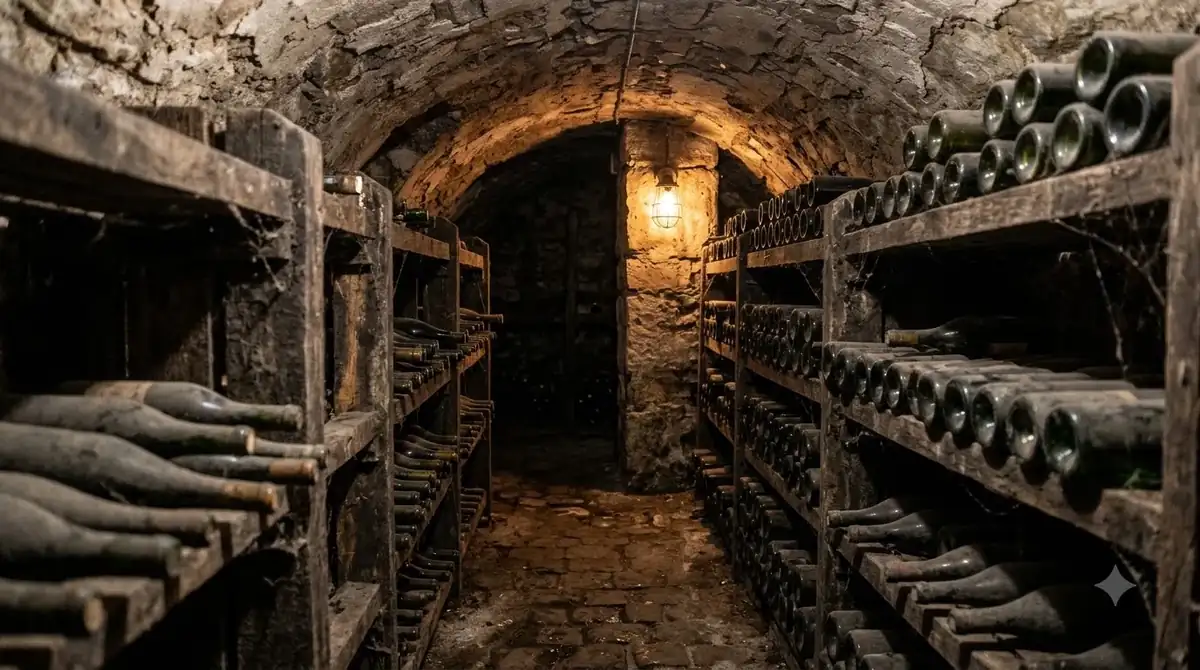
Jerez de la Frontera is the best-known center for traditional Sherry production. Its urban bodegas contain extensive barrel warehouses, historic courtyards, and collections of wines that have been maintained through generations. Visitors can explore established producers, learn about the solera system, and compare several styles in one tasting. The town is also a convenient base for exploring the surrounding vineyard landscape.
El Puerto de Santa María occupies a position closer to the Atlantic coast. Its maritime influence contributes to a somewhat different cellar environment, particularly for wines matured under flor. Sanlúcar de Barrameda, farther northwest along the coast, is especially associated with Manzanilla. Its coastal conditions support the development of flor and help maintain the freshness that distinguishes this wine from other Sherries.
The distinction between production and maturation is important. According to the Consejo Regulador, the protected Jerez-Xérès-Sherry designation has a production area covering just over 7,000 hectares across nine municipalities. However, its recognized aging zone is restricted to the three towns of the Sherry Triangle. This means a vineyard can be situated outside Jerez itself while its grapes and resulting wines remain connected to the appellation.
The region also has a separate Manzanilla-Sanlúcar de Barrameda designation. Although its grapes can originate within the wider production area, Manzanilla must undergo its protected maturation process in Sanlúcar. These geographical rules explain why two wines made from the same principal grape can carry different regional identities.
Wine travelers interested in comparing regional traditions can also explore other European producers and their local identities through our guides to Wine Regions. The contrast between Jerez and regions such as Puglia is particularly interesting because climate, geography, and local winemaking customs influence the finished wine in very different ways.
Albariza Soil, Atlantic Winds, and the Jerez Vineyard Landscape
Albariza is the distinctive white soil associated with many of the most recognized Jerez vineyards. Its chalk-rich composition and ability to retain moisture help vines cope with the region’s hot, dry summers.
The soil contains substantial calcium carbonate, along with clay and other mineral components. During the warmer months, its pale surface reflects sunlight, while its structure helps preserve moisture from winter rainfall. This characteristic is particularly important in a Mediterranean climate where rainfall is concentrated in cooler months and summer drought can be considerable.
Jerez Superior is the traditional name for an important subdivision of the production area where vineyards are planted on albariza. These sites have long been regarded as particularly suitable for growing Palomino, the principal grape used in dry Sherry. Their importance is not simply historical. Soil structure, vineyard exposure, water availability, and grape ripeness all influence the character of the base wine.
Local vineyard districts are also known as pagos. These named vineyard areas can have different combinations of soil, exposure, and maritime influence. Macharnudo, for example, is one of the recognized vineyard names associated with the Jerez landscape. Understanding the distinction between individual pagos helps explain why producers increasingly pay attention to vineyard origin rather than relying exclusively on the style of their aging cellar.
Atlantic winds provide another important environmental influence. The prevailing coastal conditions affect humidity, vineyard temperatures, and the development of flor in aging warehouses. The region is sunny and warm, but its proximity to the ocean creates meaningful differences between inland vineyards and coastal towns.
El Puerto de Santa María and Sanlúcar de Barrameda benefit from stronger maritime influences than some inland locations. These conditions are particularly relevant to biological aging, which depends on the survival and development of a yeast layer on the surface of the wine. The result is a connection between vineyard geography and cellar behavior that makes Jerez especially interesting to study.
Tip: During a winery visit, ask whether the wines come from a named pago or a broader vineyard selection. Comparing two Palomino wines from different vineyard sites can help illustrate the influence of albariza soils and local growing conditions.
Palomino, Pedro Ximénez, and Moscatel: The Main Grapes
Palomino is the principal grape behind traditional dry Sherry, while Pedro Ximénez and Moscatel are important varieties for naturally sweet wines. Each grape has a different role, and understanding those differences makes winery tastings much easier to follow.
Palomino Fino is widely used for Fino, Manzanilla, Amontillado, Oloroso, and Palo Cortado. It generally produces relatively neutral base wines, which makes it particularly suitable for maturation techniques that add complexity through flor or oxidation. Rather than relying on intense primary fruit aromas, traditional Sherry develops much of its character during its time in the cellar.
Pedro Ximénez, commonly abbreviated to PX, is associated with intensely sweet wines. The grapes are traditionally dried after harvest, concentrating their natural sugars before fermentation. The resulting wine can have a dense texture and flavors reminiscent of raisins, figs, dates, and molasses. It is commonly enjoyed in small servings as a dessert wine or used as an ingredient in sauces and desserts.
Moscatel contributes another naturally sweet expression. Its aromatic character can include floral, citrus, and ripe fruit notes. The variety is especially useful for producers seeking a fragrant sweet wine with a different aromatic profile from concentrated PX.
The following table summarizes the principal varieties and their common roles in the region.
| Grape | Typical role | Common wine styles | Key characteristics |
|---|---|---|---|
| Palomino Fino | Principal dry-wine grape | Fino, Manzanilla, Amontillado, Oloroso | Subtle fruit, almond, yeast, savory notes |
| Pedro Ximénez | Naturally sweet wine production | PX, sweet Sherry blends | Raisin, fig, date, molasses |
| Moscatel de Alejandría | Aromatic sweet wine production | Moscatel | Floral, citrus, ripe fruit |
| Moscatel de Grano Menudo | Authorized aromatic grape variety | Moscatel wines | Expressive floral and fruit aromas |
The Consejo Regulador recognizes these grape varieties within its applicable production rules. Although Palomino dominates the traditional dry styles, the sweet wines demonstrate how different grape characteristics can expand the region’s identity.
Visitors may also encounter still white wines made from Palomino that do not follow the traditional fortified Sherry production requirements. Some producers use modern winemaking methods to express vineyard origin more directly. These wines are an interesting reminder that the broader Jerez area produces more than the familiar fortified styles.
Traditional Bodegas and the Solera Aging System
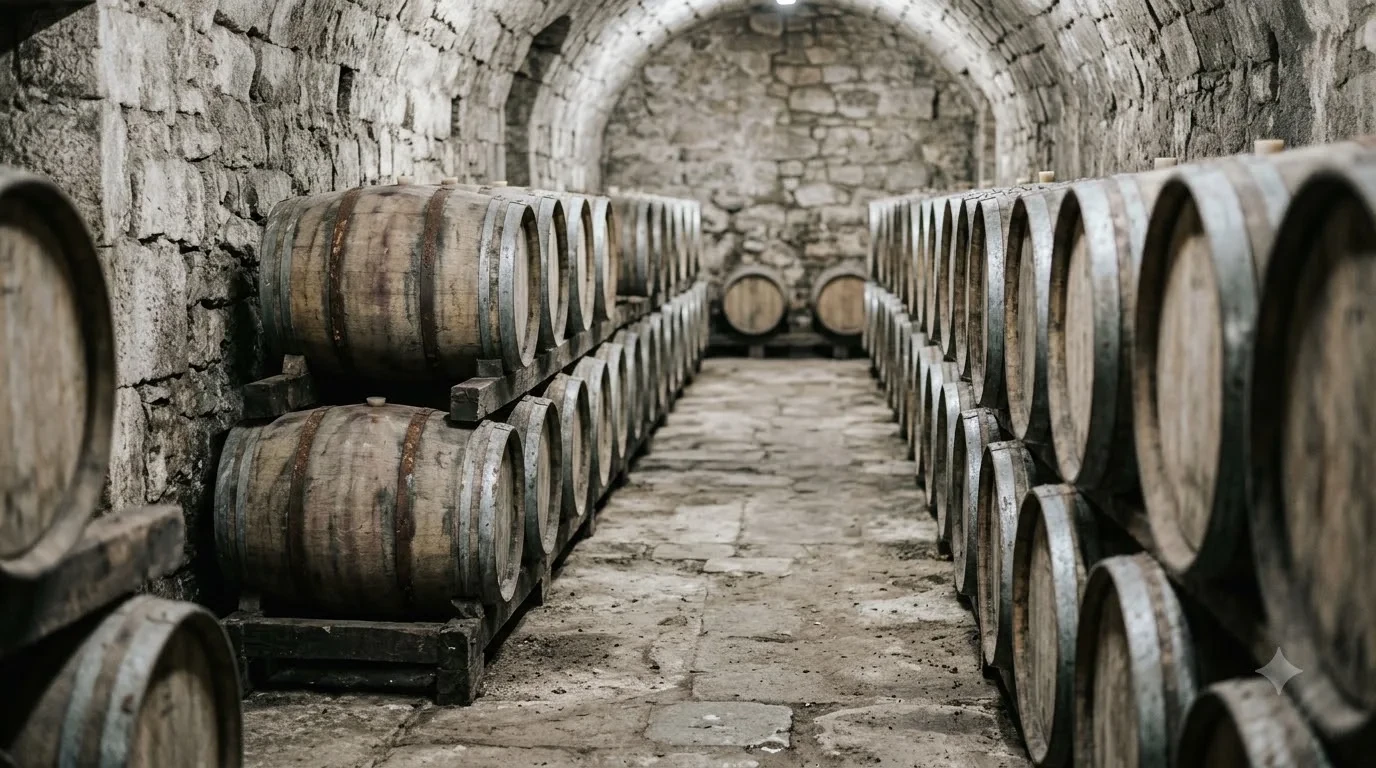
The solera system is one of the defining features of traditional Jerez winemaking. It allows producers to maintain a consistent house style by blending wines of different ages through carefully managed rows of barrels.
A traditional solera consists of several levels of casks, commonly called criaderas, together with the oldest level known as the solera. Wine is periodically drawn from the oldest barrels for bottling. Those barrels are then replenished with wine from the next-youngest level, which is itself replenished from younger wine. The process continues through the system.
This method creates continuity while allowing the wine to develop complexity over time. A bottle from a solera generally contains a mixture of wines from different periods rather than the product of a single harvest. The system also gives cellar managers considerable control over the development of a house’s characteristic style.
Inside a traditional bodega, visitors can see rows of large oak casks arranged in carefully organized groups. The architecture is functional as well as impressive. High ceilings, thick walls, and ventilation help maintain suitable cellar conditions, while the barrels provide the environment in which the wine matures.
Another important aspect is the distinction between biological and oxidative aging. Biological aging occurs under flor, a naturally developing layer of yeast that covers the wine’s surface. It limits direct contact with oxygen and contributes distinctive aromas and flavors. Oxidative aging occurs when the wine is exposed to oxygen over time, developing deeper color and nutty, savory characteristics.
According to Wine Enthusiast’s explanation of Sherry production, the solera involves removing portions of older wine and replenishing the barrels with younger stocks. Its article, Everything You Need to Know About Sherry Wine, also explains how the development or disappearance of flor influences the main styles.
For visitors, the most useful part of a solera demonstration is seeing the system rather than simply hearing its definition. A guide can explain which level contains the oldest wine, how blending maintains consistency, and why the cellar manager must monitor the condition of each group of barrels.
Notable Jerez Wineries to Include in a Visit
Jerez has a diverse collection of established Sherry producers, smaller bodegas, and independent wine businesses. The best choice depends on whether the visitor prefers historic architecture, traditional fortified wines, smaller-scale production, or a more detailed exploration of vineyard character.

González Byass
González Byass is one of the best-known names associated with Jerez and the Tío Pepe label. Its historic winery experience introduces visitors to traditional Sherry production, the solera system, and the role of Palomino. A visit is a useful introduction for travelers who have limited experience with fortified wine and want to understand how a large established producer organizes its cellars.
The range of wines associated with the producer makes it possible to explore differences between Fino and more developed Sherry styles. Visitors should consider a guided experience that includes several wine samples rather than concentrating exclusively on one style.
Lustau
Lustau is another recognized producer with an established presence in Jerez. Its wines provide an opportunity to compare different styles and expressions of Sherry. Fino, Amontillado, Oloroso, and sweeter selections illustrate how maturation and blending influence the finished wine.
A guided tasting is particularly useful here because the differences between the main styles can be difficult to understand from a bottle description alone. Comparing a fresh biological style with an oxidative wine makes the influence of flor and oxygen easier to recognize.
Fernando de Castilla
Bodegas Rey Fernando de Castilla is listed in the official Consejo Regulador directory at Calle Jardinillo 7-11 in Jerez de la Frontera. The producer is a worthwhile name to investigate for travelers interested in traditional Sherry and more specialized expressions.
Its presence in the official directory is also a useful reminder that Jerez contains many producers beyond the internationally familiar names. Smaller or more specialized bodegas can provide a different perspective on the range of wines produced and matured within the region.
Díez Mérito
Bodega Díez Mérito appears in the official bodega directory at Calle Diego Fernández de Herrera, 4, in Jerez de la Frontera. It represents another established name to consider when researching the city’s wine heritage.
For travelers planning several cellar visits, comparing different producers can reveal how house traditions influence the finished wine. Even when two bodegas work with the same principal grape, differences in maturation, selection, and cellar management can produce noticeably different results.
Barbadillo and Sanlúcar’s Manzanilla Tradition
Barbadillo is an important producer to investigate when exploring Manzanilla and the wine culture of Sanlúcar de Barrameda. The town’s coastal location provides a distinctive environment for biological aging and helps explain why Manzanilla is treated as a separate protected regional style.
For a broader introduction to the region, the official Jerez bodega directory provides a useful starting point for identifying registered businesses and their locations. It is especially helpful for travelers who want to look beyond the largest producers.
Planning a Winery Visit in Jerez
Most winery visits are easier to arrange in advance because guided tours follow scheduled times and some experiences have limited capacity. A little planning also makes it possible to compare different wine styles without rushing through the tasting.
Start by choosing the town that best matches your interests. Jerez de la Frontera is the most convenient base for visiting traditional urban bodegas, while El Puerto de Santa María and Sanlúcar de Barrameda offer different coastal settings. Travelers with limited time may prefer to stay in Jerez and arrange one or two cellar visits there.
When comparing tours, consider what is included. Some experiences focus on the history and architecture of the winery, while others devote more time to the solera system, vineyard origins, or guided tastings. A tasting of three or four contrasting wines can be more educational than a short introduction to a single bottle.
Language is another practical consideration. International visitors should look for tours offered in English and confirm the language before booking. Not every scheduled visit necessarily operates in every language, and availability can differ between weekdays and weekends.
Transportation deserves attention as well. Jerez’s historic center is suitable for exploring on foot, but vineyard properties and some wineries outside the center may require a taxi or organized transport. Visitors planning multiple tastings should arrange transportation that does not require them to drive afterward.
A useful itinerary can combine one major bodega in the morning with a relaxed lunch and a second tasting later in the day. Allow enough time between appointments to appreciate the different wines. Two carefully selected visits are often more informative than attempting to see several cellars in a single afternoon.
For a broader regional wine itinerary, travelers can compare Jerez with other Spanish and European destinations. Our guides to txakoli wineries and Wachau wineries provide useful contrasts in climate, grape varieties, and traditional wine styles.
Sherry Styles, Food Pairings, and Serving Temperatures
One of the pleasures of exploring Jerez is discovering that Sherry is not a single wine style. The region produces dry, savory, nutty, and intensely sweet wines, giving visitors plenty of opportunities to compare different food pairings.
Fino and Manzanilla
Fino and Manzanilla are dry, refreshing wines matured under flor. Both generally show savory and yeasty characteristics, with notes that may include almonds, citrus, bread dough, and sea salt. Manzanilla is associated specifically with Sanlúcar de Barrameda and is often particularly delicate and saline.
These wines work especially well with olives, salted almonds, cured seafood, fried fish, and shellfish. Their freshness and acidity provide a useful contrast to salty and savory foods. Serve them well chilled, approximately 43-48 F, and enjoy them in relatively small pours.
Amontillado
Amontillado begins with biological aging under flor and subsequently develops oxidative characteristics. This combination produces a wine with more color, greater complexity, and aromas associated with toasted nuts, dried mushrooms, and savory spices.
It is particularly suitable for roasted poultry, mushroom dishes, soups, and mature cheeses. Its richer character also makes it an interesting alternative to white wine in dishes that require a more savory accompaniment.
Oloroso and Palo Cortado
Oloroso develops through oxidative aging without a protective flor layer. It commonly displays deeper color, a fuller texture, and aromas of walnuts, spices, and dried fruit. Dry Oloroso works particularly well with roasted meats, aged cheeses, and dishes featuring mushrooms or rich sauces.
Palo Cortado combines characteristics associated with both Amontillado and Oloroso. Its aromas can be complex and nutty, while its texture may be particularly refined. It is excellent with aged cheese, roasted poultry, and rich seafood preparations that do not depend on delicate raw fish flavors.
Pedro Ximénez and Moscatel
PX is one of the sweetest Sherry styles. Its concentrated raisin, fig, date, and molasses characteristics make it a natural companion to chocolate desserts, vanilla ice cream, and blue cheese. The wine should generally be served in a small glass because its sweetness and texture are intense.
Moscatel is another sweet option, often offering more floral and aromatic fruit notes. It can accompany fruit-based desserts, pastries, and lighter sweet dishes. In both cases, choose a wine that is at least as sweet as the dessert to avoid making the wine seem thin or excessively tart.
Quick Serving Reference
The following temperatures are useful starting points for enjoying the main styles. Serving slightly cooler can help preserve freshness, while allowing a wine to warm gently in the glass may reveal additional aromas.
| Sherry style | Typical character | Serving temperature | Food pairing |
|---|---|---|---|
| Fino | Dry, delicate, savory | 43-48 F | Olives, almonds, fried seafood |
| Manzanilla | Dry, saline, fresh | 43-48 F | Oysters, shrimp, shellfish |
| Amontillado | Nutty, savory, complex | 50-55 F | Mushrooms, poultry, aged cheese |
| Oloroso | Rich, oxidative, full-bodied | 55-60 F | Roasted meats, mature cheese |
| Palo Cortado | Complex, elegant, nutty | 50-55 F | Roasted poultry, hard cheese |
| Pedro Ximénez | Intensely sweet, concentrated | 43-50 F | Chocolate, figs, blue cheese |
| Moscatel | Sweet, floral, aromatic | 43-50 F | Fruit desserts, pastries |
These are practical serving suggestions rather than rigid rules. The most important consideration is preserving the freshness of delicate dry wines while allowing richer oxidative and sweet wines to express their aromas.
Buying, Storing, and Understanding Sherry Labels
Understanding Sherry labels helps visitors make better selections when buying bottles at a winery or choosing wines after returning home. The most useful information includes the wine style, producer, protected designation, and any special maturation or age classification.
Fino and Manzanilla generally indicate dry wines matured under flor. Amontillado indicates a style that has developed through biological and oxidative maturation, while Oloroso indicates oxidative aging. PX and Moscatel identify naturally sweet styles associated with their respective grapes.
Some bottles carry additional classifications such as VOS and VORS. These terms refer to specially selected wines with minimum average age requirements of 20 years and 30 years, respectively, under the applicable classification rules. They are particularly interesting for visitors who want to explore mature, complex Sherry.
Another expression worth understanding is en rama. This generally describes wine bottled with limited clarification or filtration, preserving more of its natural character. Such wines may show additional texture and freshness, but they can also require more careful storage and handling.
Once a bottle has been purchased, storage matters. Keep unopened bottles away from direct sunlight and large temperature fluctuations. A cool, dark storage area is preferable, while bottles with natural cork closures are generally best stored on their sides for longer-term storage. Traditional storage conditions around 55 F are a useful reference point.
After opening, Fino and Manzanilla should be refrigerated and consumed relatively quickly because their fresh biological character can decline after exposure to air. Amontillado and Oloroso are generally more stable after opening, although refrigeration and a tightly sealed closure remain useful practices.
For travelers bringing wine home, remember that transport regulations, airline baggage limits, and customs allowances may apply. Bottles should be protected against impact and leakage, particularly when traveling with several purchases.
Sherry also offers an interesting alternative to the familiar still wines found in other European regions. Someone accustomed to the structured reds of Puglia wineries may find the freshness of Fino surprising, while lovers of aromatic whites can appreciate the differences between biological and oxidative maturation. Exploring these contrasts makes a visit to Jerez especially rewarding.
Frequently Asked Questions
Are all Jerez wineries located in Jerez de la Frontera?
No. The wider Jerez production region includes nine municipalities, and registered bodegas operate in several towns. El Puerto de Santa María and Sanlúcar de Barrameda are also important centers of Sherry maturation. The official regulatory directory includes businesses in Trebujena, Chipiona, and other municipalities beyond the city of Jerez.
What does the term bodega mean in Spanish wine production?
Bodega can refer to the physical building where wine is produced or matured, but it can also mean the company responsible for those activities. The Consejo Regulador distinguishes businesses according to their registered functions, including production, aging, and distribution. Therefore, not every registered bodega necessarily operates every stage of winemaking.
Can Sherry be made from grapes other than Palomino?
Yes. Pedro Ximénez and authorized Moscatel varieties are also used in the region. Pedro Ximénez is particularly associated with concentrated naturally sweet wines, while Moscatel contributes aromatic floral and fruit characteristics. Palomino remains the principal variety for traditional dry Sherry.
What does the word flor mean in a Sherry cellar?
Flor is a natural layer of yeast that develops on the surface of certain Sherry wines during biological aging. Its development depends on cellar conditions and the characteristics of the wine. In addition to protecting the wine from direct oxidation, flor contributes distinctive savory and yeasty aromas.
What is the difference between Sherry vinegar and Sherry wine?
Sherry vinegar is a separate protected regional product made through the acetification of wine. It has its own Denomination of Origin, Vinagre de Jerez, which was recognized in 1994. Although it shares a geographical and historical connection with Sherry wine, it is a culinary vinegar rather than a fortified wine intended for drinking.
Jerez wineries offer an exceptional introduction to the relationship between vineyard geography, traditional cellar architecture, and the different ways wine can mature. A visit to Jerez de la Frontera, El Puerto de Santa María, or Sanlúcar de Barrameda provides a deeper understanding of why Fino, Manzanilla, Amontillado, and Oloroso are so distinctive. For anyone interested in Spanish wine, exploring the Sherry Triangle is an opportunity to experience one of Europe’s most recognizable and historically significant wine traditions.
More in Wine Regions
 Willcox Wine Trail: Discover Arizona’s High-Elevation Wine CountryUpdated Nov 20, 2026
 Yakima Valley Wine Region: Find the Best Styles to TryUpdated Nov 20, 2026
 Vosne Romanee Wine Tasting: Identify Aromas and Choose Better PairingsUpdated Nov 20, 2026
 Yakima Valley Wine Festival: Find the Best Seasonal Wine EventsUpdated Nov 20, 2026
 Wales Vineyards: Discover Cool-Climate Wines and Where to VisitUpdated Nov 20, 2026
 Yountville Wine Festival: Discover Napa Wines and Local FoodUpdated Nov 20, 2026