


We may earn a commission when you buy through links on this page, at no extra cost to you. Learn more.
Jerez wine tasting introduces you to Spain’s distinctive Sherry wines, from crisp, bone-dry Fino and Manzanilla to richly textured Oloroso and sweet Pedro Ximénez. Located in Andalusia’s Cádiz province, Jerez is the historic center of a wine tradition shaped by distinctive grapes, chalk-rich vineyards, fortified winemaking and the fascinating solera aging system. A guided tasting lets you compare these styles, understand their production methods and discover why Sherry works with everything from seafood and tapas to chocolate desserts.
Sherry offers a particularly rewarding tasting experience because wines made within the same region can differ dramatically in color, aroma, sweetness and texture. A single tasting might move from a pale, refreshing wine with a salty finish to an amber, nutty wine and finally a dark dessert wine with concentrated raisin and fig flavors. Understanding the main styles makes it easier to appreciate the differences and choose bottles that suit your preferences. Whether you are planning a visit to Andalusia or exploring Spanish wine from home, Jerez provides an excellent introduction to one of Europe’s most distinctive fortified wine traditions.
Understanding the Jerez Wine Region and Its Winemaking Heritage
Jerez is the historic heart of the Sherry-producing region in southwestern Spain, where Mediterranean conditions, Atlantic influences and distinctive soils help shape the wines. Its combination of traditional bodegas, specialized vineyards and historic cellars makes the region particularly interesting for wine enthusiasts.
The wider Marco de Jerez region lies in Cádiz province, Andalusia. Jerez de la Frontera is its best-known production center, while Sanlúcar de Barrameda and El Puerto de Santa María are also important towns in the Sherry tradition. These locations form part of a connected wine landscape with different local influences and long-established cellar practices.
One of the most recognizable features of the vineyards is albariza, a pale, chalk-rich soil that can retain water beneath its dry surface. This characteristic matters in a warm region where managing vineyard water supplies is important. Palomino is the principal grape for dry Sherry, and its relatively neutral character allows the effects of yeast aging, oxidation and cellar conditions to become especially apparent.
Sherry is a fortified wine, meaning grape spirit is added during production. The timing and amount of fortification influence the wine’s subsequent development. Biological aging under flor creates the distinctive profiles of Fino and Manzanilla, while oxidative aging contributes the richer characteristics of Oloroso and other styles.
The region also offers more than traditional Sherry. Local producers make still red, white and rosé wines under the Tierra de Cádiz designation. This wider selection gives visitors an opportunity to compare the region’s traditional fortified wines with other expressions of Andalusian viticulture.
For travelers planning a wider Spanish wine itinerary, exploring Wine Regions can help put Jerez into context alongside other European wine destinations. Its warm southern setting and distinctive fortified wines provide a striking contrast to cooler-climate regions such as Alsace.
The Main Sherry Styles to Explore During a Tasting
A well-organized Jerez tasting introduces wines in a progression from lighter and drier expressions to fuller and sweeter examples. The five major dry styles are Manzanilla, Fino, Amontillado, Palo Cortado and Oloroso, followed by sweet styles such as Cream and Pedro Ximénez.

Fino is usually the most approachable starting point for understanding dry Sherry. Made primarily from Palomino grapes, it develops under flor, a protective layer of yeast that limits oxidation. Its profile can include almonds, fresh bread, herbs and a distinct saline quality. Fino generally contains around 15-16% alcohol by volume and is especially good with olives, salted almonds and fried seafood.
Manzanilla is closely related to Fino but comes from Sanlúcar de Barrameda, a coastal town with its own distinctive cellar environment. It is generally light, crisp and delicate, with saline and sometimes chamomile-like notes. It makes an excellent introduction for people who enjoy dry white wines and fresh seafood.
Amontillado develops through two different aging stages. It begins under flor before moving into oxidative aging, which contributes amber color and aromas of toasted nuts, dried herbs, mushrooms and caramelized flavors. Its combination of freshness and richer texture makes it particularly versatile at the table.
Palo Cortado is a distinctive style that combines characteristics associated with both biological and oxidative aging. It often has the aromatic finesse associated with Amontillado and the fuller texture associated with Oloroso. Expect complex aromas that can include hazelnuts, orange peel, spices and dried fruit.
Oloroso is aged oxidatively without a protective flor layer. The resulting wine is generally deeper in color and fuller in body, with aromas of walnuts, roasted nuts, leather, dried fruit and spices. Although some Oloroso expressions can be sweetened, traditional examples made entirely from Palomino are dry.
Pedro Ximénez (PX) offers a completely different experience. Its grapes are traditionally sun-dried before winemaking, concentrating their natural sugars. The resulting wine can be extremely rich, with flavors of raisins, figs, dates, molasses and dark chocolate. Cream Sherry, meanwhile, is generally a sweetened blend based on Oloroso.
Comparing these styles side by side helps reveal how much production methods influence the final wine. A useful tasting should include at least one biologically aged wine, one oxidative wine and one naturally sweet example.
How the Solera System Shapes Sherry’s Character
The solera system is one of the defining features of traditional Sherry production. Rather than relying exclusively on individual vintage barrels, producers use multiple tiers of casks to blend wines of different ages and maintain a consistent house style.
The oldest barrels form the solera tier, which is usually positioned at the bottom of the cellar arrangement. Younger wines are held in progressively higher tiers known as criaderas. When the producer withdraws a portion of wine from the oldest barrels for bottling, those barrels receive wine from the next-youngest tier. That tier is then replenished from another younger group, continuing the process through the system.
This fractional blending allows older wine to remain part of the final product while younger wine gradually joins the system. The result is continuity of character rather than a wine defined solely by one harvest. It also allows producers to manage the development of different Sherry styles over extended periods.
The number of tiers varies between producers and individual soleras. Some systems are relatively straightforward, while others contain numerous criaderas and have operated for generations. This is one reason winery visits can be so informative: seeing the barrels arranged in a traditional bodega makes the process easier to understand than reading a description alone.
The solera method should not be confused with simply keeping wine in an old barrel for a particular number of years. It is an ongoing blending process in which the contents of the barrels are periodically refreshed. Consequently, a bottle from a solera is generally not equivalent to a conventional single-vintage wine.
During a tasting, ask whether a wine has undergone biological aging, oxidative aging or both. These distinctions explain many of the differences between Fino, Amontillado and Oloroso. They also provide a useful framework for understanding why two wines made from the same principal grape can taste so different.
Tip: Ask your tasting host to explain which wines spend time under flor and which age through oxidation. Understanding this single distinction makes it much easier to recognize the differences between Fino, Amontillado and Oloroso.
How to Taste Sherry and Recognize Its Aromas
A successful Sherry tasting involves more than identifying whether a wine is dry or sweet. Pay attention to its appearance, aromas, texture, acidity, alcohol and finish, then compare these characteristics across different production styles.
Begin by looking at the wine against a light background. Fino and Manzanilla generally appear pale straw or light gold, while Amontillado develops deeper amber tones. Oloroso is often mahogany or deep amber, and Pedro Ximénez can appear almost black with dark brown highlights.
Next, gently swirl the wine and smell it. Fino can suggest almonds, bread dough, green herbs and sea spray. Manzanilla often shows delicate floral and saline impressions. Amontillado may reveal hazelnuts, mushrooms and dried orange peel, while Oloroso commonly displays walnuts, leather and warm spices.
PX offers a different aromatic experience, with concentrated notes of raisins, dates, figs, coffee and chocolate. Rather than looking for the same aromas in every glass, focus on the differences between the styles and how their production methods explain those differences.
When tasting, take a modest sip and allow the wine to spread across your palate. Notice whether it feels light or full, dry or sweet, crisp or rounded. Fortification means that many Sherries have more alcohol than ordinary table wines, so alcohol warmth is another useful characteristic to recognize.
The finish is particularly important. Fino often leaves a clean, savory impression, while Amontillado may finish with toasted nuts and gentle spice. Oloroso can have a long, warming finish, whereas PX leaves a lingering sweetness reminiscent of dried fruit and molasses.
For a structured tasting, use the following sequence as a starting point. The precise order can change depending on the age, concentration and bottling style of the individual wines.
| Sherry style | Typical alcohol | Approximate serving temperature | Key tasting characteristic |
|---|---|---|---|
| Manzanilla | 15-17% ABV | 45-48°F | Saline, delicate and fresh |
| Fino | 15-16% ABV | 45-50°F | Dry, almond-like and crisp |
| Amontillado | About 18% ABV | 53-57°F | Nutty, savory and complex |
| Palo Cortado | About 18-20% ABV | 53-57°F | Refined, rich and aromatic |
| Oloroso | 18-19% ABV | 53-57°F | Full-bodied, oxidative and nutty |
| Pedro Ximénez | About 15-17% ABV | 50-55°F | Concentrated, sweet and raisiny |
These are useful tasting ranges rather than universal specifications. Individual producers and bottlings can differ, particularly in alcohol level, sweetness and age. A tasting host can also adjust the sequence when a particularly concentrated wine would overwhelm a lighter expression.
Food Pairings That Bring Out the Best in Jerez Wines
Sherry is particularly versatile with food because its styles cover a wide range of sweetness, acidity, intensity and texture. Matching the wine to the dish rather than treating all Sherry as one category produces much better results.
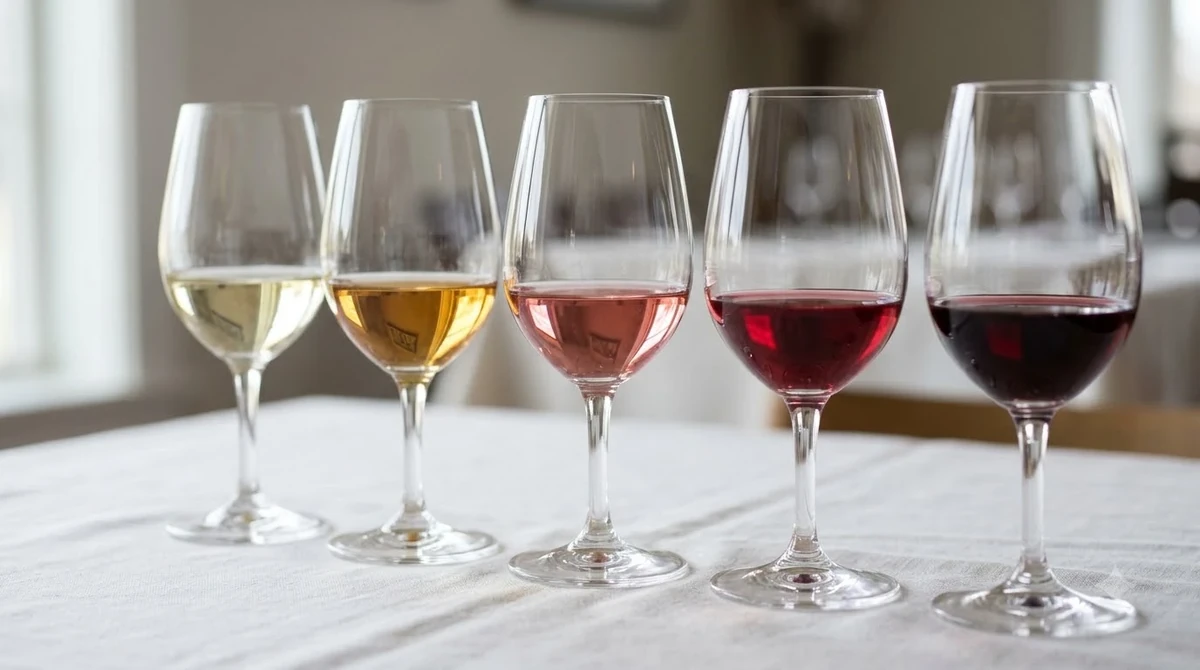
Start with Fino and Manzanilla when serving seafood and lighter tapas. Their dryness and savory character complement prawns, oysters, anchovies, grilled fish and fried calamari. Manzanilla is particularly suitable for seafood because its delicate saline profile works naturally with coastal ingredients.
These wines also work well with salty snacks. Spanish olives, Marcona almonds, potato chips and salted nuts provide simple accompaniments that allow the wine’s crisp character to stand out. Salt can soften the perception of bitterness, making dry Sherry particularly enjoyable alongside savory snacks.
Amontillado offers greater depth and works with more substantial dishes. Try it with mushroom soup, roasted chicken, pork, rabbit or dishes containing caramelized onions. Its nutty and savory characteristics can complement ingredients that might overwhelm a lighter Fino.
Palo Cortado is an excellent choice for richer dishes that need aromatic complexity. Consider serving it with aged hard cheeses, roasted poultry, mushrooms or savory pastries. Its combination of freshness and weight can make it especially useful with dishes that contain both rich and delicate elements.
Oloroso suits substantial foods with strong savory flavors. Slow-cooked beef, roasted lamb, game, braised meat and mature cheeses are natural options. The wine’s fuller body and oxidative character can stand alongside concentrated sauces and roasted flavors.
For dessert, Pedro Ximénez is an especially interesting choice. Its concentrated sweetness pairs with dark chocolate, chocolate cake, fruitcake, dried figs and blue cheese. It can also be poured over vanilla ice cream as a simple dessert accompaniment.
One important pairing principle is to make sure the wine is at least as sweet as the dessert. A very sweet cake can make a less-sweet wine seem sour or harsh. PX is therefore a much more reliable choice for sugary desserts than a dry Fino or Amontillado.
For a tasting party, consider organizing a small selection of tapas that progresses with the wines. Begin with olives and seafood, move toward mushrooms and roasted meats, and finish with blue cheese or chocolate. This creates a natural transition from dry, delicate styles to richer and sweeter expressions.
Serving Temperatures, Glassware and Tasting Preparation
Serving temperature has a significant effect on how Sherry smells and tastes. Lighter biological styles benefit from a colder serving temperature, while richer oxidative wines generally need slightly more warmth to reveal their aromas.
Fino and Manzanilla are best served chilled, generally around 45-50°F. Their fresh, delicate profiles are refreshing at these temperatures, although excessive chilling can make their more subtle aromas difficult to recognize. Amontillado, Palo Cortado and Oloroso are usually better around 53-57°F.
Pedro Ximénez should also be served cool rather than warm. A temperature around 50-55°F helps preserve its richness while keeping the sweetness balanced. The exact temperature can depend on the wine’s concentration and personal preference.
Glassware is another important consideration. A traditional copita is a small, tulip-shaped glass associated with Sherry service. However, a standard white wine glass with a relatively generous bowl is also an excellent option because it provides enough room for aromas to develop.
Avoid glasses that retain detergent smells or other odors. Even a small amount of unwanted fragrance can interfere with the delicate aromas of Fino or the complex nutty character of Amontillado. Clean, odor-free stemware is preferable for every style.
Plan your tasting in a logical progression. The official Sherry educational guidance generally recommends starting with Manzanilla, followed by Fino, Amontillado, Palo Cortado and Oloroso. Sweet wines should follow in increasing order of sugar content.
For a home tasting, five or six wines provide plenty of variety. A practical selection might include one Manzanilla, one Fino, one Amontillado, one Oloroso and one PX. Pour approximately 2 ounces of each wine so guests can compare the styles without receiving unnecessarily large servings.
Keep a glass of water nearby and allow time between samples. Because fortified wines often have higher alcohol levels than ordinary table wines, smaller pours and a measured tasting pace help guests concentrate on the differences in aroma and texture.
Planning a Winery Visit and Jerez Wine Tasting Experience
Visiting Jerez provides an opportunity to experience Sherry in the setting where its traditional production methods developed. Historic bodegas, vineyard visits, guided tastings and local tabanco bars offer several ways to explore the region’s wines.
A traditional bodega visit is one of the most informative experiences. Many historic wineries feature large barrel cellars with distinctive architecture and carefully managed aging environments. Guides can explain the role of Palomino, the development of flor and the movement of wine through the solera and criadera system.
A guided tasting usually provides more context than simply ordering several glasses at a bar. Visitors can compare different styles while learning how the wines are made and why their aromas and textures differ. Some experiences also include local food pairings, making it easier to understand how Sherry works with Andalusian cuisine.
The official Jerez tourism organization describes several types of wine-related activities, including vineyard experiences, winery visits, guided tastings, local food experiences and Sherry served directly from the cask in tabanco bars. Details are available through its official Jerez wine tourism information.
Tabancos are traditional establishments associated with Jerez’s Sherry culture. They offer a different atmosphere from a formal winery tour, with opportunities to experience local drinking customs and sample wines alongside simple regional food. Some serve Sherry directly from the barrel, providing a closer connection to traditional local service.
Sanlúcar de Barrameda is another worthwhile stop, particularly for visitors interested in Manzanilla. Its coastal location and distinct cellar environment help explain why Manzanilla has a character of its own despite sharing many production methods with Fino.
El Puerto de Santa María is also part of the wider Sherry landscape. Exploring more than one town helps demonstrate that the region is not limited to a single style or a single cellar tradition.
For a broader trip through Spanish wine country, consider comparing Jerez with other destinations. Travelers interested in contrasting regional traditions may also enjoy Alsace wine tasting, where aromatic white grapes and cooler-climate wines provide a very different experience. Those exploring Mediterranean wine regions can also consider Bolgheri wine tasting in Tuscany.
Book winery experiences ahead of your visit, particularly if you want an English-language guide or a tasting with food. Confirm the available tasting styles, tour duration, language and reservation requirements directly with the winery. A focused tasting that includes several Sherry categories will generally provide a more useful introduction than a visit that covers only one style.
Frequently Asked Questions
Is Jerez the same place as Sherry?
Jerez is the Spanish name of the historic city associated with Sherry production, while Sherry is the English name for the fortified wine category. The word Sherry developed from the historical pronunciation of Jerez. The Spanish designation is closely connected to the protected production area rather than simply referring to any fortified wine made in Spain.
What does en rama mean on a Sherry label?
En rama generally describes Sherry bottled with minimal clarification and filtration. These bottlings aim to preserve more of the wine’s natural character, including characteristics associated with flor aging. They are particularly associated with Fino and Manzanilla, although availability and bottling practices vary between producers.
What do VOS and VORS mean on Sherry bottles?
VOS stands for Vinum Optimum Signatum and identifies Sherry certified with an average age of at least 20 years. VORS stands for Vinum Optimum Rare Signatum and identifies wines with an average age of at least 30 years. These designations refer to certified average aging rather than the age of every individual component in a solera blend.
Can Sherry be made from grapes other than Palomino?
Yes. Although Palomino is the principal grape for dry Sherry, Pedro Ximénez and Moscatel are also permitted varieties in the region’s traditional wine production. Pedro Ximénez is particularly important for naturally sweet wines because its grapes can be sun-dried to concentrate their sugars before fermentation.
What is a venenciador in Jerez?
A venenciador is a specialist who draws wine from a barrel using a long, narrow instrument called a venencia. The wine is traditionally poured from a height into a glass, creating an impressive stream and helping aerate the sample. This traditional serving technique is closely associated with Sherry culture and can be demonstrated during regional wine events and winery experiences.
Jerez wine tasting offers a fascinating introduction to the diversity of Spanish fortified wine, from the freshness of Manzanilla and Fino to the depth of Oloroso and the concentrated sweetness of Pedro Ximénez. By understanding flor aging, oxidation, the solera system and the region’s food traditions, you can appreciate each style with greater confidence. Whether you visit a historic Andalusian bodega or organize a tasting at home, Jerez rewards anyone curious about how one wine region can produce such a remarkable range of flavors.
More in Wine Regions
 Willcox Wine Trail: Discover Arizona’s High-Elevation Wine CountryUpdated Nov 20, 2026
 Yakima Valley Wine Region: Find the Best Styles to TryUpdated Nov 20, 2026
 Vosne Romanee Wine Tasting: Identify Aromas and Choose Better PairingsUpdated Nov 20, 2026
 Yakima Valley Wine Festival: Find the Best Seasonal Wine EventsUpdated Nov 20, 2026
 Wales Vineyards: Discover Cool-Climate Wines and Where to VisitUpdated Nov 20, 2026
 Yountville Wine Festival: Discover Napa Wines and Local FoodUpdated Nov 20, 2026