


We may earn a commission when you buy through links on this page, at no extra cost to you. Learn more.
Jerez wine is sherry, the fortified wine made around the Spanish city of Jerez de la Frontera in Andalusia, and it ranges from bone-dry Fino to rich, sweet Pedro Ximénez. Most sherry is made from Palomino grapes and aged under a layer of yeast or through oxidation, which gives it nutty, saline and dried-fruit flavors that few other wines share. Its alcohol content is above 15 percent, so it is served in smaller glasses than table wine.
This guide explains what Jerez wine is, how its main styles differ, how the region’s aging system works, and how to serve and pair each style. It is written for drinkers who know sherry only as a cooking ingredient or a name on an old bottle and want a clear way to start.
What Jerez Wine Is
Jerez wine comes from the Jerez-Xérès-Sherry designation, a protected name for wines made in a defined area of southwestern Spain. The Consejo Regulador, the regional body that oversees the designation, lists a set of dry and sweet styles under the name, and its official sherry site presents them as the core of the category. The name matters because sherry made outside the designated area cannot use it.
The wine is fortified, which means a neutral spirit is added to raise the alcohol level. The producers’ own guidance places sherry above 15 percent alcohol, higher than most table wines. The fortification is what allows the wines to age for long periods under the conditions that define the style.
The Main Styles of Jerez Wine
Sherry is divided into dry and sweet styles, and the range within each is wide. The dry group includes Manzanilla, Fino, Amontillado, Oloroso and Palo Cortado. The sweet group includes Pale Cream, Medium and Cream, along with the naturally sweet Moscatel and Pedro Ximénez wines. Each style is made differently, so the label is a more useful guide than the grape alone.
Fino and Manzanilla are the lightest and driest styles. They are pale, crisp and savory, with a sharp, almost saline edge. Amontillado begins life as a Fino and is aged longer, so it develops more color and nuttier, drier flavors. Oloroso is aged without the same protective layer and becomes deeper, richer and more concentrated. Palo Cortado sits between Amontillado and Oloroso and is valued for its complexity.
| Style | Character | Typical pairing |
|---|---|---|
| Fino | Pale, dry, crisp and savory | Seafood, olives, fried foods |
| Manzanilla | Very dry, saline, light | Shellfish and tapas |
| Amontillado | Amber, nutty, dry with depth | Roast meats and aged cheeses |
| Oloroso | Dark, rich, nutty and dry | Game, stews and hard cheeses |
| Pedro Ximénez | Very sweet, dark, raisin-like | Desserts, ice cream and blue cheese |
Tip: If you are unsure where to start, try a Fino or Manzanilla first. Both are dry and light, and they show the core sherry character without the weight of the darker styles.
How Sherry Is Made and Aged
Most sherry is made from Palomino grapes, which give a neutral base wine that can take on the flavors of aging. Winemakers fortify the wine and then age it, and the key difference between styles is how that aging happens. Fino and Manzanilla develop under a layer of yeast called flor, which protects the wine from air. Oloroso ages with more direct exposure to oxygen, which gives it deeper color and richer flavor.
Many sherries are aged in a solera system, a set of barrels arranged in tiers. Wine is drawn from the oldest barrels for bottling and topped up from the next tier, so each bottle blends wines of different ages. The method is slow and expensive, and it is one reason sherry can taste consistent across years even though each bottling mixes wines of many vintages.
How to Serve Jerez Wine
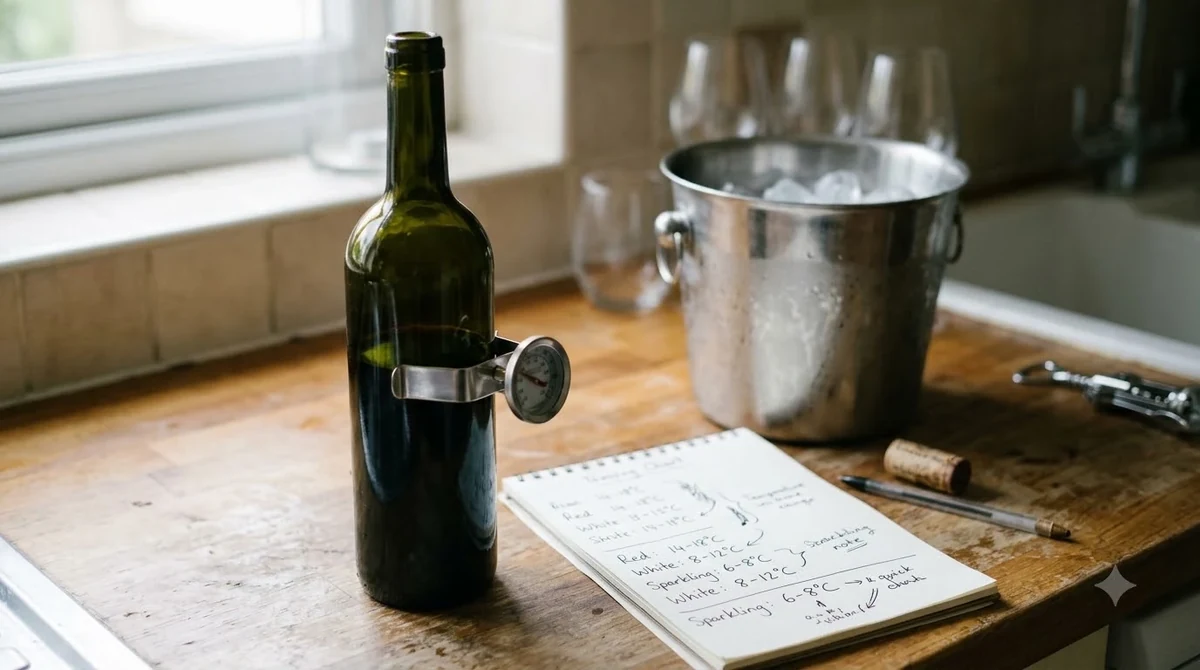
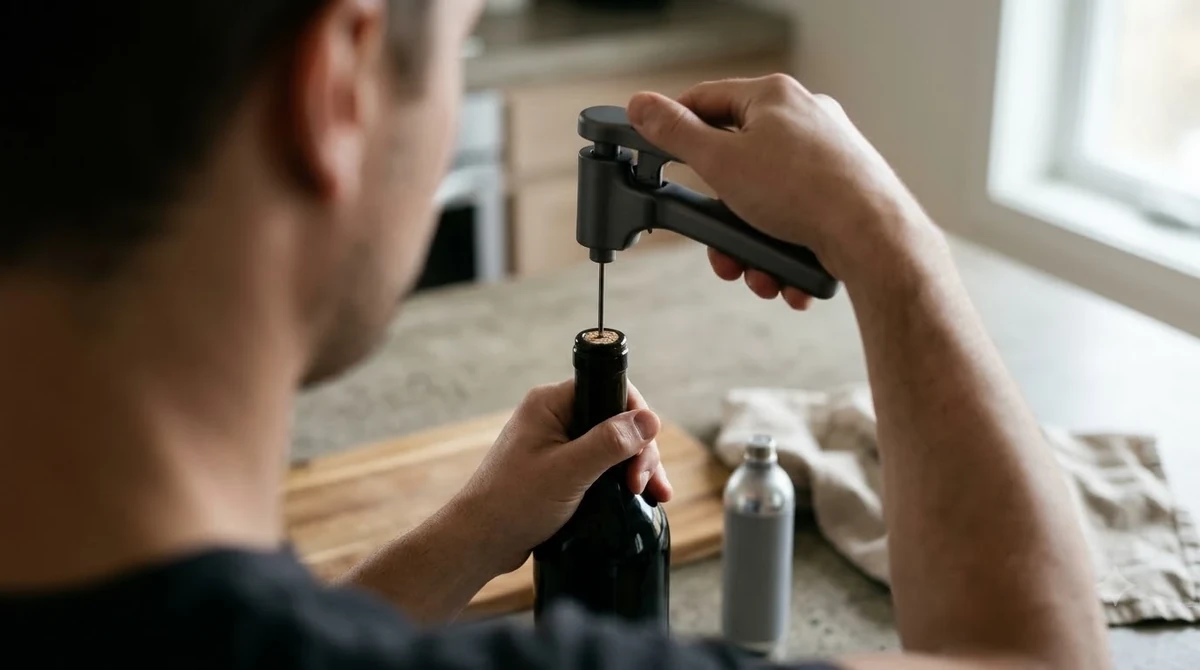
Serving temperature changes the taste of sherry more than most people expect. Guidance in Wine Folly’s sherry guide suggests serving sherry at about 55 to 60 degrees Fahrenheit, slightly cooler than room temperature, which keeps the dry styles fresh and lets the sweeter styles show their structure. Serve it in a smaller glass, a dessert glass or a tulip-shaped glass, and do not decant it.
Once opened, dry sherries are best drunk soon, because they lose freshness faster than the sweeter styles, which keep longer. Store the bottle upright and cool, and drink the dry styles while they are bright.
Pairing Jerez Wine With Food
Pairing is where sherry becomes especially useful. Fino and Manzanilla suit seafood, fried or grilled fish, olives and tapas, because their dryness and salinity cut through oil and brine. Amontillado works well with barbecue ribs and roast meats, since its nutty depth stands up to smoke. Cream sherry and Pedro Ximénez pair with rich cheeses and desserts, especially those with caramel or dried fruit.
A quick guide for mixing styles at a dinner party: serve a dry Fino before the meal, a richer Amontillado or Oloroso with the main course, and a sweet Pedro Ximénez with dessert. That arc gives guests a clear progression and keeps the table interesting from start to finish. For a broader view of how regional styles fit different foods, the Wine Regions guide is a useful next read.
How Jerez Compares With Other Fortified Wines
Sherry is often compared with port, another fortified wine with a long aging tradition. Port comes from Portugal’s Douro Valley and is usually sweet, while sherry covers a much wider range from bone-dry to very sweet. If you already enjoy port, the Douro wine guide offers a useful comparison of how the two regions shape their wines.
The biggest practical difference is the aging. Many sherries are ready to drink as soon as they are bottled, because the solera system already blends older wines into the bottle. That makes sherry more approachable for a first-time buyer than an old, unblended port.
Buying Jerez Wine
Look for the style name on the label, not just the grape. A Fino and an Oloroso may both come from Palomino, but they taste nothing alike. Check whether the bottle is labeled dry or sweet, and read the producer’s description to see how old the blend is. Specialty shops and wine retailers often stock a few styles, which makes it easy to build a small tasting set.
Frequently Asked Questions
What is the difference between sherry and Jerez wine?
There is no difference in the wine itself. Jerez is the Spanish city and the origin of the protected name Jerez-Xérès-Sherry, which is the official designation for sherry made in the region. The two terms refer to the same category.
Is sherry sweet?
Not always. Fino, Manzanilla, Amontillado and Oloroso are dry, while Cream, Medium and Pedro Ximénez are sweet. The label and style name tell you which one you are buying.
Does sherry go bad after opening?
Dry sherries lose freshness faster than sweeter styles, so drink them soon after opening. Keep the bottle cool and upright, and finish it sooner rather than later. Sweeter sherries keep longer.
What sherry should a beginner try first?
A Fino or Manzanilla is the usual starting point because it is light, dry and clearly sherry-like. A Pedro Ximénez is a good second choice if you want a sweet dessert wine.
Jerez wine is one of the most distinctive categories among fortified wines. Start with a dry Fino or Manzanilla, compare it with a richer Amontillado or Oloroso, and finish with a sweet Pedro Ximénez. Served at the right temperature and matched with simple food, sherry shows how a wine can be complex without being heavy.
More in Wine Regions
 Willcox Wine Trail: Discover Arizona’s High-Elevation Wine CountryUpdated Nov 20, 2026
 Yakima Valley Wine Region: Find the Best Styles to TryUpdated Nov 20, 2026
 Vosne Romanee Wine Tasting: Identify Aromas and Choose Better PairingsUpdated Nov 20, 2026
 Yakima Valley Wine Festival: Find the Best Seasonal Wine EventsUpdated Nov 20, 2026
 Wales Vineyards: Discover Cool-Climate Wines and Where to VisitUpdated Nov 20, 2026
 Yountville Wine Festival: Discover Napa Wines and Local FoodUpdated Nov 20, 2026