

We may earn a commission when you buy through links on this page, at no extra cost to you. Learn more.
How to serve sherry depends on its style: serve Fino and Manzanilla well chilled at 43–46°F, while Amontillado, Oloroso, and Palo Cortado are best lightly chilled at 54–57°F. Sweet styles such as Pedro Ximénez also benefit from gentle chilling, generally around 54–57°F. Use a tulip-shaped Sherry glass or a small white wine glass, pour modest servings, and match the wine’s dryness or sweetness to the food.
Sherry is one of Spain’s most versatile fortified wines, but its range of styles can make serving it seem complicated. A crisp, dry Fino calls for different treatment from a rich, nutty Oloroso or a deeply sweet Pedro Ximénez. A few practical guidelines covering temperature, glassware, pouring, food matching, and storage make it easy to serve each bottle properly, whether you’re hosting a tapas evening or finishing a formal dinner.
Choose the Right Serving Temperature for Each Sherry Style
Temperature is one of the most important parts of Sherry service because it influences how the wine’s aromas, acidity, alcohol, and sweetness come across. Light, delicate styles need more chilling, while richer wines benefit from slightly warmer serving temperatures.

The Sherry regulatory body’s traditional recommendations provide a useful starting point. Fino and Manzanilla should be served between 43 and 46°F, while Amontillado, Oloroso, and Palo Cortado are best around 54–57°F. Pedro Ximénez and Moscatel also fall within the 54–57°F range in its general serving guide. These temperatures allow the wines to show their distinctive characteristics without becoming overly warm or muted by excessive chilling.
There is some flexibility, particularly with older bottles and individual preferences. Wine professionals sometimes serve Fino closer to 45°F and oxidative styles around 55°F. These practical recommendations are consistent with the advice in the official Sherry wine tasting and serving guide. The important point is to avoid serving every style at the same temperature.
| Sherry style | Serving temperature | Best serving approach |
|---|---|---|
| Fino | 43–46°F | Well chilled |
| Manzanilla | 43–46°F | Well chilled |
| Amontillado | 54–57°F | Lightly chilled |
| Oloroso | 54–57°F | Lightly chilled |
| Palo Cortado | 54–57°F | Lightly chilled |
| Pedro Ximénez | 54–57°F | Cool, not ice-cold |
| Moscatel | 54–57°F | Cool, not ice-cold |
| Medium and Cream | 50–54°F | Chilled or over ice |
To reach these temperatures, place a bottle of Fino or Manzanilla in the refrigerator for a few hours before serving. Richer styles generally need less time in the refrigerator. If an Amontillado or Oloroso has become too cold, allow it to sit briefly at room temperature before pouring.
Tip: Use a wine thermometer if you want greater precision, especially when serving several Sherry styles together. It is easier to let a bottle warm slightly in the glass than to correct one that has been served too warm.
Select Glassware That Shows Off Sherry’s Aromas
The best glass for Sherry has a relatively narrow opening and enough bowl space to collect aromas. A traditional copita works well for casual servings, while a small white wine glass is particularly useful for drinking Sherry alongside a meal.
The copita is a small, stemmed glass traditionally associated with Spanish Sherry service. Its shape makes it convenient for aperitifs and tapas, and its smaller capacity encourages modest pours. It is especially suitable for Fino and Manzanilla, which are often served in relaxed settings with olives, almonds, and seafood.
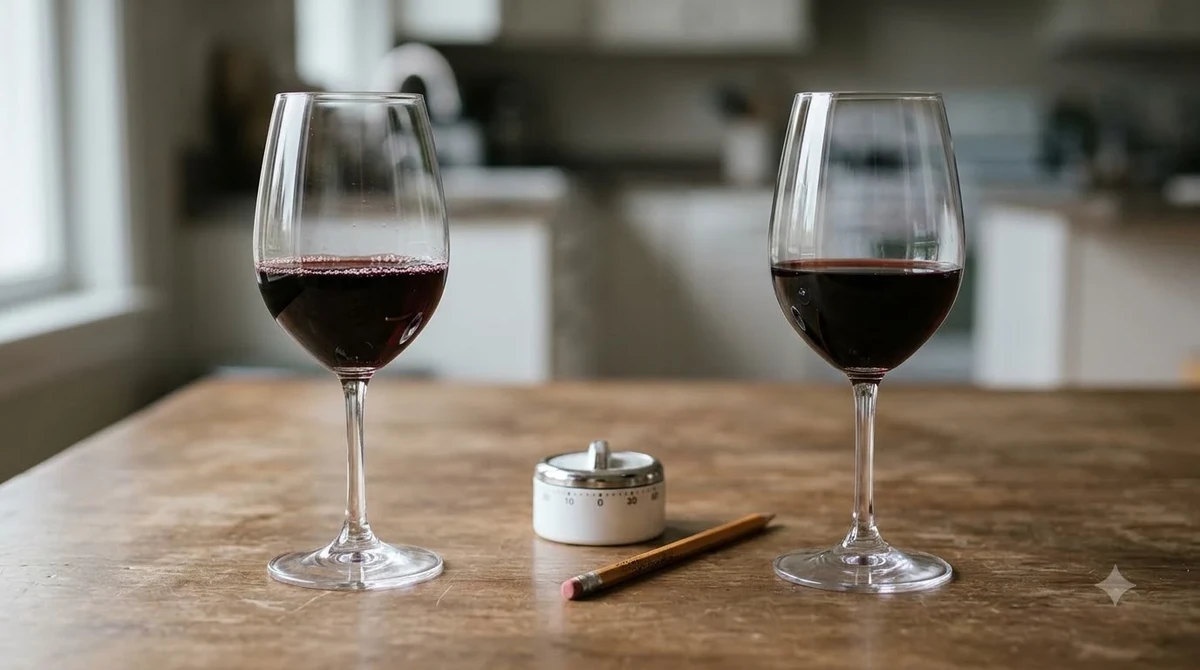
A standard white wine glass is another excellent option. Its larger bowl provides room for swirling and helps reveal the nutty, dried-fruit, and spice aromas found in Amontillado, Oloroso, and Palo Cortado. A thin stem also allows drinkers to hold the glass without warming the wine with their hands.
Wine Enthusiast recommends glassware with a relatively narrow opening for Sherry because it can help moderate the perception of alcohol while retaining the wine’s aromas. The glass should be clean, odor-free, and free from detergent residue. Even a small amount of leftover fragrance can interfere with the delicate aromas of a dry Sherry.
Avoid filling the glass to the rim. Leave enough space for the wine to release its aromas when gently swirled. A serving that occupies roughly one-third of a larger wine glass is a sensible starting point. This also makes it easier to compare two styles side by side during a tasting.
Understand the Different Sherry Styles Before Pouring
Sherry is not a single flavor profile. It includes bone-dry wines, fuller oxidative styles, blended sweet wines, and naturally sweet wines, each with different serving requirements and drinking occasions.
Fino and Manzanilla are the lightest and driest styles. Both develop under a protective layer of yeast known as flor, which limits exposure to oxygen during aging. Fino is associated with the Jerez area, while Manzanilla comes from Sanlúcar de Barrameda. Their crisp, savory character makes them natural choices for an aperitif or a first course.
Amontillado develops through biological aging under flor followed by oxidative aging after the protective yeast layer disappears. This gives it a deeper color and more pronounced aromas of toasted nuts, mushrooms, and dried herbs. Palo Cortado is another distinctive style that combines characteristics associated with Amontillado and Oloroso, often offering aromatic complexity alongside a fuller palate.
Oloroso ages without flor, allowing greater exposure to oxygen. The result is generally fuller and richer, with aromas that can include walnuts, spices, dried fruit, and caramel-like notes. Although some Oloroso wines are sweetened, traditional dry Oloroso can be a satisfying accompaniment to savory meals.
Sweet Sherry includes Cream, Pedro Ximénez, and Moscatel. Cream Sherry is generally a blend of oxidative Sherry with sweet wine, while Pedro Ximénez and Moscatel can be produced from grapes whose sugars have been concentrated through drying. PX is particularly rich and syrupy, with flavors of raisins, figs, dates, and molasses.
These differences matter because the wine’s weight and sweetness should influence when and how it is served. A delicate Fino can disappear beside a heavy chocolate dessert, while a concentrated PX may overwhelm a light seafood starter. Understanding the styles makes it easier to plan an enjoyable sequence.
Pair Sherry With Food for a More Complete Experience
Sherry can accompany a meal from the first appetizer to dessert. The most reliable approach is to match the wine’s body, sweetness, and savory character with the intensity of the dish.
Fino and Manzanilla are particularly good with salty, fresh, and fried foods. Their crisp acidity and savory character complement Spanish olives, Marcona almonds, cured ham, potato chips, oysters, shrimp, and fried calamari. Manzanilla is especially attractive alongside raw seafood, including scallops and shellfish, while Fino works beautifully with tapas and lightly fried fish.
Amontillado is a better choice for dishes with deeper savory flavors. Its nutty character works with roasted chicken, pork, mushroom soup, consommé, and mature hard cheeses. It can also complement anchovies and other strongly flavored ingredients. The wine’s fuller texture gives it enough presence to accompany dishes that would overwhelm a delicate Fino.
Oloroso suits richer preparations such as braised beef, roasted lamb, game, hearty stews, and aged cheeses. Its fuller body and oxidative character can stand alongside substantial dishes without disappearing. For a cheese course, try it with aged Manchego or other firm, mature cheeses.
Sweet Sherry is best reserved for foods with comparable sweetness. Pedro Ximénez works particularly well with vanilla ice cream, chocolate desserts, dried figs, sticky puddings, and blue cheese. Cream Sherry can accompany fruit cakes, pastries, and nut-based desserts.
| Sherry style | Food pairing | Why it works |
|---|---|---|
| Fino | Olives, almonds, fried seafood | Acidity balances salt and fried textures |
| Manzanilla | Oysters, scallops, shrimp | Fresh, saline flavors complement seafood |
| Amontillado | Roast chicken, mushrooms, pork | Nutty complexity complements savory flavors |
| Palo Cortado | Aged cheese, roasted poultry | Richness matches more concentrated dishes |
| Oloroso | Beef stew, game, Manchego | Full body stands up to rich food |
| Cream | Fruit cake, pastries, nuts | Sweetness complements desserts |
| Pedro Ximénez | Dark chocolate, ice cream, blue cheese | Intense sweetness balances bitter and salty flavors |
When planning a complete menu, avoid serving the most powerful Sherry first. Start with a lighter Fino or Manzanilla, move toward Amontillado and Oloroso, and finish with a sweet PX if dessert is part of the meal. This progression prevents richer wines from overwhelming more delicate ones.
For dessert, remember that the wine should be at least as sweet as the food. A very sweet chocolate cake can make a less-sweet wine seem sharp or thin. If a dish is particularly salty or fatty, however, the contrast can make a dry or oxidative Sherry especially appealing.
Pour Sherry Correctly and Choose the Right Occasion
Sherry is suitable for more than an after-dinner drink. Depending on the style, it can be served as an aperitif, alongside a main course, as a dessert wine, or as an ingredient in a cocktail.
For a standard tasting or meal, a 3–4-ounce serving is a practical starting point. This is smaller than the familiar 5-ounce serving of ordinary table wine, which makes sense given that Sherry is fortified and generally has a higher alcohol content. A 750 ml bottle contains approximately 25.4 fluid ounces, enough for around six to eight servings of 3–4 ounces.
Fino and Manzanilla are particularly appropriate before dinner. Serve them alongside olives, salted almonds, Spanish ham, or small seafood dishes. Their refreshing character makes them a useful alternative to sparkling wine or a traditional dry white wine when guests arrive.
Amontillado and Palo Cortado can be served during dinner, especially with soups, poultry, mushrooms, and cheese. Oloroso is suitable for a main course or a later savory course. Sweet Sherry is a natural finish for a meal, although a small glass of PX can also be served independently as a dessert.
Sherry also works in cocktails. Fino can contribute a dry, savory character to drinks, while Amontillado adds nutty complexity. Cream and sweet styles can be used in dessert-inspired cocktails. Keep the wine’s original character in mind when mixing: a delicate Fino can easily disappear beneath overly strong ingredients.
For a Sherry tasting, offer small pours of three or four different styles rather than an excessive number of bottles. The official Sherry pairing recommendations encourage moving from lighter wines toward fuller and more concentrated expressions. A useful sequence is Manzanilla, Fino, Amontillado, Oloroso, and finally a sweet PX if you want to include dessert wine.
Guests can also compare two related styles at the same time. For example, pouring Fino and Manzanilla together highlights their shared biological aging and differences in regional character. Comparing Amontillado with Oloroso offers another useful contrast between two wines with oxidative characteristics.
Store Opened Sherry and Preserve Its Quality
Sherry generally lasts longer after opening than many ordinary table wines, but its shelf life varies considerably by style. The lightest wines are more delicate, while richer oxidative and sweet styles generally remain enjoyable for longer.
Fino and Manzanilla are the most sensitive once opened. Their freshness and delicate aromas can fade relatively quickly, so they should be tightly resealed and refrigerated. Decanter recommends drinking opened bottles of these styles within approximately one week.
Amontillado and Palo Cortado are more resilient because their oxidative aging gives them a different structure. According to Decanter’s storage guidance, they can keep for up to three weeks after opening when properly resealed and refrigerated. Oloroso can last longer, with a suggested period of up to six weeks.
Pedro Ximénez is particularly durable after opening because of its concentrated sweetness. Decanter gives an approximate refrigerated storage period of up to two months. Cream Sherry also tends to keep longer than delicate dry styles, although its precise longevity depends on the blend and storage conditions.
| Sherry style | Suggested time after opening | Storage method |
|---|---|---|
| Fino | Up to 1 week | Sealed and refrigerated |
| Manzanilla | Up to 1 week | Sealed and refrigerated |
| Amontillado | Up to 3 weeks | Sealed and refrigerated |
| Palo Cortado | Up to 3 weeks | Sealed and refrigerated |
| Oloroso | Up to 6 weeks | Sealed and refrigerated |
| Pedro Ximénez | Up to 2 months | Sealed and refrigerated |
These are practical guidelines rather than guarantees. The wine’s age, filtration, exposure to air, and storage conditions can all influence how long it retains its best qualities. For the best results, close the bottle promptly after pouring and return it to the refrigerator rather than leaving it open on the dining table.
Unopened Sherry should be stored away from direct sunlight and significant temperature changes. Unlike many traditional still wines, Sherry bottles are generally stored upright. This limits prolonged contact between the wine and the cork, which is useful for fortified wines.
Before serving a bottle that has been open for several weeks, check its aroma and flavor. A tired, flat character or unpleasantly altered aromas suggest that the wine has passed its best. Avoid assuming that every style will remain fresh for the same amount of time.
Plan a Sherry Serving Experience From Start to Finish
A successful Sherry gathering does not require complicated equipment or an elaborate menu. A few well-chosen bottles, suitable glassware, appropriate temperatures, and complementary food are enough to introduce guests to the category.
For a casual gathering, begin with a chilled Fino or Manzanilla. Serve it with olives, almonds, cured ham, and fried seafood. These familiar tapas give guests an immediate sense of the wines’ crisp, savory character without requiring a formal tasting setup.
Next, introduce an Amontillado with mushroom dishes, roasted chicken, or aged Manchego. Its deeper aromas provide a noticeable contrast with the lighter opening wine. If the meal includes beef, game, or a rich stew, follow with a lightly chilled Oloroso.
Finish with Cream Sherry or Pedro Ximénez. A small pour of PX alongside vanilla ice cream or dark chocolate makes an easy dessert course. Guests who prefer less intense sweetness may enjoy Cream Sherry with pastries or fruit cake instead.
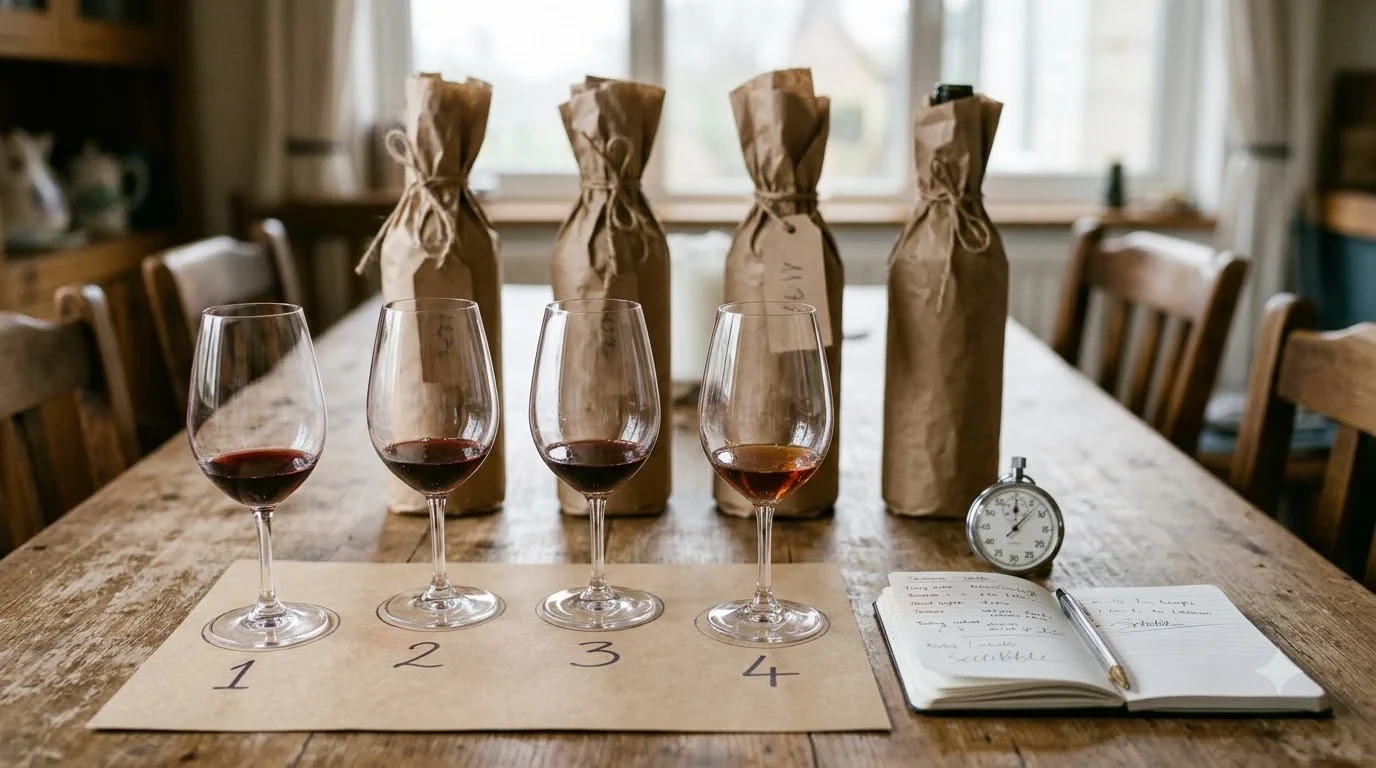
For a more structured tasting, arrange the bottles in order of increasing body and intensity. Use clean glasses for each wine, serve smaller portions, and give guests time to notice differences in aroma, texture, and finish. Three contrasting bottles can provide a more useful introduction than six similar wines.
Temperature control deserves particular attention during a longer gathering. Keep Fino and Manzanilla refrigerated between pours, and avoid leaving bottles exposed to warm room temperatures. Richer styles can be brought out shortly before the relevant course so they reach their intended serving temperature.
It can also be useful to provide a simple printed description of each wine. Include its style, approximate alcohol content if known, serving temperature, and a suggested food match. This helps guests understand why the wines taste different and makes it easier to choose another style they might enjoy.
Sherry is also a good opportunity to explore wine beyond familiar categories such as Chardonnay, Cabernet Sauvignon, or Pinot Noir. Its range of dry, nutty, and sweet expressions makes it suitable for several different courses. For more background on other wine styles, visit our guide to Wine by Type. Readers interested in the lightest dry style can also explore how to serve Fino Sherry.
Frequently Asked Questions
Is Sherry served before or after dinner?
Sherry can be served at several points during a meal, depending on the style. Fino and Manzanilla are popular aperitifs, while Amontillado and Oloroso work with savory courses. Pedro Ximénez is particularly suitable after dinner because its concentrated sweetness makes it a natural dessert wine.
Should Sherry be served neat or with ice?
Most Sherry is traditionally enjoyed neat, especially dry styles such as Fino, Manzanilla, and Amontillado. Cream and Medium Sherry can also be served over ice as an aperitif. A slice of orange is an optional garnish for certain sweet or blended styles, although it is not necessary for a traditional serving.
Is Sherry stronger than regular table wine?
Yes, Sherry is generally stronger because it is a fortified wine. Depending on the style, its alcohol content commonly falls between approximately 15% and 22% ABV. The exact strength varies, with Fino typically lower in alcohol than many richer oxidative styles.
Can Sherry be used for cooking as well as drinking?
Yes. Dry Sherry can add depth to soups, sauces, seafood dishes, and mushroom preparations, while sweeter styles can contribute concentrated fruit flavors to desserts. A drinkable Sherry is generally a better cooking choice than a heavily salted commercial cooking wine. Amontillado is especially useful in savory recipes that benefit from nutty, complex flavors.
Does Sherry need to breathe before serving?
Most Sherry does not require prolonged decanting before serving. A few minutes in the glass can help reveal the aromas of an older Amontillado, Oloroso, or Palo Cortado. Fino and Manzanilla are generally best poured shortly before drinking to preserve their fresh, delicate character.
Serving Sherry well comes down to matching temperature, glassware, and food to the style in the bottle. Start with chilled Fino or Manzanilla, explore the richer character of Amontillado and Oloroso, and finish with a sweet Pedro Ximénez when dessert arrives. With these simple guidelines, Sherry can become a versatile and enjoyable part of almost any meal.
More in Wine Types & Grapes
 Zinfandel Sugar Content: Dry Red vs. White Zinfandel GramsUpdated Nov 21, 2026
 Best Zinfandel Substitute Options for Sipping and CookingUpdated Nov 21, 2026
 Zweigelt Food Pairing: Best Dishes, Cheeses, and Serving TipsUpdated Nov 21, 2026
 Zinfandel Tannins Explained: How Structure Shapes Every BottleUpdated Nov 21, 2026
 Zinfandel Sweetness Level: Dry Red vs. Sweet White Zin ExplainedUpdated Nov 21, 2026
 Xinomavro Food Pairing: Best Dishes, Styles, and Serving TipsUpdated Nov 21, 2026