

We may earn a commission when you buy through links on this page, at no extra cost to you. Learn more.
Oloroso wine is a full-bodied, usually dry style of Sherry from Jerez, Spain, known for its oxidative aging, deep amber color, and rich walnut, toasted wood, and dried-fruit flavors. Made primarily from Palomino grapes, it is fortified to about 17% alcohol before aging without flor, the protective layer of yeast found in other Sherry styles. The result is a powerful, concentrated wine that works especially well with red meat, game, hearty stews, mushrooms, and mature cheese.
Oloroso can seem unfamiliar if your experience with wine centers on still whites and reds. Its combination of high alcohol, oxidative maturation, and savory flavors gives it a different character from most everyday table wines. Understanding how it is made, what to expect in the glass, and how to serve it makes choosing a bottle much easier. This guide covers its production, flavor, differences from other Sherries, food pairings, and practical serving advice.
What Oloroso Wine Is
Oloroso wine is a fortified Sherry made in the Jerez region of Andalucía in southwestern Spain. It is a naturally structured style that develops through oxidative aging rather than aging beneath a protective layer of yeast. Its combination of Palomino grapes, fortification, and extended contact with oxygen creates a deep-colored wine with concentrated, savory flavors.
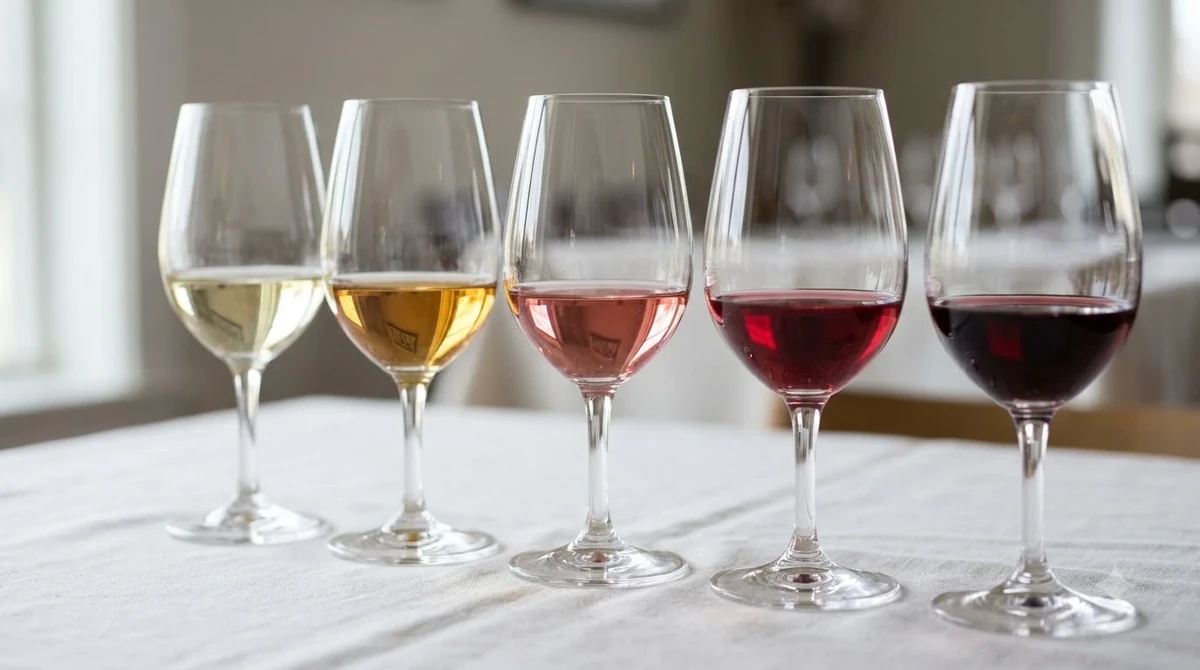
The name Oloroso comes from the Spanish word associated with fragrance or aroma, an apt description of its expressive character. Its aroma can suggest walnuts, toasted wood, dried leaves, spices, and leather. The color generally ranges from rich amber to mahogany, although individual bottles vary according to their aging and concentration. Despite its dark appearance, traditional dry Oloroso is a white-grape wine, not a red wine.
Oloroso belongs to the broader category of Sherry, a fortified wine associated with the area around Jerez de la Frontera, El Puerto de Santa María, and Sanlúcar de Barrameda. These towns form the familiar geographic reference for the Sherry-producing area. The grape most closely associated with classic dry Oloroso is Palomino, which provides a relatively neutral base that can develop considerable complexity during cellar aging. For readers exploring Spanish wine varieties, the Airén grape offers another point of comparison: different Spanish white grapes can serve very different winemaking purposes.
Classic dry Oloroso is not a sugary dessert wine. The Consejo Regulador’s official Oloroso wine profile lists less than 4 grams of sugar per liter, while its alcohol content is typically between 17% and 22% by volume. These figures explain why the wine can taste intense and warming even when it is technically dry. The full texture, concentrated aromas, and lingering finish can create an impression of richness without requiring substantial residual sugar.
How Palomino Becomes Oloroso Through Oxidative Aging
Oloroso begins with fully fermented Palomino wine selected for its body and structure. The cellar team fortifies the base wine to approximately 17% alcohol, preventing flor from developing and allowing the wine to mature in contact with oxygen. This process, followed by extended aging in wooden casks, defines the style.
After fermentation, cellar tasters assess the base wines and determine which are suitable for Oloroso. Wines with sufficient structure are directed toward oxidative aging. The addition of grape spirit raises the alcohol level to about 17%, making the environment unsuitable for the flor yeast layer that protects wines such as Fino and Manzanilla. Instead of being shielded from oxygen by yeast, Oloroso develops through gradual exposure to the air in the cask.
Oxidative aging changes both the appearance and flavor of the wine. The color deepens from pale gold toward amber and mahogany, while aromas become more concentrated and savory. Slow evaporation through the wooden cask removes some water, increasing the concentration of the remaining wine. The regional production information describes an annual volume loss of approximately 3–4% through this process. That loss helps explain why some older Olorosos reach alcohol levels above 20%.
The role of the criaderas y solera system
Many Olorosos mature in the traditional criaderas y solera system. This is a dynamic arrangement of cask groups, or scales, containing wines at different stages of aging. The oldest group, known as the solera, supplies wine for bottling. When a portion is withdrawn, it is replenished with wine from the next-youngest group, which is in turn replenished from a younger scale. The process continues through the system.
This gradual movement blends wines from different harvests and helps maintain a recognizable house style. A bottle from a solera is therefore not necessarily the product of one harvest or one specific number of years in a single cask. It represents a blend influenced by the different ages and characteristics within the system. The region also permits static aging and vintage-based approaches in appropriate circumstances, but the solera remains an important traditional method for Sherry.
The regional information identifies the American oak bota of approximately 600 liters as the most commonly used aging cask in Jerez. The wood is not simply a flavoring tool: the cask also permits gradual interaction with oxygen and the loss of water during maturation. Sherry wines must undergo at least two years of aging under the regional requirements, although individual Olorosos may mature for much longer before bottling.
| Oloroso characteristic | Typical figure | What it means |
|---|---|---|
| Initial fortification | About 17% ABV | Prevents flor from developing |
| Finished alcohol | 17–22% ABV | Higher than most still table wines |
| Residual sugar | Under 4 g/L | Typical dry Oloroso profile |
| Minimum Sherry aging | 2 years | Regional minimum maturation period |
| Recommended serving temperature | 12–14°C (54–57°F) | Slightly chilled |
| Common aging cask | 600 liters | American oak bota |
These figures describe the general style rather than a guarantee that every bottle will have precisely the same profile. Producer decisions, time in cask, blending, and the character of the original base wine influence the finished result. The useful starting point is that Oloroso gains its distinctive identity from a dry Palomino base, early fortification, and oxidative maturation.
Oloroso Flavor, Aroma, and Texture
Oloroso is recognizable for its walnut-rich aroma, dark amber color, and full-bodied palate. It commonly combines dried-fruit and toasted notes with savory elements such as leather, spice, and aged wood. Its texture is broad and rounded, while the finish is typically dry and persistent.
Walnut is one of the clearest reference aromas, often accompanied by toasted almond, dried apricot, cooked apple, or raisin-like notes. With extended aging, the wine may develop associations with old wood, tobacco, dried herbs, autumn leaves, and leather. Some examples have a balsamic or earthy character that makes them feel especially suited to savory food. These aromas are not necessarily signs of a fault: oxidative development is the intended style of maturation.
On the palate, Oloroso has a substantial presence. Its alcohol level contributes warmth, and its concentration gives it more weight than a light white wine. Glycerine also contributes to the rounded impression of the wine. The official style profile lists glycerine at approximately 8–10 grams per liter, a figure that helps explain why Oloroso can feel smooth even though it is dry and powerful.
Its finish can combine toasted nuts, spice, dried wood, and a gently drying sensation. The wine’s aromas may seem sweet because dried fruit, caramel-like notes, and warm spices are associated with sweet foods. That aromatic impression should not be confused with actual sugar content. A classic dry Oloroso can smell rich and ripe while remaining below 4 grams of sugar per liter.
Color is another useful clue, although it should not be treated as a precise age statement. Oloroso often appears deep amber or mahogany because oxygen exposure and gradual concentration darken the wine. Longer aging can deepen that color, but cask conditions and the original wine also influence the result. A lighter amber example can still show the defining Oloroso character, while a deep mahogany bottle may offer more concentrated aromas and a longer finish.
Oloroso Compared With Fino, Amontillado, and Cream Sherry
The main difference between Oloroso and other Sherry styles is how the wine ages and whether flor protects it from oxygen. Fino and Manzanilla mature under flor, Amontillado combines biological and oxidative aging, and Oloroso ages oxidatively from the start. Cream Sherry, meanwhile, is a sweetened style that commonly uses Oloroso as a base.
Fino and Manzanilla are generally pale, dry, and lighter in body than Oloroso. Their flor layer reduces direct contact between the wine and air, helping preserve a fresher profile with saline, almond, and delicate savory notes. Manzanilla is specifically associated with Sanlúcar de Barrameda, while Fino is produced elsewhere in the Sherry region. If the goal is a crisp aperitif with olives, salted almonds, or seafood, these styles are often more suitable than the fuller Oloroso.
Amontillado starts with biological aging under flor before continuing through oxidative aging. That two-stage development gives it qualities associated with both Fino and Oloroso. It is usually amber in color, with a nutty aroma and more body than Fino, but it tends to be lighter and more delicate than Oloroso. It can be a useful choice for dishes such as asparagus, artichokes, smoked foods, or mature cheese when a full Oloroso would feel too powerful.
Palo Cortado is another oxidative Sherry with a distinct path through production. It is often described as combining the aromatic delicacy associated with Amontillado and the fuller structure of Oloroso. Its style can vary, but it is generally dry and complex. Oloroso is typically the more direct choice when the desired wine is broad, rounded, and strongly nutty rather than comparatively refined and finely structured.
Cream Sherry is different because it is sweetened. It commonly uses dry Oloroso as its base and blends in a naturally sweet wine such as Pedro Ximénez. The proportions vary by producer; one example described by Decanter uses approximately 75% Oloroso and 25% Pedro Ximénez. The added sweetness creates a different style, often with caramel, dried fruit, and a softer dessert-friendly profile. This distinction matters when choosing a bottle: a dry Oloroso and a Cream Sherry made with Oloroso are not interchangeable.
For a broader introduction to how these styles fit into the wider category of fortified and still wines, explore our Wine by Type overview. It can help place Oloroso alongside other wine styles without confusing a fortified Sherry with a conventional white or red table wine.
Food Pairings That Suit Oloroso
Oloroso works best with flavorful food that can stand up to its alcohol, body, and concentrated aromas. Red meat, game, slow-cooked dishes, mushrooms, and well-aged cheeses are particularly reliable matches. Its nutty, savory character makes it a useful partner for dishes with browned surfaces, rich sauces, and deep umami flavors.
Slow-cooked beef is a natural starting point. Braised short ribs, beef cheeks, and oxtail have a combination of richness and gelatinous texture that pairs well with Oloroso’s full body and persistent finish. The wine can also accompany roast beef or lamb, particularly when the meat has a browned crust and a savory pan sauce. Game dishes such as venison or slow-braised game birds offer another good match because their concentrated flavors do not disappear beside the wine.
Stews and casseroles are equally suitable. A beef stew with mushrooms, a long-cooked lamb casserole, or a rich onion soup can echo the wine’s toasted and savory notes. The match works especially well when the dish includes caramelized onions, roasted root vegetables, or a stock-based sauce. These ingredients offer flavor depth that can meet Oloroso’s intensity without relying on sweetness.
Mushrooms deserve particular attention. Wild mushrooms, sautéed cremini, roasted porcini, and mushroom-based pasta sauces can all complement the wine’s earthy and nutty aromas. A mushroom risotto with aged cheese is another option, especially when it is seasoned with herbs and finished with a savory stock. The combination can make Oloroso a useful alternative to red wine at a meal where the main flavor comes from mushrooms rather than meat.
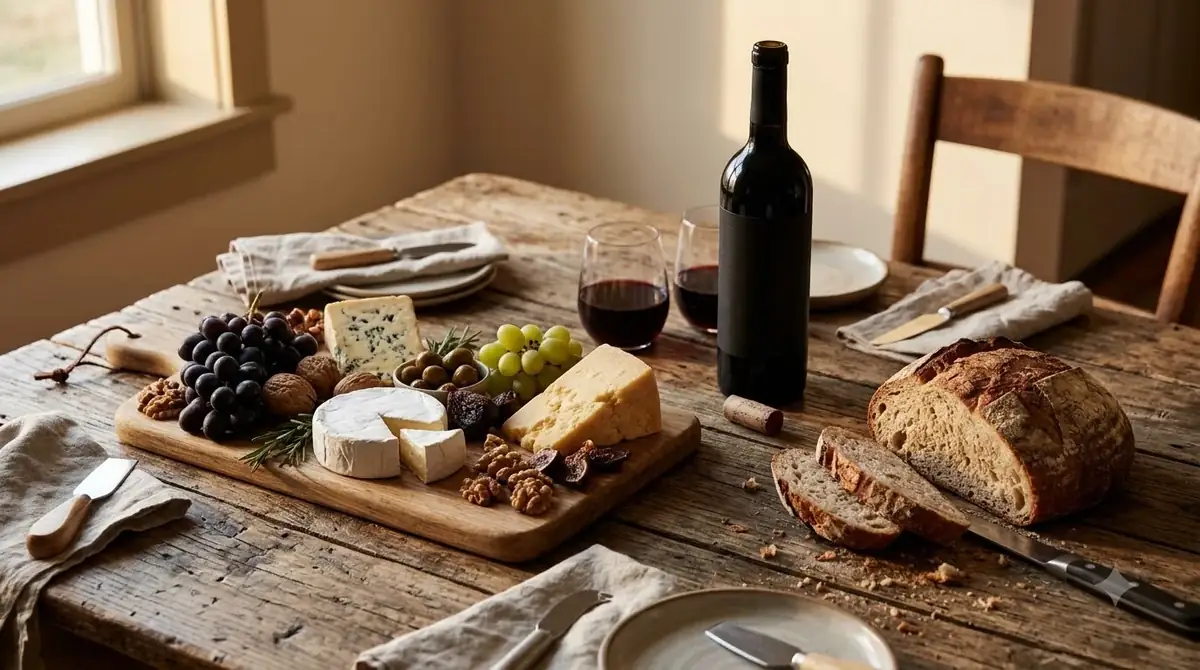
Cheese pairings should favor strong, mature examples. Aged Manchego, Parmesan, mature Gouda, and other firm cheeses offer concentrated flavor and enough salt to balance the wine’s weight. Blue cheese can also work, particularly when paired with a small sweet accompaniment, although a very sweet garnish will shift the experience toward the wine’s dried-fruit aromas. A simple cheese plate with toasted nuts and dried fruit is an easy way to serve Oloroso without preparing a full meal.
Other possibilities include duck confit, sweetbreads, grilled tuna, and certain pork dishes. These are more specific matches, so the preparation matters: browned, roasted, grilled, or slow-cooked versions generally make better partners than lightly seasoned preparations. Decanter’s Sherry and tapas pairing guide also highlights braised oxtail, game, onion soup, duck confit, and strong cheeses as suitable companions for Oloroso.
Tip: Match Oloroso with the richest and most savory part of the meal rather than automatically serving it with the first course. A small glass alongside braised beef, mushroom dishes, or aged cheese gives the wine enough flavor intensity to feel balanced.
Very spicy dishes require more care. Oloroso’s alcohol can make chili heat feel more intense, so heavily chili-laden food may overwhelm the wine. Likewise, delicate salads and lightly poached fish can be overpowered by its weight. A useful rule is to choose dishes with substantial flavor and texture, not simply dishes that are expensive or strongly seasoned.
Serving, Buying, and Storing Oloroso
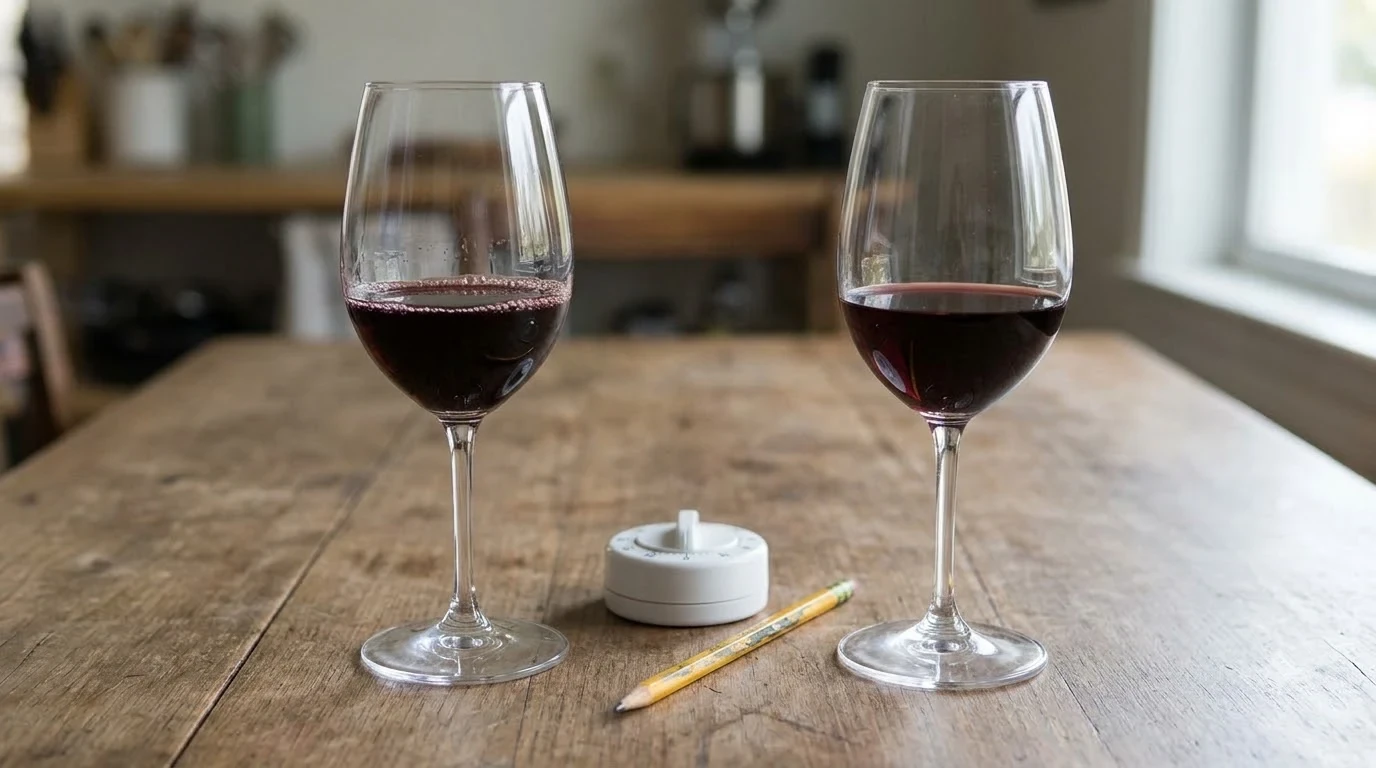
Serve Oloroso slightly chilled, around 12–14°C (54–57°F), in a white wine glass or a suitable Sherry glass. This temperature keeps the alcohol from dominating the aroma while allowing the wine’s walnut, spice, and dried-fruit notes to show. A bottle that is too warm may feel heavy, while one served very cold can hide some of its complexity.
A standard white wine glass works well because it gives the wine room to release its aromas. A dedicated Sherry glass is also suitable, provided it is large enough to let the wine breathe rather than trapping all the aromas in a narrow opening. Fill a white wine glass only about one-third full when serving a tasting pour. A smaller serving of approximately 2–3 ounces is a practical starting point for a fortified wine in the 17–22% alcohol range.
When selecting a bottle, start by deciding whether you want dry Oloroso or an Oloroso-based sweetened style. The word Oloroso is associated with the oxidative style, but Cream and other sweetened Sherries may use Oloroso as a foundation. A dry Oloroso is the appropriate choice for savory food pairings, while Cream Sherry is a different option for those who prefer sweetness with desserts or sweet-and-salty dishes.
Next, consider the producer’s style and the wine’s stated age category, if one is provided. Longer maturation can produce greater concentration, more developed nutty aromas, and a deeper color, but age alone does not determine quality or personal preference. A younger example may be more direct and energetic, while an older bottling may show more layered wood, spice, and dried-fruit notes. The best choice depends on whether the wine will be served as an aperitif, alongside food, or as a contemplative glass after a meal.
Once opened, close the bottle securely and store it upright in the refrigerator. Oloroso is more resistant to rapid deterioration than delicate Sherries such as Fino because it has already undergone oxidative aging, but that does not mean an open bottle will stay unchanged indefinitely. Decanter gives a suggested open-bottle window of four to six weeks for Oloroso and recommends refrigerated storage. The official Sherry Wines guidance also emphasizes that Oloroso can keep for an extended period after opening.
For an unopened bottle, choose a cool, dark storage area away from direct sunlight and large temperature changes. A cellar near 55°F is a practical target for longer-term wine storage. Avoid keeping bottles near an oven, radiator, or sunny window. Once opened, refrigeration and a tight closure are more important than maintaining a cellar temperature. Bring the wine back toward its serving temperature before pouring if it has become very cold.
Oloroso is also useful in the kitchen. A small amount can add nutty, savory depth to a sauce for beef, mushrooms, or poultry. It can be added to a pan after browning meat, then reduced with stock to form a concentrated sauce. Its fortified character means that a little can make a noticeable contribution, so begin with a modest amount and adjust the seasoning as the sauce reduces.
Frequently Asked Questions
These quick answers cover a few details that can help clarify the style beyond its flavor and serving recommendations.
Is Oloroso a red wine?
No. Traditional Oloroso is made from Palomino, a white grape, even though the finished wine can look deep brown or mahogany. Its color develops through oxidative aging and concentration rather than the use of dark grape skins during red-wine fermentation.
Does Oloroso always come from a solera?
No. The criaderas y solera system is a traditional and widely used approach, but Sherry regulations also recognize aging by harvest, or añada. In a vintage-based approach, the wine can be aged separately rather than continually blended through several cask scales.
Why is Oloroso sometimes called a handkerchief wine?
Decanter describes a historical custom in Jerez in which men sprinkled Oloroso on their handkerchiefs as a fragrance. The story is connected with the Spanish word “olor,” meaning smell or aroma, and reflects the wine’s powerful aromatic character.
Why are Sherry cellars often so tall?
The architecture helps regulate the environment in which Sherry matures. The regional Sherry material describes bodegas with central arches reaching up to 15 meters, allowing air to circulate and helping manage temperature and humidity within the building.
Can Oloroso be used in a cocktail?
Yes. Its walnut, spice, and dried-fruit character can add depth to a cocktail that needs a fortified wine component. It is generally better suited to spirit-forward or savory combinations than to drinks designed around delicate citrus and light floral flavors.
Oloroso is a distinctive choice for anyone who enjoys dry wines with concentrated aromas, full texture, and savory complexity. Start with a slightly chilled glass alongside braised meat, mushrooms, or mature cheese, and pay attention to how its walnut and toasted notes develop as it opens. Once you understand its oxidative style, it becomes easier to recognize when Oloroso is the right Sherry for the table.
More in Wine Types & Grapes
 Zinfandel Sugar Content: Dry Red vs. White Zinfandel GramsUpdated Nov 21, 2026
 Best Zinfandel Substitute Options for Sipping and CookingUpdated Nov 21, 2026
 Zweigelt Food Pairing: Best Dishes, Cheeses, and Serving TipsUpdated Nov 21, 2026
 Zinfandel Tannins Explained: How Structure Shapes Every BottleUpdated Nov 21, 2026
 Zinfandel Sweetness Level: Dry Red vs. Sweet White Zin ExplainedUpdated Nov 21, 2026
 Xinomavro Food Pairing: Best Dishes, Styles, and Serving TipsUpdated Nov 21, 2026